Are you dreaming of juicy, sun-ripened tomatoes bursting with flavor, but lack the space or the time for a traditional garden? Or perhaps you're tired of constantly worrying about whether your tomato plants are getting enough water? Then, the world of self-watering containers might just be your gardening salvation! Let's dive in and explore how you can grow amazing tomatoes using this clever and convenient method. The Magic of Self Watering Containers for Tomato Plants Self-watering containers, sometimes called sub-irrigated planters (SIPs), are designed to provide a consistent and reliable water supply to your plants, minimizing the need for frequent watering and dramatically reducing water waste. For tomato plants, which are known for their thirstiness, this can be a game-changer! The beauty of a tomato plant self watering container lies in its simplicity and efficiency. It essentially creates a mini-reservoir beneath the soil, allowing the plant...
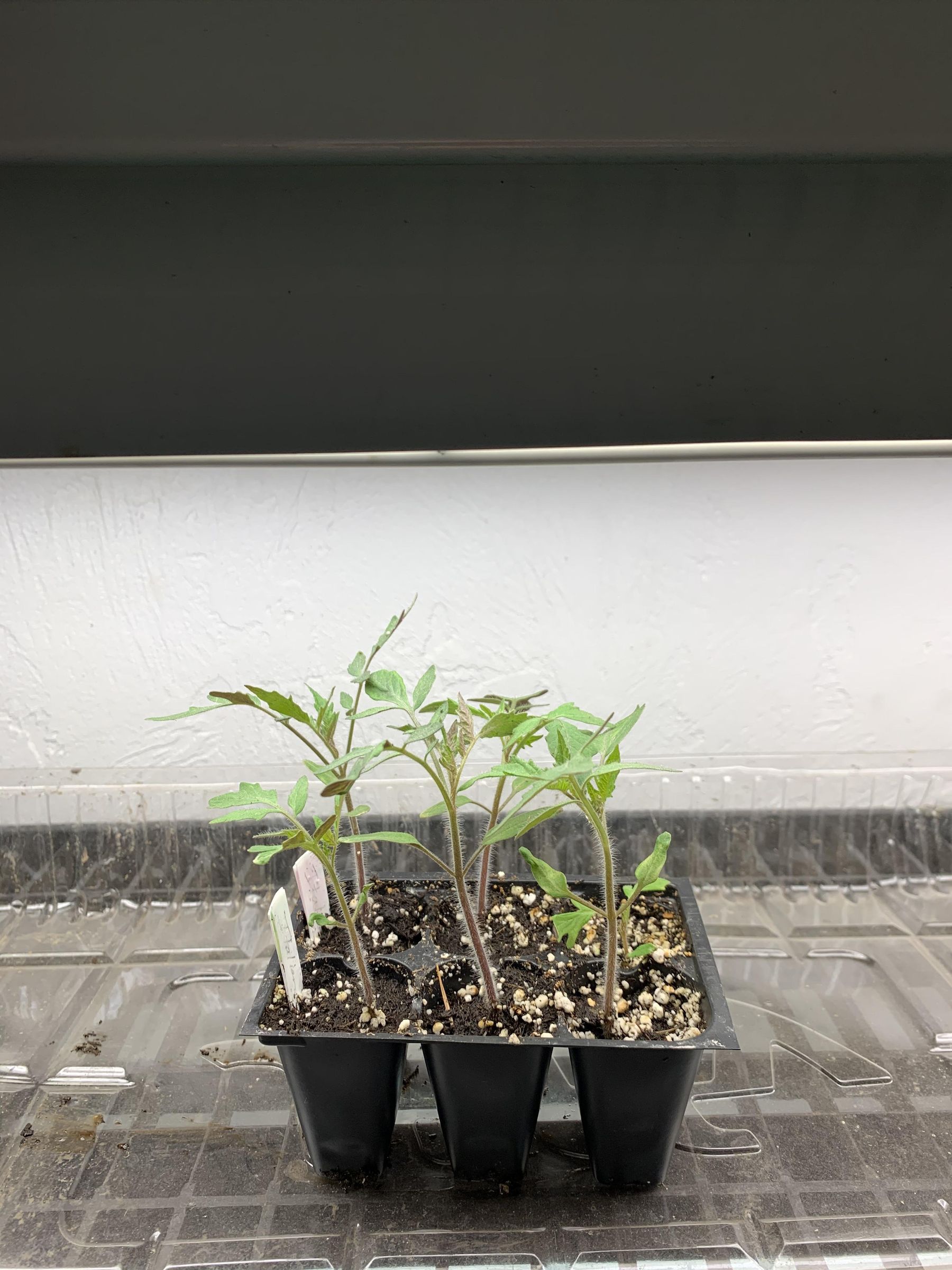
There's nothing quite like the taste of a sun-ripened tomato, bursting with flavor and grown right in your own backyard. Forget those bland, store-bought imitations! Starting your tomatoes from seed offers a world of possibilities, from selecting unique heirloom varieties to saving money. And yes, you absolutely can nurture those tiny seeds into thriving plants right outside. Let's dive into the rewarding world of growing tomatoes from seed outdoors.
Growing Tomatoes From Seed Outside: A Comprehensive Guide
Growing tomatoes from seed outside is a simple but also rewarding experience. But it requires a bit of knowledge and planning. From selecting the right tomato variety to understanding the best soil conditions, each step plays a crucial role in ensuring a successful harvest. In this guide, we'll break down the entire process of growing tomatoes from seeds outside, offering tips and tricks to help you cultivate a bountiful crop. You will become a tomato-growing expert in no time!
Choosing the Right Tomato Variety for Outdoor Growing
Not all tomato varieties are created equal, especially when it comes to outdoor growing. Some are better suited to specific climates and conditions than others. Consider these factors when choosing your seeds:
- Climate: If you live in an area with short summers, opt for early-maturing varieties like 'Early Girl' or 'Celebrity'. For warmer climates with longer growing seasons, you can experiment with later-maturing varieties like 'Beefsteak' or 'San Marzano'.
- Disease Resistance: Look for varieties labeled with disease resistance codes like V (Verticillium wilt), F (Fusarium wilt), N (Nematodes), or T (Tobacco mosaic virus). These codes indicate the plant's ability to withstand common tomato diseases.
- Growth Habit: Determine whether you want determinate (bush) or indeterminate (vining) tomatoes. Determinate varieties grow to a certain size and produce all their fruit at once, making them ideal for canning. Indeterminate varieties continue to grow and produce fruit throughout the season, requiring staking or caging.
Here's a small table showcasing popular tomato varieties and their characteristics:
| Variety | Type | Days to Maturity | Best Use | Disease Resistance |
|---|---|---|---|---|
| Early Girl | Determinate | 52 | Slicing, Salads | V, F |
| Beefsteak | Indeterminate | 80 | Slicing, Sandwiches | V, F, N |
| San Marzano | Indeterminate | 80 | Sauce, Canning | V, F |
| Celebrity | Determinate | 70 | All-Purpose | V, F, N, T |
When to Start Tomato Seeds Outdoors
Timing is crucial when growing tomatoes from seed outdoors. You need to align your planting schedule with your local climate and the specific requirements of your chosen tomato variety. Starting too early can expose your seedlings to frost damage, while starting too late can shorten the growing season and reduce your yield.
The general rule of thumb is to start your tomato seeds outdoors about 6-8 weeks before the last expected frost in your area. To determine this date, consult your local weather forecast or agricultural extension office. They can provide accurate information about historical frost patterns.
Here's a step-by-step guide to determine the ideal starting time:
- Find the average date of the last expected frost in your area.
- Count back 6-8 weeks from that date. This is your target starting date.
- Consider the specific variety of tomato. Some varieties may have slightly different starting requirements. Check the seed packet for specific instructions.
For example, if the last expected frost in your area is April 30th, you should start your tomato seeds outdoors sometime between March 5th and March 19th. This will give the seedlings enough time to develop into strong, healthy plants before being transplanted into the garden.
Preparing the Soil for Growing Tomatoes from Seeds Outside
Healthy soil is the foundation of a successful tomato garden. Tomatoes thrive in well-drained soil that is rich in organic matter and nutrients. Before planting your seeds, it's essential to prepare the soil properly to ensure optimal growth.
Here are the key steps to preparing the soil:
- Soil Testing: Conduct a soil test to determine the p H level and nutrient content. Tomatoes prefer a slightly acidic soil with a p H between 6.0 and
6.8. You can purchase a soil testing kit at your local garden center or send a soil sample to a professional lab for analysis.
- Amending the Soil: Based on the soil test results, amend the soil with organic matter such as compost, aged manure, or peat moss. These materials improve soil drainage, aeration, and fertility.
- Fertilizing: Add a balanced fertilizer to the soil before planting. Choose a fertilizer that is specifically formulated for tomatoes or vegetables. Follow the instructions on the fertilizer package for application rates.
- Tilling or Digging: Till or dig the soil to a depth of at least 12 inches to loosen it and improve drainage. Remove any rocks, weeds, or debris from the planting area.
For container gardening, select a high-quality potting mix that is designed for vegetables. Avoid using garden soil in containers, as it can become compacted and poorly drained.
Sowing Tomato Seeds Directly Outdoors
Direct sowing refers to planting the tomato seeds directly into the ground where they will grow to maturity. This method works best in regions with long, warm growing seasons. Here's how to do it effectively:
- Choose a Sunny Location: Select a location that receives at least 6-8 hours of direct sunlight per day.
- Prepare the Seedbed: Rake the soil smooth and remove any rocks or debris.
- Sow the Seeds: Sow the seeds about 1/4 inch deep and 1-2 inches apart.
- Water Gently: Water the seedbed gently to avoid washing away the seeds.
- Keep the Soil Moist: Keep the soil consistently moist until the seeds germinate.
- Thin the Seedlings: Once the seedlings emerge, thin them to the strongest plant every 12-18 inches.
To protect the seeds from birds and other pests, you can cover the seedbed with netting or row covers. Be sure to remove the covers once the seedlings emerge to allow them to receive adequate sunlight and air circulation.
Caring for Tomato Seedlings Growing Outside
Once your tomato seeds have sprouted and developed into seedlings, it's crucial to provide them with the care they need to thrive. This includes watering, fertilizing, weeding, and protecting them from pests and diseases.
Here are some essential tips for caring for tomato seedlings:
- Watering: Water the seedlings regularly, especially during dry periods. Water deeply and thoroughly, allowing the soil to dry slightly between waterings. Avoid overwatering, which can lead to root rot.
- Fertilizing: Fertilize the seedlings every 2-3 weeks with a balanced fertilizer. Follow the instructions on the fertilizer package for application rates.
- Weeding: Keep the garden free of weeds, which can compete with the seedlings for nutrients and water. Hand-pull weeds or use a hoe to remove them.
- Pest Control: Monitor the seedlings for pests such as aphids, whiteflies, and tomato hornworms. Use organic pest control methods such as insecticidal soap or neem oil to control pests.
- Disease Prevention: Prevent diseases by providing good air circulation, avoiding overwatering, and using disease-resistant varieties.
Transplanting Tomato Seedlings Outdoors
If you started your tomato seeds indoors or purchased seedlings from a nursery, you'll need to transplant them into your garden. Transplanting is a delicate process, so it's important to handle the seedlings carefully to minimize stress.
Here are the steps to transplanting tomato seedlings:
- Harden Off the Seedlings: Before transplanting, gradually acclimate the seedlings to outdoor conditions by exposing them to increasing amounts of sunlight and wind over a period of 1-2 weeks. This process is called hardening off.
- Choose a Cloudy Day: Transplant the seedlings on a cloudy day or in the late afternoon to minimize stress from the sun.
- Dig the Holes: Dig holes that are slightly larger than the root ball of the seedlings. Space the holes according to the recommended spacing for your chosen variety.
- Plant the Seedlings: Gently remove the seedlings from their containers and place them in the holes. Backfill the holes with soil, gently firming it around the base of the plants.
- Water Thoroughly: Water the seedlings thoroughly after transplanting to help them establish their roots.
- Stake or Cage: Stake or cage indeterminate tomato varieties to provide support and prevent the plants from sprawling on the ground.
Troubleshooting Common Tomato Growing Problems
Even with the best care, tomato plants can sometimes encounter problems. Here are some common issues and how to address them:
- Blossom End Rot: This is caused by a calcium deficiency and results in a dark, leathery spot on the bottom of the tomato. Ensure consistent watering and amend the soil with calcium-rich amendments like bone meal or crushed eggshells.
- Early Blight: This fungal disease causes brown spots on the leaves, starting from the bottom of the plant. Remove infected leaves and apply a fungicide.
- Tomato Hornworms: These large green caterpillars can quickly defoliate tomato plants. Hand-pick them off the plants or use Bacillus thuringiensis (Bt), a natural insecticide.
- Sunscald: This occurs when tomatoes are exposed to too much direct sunlight, causing white or yellow patches on the fruit. Provide shade during the hottest part of the day or choose varieties with dense foliage.
For visual learners, a flowchart might be helpful. If your tomato leaves have spots, ask: Are the spots brown or yellow? If brown, it's likely Early Blight. If yellow, it might be Sunscald. Then take the appropriate action.
To summarize, growing tomatoes from seed outdoors is a rewarding experience. By following these tips, you can cultivate a bountiful crop of delicious tomatoes.
Harvesting and Storing Your Tomatoes
Knowing when and how to harvest your tomatoes is just as important as the growing process. A perfectly ripe tomato will be flavorful, juicy, and packed with nutrients.
Here's how to tell when your tomatoes are ready to harvest:
- Color: The color of the tomato should be uniform and vibrant, according to the variety. For example, a red tomato should be a deep, rich red.
- Firmness: The tomato should be firm to the touch but not hard. It should have a slight give when gently squeezed.
- Stem: The tomato should easily detach from the stem with a gentle twist.
- Smell: A ripe tomato will have a fragrant, slightly sweet smell.
To harvest, gently twist or clip the tomato from the stem. Avoid pulling the tomato, as this can damage the plant.
Once harvested, store your tomatoes at room temperature, away from direct sunlight. Do not refrigerate tomatoes, as this can negatively affect their flavor and texture. Ripe tomatoes will typically last for about 1-2 weeks at room temperature.
Now that you know how to get your garden started, you might be interested in a compact way to grow your favorite herbs and vegetables indoors! Consider giving your green thumb a boost with a hydroponic growing system, like the Ahopegarden Indoor Garden Hydroponics Growing System, to harvest lettuce and more all year round. You can find this nifty countertop aeroponic kit with an LED grow light on Amazon: Ahopegarden Indoor Garden Hydroponics Growing System.