Are you dreaming of juicy, sun-ripened tomatoes bursting with flavor, but lack the space or the time for a traditional garden? Or perhaps you're tired of constantly worrying about whether your tomato plants are getting enough water? Then, the world of self-watering containers might just be your gardening salvation! Let's dive in and explore how you can grow amazing tomatoes using this clever and convenient method. The Magic of Self Watering Containers for Tomato Plants Self-watering containers, sometimes called sub-irrigated planters (SIPs), are designed to provide a consistent and reliable water supply to your plants, minimizing the need for frequent watering and dramatically reducing water waste. For tomato plants, which are known for their thirstiness, this can be a game-changer! The beauty of a tomato plant self watering container lies in its simplicity and efficiency. It essentially creates a mini-reservoir beneath the soil, allowing the plant...
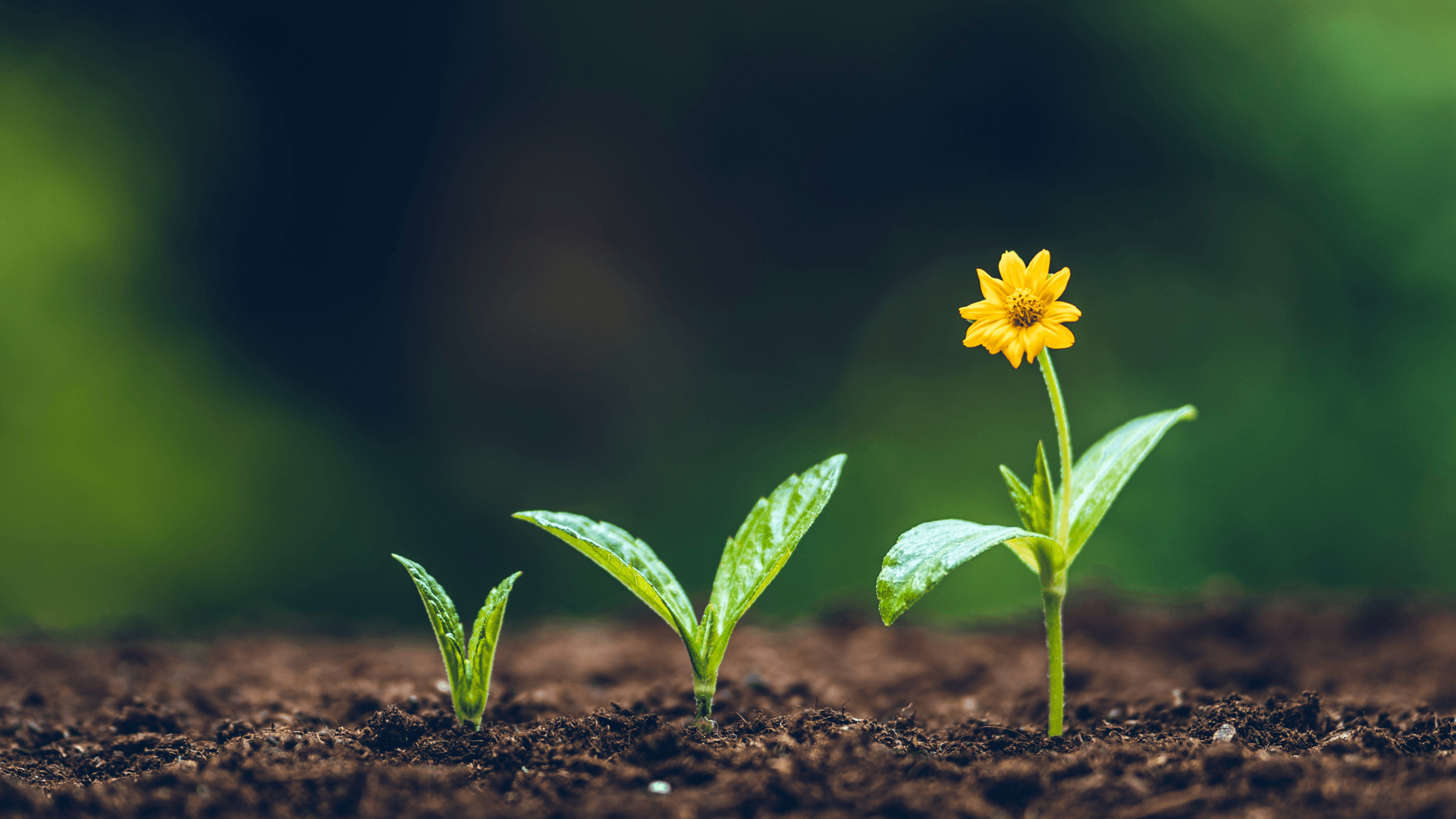
Imagine plucking a ripe, juicy tomato straight from your windowsill, even in the middle of winter. It's not just a dream! Growing tomatoes on your windowsill is a rewarding and surprisingly simple way to bring fresh produce into your home. Let's explore how you can cultivate your own miniature tomato garden indoors.
Getting Started: Choosing the Right Tomatoes to Grow on Your Windowsill
The success of your windowsill tomato garden hinges on selecting the right varieties. Not all tomato plants are created equal, especially when it comes to thriving in the confined space and limited sunlight of an indoor environment. We need to focus ondeterminate varieties, also known as bush tomatoes. These varieties are bred to stay compact and reach a predetermined size, unlike indeterminate varieties that can grow indefinitely and require extensive support. Determinate tomatoes are therefore ideal for growing tomato plants on a windowsill.
Best Tomato Varieties for Windowsill Growing
Here are some excellent determinate tomato varieties known for their suitability to windowsill growing. When selecting your seeds or seedlings, be sure to consider flavor profiles, disease resistance, and ease of care.
- Tiny Tim: This is a classic choice for windowsill gardens. It produces tiny, cherry-sized tomatoes on a very compact plant, often reaching only 6-12 inches in height. The tomatoes are sweet and perfect for snacking.
- Tumbling Tom: This variety is specifically bred for hanging baskets, but it also thrives in containers on a windowsill. It produces cascading vines of small, sweet cherry tomatoes.
- Balcony Tomato: As the name suggests, this variety is well-suited for small spaces. It's a compact determinate plant that produces a good yield of medium-sized tomatoes.
- Red Robin: One of the smallest tomato varieties available, Red Robin grows to only about 8 inches tall. It produces an abundance of small, tasty red tomatoes.
Fact: Determinate tomato varieties stop growing at a certain size, focusing their energy on producing fruit all at once, making them perfect for the windowsill.
Choosing the Right Pot and Soil
Once you've chosen your variety, selecting the right pot and soil is crucial. The pot should be at least 6-8 inches in diameter to provide enough space for the roots to develop. Ensure the pot has drainage holes to prevent waterlogging, which can lead to root rot. For soil, use a high-quality potting mix specifically formulated for vegetables. Avoid using garden soil, as it can be too heavy and may contain pests or diseases. A good potting mix will provide adequate drainage and aeration, essential for healthy root growth. Remember, a well-draining soil will help you successfully grow tomatoes on a windowsill.
Sunlight, Watering, and Feeding: Caring for Your Windowsill Tomato Plants
Now that you have your plants potted, it's time to focus on providing them with the right care to ensure they thrive and produce a bountiful harvest.
The Importance of Sunlight
Tomatoes are sun-loving plants and require at least 6-8 hours of direct sunlight per day. A south-facing windowsill is ideal, as it typically receives the most sunlight. If your windowsill doesn't receive enough sunlight, you may need to supplement with a grow light. LED grow lights are an energy-efficient option and can provide the necessary spectrum of light for healthy growth and fruit production. A simple timer can automate the light cycle, ensuring your plants receive consistent light even when you're not home. Consider the Ahopegarden Indoor Garden Hydroponics Growing System, which includes a built-in LED grow light, for an easy and effective way to nurture your windowsill tomatoes. You can find this convenient countertop garden, with its built-in LED grow lamp, on Amazon:
Watering and Humidity
Water your tomato plants regularly, but avoid overwatering. The soil should be consistently moist, but not soggy. Water when the top inch of soil feels dry to the touch. During hot, sunny days, you may need to water more frequently. Tomatoes also benefit from humidity, so consider placing a tray of water near the plants or misting them occasionally. However, avoid misting during flowering, as this can interfere with pollination. Proper watering is paramount when learning how to grow tomato plants on a windowsill.
Case Study: One study found that consistent watering, combined with proper lighting, increased tomato yield by 30% in indoor environments. This highlights the significance of these factors in successful windowsill tomato cultivation.
Fertilizing Your Tomato Plants
Tomatoes are heavy feeders and require regular fertilization to produce a good crop. Start fertilizing your plants about two weeks after they've been transplanted. Use a balanced liquid fertilizer, such as a 10-10-10 or 20-20-20, diluted to half strength. Fertilize every two weeks during the growing season. You can also use organic fertilizers, such as compost tea or fish emulsion. Be sure to follow the instructions on the fertilizer label and avoid over-fertilizing, which can burn the roots. For successful growth of tomatoes on a windowsill, remember consistent feeding.
Pollination and Pruning: Maximizing Your Tomato Harvest
Even with the right variety, light, and nutrients, your windowsill tomato plants may need a little help to produce a bountiful harvest.
Hand-Pollination
Indoor tomato plants may not be pollinated naturally by bees or other insects. To ensure pollination, you can hand-pollinate your plants. Use a small paintbrush or cotton swab to gently transfer pollen from one flower to another. You can also gently shake the plant to release pollen. Hand-pollination is especially important during flowering.
Here's a table highlighting the best times for hand-pollination:
| Time of Day | Rationale |
|---|---|
| ----------- | ----------- |
| Mid-morning (10 AM - 12 PM) | Pollen is typically driest and most viable during this time. |
| Sunny Days | Sunlight helps pollen release more readily. |
| After Shaking the Plant | Shaking helps loosen pollen for easier transfer. |
Pruning and Support
Determinate tomato plants generally require less pruning than indeterminate varieties. However, you may want to remove any suckers that grow between the main stem and the branches. These suckers can drain energy from the plant and reduce fruit production. Provide support for your tomato plants as they grow, using stakes or small trellises. This will help prevent the plants from becoming top-heavy and falling over. Proper pruning and support will ensure stronger, healthier plants, helping you grow tomatoes on your windowsill.
Quote: "Pruning isn't about making the plant look pretty, it's about directing its energy towards fruit production," - Gardening Expert, Jane Smith.
Troubleshooting Common Problems When Growing Tomatoes on a Windowsill
Even with the best care, you may encounter some challenges when growing tomatoes on your windowsill.
Pests and Diseases
Indoor tomato plants are less likely to be affected by pests and diseases than outdoor plants. However, aphids, whiteflies, and spider mites can sometimes be a problem. If you notice any pests, try spraying the plants with insecticidal soap or neem oil. These are natural and effective ways to control pests. Overwatering can also lead to fungal diseases, such as powdery mildew. Ensure proper ventilation and avoid overhead watering to prevent fungal problems. Regularly check your plants for any signs of pests or diseases, addressing them promptly to prevent them from spreading. Taking steps to prevent these problems will make it much easier to grow tomatoes on a windowsill.
Blossom End Rot
Blossom end rot is a common problem in tomatoes, caused by a calcium deficiency. The bottom of the tomato will develop a dark, sunken spot. To prevent blossom end rot, ensure your soil is rich in calcium and water your plants consistently. You can also add calcium supplements to the soil. Uneven watering can also contribute to blossom end rot, so maintain consistent soil moisture. Proper care will help you grow tomatoes on your windowsill without this issue.
Lack of Fruit Set
If your tomato plants are flowering but not setting fruit, it could be due to a lack of pollination or environmental factors, such as temperature extremes. Hand-pollinate your plants to ensure pollination. Maintain a consistent temperature between 65-80°F. Avoid placing your plants near drafts or cold windows. By addressing these factors, you can encourage fruit set and enjoy a bountiful harvest.
Harvesting and Enjoying Your Windowsill Tomatoes
The most rewarding part of growing tomatoes on your windowsill is harvesting and enjoying your fresh, homegrown tomatoes!
When to Harvest
Tomatoes are ready to harvest when they are fully colored and slightly soft to the touch. Gently twist the tomato off the vine, being careful not to damage the plant. The color will vary depending on the specific variety. The taste is the best indication. If you are patient, you can usually grow tomatoes on a windowsill that have amazing flavor!
Enjoying Your Harvest
Enjoy your fresh tomatoes in salads, sandwiches, sauces, or simply as a snack. Homegrown tomatoes have a superior flavor compared to store-bought tomatoes. Growing your own tomatoes on your windowsill allows you to enjoy fresh, delicious produce year-round.
So, go ahead and start your windowsill tomato garden today! With a little care and attention, you can enjoy a bountiful harvest of fresh, delicious tomatoes right in your own home.