Are you dreaming of juicy, sun-ripened tomatoes bursting with flavor, but lack the space or the time for a traditional garden? Or perhaps you're tired of constantly worrying about whether your tomato plants are getting enough water? Then, the world of self-watering containers might just be your gardening salvation! Let's dive in and explore how you can grow amazing tomatoes using this clever and convenient method. The Magic of Self Watering Containers for Tomato Plants Self-watering containers, sometimes called sub-irrigated planters (SIPs), are designed to provide a consistent and reliable water supply to your plants, minimizing the need for frequent watering and dramatically reducing water waste. For tomato plants, which are known for their thirstiness, this can be a game-changer! The beauty of a tomato plant self watering container lies in its simplicity and efficiency. It essentially creates a mini-reservoir beneath the soil, allowing the plant...
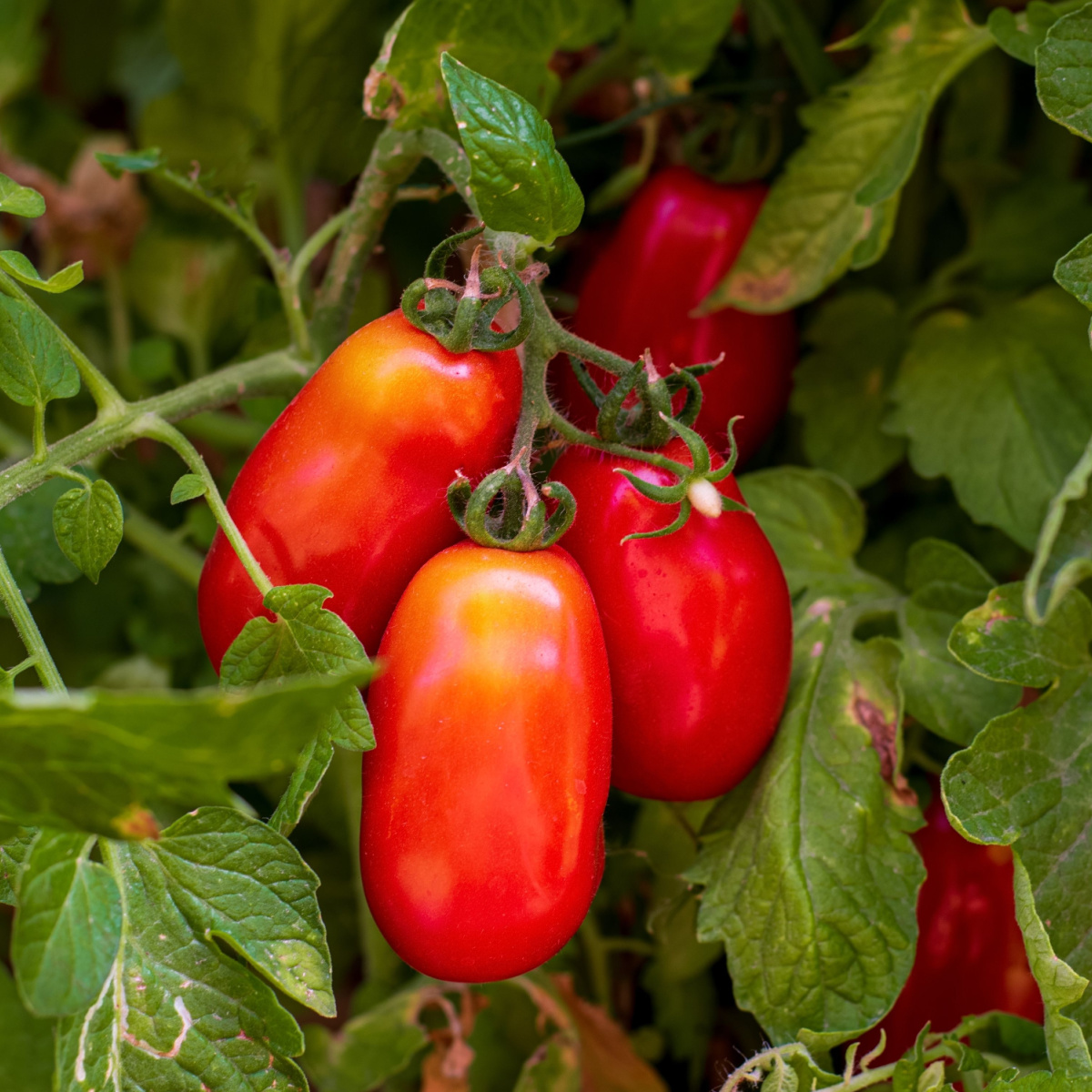
Imagine sinking your teeth into a sun-ripened tomato, bursting with flavor. Now, picture growing those incredibly delicious San Marzano tomatoes right on your patio or balcony. Sounds idyllic, right? Well, it's absolutely achievable, even if you don't have a sprawling garden. Let's explore the secrets to successfully growing San Marzano tomatoes in pots and savoring the fruits (or rather, vegetables!) of your labor.
Why Choose San Marzano Tomatoes for Container Gardening?
San Marzano tomatoes are prized for their rich, sweet flavor, meaty texture, and relatively few seeds. These qualities make them a favorite for sauces, pastes, and even fresh eating. But why specifically grow them in pots? Several advantages make container gardening with San Marzano tomatoes a worthwhile endeavor:
Control Over Growing Conditions: Container gardening gives you complete control over the soil, watering, and sunlight your tomatoes receive. This is especially important for San Marzano tomatoes, which thrive in specific conditions. Space Efficiency: Perfect for apartment dwellers or those with limited garden space. You can grow a substantial amount of tomatoes in a relatively small area. Mobility: Need to move your plants to chase the sun or protect them from unexpected frost? Container tomatoes are easily movable. Pest and Disease Management: It's easier to monitor and manage pests and diseases when your plants are contained. You can quickly isolate an affected plant to prevent spread.
While San Marzano tomatoes are often considered a bit more challenging than some other tomato varieties, the reward of that unparalleled flavor makes the extra effort well worth it. Now let's dive into the specifics of how to get started withgrowing San Marzano tomatoes in containers.
Selecting the Right Pot and Soil for Your San Marzano Tomatoes
Choosing the right pot and soil is crucial for the success of your San Marzano tomato plants. Think of it as laying the foundation for a thriving garden.
Pot Size Matters: Giving Your San Marzano Roots Room to Roam
San Marzano tomatoes are indeterminate varieties, meaning they'll continue to grow and produce fruit throughout the growing season. Therefore, they need ample space for their root systems to develop. A pot that is too small will restrict growth and limit fruit production.
Aim for a pot that is at least15-20 gallons in size. This might sound large, but it's essential for supporting the plant's growth and preventing it from becoming root-bound. Fabric pots are an excellent option as they allow for better air circulation and drainage, further promoting healthy root growth. Also, ensure that the pot has adequate drainage holes to prevent waterlogging, which can lead to root rot.
Soil Selection: Feeding Your San Marzano Tomatoes
The soil you choose is just as important as the pot size. San Marzano tomatoes need well-draining soil that is rich in organic matter. Avoid using garden soil directly in your pots, as it can become compacted and prevent proper drainage. Instead, opt for a high-quality potting mix specifically formulated for vegetables.
Look for a potting mix that contains ingredients like:
Peat moss or coco coir: For water retention and aeration. Perlite or vermiculite: To improve drainage and prevent compaction. Compost or aged manure:To provide essential nutrients.
Consider adding a slow-release fertilizer to your potting mix at planting time to provide a steady supply of nutrients throughout the growing season. San Marzano tomatoes are heavy feeders and require regular fertilization to produce abundant fruit. You can also consider amending your soil with Mycorrhizae, which will help the plants uptake nutrients from the soil.
Planting Your San Marzano Tomato Seedlings
Once you have your pot and soil ready, it's time to plant your San Marzano tomato seedlings. Whether you started them yourself from seed or purchased them from a nursery, the planting process is the same.
Timing is Everything: When to Plant San Marzano Tomatoes
San Marzano tomatoes are warm-weather plants and should be planted after the last threat of frost has passed. Check your local weather forecast and planting guides to determine the optimal planting time for your region.
A good rule of thumb is to wait until the soil temperature consistently reaches at least 60°F (16°C) before planting. Planting too early can stunt the growth of your seedlings and make them more susceptible to disease.
Planting Technique: Setting Your Seedlings Up for Success
When planting your San Marzano tomato seedlings, follow these steps:
1.Dig a hole: In the center of your pot that is deep enough to accommodate the root ball of the seedling.
2.Remove the seedling: Gently remove the seedling from its container, being careful not to damage the roots.
3.Plant deeply: Plant the seedling deeper than it was in its original container, burying the stem up to the first set of leaves. This will encourage the plant to develop more roots along the buried stem, resulting in a stronger, more resilient plant.
4.Backfill with soil: Fill the hole with potting mix, gently firming the soil around the base of the plant.
5.Water thoroughly: Water the newly planted seedling thoroughly to settle the soil and provide moisture to the roots.
After planting, consider adding a layer of mulch around the base of the plant to help retain moisture, suppress weeds, and regulate soil temperature. Organic mulches like straw or shredded leaves are excellent choices.
Caring for Your Potted San Marzano Tomato Plants: Watering, Fertilizing, and Pruning
Once your San Marzano tomato seedlings are planted, it's essential to provide them with proper care to ensure healthy growth and abundant fruit production. This includes regular watering, fertilizing, and pruning.
Watering: Maintaining Consistent Moisture
San Marzano tomatoes need consistent moisture to thrive, especially when grown in containers. The frequency of watering will depend on factors like the weather, the size of your pot, and the type of soil you're using.
Generally, you should water your tomato plants deeply whenever the top inch of soil feels dry to the touch. Avoid overwatering, which can lead to root rot. Water at the base of the plant, avoiding getting the leaves wet, as this can encourage fungal diseases. A good rule of thumb is to use a watering can or hose with a gentle spray nozzle.
Fertilizing: Providing Essential Nutrients
San Marzano tomatoes are heavy feeders and require regular fertilization to produce abundant fruit. In addition to the slow-release fertilizer you added at planting time, you should supplement with a liquid fertilizer every 2-3 weeks throughout the growing season.
Choose a fertilizer that is specifically formulated for tomatoes or vegetables, and follow the instructions on the label. Look for a fertilizer that is high in phosphorus and potassium, which are essential for fruit development. You can also amend your soil with bone meal, another source of phosphorus.
Pruning: Directing Energy for Optimal Fruit Production
Pruning is an important part of caring for San Marzano tomato plants, especially indeterminate varieties. Pruning helps to improve air circulation, reduce disease risk, and direct the plant's energy towards fruit production.
The main type of pruning you'll need to do is removing suckers.Suckers are small shoots that grow in the crotch between the main stem and a branch. These suckers will eventually develop into full-sized branches, but they will divert energy away from fruit production.
To prune suckers, simply pinch them off with your fingers when they are small. Do this regularly throughout the growing season to keep your plants tidy and productive. Some gardeners prefer to leave a few suckers to allow for more fruit production, but this can also lead to a more crowded plant that is more susceptible to disease. Experiment and see what works best for you!
For an even easier growing experience, you might consider a hydroponic system like the Ahopegarden Indoor Garden Hydroponics Growing System, which allows you to nurture up to 10 plants with its aeroponic design and LED grow light. This countertop kit provides everything needed for successful herb, vegetable, and even lettuce growth. You can find this hydroponic growing system on Amazon here: https://amzn.to/3RPpa Sk. This system offers an easy way to grow fresh produce indoors, even San Marzano tomatoes, with controlled conditions.
Supporting Your San Marzano Tomato Plants: Staking or Caging
San Marzano tomato plants can grow quite tall and heavy with fruit, so it's essential to provide them with support to prevent them from falling over. Staking or caging are the most common methods of providing support.
Staking: A Simple and Effective Method
Staking involves driving a sturdy stake into the ground near the base of the plant and tying the plant to the stake as it grows. This method is simple and effective, but it requires regular monitoring and tying as the plant grows taller.
Caging: Providing All-Around Support
Caging involves placing a wire cage around the plant, providing support on all sides. This method is more hands-off than staking, as the plant can grow up and through the cage without requiring regular tying. Cages are also more stable than stakes, especially in windy areas.
Regardless of which method you choose, be sure to provide support early in the growing season, before the plant becomes too large and heavy. This will help to prevent breakage and ensure that your plants stay upright and healthy.
Dealing with Pests and Diseases: Protecting Your San Marzano Tomatoes
Even with the best care, your San Marzano tomato plants may still be susceptible to pests and diseases. Regular monitoring is essential for early detection and prevention.
Common Pests: Identifying and Controlling
Some common pests that can affect San Marzano tomato plants include:
Aphids: Small, sap-sucking insects that can cause distorted growth. Tomato hornworms: Large, green caterpillars that can defoliate plants. Whiteflies:Small, white, flying insects that can transmit viruses.
To control pests, you can use organic methods like hand-picking, insecticidal soap, or neem oil. Beneficial insects like ladybugs can also help to control aphid populations.
Common Diseases: Recognizing and Preventing
Some common diseases that can affect San Marzano tomato plants include:
Early blight: A fungal disease that causes brown spots on leaves. Septoria leaf spot: Another fungal disease that causes small, circular spots on leaves. Blossom end rot:A physiological disorder caused by calcium deficiency.
To prevent diseases, provide good air circulation, avoid overhead watering, and use a fungicide if necessary. Blossom end rot can be prevented by ensuring consistent watering and adding calcium to the soil.
Harvesting and Enjoying Your Homegrown San Marzano Tomatoes
After all your hard work, it's finally time to harvest and enjoy your homegrown San Marzano tomatoes! Knowing when to harvest is key to getting the best flavor and texture.
When to Harvest: Signs of Ripeness
San Marzano tomatoes are typically ready to harvest when they are fully red, slightly soft to the touch, and easily detach from the vine. The exact timing will depend on the variety and the growing conditions.
Harvesting Technique: Picking Your Tomatoes Carefully
To harvest your tomatoes, gently twist or cut them from the vine. Avoid pulling them off, as this can damage the plant. Handle the tomatoes carefully to avoid bruising.
Enjoying Your Harvest: Fresh, Sauced, and Preserved
San Marzano tomatoes are incredibly versatile and can be enjoyed in many ways. They are delicious eaten fresh in salads or sandwiches, but they are especially prized for making sauces and pastes. You can also preserve them by canning, freezing, or drying.
Growing San Marzano tomatoes in pots is a rewarding experience that allows you to enjoy the unparalleled flavor of these delicious tomatoes, even if you don't have a traditional garden. With proper care and attention, you can successfully grow these iconic tomatoes in containers and savor the fruits of your labor all season long. Happy growing!