Are you dreaming of juicy, sun-ripened tomatoes bursting with flavor, but lack the space or the time for a traditional garden? Or perhaps you're tired of constantly worrying about whether your tomato plants are getting enough water? Then, the world of self-watering containers might just be your gardening salvation! Let's dive in and explore how you can grow amazing tomatoes using this clever and convenient method. The Magic of Self Watering Containers for Tomato Plants Self-watering containers, sometimes called sub-irrigated planters (SIPs), are designed to provide a consistent and reliable water supply to your plants, minimizing the need for frequent watering and dramatically reducing water waste. For tomato plants, which are known for their thirstiness, this can be a game-changer! The beauty of a tomato plant self watering container lies in its simplicity and efficiency. It essentially creates a mini-reservoir beneath the soil, allowing the plant...
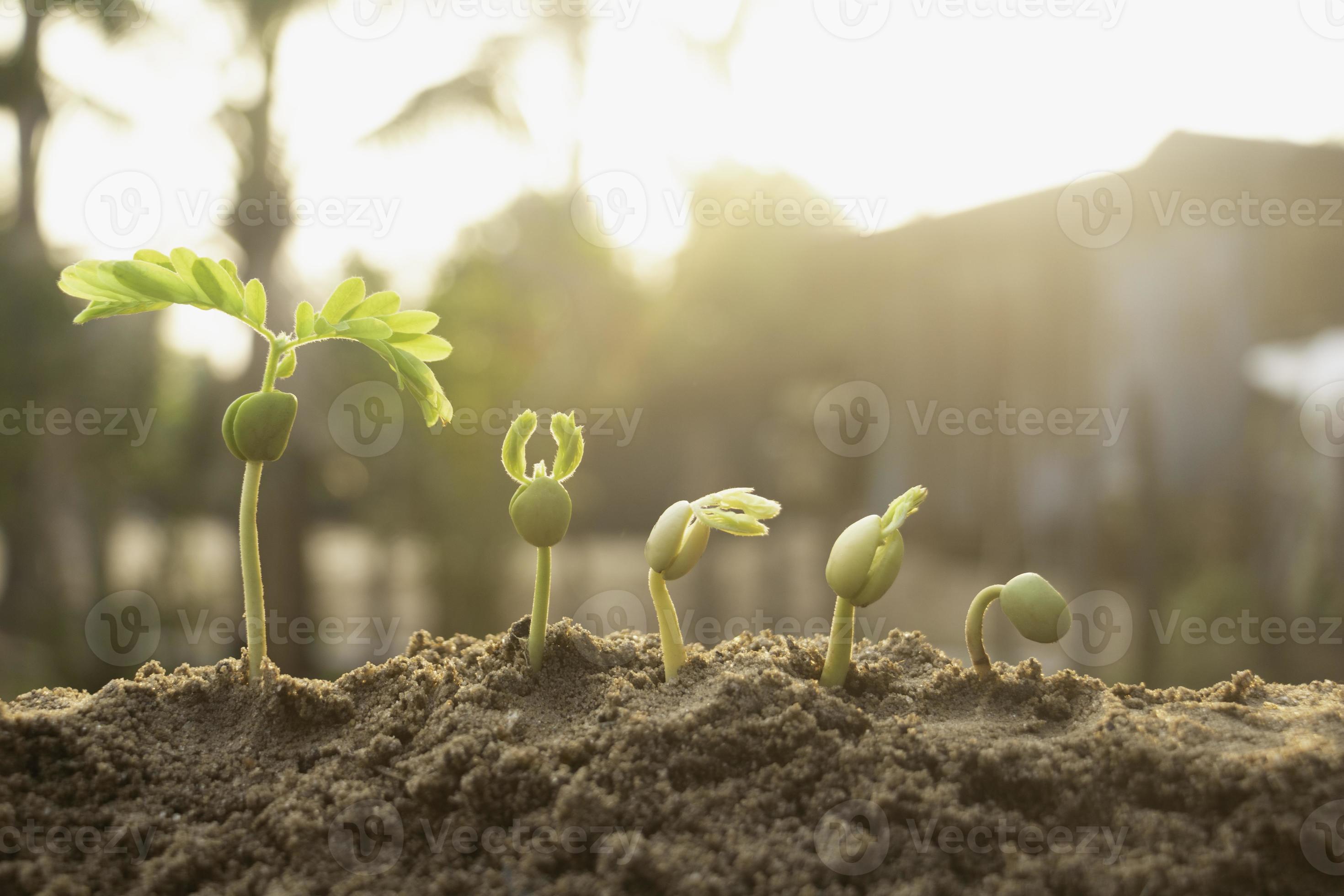
Imagine stepping onto your patio and plucking a sun-warmed, juicy tomato, bursting with flavor, straight from the vine. Sounds idyllic, right? Well, it doesn't have to be just a dream! Growing your own tomatoes, even on a small patio, is absolutely achievable and incredibly rewarding. Let's explore how you can transform your patio into a thriving tomato garden.
Choosing the Right Tomato Variety for Your Patio Garden
The key to successful patio tomato growing lies in selecting the right variety. Not all tomatoes are created equal! Some are sprawling giants that need vast gardens, while others are compact and perfectly suited for containers. When you're planning togrow tomatoes on a patio, space is often a premium, so choose wisely.
Determinate vs. Indeterminate Tomatoes
Understanding the difference between determinate and indeterminate tomato varieties is crucial.
- Determinate Tomatoes: These are bush-type tomatoes that grow to a specific size (usually 3-4 feet tall) and produce most of their fruit all at once. They're ideal for canning and preserving. Examples include Roma, Celebrity, and Better Bush. Their compact size makes them excellent choices for patio containers. The benefit of determinate tomatoes is that they require less pruning and support compared to their indeterminate cousins.
- Indeterminate Tomatoes: These are vining tomatoes that continue to grow and produce fruit throughout the growing season until frost. They can reach impressive heights (6-10 feet or more!) and require staking or caging. Examples include Beefsteak, Cherry, and most heirloom varieties. While they need more attention, they offer a continuous harvest, providing you with fresh tomatoes for months.
Best Tomato Varieties for Containers and Patios
For patio gardening, consider these varieties:
- Bush Early Girl: A compact determinate variety that produces delicious, medium-sized tomatoes early in the season.
- Patio: As the name suggests, this determinate variety is specifically bred for container growing. It's very compact and yields a good crop of medium-sized tomatoes.
- Tiny Tim: An ultra-compact determinate variety that produces small, cherry-sized tomatoes. Perfect for small patios or balconies.
- Roma: This determinate variety is known for its paste tomatoes. Great for making sauces or sun-dried tomatoes.
- Cherry Tomatoes (e.g., Sweet 100, Sun Gold): While often indeterminate, cherry tomato varieties can be successfully grown in large containers with adequate support. Their sweet, bite-sized fruits are a patio favorite.
When choosing your tomato plants, prioritize disease resistance. Look for varieties labeled with letters like V, F, N, T, and A, which indicate resistance to Verticillium wilt, Fusarium wilt, Nematodes, Tobacco mosaic virus, and Alternaria, respectively. This will give your plants a fighting chance against common tomato diseases.
Setting Up Your Patio Tomato Garden
Once you've selected your tomato varieties, it's time to create the ideal growing environment on your patio. This involves choosing the right containers, soil, location, and support systems.
Choosing the Right Containers
The size of your container is critical. Tomatoes need ample space for their roots to develop. A minimum of10-15 gallons is recommended for most determinate varieties, while indeterminate varieties will thrive in containers of20 gallons or more. Remember that bigger is generally better! As a rule of thumb, cherry tomato varieties need at least a 5-gallon container, while standard-sized varieties do best in a 10-gallon or larger container.
Consider these container materials:
- Plastic: Lightweight, durable, and relatively inexpensive. Dark-colored plastic can heat up quickly in the sun, so consider lighter colors or insulating the container.
- Terracotta: Classic and attractive, but heavier and more porous than plastic, which means they dry out faster.
- Fabric Pots: Allow for excellent drainage and aeration, promoting healthy root growth.
- Wooden Barrels: Aesthetically pleasing and offer plenty of space for large tomato plants.
Regardless of the material, ensure your containers have drainage holes to prevent waterlogging.
Selecting the Right Soil Mix
Tomatoes need a well-draining, nutrient-rich soil. Avoid using garden soil, as it can become compacted in containers and restrict root growth. Instead, opt for a high-quality potting mix specifically formulated for vegetables. A good potting mix will contain a blend of peat moss, perlite, vermiculite, and compost. You can also amend your potting mix with slow-release fertilizer or compost to provide your plants with a steady supply of nutrients.
One common mistake that home gardeners make is using soil that is too dense, which prevents air circulation to the roots. If you find that your potting mix is retaining too much water, consider adding more perlite to improve drainage.
Location, Location, Location
Tomatoes are sun-worshippers! They need at least6-8 hours of direct sunlight per day to thrive. Choose a location on your patio that receives ample sunshine. If your patio is shaded for part of the day, try to position your tomato plants so that they receive morning sun, which is less intense than afternoon sun. A south-facing patio is ideal, but east- or west-facing patios can also work if they receive enough sunlight.
If you're concerned about providing enough light, consider using grow lights to supplement natural sunlight. It's possible to provide your tomato plants with additional light. Or, why not try an indoor system where you can effortlessly grow herbs and vegetables? TheAhopegarden Indoor Garden Hydroponics Growing System, a ten-pod plant germination kit with aeroponic capabilities, utilizes an LED grow light for optimal growth, is a great option if you have limited sunlight. Check it out on Amazon:https://amzn.to/3RPpa Sk
Providing Support for Your Tomato Plants
As your tomato plants grow, they'll need support to prevent them from sprawling on the ground and to protect their stems from breaking under the weight of the fruit. Choose from these support options:
- Stakes: Drive a sturdy stake into the ground near the base of the plant and tie the stem to the stake with soft twine or plant ties. This is a good option for determinate varieties.
- Cages: Place a tomato cage around the plant when it's young. The cage will provide support as the plant grows. Cages are particularly useful for indeterminate varieties.
- Trellises: A trellis can be used to support vining tomato varieties. Attach the stems to the trellis with plant ties.
It's crucial to install support systems early in the plant's life, before it becomes too large and unwieldy.
Caring for Your Patio Tomatoes
Once your patio tomato garden is set up, it's time to focus on providing the care your plants need to thrive. This includes watering, fertilizing, pruning, and pest control.
Watering
Tomatoes need consistent watering, especially during hot weather. Water deeply and regularly, aiming to keep the soil evenly moist but not soggy. Avoid overhead watering, as this can promote fungal diseases. Instead, water at the base of the plant. A good rule of thumb is to water when the top inch of soil feels dry to the touch.
During hot, sunny days, you may need to water your tomato plants daily. Check the soil moisture levels regularly to ensure that your plants are getting enough water. Wilting leaves are a sign that your plants are thirsty.
Fertilizing
Tomatoes are heavy feeders and need regular fertilization to produce a bountiful harvest. Use a balanced fertilizer (e.g., 10-10-10) or a fertilizer specifically formulated for tomatoes. Follow the instructions on the fertilizer label. You can also supplement with organic fertilizers such as compost tea or fish emulsion.
Start fertilizing your tomato plants a few weeks after transplanting them into their containers. Continue fertilizing every 2-3 weeks throughout the growing season. Avoid over-fertilizing, as this can lead to excessive foliage growth at the expense of fruit production.
Pruning
Pruning is essential for indeterminate tomato varieties to encourage fruit production and prevent overcrowding. Remove suckers (the small shoots that grow between the main stem and the branches) to direct the plant's energy towards developing fruit. For determinate varieties, minimal pruning is needed.
When pruning indeterminate tomatoes, focus on removing suckers below the first flower cluster. This will improve air circulation and reduce the risk of disease. You can also prune some of the lower leaves to prevent them from touching the soil. Always use clean, sharp pruning shears to avoid spreading diseases.
Pest and Disease Control
Tomatoes are susceptible to a variety of pests and diseases. Regularly inspect your plants for signs of trouble. Common pests include aphids, whiteflies, and tomato hornworms. Diseases include early blight, late blight, and blossom end rot.
Here are some tips for preventing and controlling pests and diseases:
- Use disease-resistant varieties.
- Provide good air circulation.
- Water at the base of the plant.
- Remove diseased leaves promptly.
- Use organic pest control methods such as insecticidal soap or neem oil.
- Consider companion planting, such as planting basil or marigolds near your tomatoes, to deter pests.
Blossom End Rot
Blossom end rot is a common issue with tomatoes, characterized by a dark, sunken spot on the bottom of the fruit. It is not a disease but is caused by a calcium deficiency. To prevent blossom end rot, ensure your soil is well-drained and that you are providing consistent watering. You can also add calcium to the soil by amending it with crushed eggshells or bone meal.
Harvesting Your Patio Tomatoes
The moment you've been waiting for! Harvesting your own homegrown tomatoes is one of the most satisfying experiences a gardener can have.
When to Harvest
Tomatoes are ready to harvest when they are fully colored, slightly soft to the touch, and easily detach from the vine. The exact color will depend on the variety. For example, red tomatoes should be a deep, rich red, while yellow tomatoes should be a vibrant yellow. Give the tomato a gentle squeeze. If it yields slightly, it's ripe.
How to Harvest
Gently twist or cut the tomato from the vine, leaving a small piece of the stem attached. Handle the tomatoes carefully to avoid bruising. Ripe tomatoes can be stored at room temperature for a few days. For longer storage, refrigerate them, but keep in mind that refrigeration can affect their flavor and texture.
So, there you have it! With a little planning and care, you can enjoy a bountiful harvest of delicious, homegrown tomatoes right on your patio. Happy gardening!