Are you dreaming of juicy, sun-ripened tomatoes bursting with flavor, but lack the space or the time for a traditional garden? Or perhaps you're tired of constantly worrying about whether your tomato plants are getting enough water? Then, the world of self-watering containers might just be your gardening salvation! Let's dive in and explore how you can grow amazing tomatoes using this clever and convenient method. The Magic of Self Watering Containers for Tomato Plants Self-watering containers, sometimes called sub-irrigated planters (SIPs), are designed to provide a consistent and reliable water supply to your plants, minimizing the need for frequent watering and dramatically reducing water waste. For tomato plants, which are known for their thirstiness, this can be a game-changer! The beauty of a tomato plant self watering container lies in its simplicity and efficiency. It essentially creates a mini-reservoir beneath the soil, allowing the plant...
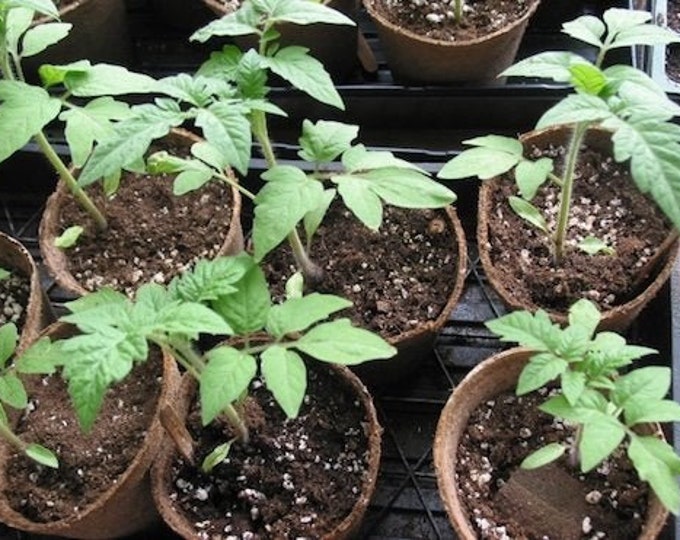
There's nothing quite like the taste of a sun-ripened tomato, bursting with flavor straight from your own garden. And if you're looking for a tomato that's truly special, one that will have your neighbors asking for your secret, then you've likely heard of the Brandywine. Let's dive into the world of Brandywine tomato seedlings and learn how to cultivate these heirloom treasures.
What Makes Brandywine Tomato Seedlings So Special?
Brandywine tomatoes aren't your average grocery store variety. They are heirloom tomatoes, meaning their seeds have been passed down through generations, preserving their unique characteristics. These tomatoes are known for their exceptional flavor, often described as rich, sweet, and complex. They are also prized for their large size, often weighing over a pound. But getting your hands on qualityBrandywine tomato seedlings and nurturing them to fruition requires a bit of know-how.
Heirloom History and Characteristics
The Brandywine tomato boasts a fascinating history. Believed to have originated in the 1880s, its exact origins are debated, but it's generally accepted to be a descendant of a tomato variety grown by the Amish. The Brandywine name is thought to derive from Brandywine Creek in Pennsylvania.
- Flavor: Rich, sweet, slightly acidic, complex.
- Size: Large, often exceeding 1 pound, some reaching 2 pounds or more.
- Shape: Variable, typically beefsteak-shaped, but can be irregular.
- Color: Most commonly pink-red, but variations like yellow, black, and red exist.
- Foliage: Potato-leaf, meaning the leaves are smoother and less serrated than typical tomato leaves.
The potato-leaf foliage is a key identifier for many Brandywine varieties. It's important to note that because they are heirlooms,Brandywine tomato seedlings can exhibit some variability. This is part of their charm, offering a unique experience with each plant.
Different Brandywine Tomato Varieties
While the "Brandywine" name is iconic, it's important to realize that there are several different Brandywine varieties. Each offers slightly different characteristics, so choosing the right one for your garden is crucial. Here are some popular options:
- Pink Brandywine: The most common and arguably the most famous. Renowned for its classic Brandywine flavor and large, pink-red fruits.
- Red Brandywine: Features a more traditional red color and a slightly tangier taste compared to the Pink Brandywine.
- Yellow Brandywine: Offers a milder, fruitier flavor and a beautiful yellow-orange hue.
- Black Brandywine: Delivers a smoky, complex flavor and a dark, purplish-brown skin.
When selectingBrandywine tomato seedlings, make sure the label clearly indicates the specific variety. This will help you manage your expectations and choose the tomato that best suits your taste preferences and growing conditions.
Starting Your Brandywine Tomato Seedlings
Growing Brandywine tomatoes from seed can be a rewarding experience, but it requires patience and attention to detail. Starting indoors is highly recommended, especially in regions with shorter growing seasons.
When and How to Start Seeds Indoors
The ideal time to start yourBrandywine tomato seedlings indoors is typically 6-8 weeks before the last expected frost in your area. This allows the seedlings ample time to develop a strong root system before being transplanted outdoors. Here's a step-by-step guide:
- Choose a Seed Starting Mix: Use a sterile seed starting mix to prevent diseases and provide optimal drainage.
- Sow the Seeds: Sow the seeds about ¼ inch deep in small pots or seed trays.
- Provide Warmth: Keep the soil consistently moist and warm (around 75-80°F) using a heat mat or by placing the trays in a warm location.
- Provide Light: Once the seedlings emerge, provide them with plenty of light. A grow light is ideal, but a sunny windowsill can also work if supplemented with additional light.
- Water Carefully: Water gently from the bottom to avoid damping off, a fungal disease that can kill young seedlings.
Caring for Your Seedlings Before Transplanting
Once yourBrandywine tomato seedlings have emerged, proper care is essential for their healthy development. Here are some key considerations:
- Watering: Keep the soil consistently moist, but avoid overwatering, which can lead to root rot.
- Fertilizing: Begin fertilizing the seedlings with a diluted liquid fertilizer once they have their first set of true leaves (the leaves that appear after the initial seed leaves).
- Hardening Off: Gradually acclimate the seedlings to outdoor conditions by exposing them to increasing amounts of sunlight and wind over a period of 1-2 weeks before transplanting.
Hardening off is a crucial step that helps the seedlings adjust to the harsher outdoor environment and prevents transplant shock. Failing to properly harden off yourBrandywine tomato seedlings can significantly impact their growth and yield.
Transplanting Brandywine Tomato Seedlings Outdoors
Transplanting yourBrandywine tomato seedlings outdoors is a critical step in the growing process. Timing is crucial, as Brandywine tomatoes are sensitive to cold temperatures.
Choosing the Right Location and Soil
Brandywine tomatoes thrive in full sun (at least 6-8 hours of direct sunlight per day) and well-drained soil. Before transplanting, amend the soil with compost or other organic matter to improve its fertility and drainage. Consider these factors:
- Sunlight: Full sun is essential for optimal growth and fruit production.
- Soil: Well-drained, fertile soil with a p H between 6.0 and
6.8.
- Spacing: Space the seedlings 2-3 feet apart to allow for adequate airflow and sunlight penetration.
- Support: Brandywine tomatoes are large and heavy, so provide sturdy support such as stakes, cages, or trellises.
The Transplanting Process
Here's a step-by-step guide to transplanting yourBrandywine tomato seedlings:
- Dig a Hole: Dig a hole that is slightly larger than the root ball of the seedling.
- Amend the Soil: Mix some compost or other organic matter into the bottom of the hole.
- Remove the Seedling: Gently remove the seedling from its pot, being careful not to damage the roots.
- Plant Deeply: Plant the seedling deeply, burying the stem up to the first set of leaves. This will encourage the development of a stronger root system.
- Water Thoroughly: Water the seedling thoroughly after transplanting.
- Mulch: Apply a layer of mulch around the base of the plant to help retain moisture and suppress weeds.
Post-Transplant Care
After transplanting, continue to provide yourBrandywine tomato seedlings with the care they need to thrive. Here are some important considerations:
- Watering: Water regularly, especially during dry spells. Aim to keep the soil consistently moist but not waterlogged.
- Fertilizing: Continue to fertilize with a tomato-specific fertilizer every 2-3 weeks.
- Pruning: Prune suckers (the shoots that grow between the main stem and the branches) to improve airflow and encourage fruit production.
- Pest and Disease Control: Monitor your plants regularly for pests and diseases, and take appropriate action if necessary.
Consistent watering is key, especially as the fruits begin to develop. Irregular watering can lead to blossom end rot, a common problem with tomatoes. Consider using a drip irrigation system to ensure consistent watering.
Troubleshooting Common Problems with Brandywine Tomato Plants
Even with the best care, you may encounter some challenges when growing Brandywine tomatoes. Being aware of common problems and how to address them will help you achieve a bountiful harvest.
Blossom End Rot
Blossom end rot is a common problem with tomatoes, characterized by a dark, leathery spot on the blossom end of the fruit. It's usually caused by a calcium deficiency, which can be triggered by inconsistent watering or a lack of calcium in the soil. To prevent blossom end rot:
- Water Consistently: Ensure consistent watering, especially during fruit development.
- Amend the Soil: Amend the soil with lime or bone meal to increase calcium levels.
- Foliar Spray: Apply a calcium chloride foliar spray to the leaves of the plant.
Pests and Diseases
Brandywine tomatoes can be susceptible to various pests and diseases, including:
- Aphids: Small, sap-sucking insects that can weaken plants. Control aphids with insecticidal soap or neem oil.
- Tomato Hornworms: Large caterpillars that can defoliate plants quickly. Handpick them off the plants or use Bacillus thuringiensis (Bt), a biological insecticide.
- Early Blight: A fungal disease that causes dark spots on the leaves. Prevent early blight by ensuring good air circulation and avoiding overhead watering. Treat with a fungicide if necessary.
- Septoria Leaf Spot: Another fungal disease that causes small, circular spots on the leaves. Prevent septoria leaf spot with good air circulation and remove infected leaves. Treat with a fungicide if necessary.
Regularly inspect your plants for signs of pests or diseases and take action promptly to prevent them from spreading. Integrated pest management (IPM) techniques, which involve a combination of cultural practices, biological controls, and chemical treatments, are often the most effective approach.
Cracking
Tomato cracking, especially radial cracking, occurs when the fruit grows quickly after heavy rain or watering. The skin can't expand fast enough, resulting in cracks. Choose varieties that are more crack-resistant, and maintain consistent watering habits.
Harvesting and Enjoying Your Brandywine Tomatoes
Harvesting your Brandywine tomatoes is the culmination of your hard work and dedication. Knowing when and how to harvest them correctly will ensure you enjoy their delicious flavor to the fullest.
When to Harvest
Brandywine tomatoes are typically ready to harvest when they are fully colored and slightly soft to the touch. The exact color will depend on the variety you're growing (pink-red for Pink Brandywine, red for Red Brandywine, etc.). The tomatoes should easily detach from the vine with a gentle twist.
- Color: Fully colored, according to the variety.
- Texture: Slightly soft to the touch.
- Detachment: Easily detaches from the vine.
Storing and Using Your Harvest
Brandywine tomatoes are best enjoyed fresh, but they can also be stored for a few days at room temperature. Avoid refrigerating them, as this can diminish their flavor. Here are some delicious ways to enjoy your Brandywine tomatoes:
- Fresh Slices: Simply slice them and enjoy them with a sprinkle of salt and pepper.
- Salads: Add them to salads for a burst of flavor and color.
- Sandwiches: Use them as a topping for sandwiches and burgers.
- Sauces: Make homemade tomato sauce or salsa.
- Heirloom Tomato Showcase: Arrange slices of different colored Brandywines on a platter with fresh mozzarella and basil for a stunning visual and culinary experience.
GrowingBrandywine tomato seedlings takes some patience and care, but the reward of a juicy, flavorful tomato is well worth the effort. With the right knowledge and attention, you can enjoy the taste of this heirloom treasure straight from your garden.
Are you eager to get a head start on your garden? Consider the Ahopegarden Indoor Garden Hydroponics Growing System, which provides 10 pods for plant germination with aeroponic technology and an LED grow light, perfect for starting herbs and vegetables. You might be interested in this indoor garden system, as this indoor garden setup can allow you to harvest lettuce and other greens right in your kitchen! Check it out here: Ahopegarden Indoor Garden Hydroponics Growing System