Are you dreaming of juicy, sun-ripened tomatoes bursting with flavor, but lack the space or the time for a traditional garden? Or perhaps you're tired of constantly worrying about whether your tomato plants are getting enough water? Then, the world of self-watering containers might just be your gardening salvation! Let's dive in and explore how you can grow amazing tomatoes using this clever and convenient method. The Magic of Self Watering Containers for Tomato Plants Self-watering containers, sometimes called sub-irrigated planters (SIPs), are designed to provide a consistent and reliable water supply to your plants, minimizing the need for frequent watering and dramatically reducing water waste. For tomato plants, which are known for their thirstiness, this can be a game-changer! The beauty of a tomato plant self watering container lies in its simplicity and efficiency. It essentially creates a mini-reservoir beneath the soil, allowing the plant...
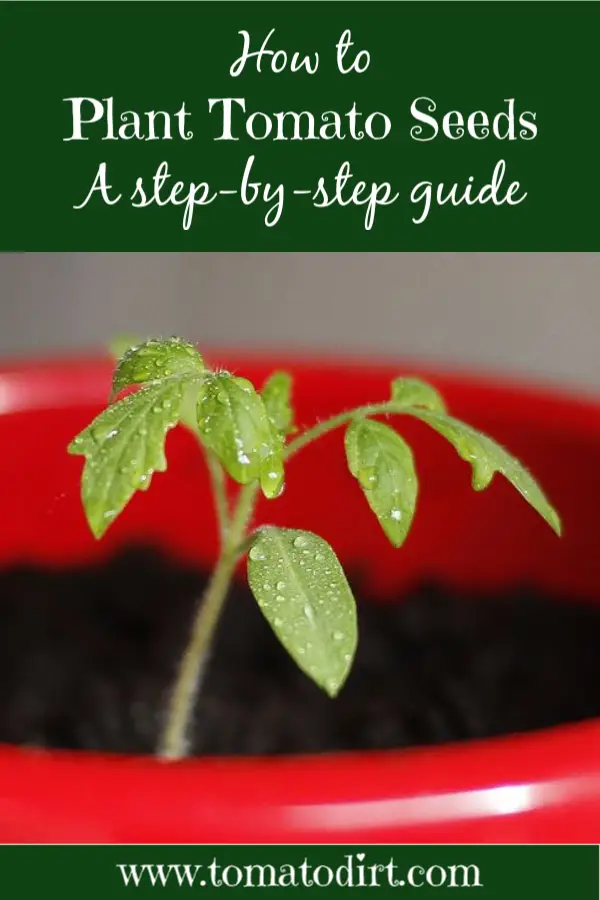
Dreaming of juicy, sun-ripened tomatoes straight from your garden? The journey to that deliciousness starts with a tiny seed. But how many of those little guys do you actually need to plant to ensure a bountiful harvest? Figuring out the right number of tomato seeds to plant is key to avoiding overcrowding, managing resources, and ultimately maximizing your tomato yield. Let's dive in!
How Many Tomato Seeds to Plant: Finding the Sweet Spot
Determininghow many tomato seeds to plant isn't just a matter of throwing a handful in the ground and hoping for the best. Several factors influence the ideal number, including germination rates, available space, and your desired yield. It's all about striking a balance between having enough seedlings to choose from and avoiding unnecessary waste.
Understanding Germination Rates
Before you even think about planting, consider the germination rate of your tomato seeds. Germination rate is the percentage of seeds that are likely to sprout and grow into healthy seedlings. Fresh tomato seeds typically have a high germination rate, often around 75-90%. However, older seeds may have a significantly lower rate. Always check the seed packet for the expiration date and expected germination rate. If you're using saved seeds, it's a good idea to conduct a simple germination test.
Here's how to perform a quick germination test:
- Moisten a paper towel.
- Place 10-20 seeds on the moist paper towel.
- Fold the paper towel over the seeds and place it in a plastic bag.
- Keep the bag in a warm place (around 70-75°F).
- Check the seeds daily, keeping the paper towel moist.
- After 7-14 days, count the number of seeds that have sprouted.
- The percentage of sprouted seeds represents your germination rate.
For example, if you test 20 seeds and 15 sprout, your germination rate is 75%. Armed with this knowledge, you can adjust the number of seeds you plant accordingly. If the germination rate is low, plant more seeds to compensate.
Accounting for Space: Avoiding Overcrowding
Tomatoes need space to thrive. Overcrowding can lead to stunted growth, increased susceptibility to diseases, and reduced fruit production. The amount of space each tomato plant needs depends on the variety. Determinate varieties, which grow to a fixed size and produce all their fruit at once, generally require less space than indeterminate varieties, which continue to grow and produce fruit throughout the season.
Here are some general spacing guidelines:
- Determinate tomatoes: Space plants 1.5-2 feet apart in rows that are 3-4 feet apart.
- Indeterminate tomatoes: Space plants 2-3 feet apart in rows that are 4-5 feet apart.
Consider the ultimate size of the mature plant when planning your spacing. If you're growing tomatoes in containers, choose a pot that is at least 10-15 gallons in size for indeterminate varieties and 5-10 gallons for determinate varieties. One easy way to start your tomato seeds indoors is with an aeroponic system, like the Ahopegarden Indoor Garden Hydroponics Growing System with 10 Pods Plant Germination Kit. Check out this indoor garden hydroponics growing system: https://amzn.to/3RPpa Sk.
Considering Desired Yield: How Many Tomatoes Do You Want?
Think about how many tomatoes you want to harvest. Do you want enough for fresh eating, canning, sauces, or all of the above? The number of plants you need will depend on your consumption needs and the productivity of the tomato variety you choose. A healthy tomato plant can produce anywhere from 10 to 20 pounds of tomatoes or more, depending on the variety and growing conditions. Keep in mind that some varieties are more productive than others. Heirloom varieties, while prized for their flavor, may not be as prolific as modern hybrid varieties.
The "One Seed Per Cell" Approach
A common and generally recommended approach is to plant one seed per cell in a seed starting tray or small pot. This allows each seedling to develop without competition and makes transplanting easier. This method also allows you to easily thin out weaker seedlings, ensuring that only the strongest plants are transplanted into your garden.
Here's a simple strategy for determining how many seeds to plant:
- Determine the number of tomato plants you want to grow in your garden.
- Multiply that number by 1.25 (or 125%) to account for potential losses due to germination failure or seedling mortality.
- Plant that many seeds, one per cell or pot.
For example, if you want 10 tomato plants, plant 12-13 seeds. This provides a small buffer to ensure you have enough healthy seedlings to transplant.
Starting Tomato Seeds Indoors vs. Directly Sowing
Most gardeners prefer to start tomato seeds indoors 6-8 weeks before the last expected frost. This gives the plants a head start and allows them to develop a strong root system before being transplanted into the garden. Direct sowing of tomato seeds is possible in warmer climates with long growing seasons, but it is generally not recommended in cooler climates.
Starting Indoors: A Detailed Guide
When starting tomato seeds indoors, use a seed starting mix that is lightweight and well-draining. Sow the seeds about ¼ inch deep and keep the soil moist but not waterlogged. Provide a warm environment (70-75°F) for germination. Once the seedlings emerge, provide them with plenty of light, either from a sunny window or a grow light. Transplant the seedlings into larger pots when they have developed their first set of true leaves. Harden off the seedlings before transplanting them into the garden by gradually exposing them to outdoor conditions over a period of 1-2 weeks.
Direct Sowing: A Risky Proposition
Direct sowing of tomato seeds is less reliable than starting them indoors. The soil needs to be warm (at least 60°F) for germination, and the seedlings are more vulnerable to pests and diseases. If you choose to direct sow, plant the seeds about ½ inch deep and keep the soil consistently moist. Thin the seedlings to the desired spacing once they have developed their first set of true leaves.
Troubleshooting Seedling Issues
Even with the best planning, problems can arise. Here are some common issues and how to address them:
- Poor Germination: This can be caused by old seeds, cold soil, or too much or too little moisture. Make sure to use fresh seeds, provide adequate warmth, and keep the soil consistently moist but not waterlogged.
- Leggy Seedlings: This is usually caused by insufficient light. Provide more light, either from a sunny window or a grow light.
- Damping Off: This is a fungal disease that can cause seedlings to rot and die. Prevent damping off by using a sterile seed starting mix, providing good air circulation, and avoiding overwatering.
Summary: Maximizing Your Tomato Harvest
In conclusion, determininghow many tomato seeds to plant involves considering germination rates, available space, and your desired yield. Starting seeds indoors provides a significant advantage, allowing you to control the growing environment and get a head start on the season. By following these guidelines and troubleshooting any issues that arise, you can ensure a bountiful tomato harvest. Remember to choose high-quality seeds, provide adequate care, and enjoy the fruits (or vegetables!) of your labor.