Are you dreaming of juicy, sun-ripened tomatoes bursting with flavor, but lack the space or the time for a traditional garden? Or perhaps you're tired of constantly worrying about whether your tomato plants are getting enough water? Then, the world of self-watering containers might just be your gardening salvation! Let's dive in and explore how you can grow amazing tomatoes using this clever and convenient method. The Magic of Self Watering Containers for Tomato Plants Self-watering containers, sometimes called sub-irrigated planters (SIPs), are designed to provide a consistent and reliable water supply to your plants, minimizing the need for frequent watering and dramatically reducing water waste. For tomato plants, which are known for their thirstiness, this can be a game-changer! The beauty of a tomato plant self watering container lies in its simplicity and efficiency. It essentially creates a mini-reservoir beneath the soil, allowing the plant...
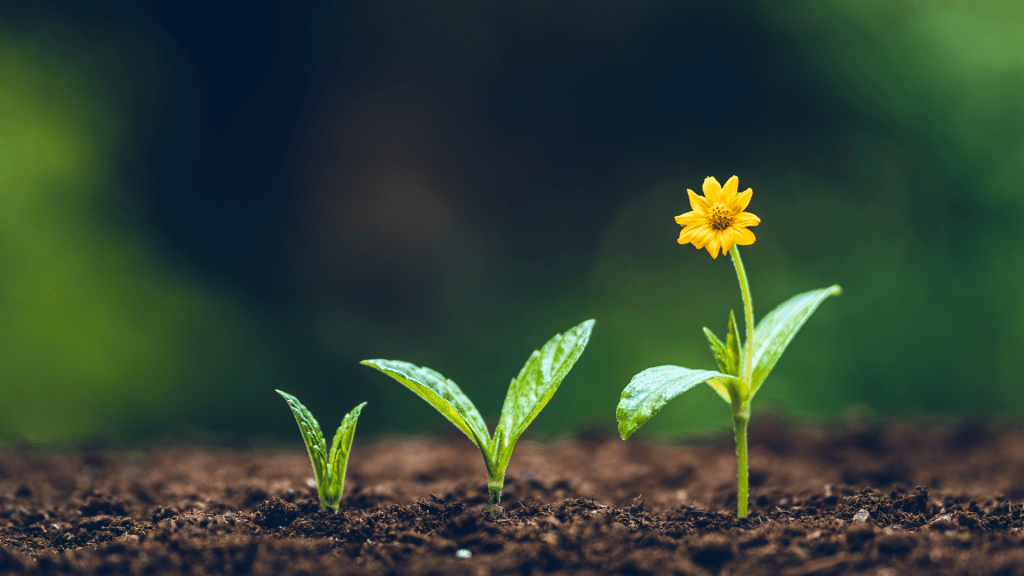
Ever looked at a juicy, ripe tomato and thought, "I wonder if I could grow more of these fromthisvery tomato?" Well, the answer is a resounding YES! It might sound like a crazy science experiment, but growing tomato plants from a tomato is totally possible and a surprisingly rewarding experience. Let's dive into the wonderful world of turning your delicious fruits into a thriving tomato garden.
Growing Tomatoes From Tomatoes: A Step-by-Step Guide
Growing tomato plants from a tomato is simpler than you might think, though it's a bit less predictable than starting from seeds. It's a fun project, especially for beginners, and a great way to learn about the plant life cycle firsthand. Here's a breakdown of the steps involved:
1. Selecting Your Tomato
Choosing the right tomato is crucial for successful tomato plant cultivation. Look for these key characteristics:
- Ripe and Healthy: Select a tomato that is fully ripe – that deep, vibrant color signals maturity. It should also be free from blemishes, bruises, or signs of disease.
- Heirloom Varieties: Heirloom tomatoes often perform better for this method. Heirloom tomato seeds tend to be more stable genetically and are more likely to produce plants that are true to the parent variety. Hybrid tomatoes, on the other hand, may not breed true, meaning the offspring plant may not resemble the original tomato.
- Organic is Best: Choose organically grown tomatoes if possible. This reduces the chance of the tomato having been treated with chemicals that could inhibit germination.
- Avoid Hybrids: While not impossible, growing from hybrid tomatoes might give unexpected results. The resulting plant might not produce tomatoes that are exactly the same as the parent fruit.
Think of it this way: If you use a tomato that's not quite ripe, the seeds inside might not be fully developed and ready to sprout. Using a bruised or diseased tomato could introduce problems to your new plants. Organic and heirloom varieties offer the best chance of success due to their natural properties and seed stability.
2. Preparing the Tomato "Seeds"
Now that you've selected your tomato, it's time to prepare the seeds.Actually, we are going to plant the whole tomato. Here's the method:
- Slice the Tomato: Carefully slice the tomato into thick (approximately ½ inch) rounds.
- Prepare Your Planting Container: Fill a small pot (4-6 inch diameter) with seed-starting mix or a high-quality potting mix. Moisten the soil thoroughly.
- Plant the Slices: Lay the tomato slices flat on top of the soil, spacing them about an inch apart. You can usually fit 2-3 slices in a pot.
- Cover Lightly: Gently cover the tomato slices with a thin layer (about ¼ inch) of soil.
- Water Gently: Water the soil lightly to ensure the tomato slices and surrounding soil are moist but not waterlogged.
Why plant the whole slice instead of just the seeds? Because the pulp surrounding the seeds actually helps with germination. It provides moisture and nutrients, and the fermentation process that occurs as the pulp decomposes can help break down the seed coat, making it easier for the seeds to sprout.
3. Germination and Early Growth
Patience is key! The time it takes for tomato seedlings to emerge can vary, but typically you'll see sprouts within 7-14 days. Here's what to do during this crucial period:
- Maintain Warmth: Tomato seeds germinate best in warm conditions (ideally between 70-80°F). Place the pot in a warm location, such as on top of a refrigerator or near a heat source. You can also use a heat mat designed for seed starting.
- Provide Light: Once the seedlings emerge, they'll need plenty of light. Place the pot under a grow light or in a sunny windowsill that receives at least 6-8 hours of direct sunlight per day. If you're using a windowsill, rotate the pot regularly to prevent the seedlings from leaning towards the light.
- Keep Soil Moist: Keep the soil consistently moist, but not soggy. Water gently when the top inch of soil feels dry. Avoid overwatering, which can lead to damping off, a fungal disease that can kill young seedlings.
- Thin Seedlings: Once the seedlings have developed their first true leaves (the leaves that appear after the initial seed leaves), it's time to thin them out. Choose the strongest, healthiest-looking seedling in each section and carefully snip off the others at soil level. This will give the remaining seedlings enough space and resources to grow.
Damping off is a common problem with seedlings, so it's important to provide good air circulation. You can use a small fan to gently circulate air around the seedlings, which will help prevent fungal growth. Also, avoid overcrowding the seedlings, as this can create a humid environment that encourages damping off.
If you are looking for an efficient way to germinate your seeds, consider an aeroponic growing system. The Ahopegarden Indoor Garden Hydroponics Growing System, also called a 10 Pod Plant Germination Kit Aeroponic Herb Vegetable Growth Lamp Countertop with LED Grow Light, is an excellent option for starting your tomato plants indoors. You can find this hydrophonic planter at https://amzn.to/3RPpa Sk.
4. Transplanting Your Tomato Seedlings
Once your tomato seedlings have grown to be about 6-8 inches tall and have developed several sets of true leaves, they're ready to be transplanted into larger pots or directly into your garden. Here's how to transplant them successfully:
- Harden Off Seedlings: Before transplanting your seedlings outdoors, it's important to "harden them off." This process gradually acclimates them to the outdoor environment, preventing shock. Start by placing the seedlings outdoors in a sheltered location for a few hours each day, gradually increasing the amount of time they spend outside over the course of a week.
- Choose a Sunny Location: Tomatoes need at least 6-8 hours of direct sunlight per day, so choose a location in your garden that receives plenty of sun.
- Prepare the Soil: Tomato plants thrive in well-drained, fertile soil. Amend your garden soil with compost or other organic matter to improve its texture and nutrient content.
- Transplant Carefully: Dig a hole that is slightly larger than the root ball of the seedling. Gently remove the seedling from its pot, being careful not to damage the roots. Place the seedling in the hole and backfill with soil, gently firming it around the base of the plant.
- Water Thoroughly: Water the newly transplanted seedlings thoroughly to help them establish their roots.
- Provide Support: Tomato plants can become quite large and heavy, so it's important to provide them with support. Use stakes, cages, or trellises to keep the plants upright and prevent the fruits from touching the ground.
When transplanting, consider burying the stem of the tomato plant deeper than it was in the pot. Tomato plants can grow roots from their stems, so burying a portion of the stem will encourage stronger root growth. Also, space your tomato plants appropriately to allow for good air circulation. This will help prevent disease. Determinate varieties need less space and can be about 2-3 feet apart, and indeterminate varieties need more space, around 3-4 feet apart. Indeterminate tomatoes require staking, so plan for that as well.
Tips and Tricks for Successful Tomato Growing from Tomatoes
Here are some additional tips to help you grow thriving tomato plants from your store-bought tomatoes:
- Choose the Right Time of Year: Start your tomato seeds indoors about 6-8 weeks before the last expected frost in your area. This will give the seedlings plenty of time to grow before it's warm enough to transplant them outdoors.
- Use a Good Quality Potting Mix: Starting with the right medium helps with drainage and nutrient availability. Look for a mix specifically designed for seed starting.
- Fertilize Regularly: Tomato plants are heavy feeders and need regular fertilization to produce abundant fruit. Use a fertilizer that is specifically formulated for tomatoes, following the instructions on the label.
- Water Consistently: Tomatoes need consistent watering, especially during hot, dry weather. Water deeply and regularly, aiming to keep the soil consistently moist but not waterlogged.
- Control Pests and Diseases: Tomato plants are susceptible to a variety of pests and diseases. Monitor your plants regularly for signs of problems and take action promptly. Common pests include aphids, tomato hornworms, and whiteflies. Common diseases include early blight, late blight, and blossom end rot.
- Pinch off Suckers: Tomato plants produce "suckers," which are small shoots that grow in the crotch between the main stem and the branches. Pinching off these suckers will encourage the plant to put more energy into producing fruit.
Blossom end rot, a common problem with tomatoes, is caused by a calcium deficiency. You can prevent blossom end rot by adding calcium to the soil before planting and by watering consistently. You can also use a foliar spray containing calcium to help correct the problem. Also, companion planting can protect your tomato plants, such as basil, marigolds, and carrots.
The Downsides of Growing Tomato Plants from a Tomato
While growing tomato plants from a tomato is a fun and educational experience, it's important to be aware of the potential downsides:
- Disease Transmission: If the tomato you're using is infected with a disease, the disease can be transmitted to the new plants. This is why it's important to select healthy tomatoes.
- Variable Results: As mentioned earlier, growing from hybrid tomatoes can lead to variable results. The offspring plant may not produce tomatoes that are exactly the same as the parent fruit.
- Lower Germination Rates: The germination rates may be lower compared to starting from commercially produced seeds. This is because the seeds inside the tomato may not be as mature or viable as those that are specifically harvested for seed production.
Despite these potential downsides, growing tomato plants from a tomato is still a worthwhile endeavor. It's a great way to learn about plant propagation and to save money on seeds. Just be sure to select healthy tomatoes, be aware of the potential for disease transmission, and don't be discouraged if your germination rates are lower than expected.
Enjoying Your Homegrown Tomatoes
There's nothing quite like the taste of a homegrown tomato! Once your tomato plants start producing fruit, you'll be rewarded with delicious, juicy tomatoes that are far superior to anything you can buy in the store. Use your homegrown tomatoes in salads, sauces, sandwiches, or simply enjoy them fresh off the vine. Growing tomato plants from a tomato is a fun and rewarding experience that will bring you closer to nature and provide you with a bountiful harvest of delicious fruit.