Are you dreaming of juicy, sun-ripened tomatoes bursting with flavor, but lack the space or the time for a traditional garden? Or perhaps you're tired of constantly worrying about whether your tomato plants are getting enough water? Then, the world of self-watering containers might just be your gardening salvation! Let's dive in and explore how you can grow amazing tomatoes using this clever and convenient method. The Magic of Self Watering Containers for Tomato Plants Self-watering containers, sometimes called sub-irrigated planters (SIPs), are designed to provide a consistent and reliable water supply to your plants, minimizing the need for frequent watering and dramatically reducing water waste. For tomato plants, which are known for their thirstiness, this can be a game-changer! The beauty of a tomato plant self watering container lies in its simplicity and efficiency. It essentially creates a mini-reservoir beneath the soil, allowing the plant...
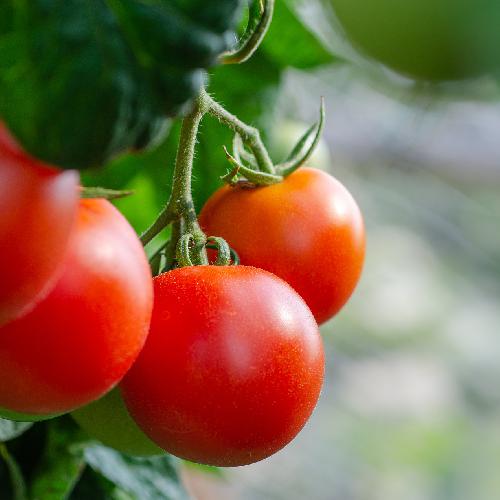
Imagine biting into a sun-ripened tomato, its juicy sweetness bursting in your mouth. That incredible flavor, grown right in your backyard, is closer than you think! Let's explore the amazing world of Trip L Crop Tomato Seeds and how they can transform your gardening dreams into a delicious reality.
Understanding Trip L Crop Tomato Seeds: What Makes Them Special?
Trip L Crop Tomato Seeds are renowned for producing abundant harvests of flavorful, large tomatoes. This variety is a favorite among home gardeners and commercial growers alike, thanks to its disease resistance, adaptability, and consistently high yields. But what exactly contributes to their impressive performance? Let's delve into some key characteristics:
- High Yield: As the name suggests, Trip L Crop tomatoes are known for their exceptional productivity. You can expect to harvest a significant number of large, juicy tomatoes from each plant, making them ideal for canning, sauces, or simply enjoying fresh.
- Disease Resistance: These seeds are bred to exhibit resistance to common tomato diseases, such as Fusarium wilt and Verticillium wilt. This inherent resilience reduces the need for pesticides and ensures healthier, more productive plants.
- Large Fruit Size: Trip L Crop tomatoes typically produce fruits weighing between 10-16 ounces, making them perfect for slicing, sandwiches, and salads. Their impressive size also makes them a standout at farmers' markets.
- Adaptability: This variety is relatively adaptable to different growing conditions, making it a good choice for gardeners in various climates. They perform well in both warm and moderately cool environments, although they thrive with plenty of sunshine.
- Flavor Profile: Trip L Crop tomatoes offer a classic tomato flavor profile, characterized by a balanced sweetness and acidity. They are delicious eaten raw or cooked, lending themselves well to a variety of culinary applications.
One of the best things about these seeds is how reliable they are, providing a consistently great yield. Trip L Crop Tomato Seeds are often praised for their robust growth habits and ability to withstand common gardening challenges. They are generally considered an indeterminate variety, which means they continue to grow and produce fruit throughout the growing season, requiring staking or caging for support.
Tips for Growing Trip L Crop Tomatoes from Seed
Successfully growing Trip L Crop tomatoes starts with understanding the best practices for seed starting and plant care. Follow these tips for optimal results:
Starting Seeds Indoors
Starting your tomato seeds indoors gives them a head start and allows you to control the growing environment, especially in regions with shorter growing seasons. Here's how to do it:
- Timing: Start your seeds 6-8 weeks before the last expected frost in your area. This allows the seedlings enough time to develop before transplanting them outdoors.
- Materials: You'll need seed starting trays or small pots, seed starting mix, a spray bottle, and a heat mat (optional). Seed starting mix is specifically formulated to provide the right nutrients and drainage for young seedlings.
- Sowing: Sow the seeds about ¼ inch deep in the seed starting mix. Gently water the soil using a spray bottle to avoid disturbing the seeds.
- Environment: Place the trays or pots in a warm location with consistent temperatures around 70-75°F (21-24°C). A heat mat can help maintain the ideal soil temperature for germination.
- Light: Once the seedlings emerge, provide them with plenty of light. A grow light is ideal, but a sunny windowsill can also work if supplemented with artificial light.
- Watering: Keep the soil consistently moist but not waterlogged. Allow the top of the soil to dry slightly between waterings.
- Hardening Off: Before transplanting your seedlings outdoors, gradually acclimate them to the outdoor environment. This process, known as hardening off, involves exposing the seedlings to increasing amounts of sunlight and wind over a period of 1-2 weeks. Start by placing them outdoors for an hour or two each day, gradually increasing the time until they can tolerate a full day outdoors.
Hardening off is crucial for preventing transplant shock and ensuring the seedlings adapt successfully to their new environment.
Transplanting and Growing Outdoors
Once your seedlings are hardened off and the danger of frost has passed, it's time to transplant them into your garden. Follow these steps for a successful transplant:
- Location: Choose a sunny location with well-drained soil. Trip L Crop tomatoes need at least 6-8 hours of direct sunlight per day.
- Soil Preparation: Amend the soil with compost or other organic matter to improve drainage and fertility. Tomatoes prefer slightly acidic soil with a p H between 6.0 and
6.8.
- Spacing: Space the plants 24-36 inches apart to allow for adequate air circulation and growth.
- Planting: Dig a hole slightly larger than the root ball of the seedling. Gently remove the seedling from its container and place it in the hole. Backfill with soil and water thoroughly.
- Staking or Caging: Trip L Crop tomatoes are indeterminate and require support to prevent the plants from sprawling on the ground. Use stakes, cages, or trellises to support the plants and keep the fruit off the ground.
- Watering and Fertilizing: Water the plants regularly, especially during hot, dry weather. Fertilize the plants with a balanced tomato fertilizer every 4-6 weeks, following the manufacturer's instructions.
- Pruning: Prune the plants to remove suckers, which are small shoots that grow between the main stem and the branches. Pruning helps improve air circulation, reduces disease risk, and encourages the development of larger, more flavorful tomatoes.
Consistent care and attention are key to maximizing the yield and quality of your Trip L Crop tomato plants. Remember to monitor your plants regularly for signs of pests or diseases and take appropriate action as needed.
Troubleshooting Common Problems with Trip L Crop Tomato Plants
Even with the best care, tomato plants can sometimes encounter problems. Here are some common issues and how to address them:
- Blossom End Rot: This condition causes the bottom of the tomato to develop a dark, leathery spot. It is usually caused by a calcium deficiency or inconsistent watering. To prevent blossom end rot, ensure consistent watering and amend the soil with calcium-rich amendments like crushed eggshells or bone meal.
- Tomato Hornworms: These large, green caterpillars can quickly defoliate tomato plants. Handpick them off the plants or use a biological insecticide like Bacillus thuringiensis (Bt).
- Aphids: These small, sap-sucking insects can weaken tomato plants. Spray them off with a strong stream of water or use insecticidal soap.
- Early Blight: This fungal disease causes dark, circular spots on the leaves, starting from the bottom of the plant. Remove infected leaves and apply a fungicide if necessary.
Regularly inspecting your tomato plants can help you identify and address problems early, minimizing damage and ensuring a healthy harvest.
Maximizing Your Trip L Crop Tomato Yield
To truly maximize your tomato harvest, consider these advanced techniques:
- Companion Planting: Plant basil, marigolds, or other beneficial plants near your tomatoes to deter pests and attract pollinators. Basil, in particular, is known to improve the flavor of tomatoes.
- Mulching: Apply a layer of mulch around the base of the plants to conserve moisture, suppress weeds, and regulate soil temperature.
- Watering Techniques: Water deeply and less frequently, rather than shallowly and often. This encourages deep root growth and makes the plants more drought-tolerant. Drip irrigation is an excellent option for delivering water directly to the roots.
- Pollination: While tomatoes are self-pollinating, gently shaking the plants or using a small brush to transfer pollen can improve fruit set, especially during hot or humid weather.
By implementing these techniques, you can create an optimal growing environment for your Trip L Crop tomato plants and enjoy an even more abundant harvest.
Cooking and Preserving Your Trip L Crop Tomato Harvest
Once you've harvested your bountiful crop of Trip L Crop tomatoes, the possibilities are endless! Here are some ideas for using and preserving your harvest:
- Fresh Eating: Slice them for sandwiches, salads, or bruschetta. The large size and delicious flavor make them a perfect addition to any meal.
- Sauces: Use them to make homemade tomato sauce, marinara sauce, or salsa. The rich flavor and high yield make them ideal for preserving in jars or freezing.
- Canning: Can whole tomatoes, diced tomatoes, or tomato juice for long-term storage. Canning is a great way to enjoy your harvest throughout the year.
- Freezing: Freeze whole tomatoes, tomato slices, or tomato puree for later use in soups, stews, or sauces.
- Drying: Dry tomato slices in a dehydrator or oven to create sun-dried tomatoes. They can be used in pasta dishes, salads, or as a flavorful snack.
Experiment with different recipes and preservation methods to make the most of your Trip L Crop tomato harvest. From fresh salads to hearty sauces, the possibilities are endless!
Speaking of fresh ingredients, have you considered growing herbs and lettuce indoors year-round? You can achieve that with an indoor garden system. TheAhopegarden Indoor Garden Hydroponics Growing System, a ten-pod germination kit equipped with an LED grow light, allows you to harvest fresh lettuce and herbs right on your countertop. You can explore the features of this hydrophonic planter via this link:https://amzn.to/3RPpa Sk.
Where to Buy Trip L Crop Tomato Seeds
You can typically find Trip L Crop Tomato Seeds at local garden centers, nurseries, and online seed retailers. Look for reputable seed suppliers to ensure you are getting high-quality, viable seeds. Some popular online retailers include:
- Amazon
- Etsy
- Burpee
- Johnny's Selected Seeds
Be sure to read reviews and compare prices before making your purchase. Consider buying from suppliers who offer guarantees or warranties on their seeds.
Final Thoughts on Trip L Crop Tomato Seeds
Growing Trip L Crop tomatoes from seed is a rewarding experience that can provide you with an abundant harvest of delicious, high-quality tomatoes. With a little planning, preparation, and care, you can enjoy fresh, homegrown tomatoes all season long. Whether you're a seasoned gardener or a beginner, Trip L Crop tomatoes are a great choice for your garden. So, grab a packet of seeds, get your hands dirty, and enjoy the fruits (or vegetables!) of your labor! Happy gardening!