Are you dreaming of juicy, sun-ripened tomatoes bursting with flavor, but lack the space or the time for a traditional garden? Or perhaps you're tired of constantly worrying about whether your tomato plants are getting enough water? Then, the world of self-watering containers might just be your gardening salvation! Let's dive in and explore how you can grow amazing tomatoes using this clever and convenient method. The Magic of Self Watering Containers for Tomato Plants Self-watering containers, sometimes called sub-irrigated planters (SIPs), are designed to provide a consistent and reliable water supply to your plants, minimizing the need for frequent watering and dramatically reducing water waste. For tomato plants, which are known for their thirstiness, this can be a game-changer! The beauty of a tomato plant self watering container lies in its simplicity and efficiency. It essentially creates a mini-reservoir beneath the soil, allowing the plant...
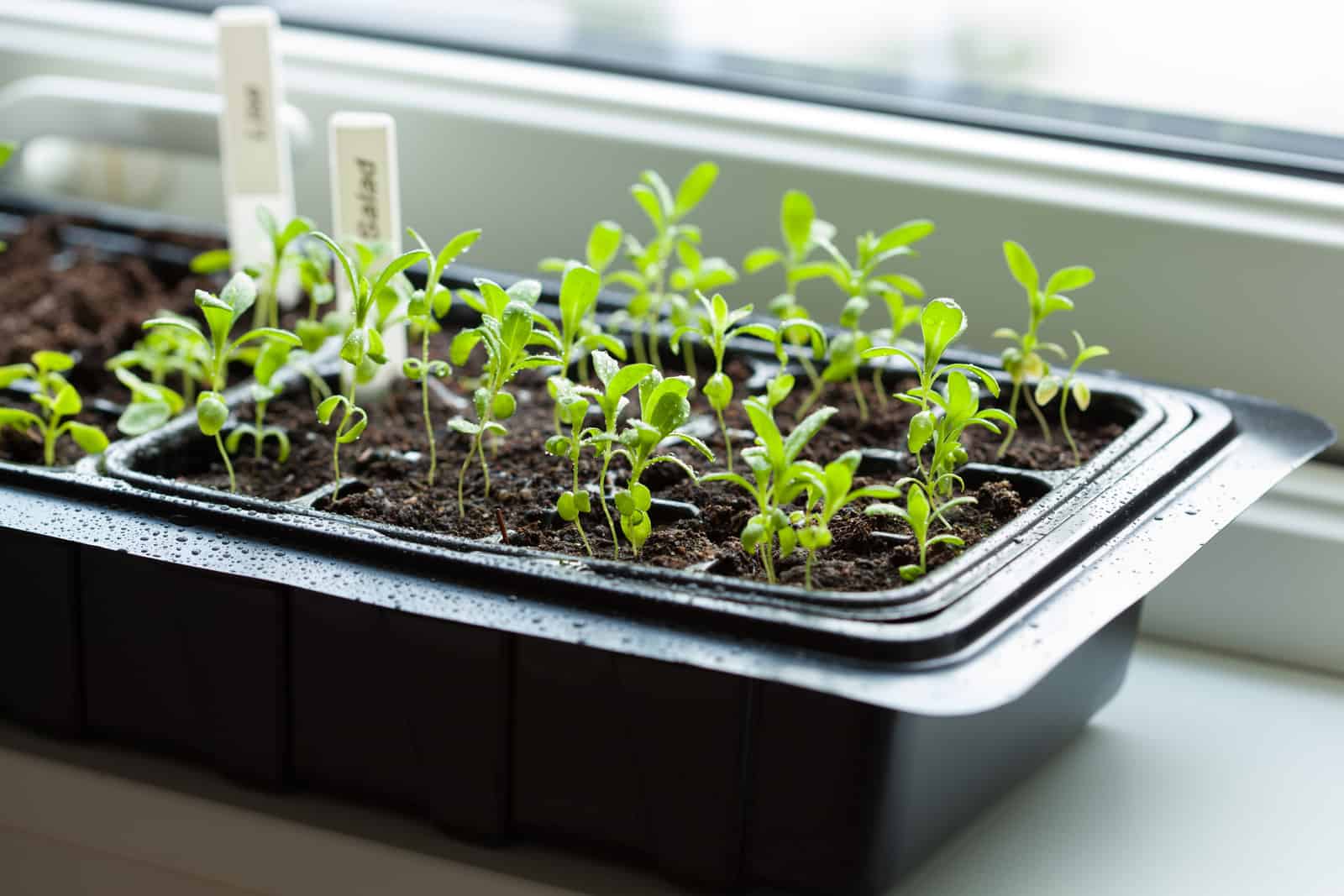
Dreaming of sun-ripened, juicy tomatoes bursting with flavor, picked fresh from your own garden? It all starts with the tiny, unassuming tomato seed. But before you toss them in the ground and hope for the best, understanding the nuances of tomato seed instructions can make all the difference between a bountiful harvest and a disappointing yield. Let's dive into the secrets of successful tomato seed starting!
Understanding Tomato Seed Instructions: A Comprehensive Guide
Growing tomatoes from seed can seem daunting, but with a little knowledge and patience, it's a rewarding experience. This guide aims to provide a comprehensive breakdown of tomato seed instructions, ensuring you have the best chance of success, from planting to harvest. We'll cover everything from choosing the right seeds to troubleshooting common problems. Remember, every seed packet tells a story – understanding that story is key!
Choosing the Right Tomato Seeds
The first step in successful tomato growing is selecting the right seeds. There are literally hundreds of tomato varieties, each with its own unique characteristics. Consider your climate, growing space, and personal preferences when making your selection. For example, if you live in a cooler climate with a short growing season, you'll want to choose varieties that mature quickly, such as Early Girl or Siberian. If you have limited space, consider compact bush varieties like Patio or Roma.
Here's a breakdown of factors to consider:
Climate: Determine your growing zone to choose tomato varieties suited to your area's temperature and sunlight conditions. Space: If you have a small garden or container garden, opt for determinate or bush varieties. If you have ample space, indeterminate or vining varieties can be great. Disease Resistance: Look for seeds labeled with disease resistance (e.g., V, F, N, T, A indicate resistance to Verticillium wilt, Fusarium wilt, Nematodes, Tobacco Mosaic Virus, and Alternaria, respectively). Purpose: Consider how you plan to use your tomatoes. Different varieties are better suited for slicing, sauces, canning, or snacking. Days to Maturity:This indicates how long it takes from transplanting the seedlings to harvesting ripe tomatoes. This is crucial for timing your planting schedule.
Don't be afraid to experiment! Try a few different varieties each year to discover your favorites. Consider heirloom varieties for unique flavors and colors, but remember that they might be more susceptible to disease than modern hybrids.
Decoding Tomato Seed Packet Instructions
Once you have your seeds, carefully read the seed packet. This small piece of paper contains a wealth of information crucial for successful germination and growth. Understanding the jargon can be tricky, so let’s break it down.
Key Information on Seed Packets:
Variety Name: This identifies the specific type of tomato. Days to Germination: This indicates how long it typically takes for the seeds to sprout after planting (usually 5-10 days for tomatoes). Days to Maturity: As mentioned earlier, this is the time from transplanting to harvest. Planting Depth: This specifies how deep to sow the seeds (usually about ¼ inch for tomatoes). Spacing: This tells you how far apart to space the plants when transplanting them into your garden. Sunlight Requirements: Tomatoes typically need at least 6-8 hours of direct sunlight per day. Watering Instructions: Consistent watering is essential, especially during fruit development. Disease Resistance: Any disease resistance codes will be listed here. Seed Treatment: Some seeds are treated with fungicides to prevent damping-off. Company Information: The name and contact information of the seed supplier.
Pay close attention to any special instructions specific to your chosen variety. Some varieties may require specific conditions for optimal growth or may be more susceptible to certain diseases.
Starting Tomato Seeds Indoors
Starting tomato seeds indoors is crucial in regions with short growing seasons. It allows you to get a head start on the season and ensures that your plants are strong and healthy before being transplanted outdoors.
Step-by-Step Guide to Starting Tomato Seeds Indoors:
1.Gather Your Supplies: You'll need seed starting trays or pots, seed starting mix (a sterile, lightweight soil mix), tomato seeds, a spray bottle, a heat mat (optional), and a grow light.
2.Prepare Your Seed Starting Trays: Fill the trays with seed starting mix, gently firming it down.
3.Sow the Seeds: Sow 2-3 seeds per cell, about ¼ inch deep.
4.Water Gently: Use a spray bottle to moisten the soil thoroughly. Avoid overwatering, which can lead to damping-off.
5.Provide Warmth: Place the trays on a heat mat to maintain a soil temperature of 75-85°F (24-29°C), which is ideal for germination.
6.Provide Light: Once the seeds have germinated, remove them from the heat mat and place them under a grow light. The light should be positioned a few inches above the seedlings and kept on for 14-16 hours per day.
7.Thin the Seedlings: Once the seedlings have their first true leaves (the second set of leaves), thin them to one seedling per cell.
8.Water Regularly: Keep the soil consistently moist, but not waterlogged. Water from the bottom to prevent damping-off.
9.Fertilize: Once the seedlings have their second set of true leaves, begin fertilizing them weekly with a diluted liquid fertilizer.
Proper lighting is crucial for healthy seedling development. Insufficient light can lead to leggy, weak seedlings. If you don't have a grow light, you can place the seedlings near a sunny window, but be sure to rotate them regularly to ensure even growth.
Transplanting Tomato Seedlings Outdoors
Once the danger of frost has passed and the soil has warmed up, it's time to transplant your tomato seedlings outdoors. This is a crucial step, and proper preparation is essential for success.
Steps for Successfully Transplanting Tomato Seedlings:
1.Harden Off the Seedlings: Before transplanting, gradually acclimate the seedlings to outdoor conditions over a period of 7-10 days. Start by placing them outdoors for a few hours each day in a sheltered location, gradually increasing the amount of time they spend outdoors.
2.Prepare the Planting Site: Choose a sunny location with well-drained soil. Amend the soil with compost or other organic matter to improve fertility and drainage.
3.Dig the Planting Holes: Dig holes that are slightly larger than the root balls of the seedlings.
4.Plant the Seedlings: Gently remove the seedlings from their containers and plant them in the holes. Plant them deep, burying the stem up to the first set of leaves. This will encourage the development of more roots, resulting in stronger plants.
5.Water Thoroughly: Water the seedlings thoroughly after planting.
6.Mulch: Apply a layer of mulch around the plants to help retain moisture, suppress weeds, and regulate soil temperature.
7.Stake or Cage: Provide support for the plants by staking or caging them. This will prevent the branches from breaking under the weight of the fruit.
Case Study: A study by the University of California, Davis, found that transplanting tomato seedlings deeper, burying part of the stem, resulted in a 20% increase in fruit yield compared to planting them at the same depth as they were in the container. This is because the buried stem develops adventitious roots, which help the plant absorb more nutrients and water.
Caring for Tomato Plants
Once your tomato plants are in the ground, regular care is essential for a bountiful harvest. This includes watering, fertilizing, pruning, and pest control.
Essential Tomato Plant Care Tips:
Watering: Water deeply and regularly, especially during dry spells. Avoid overhead watering, which can promote disease. Aim to water at the base of the plant. Fertilizing: Fertilize every 2-3 weeks with a balanced fertilizer. Pruning: Prune suckers (the small shoots that grow between the main stem and the branches) to improve air circulation and encourage fruit production. Pest Control: Monitor your plants regularly for pests and diseases. Take action promptly to prevent infestations from spreading. Common tomato pests include aphids, whiteflies, and tomato hornworms. Sunlight: Ensure your plants receive at least 6-8 hours of direct sunlight per day. Support: Maintain stakes or cages to prevent sprawling and fruit rot.
Fact: Tomatoes are heavy feeders, meaning they require a lot of nutrients to produce fruit. Regular fertilization is crucial for a good harvest. Consider using a fertilizer specifically formulated for tomatoes.
Troubleshooting Common Tomato Problems
Even with the best care, tomato plants can sometimes encounter problems. Here are some common issues and how to address them:
Blossom End Rot: This is caused by a calcium deficiency and results in a dark, leathery spot on the bottom of the fruit. To prevent blossom end rot, ensure consistent watering and amend the soil with calcium before planting. Early Blight: This is a fungal disease that causes dark spots on the leaves. To prevent early blight, provide good air circulation, avoid overhead watering, and apply a fungicide if necessary. Tomato Hornworms: These large green caterpillars can quickly defoliate tomato plants. Handpick them off the plants or use a biological insecticide like Bacillus thuringiensis (Bt). Aphids: These small insects can suck the sap from tomato plants, weakening them. Spray them with insecticidal soap or neem oil.
Quote: "The best fertilizer is the gardener's shadow." – An old gardening saying. This highlights the importance of regular monitoring and early intervention when it comes to addressing tomato plant problems.
Harvesting and Storing Tomatoes
Harvest tomatoes when they are fully ripe and have reached their characteristic color. Gently twist the fruit from the vine, leaving a small piece of stem attached.
Tips for Harvesting and Storing Tomatoes:
Ripeness: Tomatoes should be firm but slightly soft to the touch. Color: The color should be uniform and characteristic of the variety. Storage: Store tomatoes at room temperature, away from direct sunlight. Refrigerating them can affect their flavor and texture. Green Tomatoes: Green tomatoes can be ripened indoors by placing them in a paper bag with a banana or apple.
Congratulations! You've now successfully navigated the world of tomato seed instructions and are well on your way to enjoying a bountiful harvest of homegrown tomatoes. Remember that every garden is different, so be patient, experiment, and learn from your experiences.
For those looking for an easy way to start growing herbs and vegetables indoors, consider theAhopegarden Indoor Garden Hydroponics Growing System. This innovative hydroponic system allows you to grow your favorite plants without soil, using just water and nutrients. Imagine fresh lettuce, herbs, and even cherry tomatoes all year round! You can find this hydroponic planter, perfect for growing herbs and vegetables, here:https://amzn.to/3RPpa Sk.