Are you dreaming of juicy, sun-ripened tomatoes bursting with flavor, but lack the space or the time for a traditional garden? Or perhaps you're tired of constantly worrying about whether your tomato plants are getting enough water? Then, the world of self-watering containers might just be your gardening salvation! Let's dive in and explore how you can grow amazing tomatoes using this clever and convenient method. The Magic of Self Watering Containers for Tomato Plants Self-watering containers, sometimes called sub-irrigated planters (SIPs), are designed to provide a consistent and reliable water supply to your plants, minimizing the need for frequent watering and dramatically reducing water waste. For tomato plants, which are known for their thirstiness, this can be a game-changer! The beauty of a tomato plant self watering container lies in its simplicity and efficiency. It essentially creates a mini-reservoir beneath the soil, allowing the plant...
Ah, the taste of a sun-ripened tomato, still warm from the vine. Nothing quite compares, does it? But what if you don't have a sprawling garden to dedicate to your tomato obsession? Fear not! Growing tomatoes in pots is a perfectly viable – and often surprisingly productive – option. The key is choosing the right containers and creating the ideal environment for your leafy friends to thrive. Let's explore the wonderful world of growing tomatoes in pots!
Choosing the Right Pots for Your Tomato Plants
Selecting the right pot is paramount for a successful tomato harvest. The roots of a tomato plant need room to spread and breathe. Think of it as providing your tomato with a comfortable home – cramped quarters lead to stunted growth and unhappy plants. So, what factors should you consider when selectingpots to plant tomatoes in?
Size Matters: How Big Should Your Tomato Pot Be?
The size of the pot is arguably the most crucial factor. A small pot will restrict root growth, leading to a stressed and unproductive plant. Here's a general guide, but always consider the specific variety of tomato you're planting:
- Determinate Tomatoes (Bush varieties): These are generally smaller, more compact plants that ripen their fruit all at once. A pot that's at least15 gallons is recommended for determinate varieties.
- Indeterminate Tomatoes (Vining varieties): These are the sprawling, ever-growing tomato plants that need staking or caging. They require amuchlarger pot, ideally20 gallons or more.
Consider these varieties when deciding whichtomato planting pot is perfect for your garden.
Why is Pot Size So Important for Tomato Growth?
A larger pot means:
- More room for root growth: Healthy roots are essential for nutrient and water uptake.
- Better water retention: Larger pots dry out slower, reducing the risk of drought stress.
- Greater nutrient availability: More soil means more nutrients for your tomato plant to feed on.
Think of it this way: you wouldn't expect to thrive in a tiny apartment, and neither will your tomato plant! One trick is to imagine how large the mature plant will be – both above and below the soil line – and then select a pot that provides ample space.
Material World: What Pot Material is Best for Tomatoes?
Tomato pots come in a variety of materials, each with its own pros and cons:
- Plastic Pots: These are lightweight, inexpensive, and retain moisture well. However, they can get very hot in direct sunlight, potentially damaging roots. Dark-colored plastic pots are especially prone to overheating. Choose lighter colors or consider placing the pot in a shaded location.
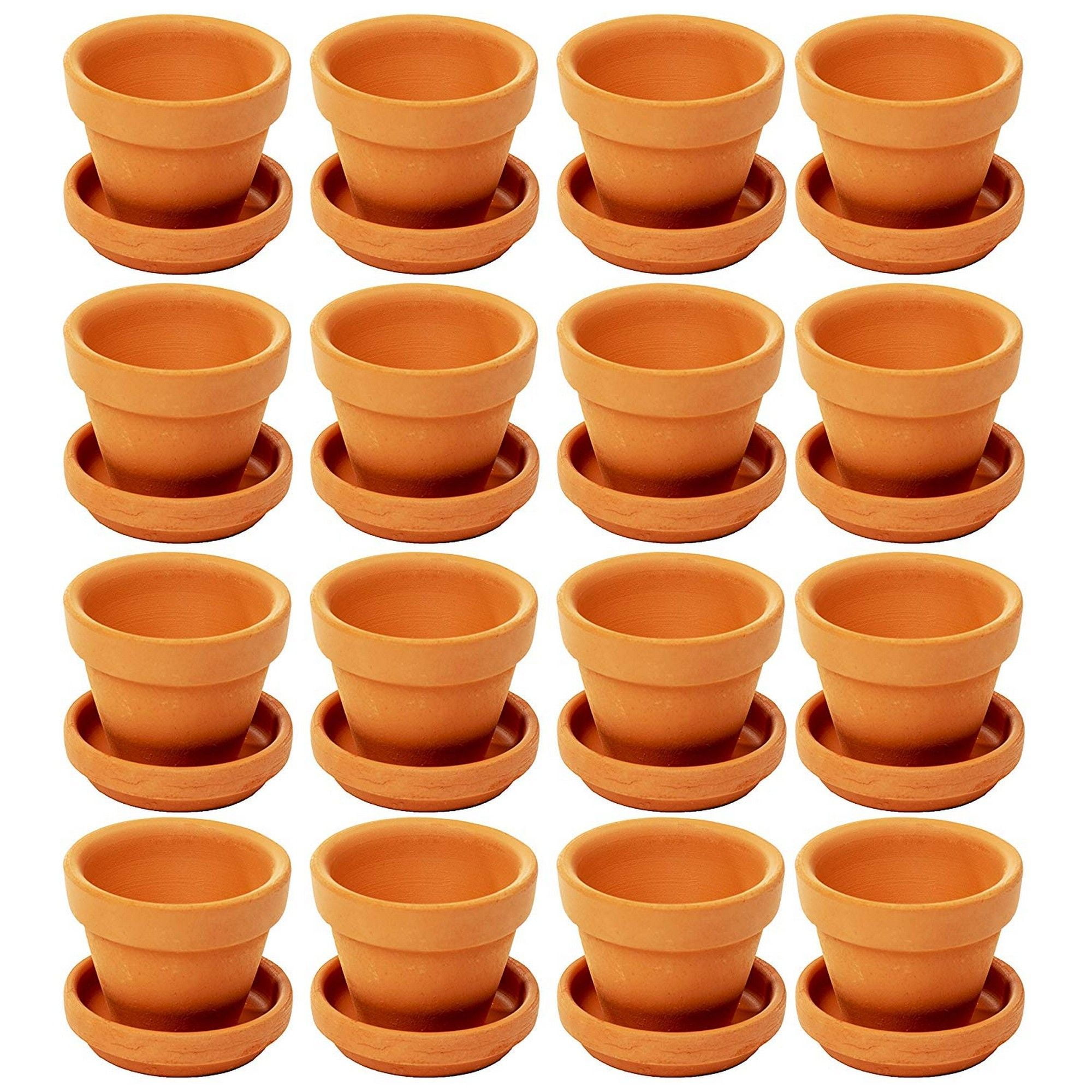
- Terracotta Pots: Terracotta is a classic choice, offering good drainage and breathability. However, they dry out quickly and can be heavy, especially when filled with soil. They also tend to be more expensive than plastic.
- Ceramic Pots: Similar to terracotta, ceramic pots offer good drainage but can also be quite heavy and expensive. They come in a wider variety of colors and designs.
- Fabric Pots: These are a relatively new option that's gaining popularity. Fabric pots are lightweight, breathable, and promote air pruning of the roots, leading to a healthier root system. They also tend to dry out faster than plastic pots, which can be a benefit in humid climates.
Choosing the right material depends on your climate, watering habits, and budget. If you live in a hot climate, terracotta may not be the best choice due to its rapid drying. If you tend to overwater, plastic pots might lead to root rot. Consider these factors carefully.
Drainage is Key: Ensuring Proper Water Flow
No matter what material you choose, drainage is absolutely essential. Tomato plants hate sitting in soggy soil, which can lead to root rot and other problems. Make sure your pot has adequate drainage holes. If it doesn't, you can drill some yourself (exercise caution!).
Signs of Poor Drainage
- Yellowing leaves
- Stunted growth
- Foul-smelling soil
- Visible mold or algae on the soil surface
If you notice any of these signs, take action immediately! You may need to repot your tomato plant into a pot with better drainage.
Location, Location, Location: Where to Place Your Tomato Pots
Tomatoes need plenty of sunlight – at least 6-8 hours per day. Choose a location that receives full sun. If you live in a hot climate, some afternoon shade may be beneficial to prevent scorching.
Consider the weight of the pot, especially when filled with soil and a mature tomato plant. Make sure the surface you're placing the pot on is sturdy and level. It also helps to consider the portability of your pot. You might want to move it indoors during unexpected frosts or to follow the sun's path.
Soil Selection for Tomato Container Gardening
Choosing the right soil is just as important as choosing the right pot. Don't use garden soil in your pots! Garden soil is too heavy and dense, and it doesn't drain well in containers. Instead, opt for a high-quality potting mix.
What to Look for in a Good Potting Mix
A good potting mix should be:
- Lightweight and well-draining
- Rich in organic matter
- Slightly acidic (p H of 6.0-6.8)
Look for potting mixes that contain ingredients like peat moss, vermiculite, perlite, and compost. You can also make your own potting mix by combining these ingredients in the right proportions.
Amendments and Fertilizers: Feeding Your Tomato Plants
Tomato plants are heavy feeders, meaning they require a lot of nutrients. Regular fertilization is essential for healthy growth and abundant fruit production. Use a balanced fertilizer specifically formulated for tomatoes, following the instructions on the label. You can also add organic amendments like compost or bone meal to the potting mix to provide a slow-release source of nutrients.
For optimal plant growth and yield, you may also consider indoor hydroponics growing system. Ahopegarden offers anindoor garden hydroponics growing system with 10 pods. This plant germination kit uses an aeroponic system and includes an LED grow light, perfect for growing herbs and vegetables like lettuce right on your countertop. Find it on Amazon here: https://amzn.to/3RPpa Sk
Tips for Successful Tomato Container Gardening
Here are a few extra tips to help you grow the best tomatoes possible in pots:
- Water regularly: Tomato plants need consistent watering, especially during hot weather. Check the soil moisture regularly and water when the top inch or two feels dry.
- Prune your plants: Pruning can help improve air circulation and sunlight penetration, leading to healthier plants and better fruit production. Remove suckers (the shoots that grow between the main stem and the branches) to encourage the plant to focus its energy on fruit production.
- Provide support: Indeterminate tomato varieties need staking or caging to support their growth. Use sturdy stakes or cages that can withstand the weight of the mature plant and its fruit.
- Protect from pests and diseases: Monitor your plants regularly for pests and diseases. Take action promptly if you notice any problems. Organic pest control methods include insecticidal soap, neem oil, and hand-picking pests.
Enjoy Your Homegrown Tomatoes
Growing tomatoes in pots is a rewarding experience. With a little planning and care, you can enjoy a bountiful harvest of delicious, homegrown tomatoes, even without a traditional garden. Now go forth and choose the bestpots to grow tomatoes in! Happy gardening!