Are you dreaming of juicy, sun-ripened tomatoes bursting with flavor, but lack the space or the time for a traditional garden? Or perhaps you're tired of constantly worrying about whether your tomato plants are getting enough water? Then, the world of self-watering containers might just be your gardening salvation! Let's dive in and explore how you can grow amazing tomatoes using this clever and convenient method. The Magic of Self Watering Containers for Tomato Plants Self-watering containers, sometimes called sub-irrigated planters (SIPs), are designed to provide a consistent and reliable water supply to your plants, minimizing the need for frequent watering and dramatically reducing water waste. For tomato plants, which are known for their thirstiness, this can be a game-changer! The beauty of a tomato plant self watering container lies in its simplicity and efficiency. It essentially creates a mini-reservoir beneath the soil, allowing the plant...
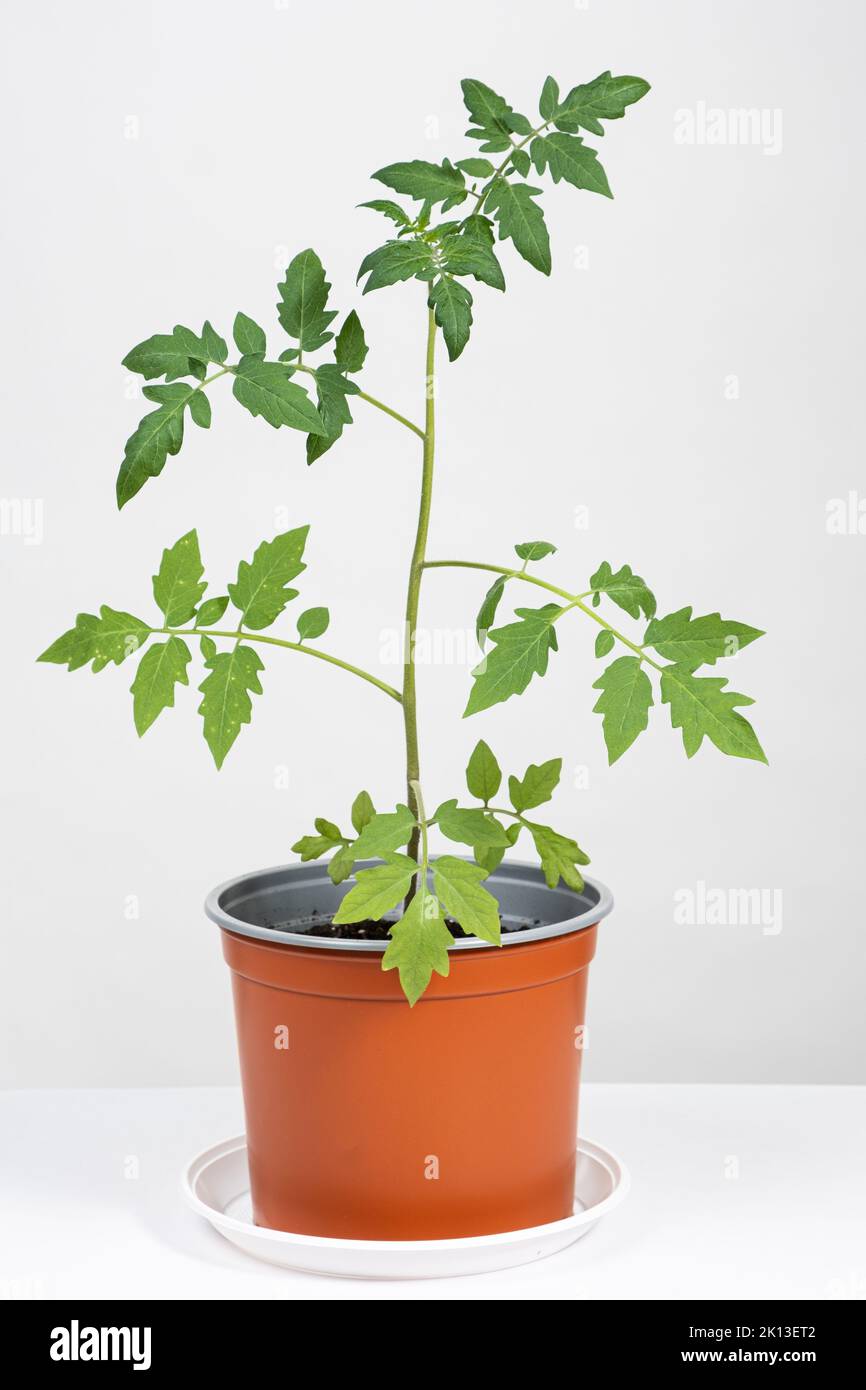
There's nothing quite like biting into a sun-warmed, juicy, homegrown tomato. The flavor is simply unmatched by anything you can find in a grocery store. And the best part? Growing your own tomatoes from seed is a rewarding experience that's easier than you might think! So, grab your gardening gloves, and let's get started on this delicious journey!
How To Grow Tomatoes From Seeds Step By Step: A Comprehensive Guide
Getting Started: Preparing to Grow Tomatoes from Seeds
The first step in learning how to grow tomato plants from seeds is preparation. This involves everything from gathering the right supplies to understanding the optimal timing for planting. Let’s break it down:
Choosing the Right Tomato Variety
Tomato varieties are incredibly diverse! Consider these factors when making your selection:
- Determinate vs. Indeterminate: Determinate varieties grow to a specific size and produce most of their fruit at once, making them ideal for canning. Indeterminate varieties continue to grow and produce fruit throughout the season, offering a continuous harvest.
- Fruit Size: Do you prefer cherry tomatoes, plum tomatoes, or large beefsteak tomatoes? Think about how you plan to use your harvest.
- Disease Resistance: Look for varieties that are resistant to common tomato diseases in your area, such as Fusarium wilt or Verticillium wilt. Seed packets often indicate disease resistance with abbreviations like "F" or "V".
- Days to Maturity: This indicates how long it will take for the plant to produce ripe fruit after transplanting. Choose varieties that fit your growing season.
Some popular and reliable tomato varieties include:
- 'Roma': A determinate, plum tomato perfect for sauces.
- 'Beefsteak': A large, indeterminate tomato ideal for slicing.
- 'Cherry': Small, sweet, and prolific.
- 'Early Girl': Matures quickly, good for short seasons.
Gathering Your Supplies
You'll need the following supplies to successfully grow tomatoes from seeds:
- Tomato Seeds: Purchase high-quality seeds from a reputable source.
- Seed Starting Mix: This is a sterile, lightweight mix specifically designed for starting seeds. Avoid using garden soil, which can be too heavy and may contain pathogens.
- Seed Starting Trays or Containers: You can use plastic seed starting trays, peat pots, or even recycled containers like yogurt cups (with drainage holes).
- Humidity Dome (Optional): This helps maintain consistent moisture levels, which is crucial for germination.
- Grow Lights: Tomato seedlings need bright light to grow strong and healthy. A shop light with fluorescent bulbs or LED grow lights are excellent choices.
- Heat Mat (Optional): This can speed up germination by providing bottom heat.
- Watering Can or Spray Bottle: Use a gentle watering method to avoid disturbing the seeds and seedlings.
- Labels: Label your trays with the tomato variety and planting date.
Timing is Everything: When to Start Your Tomato Seeds
The ideal time to start your tomato seeds indoors depends on your local climate and the "days to maturity" of the variety you've chosen. A general rule of thumb is to start seeds6-8 weeks before the last expected frost. To determine your last frost date, consult your local weather service or gardening resources. Starting too early can result in leggy, weak seedlings, while starting too late will shorten your growing season. As an alternative to starting seeds indoors, consider investing in an indoor hydroponics system. The Ahopegarden Indoor Garden Hydroponics Growing System, a 10-pod plant germination kit with LED grow light, would be a fantastic alternative to explore and is available here: https://amzn.to/3RPpa Sk. With thishydroponic planter grower, you can efficiently harvest lettuce and herbs while sidestepping many traditional seed-starting challenges.
Planting Your Tomato Seeds
Now that you've gathered your supplies and determined the right timing, it's time to plant your tomato seeds! Follow these steps carefully:
Preparing Your Seed Starting Containers
Fill your seed starting trays or containers with seed starting mix. Gently tap the containers to settle the mix, but don't pack it down too tightly. Moisten the mix thoroughly with water before planting. This will ensure that the seeds have access to moisture right from the start.
Sowing the Seeds
Sow the tomato seeds about1/4 inch deep in the seed starting mix. Place2-3 seeds per cell or container. This increases the chances of at least one seed germinating in each cell. Cover the seeds lightly with the seed starting mix and gently water again. Label each tray clearly with the variety and date planted.
Providing the Ideal Germination Environment
Place the seed starting trays in a warm location, ideally between70-80°F (21-27°C). A heat mat can be helpful in maintaining this temperature. Cover the trays with a humidity dome to retain moisture. If you don't have a humidity dome, you can cover the trays with plastic wrap. Place the trays under grow lights, keeping the lights a few inches above the soil surface. The lights should be on for 14-16 hours per day. Check the soil moisture daily and water gently as needed to keep the mix consistently moist but not soggy.
Caring for Tomato Seedlings
Once your tomato seeds have germinated, it's crucial to provide them with the right care to ensure they grow into strong, healthy seedlings. Here’s how to nurture your young tomato plants:
Providing Adequate Light
Light is essential for seedling development. Once the seedlings emerge, ensure they receive adequate light. Adjust the grow lights as the seedlings grow, keeping them a few inches above the top of the plants. If you're using a windowsill, rotate the trays regularly to prevent the seedlings from leaning towards the light.
Watering and Fertilizing
Water the seedlings when the top inch of soil feels dry to the touch. Avoid overwatering, which can lead to root rot. Use a gentle watering can or spray bottle to water the seedlings. Once the seedlings have developed their first true leaves (the second set of leaves), you can start fertilizing them with a diluted liquid fertilizer specifically formulated for seedlings. Follow the instructions on the fertilizer label for application rates.
Thinning Seedlings
If you planted multiple seeds per cell, you'll need to thin the seedlings to ensure that only one healthy seedling remains in each cell. Once the seedlings have developed their first true leaves, select the strongest seedling in each cell and carefully snip off the other seedlings at the soil level using small scissors. Avoid pulling the seedlings out, as this can disturb the roots of the remaining seedling.
Hardening Off Seedlings
Before transplanting your tomato seedlings outdoors, you need to "harden them off". This process gradually acclimates the seedlings to outdoor conditions, reducing transplant shock. Start by placing the seedlings outdoors in a sheltered location for a few hours each day. Gradually increase the amount of time they spend outdoors over the course of a week or two. Protect the seedlings from direct sunlight, strong winds, and frost. This process is vital for strong tomato growing from seed.
Transplanting Tomato Seedlings Outdoors
After hardening off, your tomato seedlings are ready to be transplanted into the garden. Choose a sunny location with well-drained soil. Here's what to do:
Preparing the Garden Bed
Prepare the garden bed by amending the soil with compost or other organic matter. Tomato plants prefer slightly acidic soil with a p H of 6.0-6.8. If your soil is heavy clay or sandy, amend it to improve drainage and fertility. Space the tomato plants2-3 feet apart in rows that are*3-4 feet apart. This allows for adequate air circulation and prevents overcrowding.
Planting the Seedlings
Dig a hole that is slightly larger than the root ball of the seedling. Gently remove the seedling from its container, being careful not to damage the roots. Place the seedling in the hole and backfill with soil. Bury the stem of the tomato plant up to the first set of leaves. This encourages the development of additional roots along the stem, resulting in a stronger plant. Water the transplanted seedlings thoroughly.
Providing Support
Tomato plants, especially indeterminate varieties, need support to prevent the fruit from weighing down the plants and causing them to break. Provide support by staking, caging, or trellising the plants. Staking involves driving a stake into the ground next to the plant and tying the stem to the stake. Caging involves placing a wire cage around the plant. Trellising involves training the plant to grow along a trellis. Choose the support method that works best for you and your garden.
Ongoing Care for Your Tomato Plants
Once your tomato plants are in the garden, continue to provide them with the care they need to thrive. This includes watering, fertilizing, pruning, and pest control.
Watering
Water tomato plants deeply and regularly, especially during dry periods. Water at the base of the plant to avoid wetting the foliage, which can lead to disease. Aim to water deeply once or twice a week, providing the plants with about 1-2 inches of water per week.
Fertilizing
Fertilize tomato plants every few weeks with a balanced fertilizer or a fertilizer specifically formulated for tomatoes. Follow the instructions on the fertilizer label for application rates. Avoid over-fertilizing, which can lead to excessive foliage growth and reduced fruit production.
Pruning
Pruning tomato plants can improve air circulation, promote fruit production, and prevent disease. Prune suckers, which are small shoots that grow in the crotch between the main stem and a branch. Remove the suckers regularly to encourage the plant to focus its energy on fruit production. For determinate varieties, minimal pruning is required. For indeterminate varieties, regular pruning is essential.
Pest and Disease Control
Monitor your tomato plants regularly for pests and diseases. Common tomato pests include aphids, tomato hornworms, and whiteflies. Common tomato diseases include early blight, late blight, and blossom end rot. Treat pests and diseases promptly to prevent them from spreading. Use organic pest control methods whenever possible, such as insecticidal soap or neem oil. Ensure the steps for growing tomatoes from seeds are followed closely to prevent plant loss.
Harvesting and Enjoying Your Homegrown Tomatoes
The moment you've been waiting for – harvesting your homegrown tomatoes! Tomatoes are typically ready to harvest when they are fully colored, slightly soft to the touch, and easily detach from the vine. Gently twist the tomato off the vine to avoid damaging the plant. Enjoy your homegrown tomatoes fresh from the garden or use them in your favorite recipes. From salads and sandwiches to sauces and salsas, the possibilities are endless!