Are you dreaming of juicy, sun-ripened tomatoes bursting with flavor, but lack the space or the time for a traditional garden? Or perhaps you're tired of constantly worrying about whether your tomato plants are getting enough water? Then, the world of self-watering containers might just be your gardening salvation! Let's dive in and explore how you can grow amazing tomatoes using this clever and convenient method. The Magic of Self Watering Containers for Tomato Plants Self-watering containers, sometimes called sub-irrigated planters (SIPs), are designed to provide a consistent and reliable water supply to your plants, minimizing the need for frequent watering and dramatically reducing water waste. For tomato plants, which are known for their thirstiness, this can be a game-changer! The beauty of a tomato plant self watering container lies in its simplicity and efficiency. It essentially creates a mini-reservoir beneath the soil, allowing the plant...
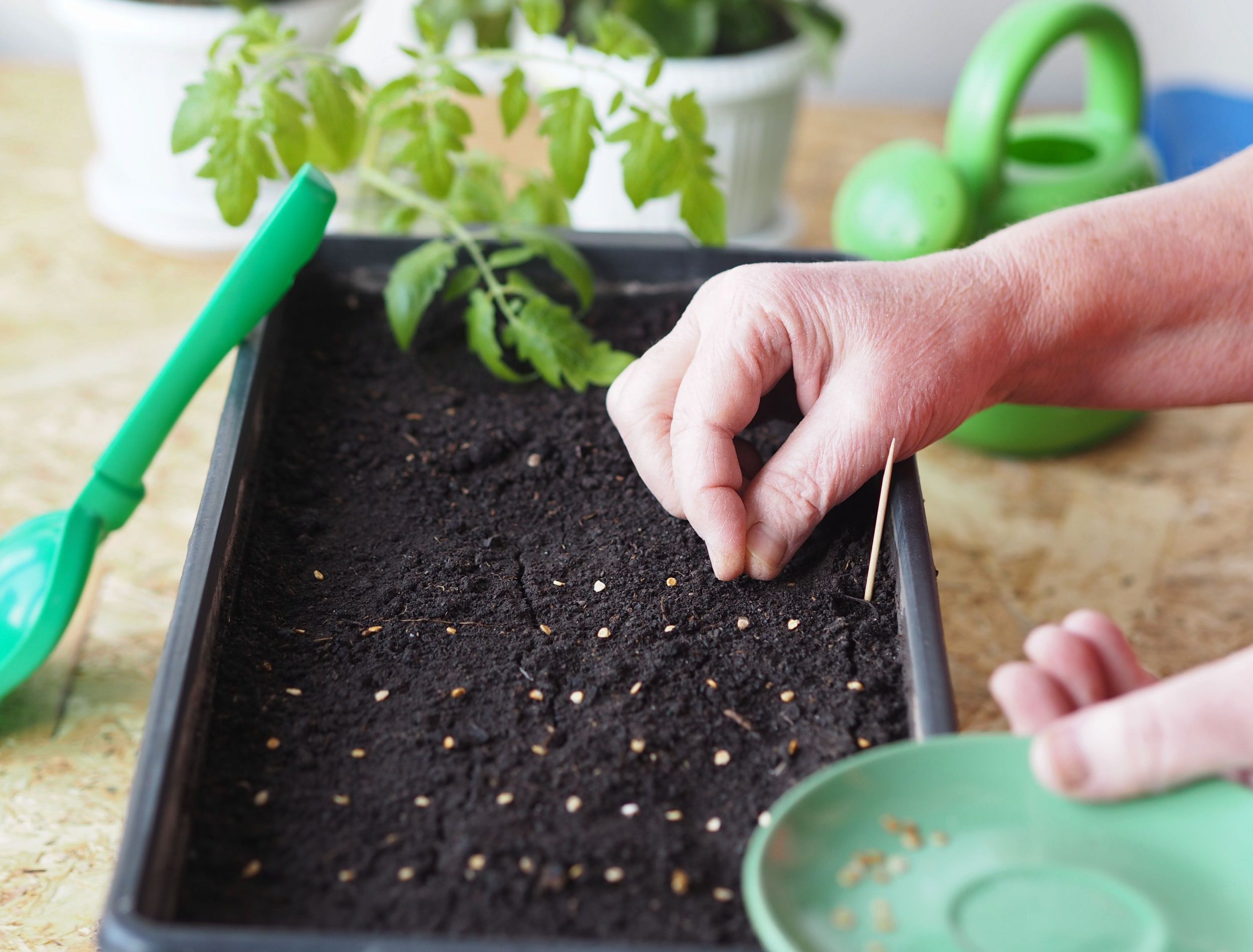
Imagine plucking a sun-ripened, juicy tomato right from your windowsill in the dead of winter. Sounds like a dream, right? Well, it doesn't have to be! Growing your own tomatoes indoors from seeds is entirely possible and incredibly rewarding. With a little know-how and a touch of patience, you can enjoy fresh, homegrown tomatoes year-round, no matter the weather outside. Let's dive in!
How to Grow Indoor Tomatoes From Seeds: A Comprehensive Guide
Choosing the Right Tomato Variety for Indoor Growing
The key to successfully growing tomatoes indoors starts with selecting the right variety. Not all tomato plants are created equal, and some are much better suited for indoor life than others. You'll want to focus on compact, determinate varieties, often referred to as "dwarf" or "patio" tomatoes. These types are bred to stay smaller, more manageable, and produce fruit earlier than their larger, indeterminate cousins. Indeterminate varieties, on the other hand, continue to grow and produce fruit throughout the season, becoming quite large and unwieldy indoors. Growing tomatoes from seeds is all about control, especially in an indoor environment.
Recommended Tomato Varieties for Indoor Cultivation:
- Tiny Tim: A super-dwarf variety, perfect for small spaces. Produces tiny, cherry-sized tomatoes with a sweet flavor.
- Red Robin: Another excellent dwarf variety that stays compact and produces a good yield of small, juicy tomatoes.
- Balcony Tomato: As the name suggests, this variety thrives in containers and is ideal for patios or balconies. It produces abundant clusters of small, flavorful tomatoes.
- Roma: While technically a determinate variety, some Roma types can be successfully grown indoors with proper pruning and support. They offer a classic tomato flavor and are great for sauces and canning.
- Patio Princess: This variety is known for its early maturity and compact growth habit, making it a reliable choice for indoor growers.
When choosing your seeds, read the package carefully to understand the plant's size, maturity time, and growing requirements. Look for varieties that are specifically labeled for container gardening or indoor growing. You might even consider experimenting with a few different varieties to see which ones perform best in your particular indoor environment.
Starting Your Tomato Seeds Indoors: A Step-by-Step Guide
Now that you've chosen your tomato variety, it's time to start those seeds! This process typically begins 6-8 weeks before the last expected frost (if you plan to eventually move them outdoors) or any time of year if you intend to keep them indoors permanently. Starting your tomato seeds is a rewarding process, that allows you to watch your tomatoes grow from day one!
Materials You'll Need:
- Tomato seeds (of course!)
- Seed starting trays or small pots
- Seed starting mix (a sterile, well-draining mix specifically designed for starting seeds)
- Spray bottle with water
- Heat mat (optional, but recommended for faster germination)
- Grow light (essential for strong, healthy seedlings)
Step-by-Step Instructions:
- Prepare Your Seed Starting Trays: Fill your seed starting trays or pots with seed starting mix. Moisten the mix thoroughly with water.
- Sow the Seeds: Plant the tomato seeds about ¼ inch deep in the soil. Place 2-3 seeds per cell or pot. This increases the chances of at least one seed germinating.
- Cover and Warm: Gently cover the seeds with more seed starting mix. Mist the surface with water. Cover the trays with a plastic dome or plastic wrap to create a humid environment. Place the trays on a heat mat, if using.
- Provide Warmth and Light: Keep the trays in a warm location (ideally 70-80°F). Once the seeds germinate (usually within 5-10 days), remove the plastic cover and place the trays under a grow light. Keep the light on for 14-16 hours per day.
- Water Carefully: Water the seedlings regularly, but avoid overwatering. The soil should be consistently moist, but not soggy. Water from the bottom to prevent fungal diseases. You can do this by placing the trays in a shallow container of water and allowing the soil to absorb the moisture from the bottom.
- Thin the Seedlings: Once the seedlings have developed their first true leaves (the leaves that look like miniature tomato leaves), thin them to one seedling per cell or pot. Choose the strongest, healthiest seedling and carefully snip off the others at soil level with scissors.
Remember, patience is key during this stage. Don't be discouraged if some seeds don't germinate. Just keep providing the right conditions, and you'll be rewarded with healthy tomato seedlings in no time. Consider using a hydroponic growing system for your indoor gardening needs. Systems like the Ahopegarden Indoor Garden Hydroponics Growing System, which features 10 pods, LED grow lights, and an aeroponic setup, can greatly simplify the process of starting and growing plants like herbs, lettuce, and even tomatoes! Find this hydroponic garden kit here: Ahopegarden Indoor Garden Hydroponics Growing System. This will allow you to have greater control over your growing environment.
Transplanting Your Tomato Seedlings
Once your seedlings have grown a few inches tall and have a strong root system, it's time to transplant them into larger pots. This will give them more room to grow and access the nutrients they need to thrive. A key step in learning how to grow tomatoes from seeds, is to know how to safely transplant them into their permanent pot.
Choosing the Right Pot:
Select a pot that is at least 5 gallons in size. This will provide enough space for the tomato plant's roots to grow. Make sure the pot has drainage holes to prevent waterlogging. Terracotta pots are a good option, as they allow the soil to breathe. Plastic pots are also suitable, but be sure to choose a dark color to prevent overheating of the roots.
Potting Mix:
Use a high-quality potting mix that is specifically formulated for vegetables. Avoid using garden soil, as it can be too heavy and poorly draining. The potting mix should be well-draining, nutrient-rich, and slightly acidic (p H 6.0-6.8). You can also amend the potting mix with compost or other organic matter to improve its fertility.
Transplanting Process:
- Prepare the Pot: Fill the pot with potting mix, leaving a few inches of space at the top.
- Remove the Seedling: Gently remove the seedling from its seed starting tray or pot. Be careful not to damage the roots. You can gently loosen the soil around the roots with your fingers.
- Plant the Seedling: Place the seedling in the pot, burying the stem up to the first set of leaves. This will encourage the plant to develop more roots along the buried stem, resulting in a stronger, healthier plant.
- Water Thoroughly: Water the seedling thoroughly after transplanting. This will help settle the soil and reduce transplant shock.
- Provide Support: Insert a stake or tomato cage into the pot to provide support for the growing plant. As the plant grows, tie the stems to the stake or cage with soft twine.
After transplanting, keep the tomato plant in a warm, sunny location. Water regularly, and fertilize every 2-3 weeks with a balanced fertilizer. Keep a close eye on the plant for signs of pests or diseases. Transplanting the tomato seedlings is a very important step in the process of learning how to grow indoor tomatoes from seeds.
Providing the Right Growing Conditions
To grow the best indoor tomatoes from seed, you need to replicate the conditions that tomatoes crave: plenty of light, warmth, and proper watering. Providing optimal growing conditions is absolutely essential for healthy growth and abundant fruit production.
Light:
Tomatoes need at least 6-8 hours of direct sunlight per day. If you don't have a sunny windowsill, you'll need to supplement with a grow light. LED grow lights are a great option, as they are energy-efficient and provide the full spectrum of light that plants need to thrive. Position the grow light about 6-12 inches above the plants. You can also use fluorescent grow lights, but they are less efficient and may need to be replaced more frequently.
Temperature:
Tomatoes thrive in temperatures between 65-85°F during the day and 60-70°F at night. Avoid exposing the plants to temperatures below 55°F or above 90°F, as this can stunt their growth and reduce fruit production. If you live in a colder climate, you may need to use a space heater to keep the plants warm. If you live in a warmer climate, you may need to provide shade during the hottest part of the day.
Watering:
Water tomatoes regularly, but avoid overwatering. The soil should be consistently moist, but not soggy. Water deeply whenever the top inch of soil feels dry to the touch. Avoid watering the foliage, as this can promote fungal diseases. Water in the morning so that the foliage has time to dry before nightfall. During hot weather, you may need to water more frequently. During cooler weather, you may need to water less frequently.
Humidity:
Tomatoes prefer a humidity level of around 40-60%. If the air is too dry, you can increase the humidity by placing a tray of water near the plants or by using a humidifier. Avoid misting the foliage, as this can promote fungal diseases. Good air circulation is also important to prevent fungal diseases. You can improve air circulation by opening a window or using a fan. This is especially important when you grow indoor tomatoes from seeds.
Pollinating Your Indoor Tomato Plants
One of the challenges of growing tomatoes indoors is the lack of natural pollinators, such as bees and butterflies. Tomatoes are self-pollinating, meaning they can pollinate themselves, but they often need a little help to get the job done. Here's how you can pollinate your indoor tomato plants:
Method 1: Gently Shake the Plants
The simplest method is to gently shake the plants a few times a week. This will help to release pollen from the flowers and allow it to fall onto the pistil (the female part of the flower). You can also tap the flower clusters lightly with your finger. Do this in the middle of the day, when the pollen is most likely to be released.
Method 2: Use an Electric Toothbrush
A more effective method is to use an electric toothbrush to vibrate the flowers. Simply hold the toothbrush near the base of the flower clusters and turn it on for a few seconds. The vibrations will release the pollen. Be careful not to touch the flowers directly with the toothbrush, as this can damage them. This method is particularly useful for plants with small flowers or plants that are not easily shaken.
Method 3: Use a Cotton Swab or Small Brush
You can also use a cotton swab or small brush to transfer pollen from one flower to another. Gently collect pollen from the stamen (the male part of the flower) and then transfer it to the pistil of another flower. This method is more time-consuming, but it can be very effective, especially if you're only growing a few plants. It also allows you to selectively pollinate your plants, which can be useful for breeding purposes. Pollination is a critical step when you grow indoor tomatoes from seeds.
Dealing with Pests and Diseases
Even indoors, your tomato plants can be susceptible to pests and diseases. Regular inspection is key to catching problems early and preventing them from spreading.
Common Pests:
- Aphids: Small, soft-bodied insects that suck sap from the plants. They can be controlled with insecticidal soap or neem oil.
- Spider Mites: Tiny pests that create webs on the plants and suck sap. They can be controlled with insecticidal soap, neem oil, or by increasing humidity.
- Whiteflies: Small, white, flying insects that suck sap from the plants. They can be controlled with yellow sticky traps, insecticidal soap, or neem oil.
- Fungus Gnats: Small, black flies that breed in the soil. They can be controlled by allowing the soil to dry out between waterings and by using yellow sticky traps.
Common Diseases:
- Early Blight: A fungal disease that causes dark spots on the leaves. It can be prevented by providing good air circulation and avoiding overhead watering. Treat with a copper-based fungicide.
- Late Blight: A fungal disease that can quickly kill tomato plants. It is more common in humid climates. Prevent by providing good air circulation and avoiding overhead watering. Treat with a copper-based fungicide.
- Fusarium Wilt: A soil-borne fungal disease that causes wilting and yellowing of the leaves. It is best prevented by using disease-resistant varieties and by sterilizing the soil before planting.
- Verticillium Wilt: Another soil-borne fungal disease that causes wilting and yellowing of the leaves. It is also best prevented by using disease-resistant varieties and by sterilizing the soil before planting.
To prevent pests and diseases, keep your plants clean and well-ventilated. Remove any dead or dying leaves. Avoid overwatering, and water in the morning so that the foliage has time to dry before nightfall. Use organic pest control methods whenever possible. Keep in mind that pest and diseases can easily hinder you ability to grow indoor tomatoes from seeds.
Harvesting and Enjoying Your Indoor Tomatoes
The moment you've been waiting for! After all the hard work, it's time to harvest your delicious, homegrown tomatoes. Tomatoes are usually ready to harvest when they are fully colored and slightly soft to the touch. The exact color will depend on the variety you're growing. Gently twist the tomato from the vine, being careful not to damage the plant. The harvesting stage is the reward of growing indoor tomatoes from seeds. Here is a quick summary of how to know when you tomatoes are ready to pick:
- Deep Colour - the colour of your tomato will deepen and become rich.
- Size - The tomato will likely stop growing.
- Feel - the tomato will be firm, but give slightly when pressed.
Store your tomatoes at room temperature, away from direct sunlight. Avoid refrigerating them, as this can affect their flavor and texture. Freshly harvested tomatoes are best enjoyed within a few days. Use them in salads, sandwiches, sauces, or simply enjoy them as a healthy snack. Congratulations on successfully growing indoor tomatoes from seeds!
Growing your own tomatoes indoors from seeds may seem daunting at first, but with a little knowledge and effort, it's a rewarding experience that allows you to enjoy fresh, delicious tomatoes year-round. By choosing the right variety, providing the right growing conditions, and diligently caring for your plants, you can successfully grow tomatoes indoors, even in the dead of winter. So, grab some seeds, get your hands dirty, and start growing!