Are you dreaming of juicy, sun-ripened tomatoes bursting with flavor, but lack the space or the time for a traditional garden? Or perhaps you're tired of constantly worrying about whether your tomato plants are getting enough water? Then, the world of self-watering containers might just be your gardening salvation! Let's dive in and explore how you can grow amazing tomatoes using this clever and convenient method. The Magic of Self Watering Containers for Tomato Plants Self-watering containers, sometimes called sub-irrigated planters (SIPs), are designed to provide a consistent and reliable water supply to your plants, minimizing the need for frequent watering and dramatically reducing water waste. For tomato plants, which are known for their thirstiness, this can be a game-changer! The beauty of a tomato plant self watering container lies in its simplicity and efficiency. It essentially creates a mini-reservoir beneath the soil, allowing the plant...
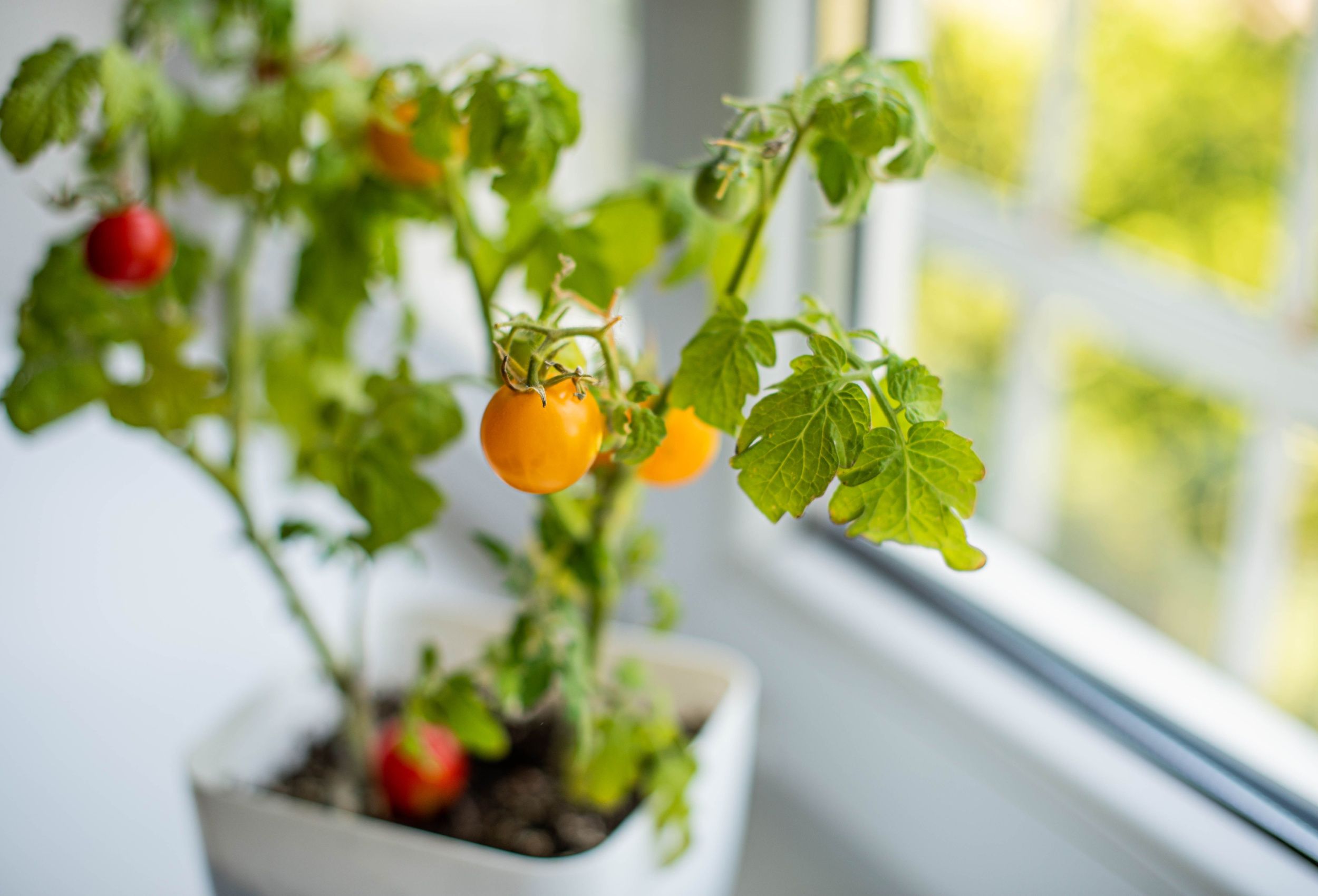
Imagine plucking a sun-ripened, juicy tomato right from a vine in your kitchen, even in the dead of winter. Sounds like a dream? It's not! With a little know-how, you can absolutely enjoy the taste of homegrown tomatoes year-round, all thanks to the magic of growing tomatoes indoors in pots. Let's dive in and explore how to make this delicious dream a reality.
Growing Tomatoes Indoors: Your Guide to a Bountiful Harvest
Growing tomatoes indoors in pots might seem like a challenge, but it's actually a rewarding experience. It's not just about having fresh tomatoes; it's about the satisfaction of nurturing a plant from seed to fruit, and bringing a touch of nature indoors. Let's explore the key elements to consider for a successful indoor tomato garden.
Choosing the Right Tomato Variety for Indoor Pot Growing
Not all tomato varieties are created equal, especially when it comes to indoor growing in pots. You'll want to choose varieties that are naturally compact, disease-resistant, and well-suited to container gardening. These are often referred to as "determinate" or "dwarf" varieties. Indeterminate varieties, on the other hand, tend to grow very tall and require extensive support, making them less ideal for indoor spaces. Consider these factors when selecting your seeds:
- Determinate vs. Indeterminate: Determinate varieties grow to a specific size and then stop, producing all their fruit at once. Indeterminate varieties continue to grow and produce fruit throughout the season. For indoor growing, determinate varieties are generally preferred due to their smaller size.
- Size: Think about the space you have available. Tiny patio tomatoes like 'Tiny Tim' or 'Red Robin' are excellent for small spaces. Bush types like 'Roma' also work well.
- Disease Resistance: Indoor plants can still be susceptible to diseases. Look for varieties with resistance to common tomato ailments like Fusarium wilt, Verticillium wilt, and nematodes.
- Taste Preference: Of course, you want tomatoes that you'll enjoy eating! Research the taste profiles of different varieties to find one that suits your palate. Cherry tomatoes are often a good choice for indoor growing, as they tend to be prolific and flavorful.
Here are a few popular tomato varieties that thrive when growing tomatoes indoors in pots:
Tiny Tim: A miniature tomato plant that produces small, red cherry tomatoes. Perfect for small spaces. Red Robin: Another dwarf variety that yields sweet cherry tomatoes. Roma: A popular determinate variety that produces plum-shaped tomatoes, great for sauces and canning. Patio: Bred specifically for containers, offering a good balance of size and yield. Balcony:Similar to Patio, but slightly larger, offering more tomatoes.
The Importance of Lighting for Growing Indoor Tomatoes
Tomatoes are sun-loving plants, and they need ample light to thrive indoors. A south-facing window is ideal, but if you don't have one, you'll need to supplement with artificial lighting. Proper lighting is crucial for photosynthesis, which is how plants convert light into energy for growth and fruit production. Without enough light, your tomato plants will become leggy (tall and spindly), produce few flowers, and ultimately, very few tomatoes.
Types of Grow Lights for Indoor Tomatoes
There are several types of grow lights available, each with its own advantages and disadvantages:
LED Grow Lights: LEDs are energy-efficient, long-lasting, and produce very little heat. They are an excellent choice for indoor tomato growing. Look for full-spectrum LEDs, which provide the complete range of light that plants need. A complete hydroponic growing system such as the Ahopegarden Indoor Garden Hydroponics Growing System, with 10 Pods, Plant Germination Kit, Aeroponic Herb Vegetable Growth Lamp, Countertop with LED Grow Light can be a great starting point for your indoor gardening adventures. Find the hydroponic planter here: https://amzn.to/3RPpa Sk. Fluorescent Grow Lights: Fluorescent lights are more affordable than LEDs but are less energy-efficient and produce more heat. T5 fluorescent lights are a good option for tomato seedlings and smaller plants. High-Pressure Sodium (HPS) and Metal Halide (MH) Lights:These are high-intensity lights that are often used by commercial growers. They are very effective but also produce a lot of heat and consume a significant amount of energy. They are generally not recommended for beginners.
Light Duration and Intensity
Tomatoes need at least 6-8 hours of direct sunlight per day, or 14-16 hours of artificial light. The intensity of the light should be strong enough to support photosynthesis. A good rule of thumb is to place your grow lights 6-12 inches above the top of the plants.
Here’s a quick breakdown of lighting needs:
| Stage | Light Duration (Hours) | Notes |
|---|---|---|
| ------------- | ---------------------- | --------------------------------------------------------------------- |
| Seedlings | 16-18 | Encourage strong stem growth; keep lights close. |
| Vegetative | 14-16 | Maintain healthy foliage; adjust light height as plants grow. |
| Flowering/Fruiting | 12-14 | Promote fruit development; monitor for signs of light burn. |
Selecting the Right Pot and Soil for Indoor Tomatoes
Choosing the right pot and soil is essential for healthy tomato growth. Tomatoes have relatively extensive root systems, so they need a pot that's large enough to accommodate their growth. The type of soil is also critical, as it needs to provide good drainage, aeration, and nutrients.
Pot Size and Material
For determinate tomato varieties, a pot that is at least 5 gallons in size is recommended. For larger indeterminate varieties, you may need a 10-gallon pot or larger. The pot should also have drainage holes to prevent waterlogging. Container material also has an impact. Consider these options:
Plastic Pots: Lightweight, affordable, and retain moisture well. Terracotta Pots: Porous, allowing for good aeration, but can dry out quickly. Fabric Pots:Provide excellent drainage and aeration, promoting healthy root growth.
Choosing the Right Soil Mix
Avoid using garden soil in your pots, as it can become compacted and poorly drained. Instead, use a high-quality potting mix specifically formulated for containers. Look for a mix that contains a blend of peat moss, perlite, and vermiculite. You can also add compost or other organic matter to improve the soil's fertility and drainage.
Here’s a recipe for a good potting mix for indoor tomatoes:
1 part peat moss or coco coir
1 part perlite
1 part vermiculite
1/4 part compost
You can also amend the soil with slow-release fertilizer to provide your plants with a steady supply of nutrients.
Watering and Fertilizing Indoor Tomato Plants
Proper watering and fertilization are crucial for healthy tomato growth and fruit production. Tomatoes need consistent moisture, but they don't like to be waterlogged. Overwatering can lead to root rot, while underwatering can cause the plants to wilt and stunt their growth. Similarly, they need the right nutrients to produce abundant flowers and fruit. Finding the balance is key.
Watering Techniques
Water your tomato plants when the top inch of soil feels dry to the touch. Water deeply, until the water drains out of the bottom of the pot. Avoid getting water on the leaves, as this can promote fungal diseases. The frequency of watering will depend on the size of the pot, the temperature, and the humidity level.
Fertilizing Your Tomato Plants
Tomatoes are heavy feeders, so they need to be fertilized regularly. Start fertilizing your plants a few weeks after transplanting them into their final pots. Use a fertilizer that is specifically formulated for tomatoes, or a balanced fertilizer with an NPK ratio of 10-10-10 or 5-10-5. Follow the instructions on the fertilizer label, and avoid over-fertilizing, as this can burn the roots.
Here’s a fertilizing schedule to consider:
Seedlings: Use a diluted liquid fertilizer, such as a fish emulsion. Vegetative Growth: Use a fertilizer that is higher in nitrogen to promote leaf growth. Flowering and Fruiting:Use a fertilizer that is higher in phosphorus and potassium to promote flower and fruit development.
Pollinating Indoor Tomato Plants
Tomatoes are self-pollinating, meaning they have both male and female parts in the same flower. However, they often need a little help with pollination, especially indoors where there is no wind or insect activity. Pollen needs to transfer from the anther (male part) to the stigma (female part) for fertilization to occur.
Hand-Pollination Techniques
Here are a few simple ways to hand-pollinate your indoor tomato plants:
Shaking: Gently shake the plant stem or the flower clusters. This will help to release pollen. Tapping: Tap the back of the flowers gently with your finger. Using a small brush: Use a small, soft brush to collect pollen from the anthers and transfer it to the stigma. Electric Toothbrush: Some gardeners use an electric toothbrush to vibrate the flowers and release pollen.
It’s best to pollinate in the morning when the flowers are dry and the pollen is most viable. You can repeat the pollination process every few days to increase your chances of success.
Dealing with Pests and Diseases in Indoor Tomato Plants
Even indoors, tomato plants can be susceptible to pests and diseases. Prevention is always the best approach, but it's important to be able to identify and treat any problems that arise. Here's how to deal with these issues when growing tomatoes indoors in pots:
Common Pests
Aphids: Small, sap-sucking insects that can cause stunted growth and distorted leaves. Control them by spraying the plants with insecticidal soap or neem oil. Spider Mites: Tiny mites that create webs on the leaves and cause them to turn yellow. Control them by increasing humidity and spraying the plants with insecticidal soap or neem oil. Whiteflies:Small, white, flying insects that suck sap from the leaves. Control them by using yellow sticky traps or spraying the plants with insecticidal soap.
Common Diseases
Fungal Diseases: These diseases, such as early blight and septoria leaf spot, can cause spots on the leaves and eventually kill the plant. Prevent them by providing good air circulation and avoiding overhead watering. Treat them with a fungicide. Blossom End Rot: Caused by a calcium deficiency, this condition causes the bottom of the tomato to turn black and rot. Prevent it by providing consistent watering and amending the soil with calcium.
Regularly inspect your plants for signs of pests or diseases. Early detection and treatment are key to preventing these problems from spreading.
Harvesting and Enjoying Your Indoor Tomatoes
The most rewarding part of growing tomatoes indoors is harvesting your own fresh, flavorful tomatoes! Here's how to tell when your tomatoes are ripe and ready to pick:
When to Harvest
Tomatoes are typically ready to harvest when they are fully colored and slightly soft to the touch. The exact color will depend on the variety. Gently twist the tomato from the vine, leaving the stem attached.
Enjoying Your Harvest
Freshly picked tomatoes are delicious eaten straight from the vine, or used in salads, sandwiches, and sauces. You can also preserve your tomatoes by canning, freezing, or drying them. Growing your own tomatoes indoors is a rewarding experience that allows you to enjoy fresh, homegrown tomatoes year-round. With the right care and attention, you can have a bountiful harvest of delicious tomatoes right in your own home!