Are you dreaming of juicy, sun-ripened tomatoes bursting with flavor, but lack the space or the time for a traditional garden? Or perhaps you're tired of constantly worrying about whether your tomato plants are getting enough water? Then, the world of self-watering containers might just be your gardening salvation! Let's dive in and explore how you can grow amazing tomatoes using this clever and convenient method. The Magic of Self Watering Containers for Tomato Plants Self-watering containers, sometimes called sub-irrigated planters (SIPs), are designed to provide a consistent and reliable water supply to your plants, minimizing the need for frequent watering and dramatically reducing water waste. For tomato plants, which are known for their thirstiness, this can be a game-changer! The beauty of a tomato plant self watering container lies in its simplicity and efficiency. It essentially creates a mini-reservoir beneath the soil, allowing the plant...
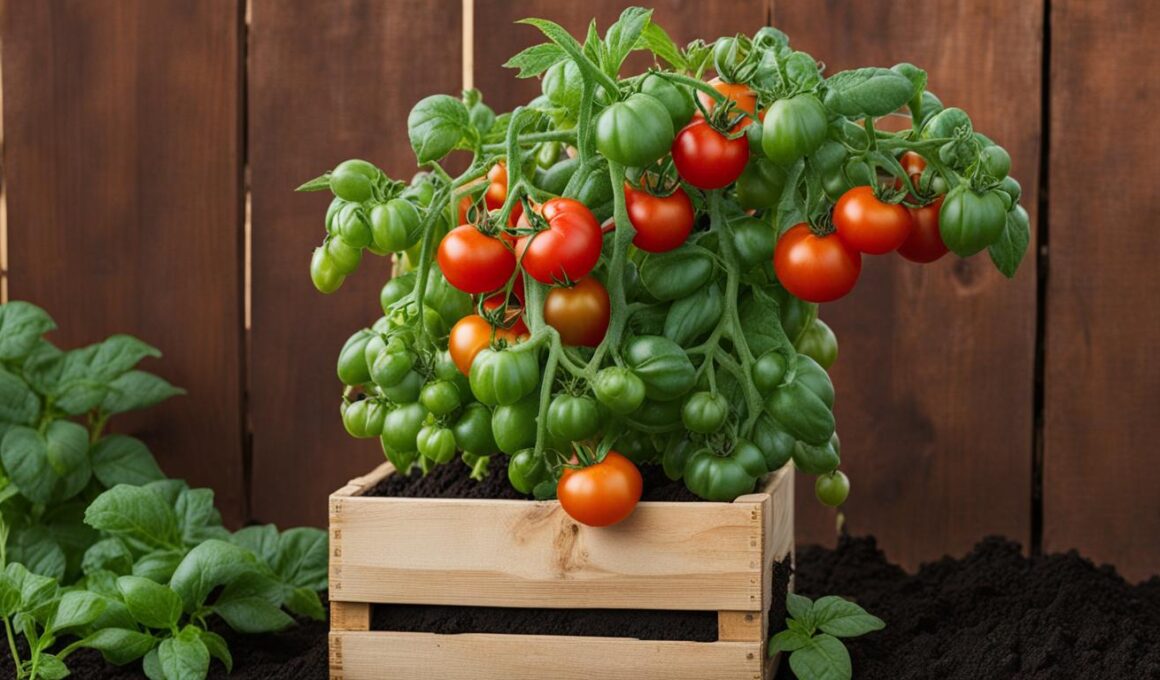
Imagine juicy, sun-ripened tomatoes bursting with flavor, grown right on your patio, balcony, or even your front porch. You don't need a sprawling garden to enjoy the taste of homegrown goodness. In fact, you can grow a bountiful tomato harvest with a single bag of potting soil! Let's dive into this simple, space-saving, and surprisingly effective method for growing delicious tomatoes.
Growing Tomatoes In A Bag: A Beginner's Guide
Growing tomatoes in a bag of potting soil is an accessible and rewarding experience for gardeners of all levels. It's particularly appealing to those with limited space, such as apartment dwellers or those with small yards. This method offers several advantages, including convenience, portability, and excellent drainage. Plus, it's a fantastic way to recycle those large potting soil bags!
Choosing the Right Tomato Variety for Bag Growing
Selecting the right tomato variety is crucial for success when growing in bags. Consider the following:
- Determinate vs. Indeterminate: Determinate varieties, also known as bush tomatoes, grow to a specific size and produce all their fruit at once. These are generally more suitable for bag growing as they require less support. Indeterminate varieties, on the other hand, continue to grow and produce fruit throughout the season, potentially becoming quite large. If you choose an indeterminate variety, be prepared to provide substantial support, such as a sturdy tomato cage or trellis.
- Size of Fruit: Smaller fruited varieties like cherry tomatoes, grape tomatoes, and Roma tomatoes tend to perform well in bags as they are less demanding in terms of nutrient and space requirements. Larger beefsteak tomatoes can be grown, but they will require more frequent watering and fertilization.
- Disease Resistance: Opt for varieties that are resistant to common tomato diseases like Verticillium wilt (V), Fusarium wilt (F), and nematodes (N). Look for these letters on the seed packet or plant label.
Some popular tomato varieties well-suited for bag growing include:
Roma: Determinate, disease resistant, and produces abundant plum-shaped tomatoes perfect for sauces. Patio: Determinate, compact, and ideal for small spaces. Produces small to medium-sized tomatoes. Cherry Tomatoes (like Sweet 100 or Sun Gold): Indeterminate, but can be managed in a bag with proper support. Produces prolific clusters of sweet, bite-sized tomatoes.
Setting Up Your Tomato Bag Garden
Proper setup is key to healthy and productive tomato plants. Here's a step-by-step guide:
- Choose a Location: Select a sunny spot that receives at least 6-8 hours of direct sunlight per day. This is crucial for tomato growth and fruit production.
- Prepare the Bag: Use a large bag of potting mix, typically 20-40 gallons in size. Lay the bag horizontally on a flat, stable surface.
- Create Drainage: Turn the bag over and create multiple drainage holes in the bottom using a knife or scissors. This is essential to prevent waterlogging, which can lead to root rot.
- Cut Planting Holes: Turn the bag back over to its original position. Cut out a large square or rectangular opening on the top of the bag. This will be your planting area. You can also cut smaller holes for multiple plants, depending on the size of the bag and the variety of tomatoes you're growing. Remember to space plants appropriately to allow for adequate growth.
- Amend the Soil (Optional): While most potting mixes are suitable for growing tomatoes, you can amend the soil with compost or other organic matter to improve drainage, aeration, and nutrient content.
Planting Your Tomato Seedlings
Once your bag is prepared, it's time to plant your tomato seedlings. Here's how:
- Dig a Hole: Dig a hole in the potting mix deep enough to accommodate the root ball of your tomato seedling.
- Plant the Seedling: Gently remove the seedling from its container and place it in the hole. Backfill with potting mix, ensuring that the stem is buried up to the first set of leaves. This encourages root development along the buried stem, resulting in a stronger and more robust plant.
- Water Thoroughly: Water the newly planted seedling thoroughly, allowing the water to drain out of the drainage holes. This helps to settle the soil around the roots and provides the plant with essential moisture.
- Add Support: Install a tomato cage or stake near the plant to provide support as it grows. This is especially important for indeterminate varieties.
For those keen on monitoring the growth of plants, hydroponic systems can also be considered. Check out the Ahopegarden Indoor Garden Hydroponics Growing System: 10 Pods Plant Germination Kit, a convenient way to observe the early development of herbs and vegetables. You can find this 10-pod aeroponic growing device here: https://amzn.to/3RPpa Sk.
Caring for Your Bag-Grown Tomatoes
Proper care is essential for a successful tomato harvest. Here's what you need to do:
- Watering: Water your tomato plants regularly, especially during hot and dry weather. The soil in bags tends to dry out quickly, so check the moisture level daily and water when the top inch of soil feels dry to the touch. Water deeply, ensuring that the water reaches the roots. Avoid overhead watering, as this can increase the risk of fungal diseases.
- Fertilizing: Tomato plants are heavy feeders and require regular fertilization to produce abundant fruit. Use a balanced fertilizer specifically formulated for tomatoes, following the instructions on the package. You can also supplement with organic fertilizers like compost tea or fish emulsion.
- Pruning: Pruning is important for indeterminate tomato varieties to improve airflow and encourage fruit production. Remove suckers (the small shoots that grow in the crotch between the main stem and branches) regularly.
- Pest and Disease Control: Monitor your tomato plants regularly for signs of pests and diseases. Common tomato pests include aphids, whiteflies, and tomato hornworms. Control pests with insecticidal soap, neem oil, or handpicking. Prevent fungal diseases by providing good airflow, avoiding overhead watering, and applying a fungicide if necessary.
Troubleshooting Common Issues
Even with the best care, you may encounter some challenges when growing tomatoes in a bag. Here are some common issues and how to address them:
Blossom End Rot: This condition, characterized by a dark, leathery spot on the bottom of the fruit, is caused by calcium deficiency. Ensure consistent watering and consider adding calcium to the soil in the form of crushed eggshells or bone meal. Yellowing Leaves: Yellowing leaves can be a sign of nutrient deficiency, overwatering, or underwatering. Check the moisture level of the soil and adjust your watering schedule accordingly. Fertilize your plants with a balanced fertilizer to address nutrient deficiencies. Lack of Fruit: Lack of fruit can be caused by insufficient sunlight, poor pollination, or temperatures that are too hot or too cold. Ensure that your tomato plants are receiving at least 6-8 hours of direct sunlight per day. You can also hand-pollinate the flowers by gently shaking the plant or using a small brush to transfer pollen from one flower to another. Pests: The presence of pests, such as aphids, hornworms, and whiteflies, can affect the health of the plant and its ability to produce fruit. Use organic control methods, such as insecticidal soaps, companion planting, or manual removal.
Harvesting and Enjoying Your Homegrown Tomatoes
Harvest your tomatoes when they are fully colored and slightly soft to the touch. Gently twist the fruit from the vine, leaving a small piece of stem attached. Store your homegrown tomatoes at room temperature for the best flavor. Enjoy them fresh in salads, sandwiches, and sauces, or preserve them for later use by canning, freezing, or drying.
Tips for a Bountiful Tomato Harvest
Here are some additional tips to help you achieve a bountiful tomato harvest:
Start with Healthy Seedlings: Purchase high-quality tomato seedlings from a reputable nursery or start your own seeds indoors 6-8 weeks before the last expected frost. Use High-Quality Potting Mix: Choose a potting mix that is specifically formulated for vegetables and contains good drainage and aeration. Mulch the Soil: Apply a layer of mulch around the base of the tomato plants to help retain moisture, suppress weeds, and regulate soil temperature. Rotate Your Crops: Avoid planting tomatoes in the same location year after year to prevent the buildup of soilborne diseases.
Growing tomatoes in a bag is a rewarding and accessible way to enjoy the taste of homegrown tomatoes, even if you have limited space. With a little planning and care, you can harvest a bountiful crop of delicious tomatoes right on your patio or balcony. So, grab a bag of potting soil, choose your favorite tomato variety, and get ready to experience the joy of growing your own food!