Are you dreaming of juicy, sun-ripened tomatoes bursting with flavor, but lack the space or the time for a traditional garden? Or perhaps you're tired of constantly worrying about whether your tomato plants are getting enough water? Then, the world of self-watering containers might just be your gardening salvation! Let's dive in and explore how you can grow amazing tomatoes using this clever and convenient method. The Magic of Self Watering Containers for Tomato Plants Self-watering containers, sometimes called sub-irrigated planters (SIPs), are designed to provide a consistent and reliable water supply to your plants, minimizing the need for frequent watering and dramatically reducing water waste. For tomato plants, which are known for their thirstiness, this can be a game-changer! The beauty of a tomato plant self watering container lies in its simplicity and efficiency. It essentially creates a mini-reservoir beneath the soil, allowing the plant...
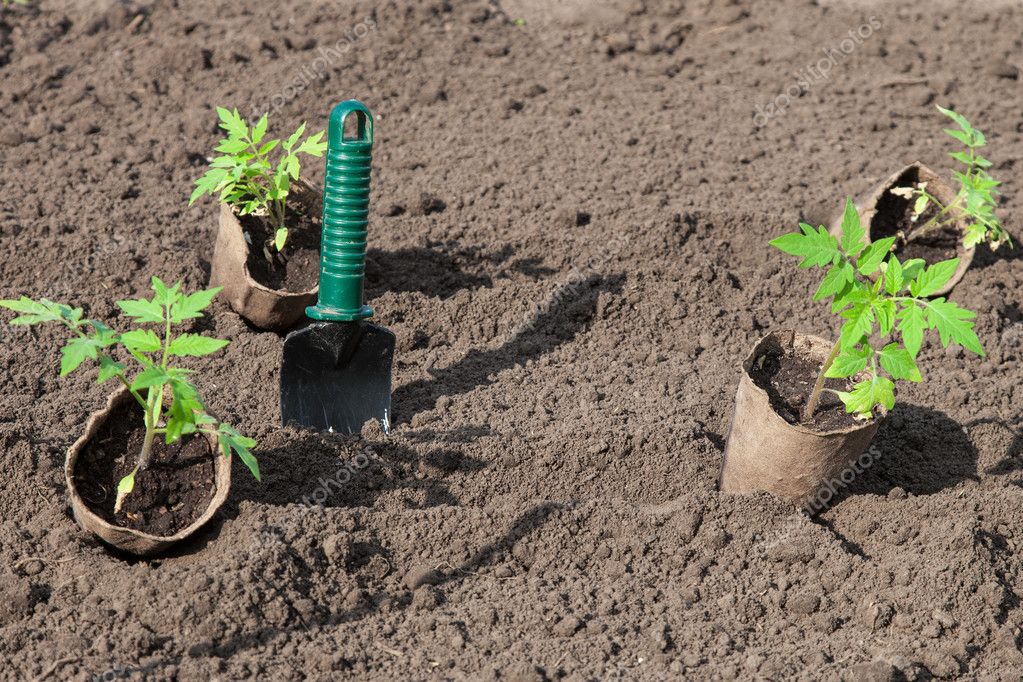
Ah, the taste of a homegrown tomato. Is there anything quite like it? But what happens when you're short on space, or you've already claimed the prime real estate in your garden? Can you really plant tomatoes in the same soil year after year? The answer, like most things gardening, is a bit more complex than a simple yes or no. Let's dig into the secrets of successful tomato growing and explore the ins and outs of planting tomatoes in the same soil.
Understanding Soil Health and Tomato Needs
Before we jump into whether or not planting tomatoes in the same soil is a recipe for disaster, let's first consider what tomatoes need to thrive. They're heavy feeders, meaning they require a lot of nutrients to produce those juicy, flavorful fruits. They crave rich soil, packed with organic matter and a good balance of essential elements like nitrogen, phosphorus, and potassium. Tomatoes also prefer well-drained soil to prevent root rot and fungal diseases. Maintaining a slightly acidic soil p H (between 6.0 and
6.8) is generally ideal for nutrient uptake.
The Risks of Planting Tomatoes Repeatedly in The Same Soil
Now, let's address the elephant in the garden. Repeatedly planting tomatoes in the same soil without any amendments or precautions can lead to several problems. The most significant is nutrient depletion. Tomatoes will gradually deplete the soil of the specific nutrients they need, leaving the soil less fertile over time. This results in smaller, less productive plants and bland-tasting tomatoes. Imagine trying to bake a cake with half the ingredients – the results just won't be as satisfying.
Another major concern is the buildup of soilborne diseases and pests. Tomato plants are susceptible to a variety of fungal and bacterial diseases that can persist in the soil for years. Planting tomatoes in the same location year after year increases the risk of these diseases infecting your plants. Common culprits include Fusarium wilt, Verticillium wilt, early blight, and nematodes. These nasties can weaken your plants, reduce yields, and even kill them. Think of it as inviting unwanted guests to a party that never ends.
Finally, repeated planting in the same soil can disrupt the soil's structure and microbial balance. The continuous uptake of nutrients can leave the soil compacted and less able to retain water and air. This can lead to poor root development and stunted growth. A healthy soil ecosystem is teeming with beneficial microorganisms that help plants absorb nutrients and fight off diseases. Over time, monoculture (planting the same crop repeatedly) can disrupt this delicate balance, making your plants more vulnerable to stress.
Case Study: The Impact of Crop Rotation
Extensive research supports the benefits of crop rotation in preventing soilborne diseases and improving soil health. For example, a study published in the "Agronomy Journal" found that rotating tomatoes with non-host crops, such as corn or beans, significantly reduced the incidence of Fusarium wilt and increased tomato yields. This study highlights the importance of diversifying your planting schedule to break the disease cycle and replenish soil nutrients.
Strategies for Successfully Growing Tomatoes In The Same Soil
Don't despair! Planting tomatoes in the same soil is not a guaranteed failure. With careful planning and consistent soil management, you can still enjoy a bountiful harvest. Here are some key strategies to consider:
- Soil Testing: Before planting, conduct a soil test to determine the nutrient levels and p H. This will help you identify any deficiencies and amend the soil accordingly. You can purchase a soil testing kit at your local garden center or send a sample to a soil testing laboratory.
- Soil Amendments: Add generous amounts of compost, aged manure, or other organic matter to the soil each year. This will replenish nutrients, improve soil structure, and enhance water retention. Aim for a soil that is rich, dark, and crumbly.
- Fertilization: Supplement the soil with a balanced tomato fertilizer throughout the growing season. Follow the instructions on the fertilizer label and avoid over-fertilizing, which can lead to nutrient imbalances.
- Crop Rotation (Even in Limited Spaces): Even if you're limited to a small garden, try to rotate your crops as much as possible. If you can't rotate to a different area of your garden, consider using large containers or raised beds and rotating the soil within them. You can also alternate with a cover crop during the off-season.
- Disease-Resistant Varieties: Choose tomato varieties that are resistant to common soilborne diseases in your area. Look for varieties with labels indicating resistance to Fusarium wilt (F), Verticillium wilt (V), and nematodes (N).
- Grafting: Consider grafting your favorite tomato varieties onto disease-resistant rootstock. Grafting can provide enhanced disease resistance and improve plant vigor.
- Solarization: In areas with hot summers, you can solarize the soil to kill off soilborne pathogens. Cover the soil with clear plastic for several weeks during the hottest part of the summer. This can help reduce the incidence of diseases like Fusarium wilt.
- Maintain Healthy Plants: Healthy plants are more resistant to diseases and pests. Ensure your tomato plants receive adequate sunlight, water, and nutrients. Prune your plants regularly to improve air circulation and prevent fungal diseases.
- Companion Planting: Plant companion plants, such as basil, marigolds, or garlic, near your tomatoes. These plants can help repel pests and attract beneficial insects. Basil, in particular, is known to improve the flavor of tomatoes.
Table: Essential Nutrients for Tomato Growth
| Nutrient | Role in Plant Growth | Deficiency Symptoms |
|---|---|---|
| Nitrogen (N) | Leaf and stem growth, overall plant vigor | Yellowing of older leaves, stunted growth |
| Phosphorus (P) | Root development, flowering, and fruiting | Purple leaves, poor root growth |
| Potassium (K) | Fruit development, disease resistance | Yellowing of leaf edges, poor fruit quality |
| Calcium (Ca) | Cell wall development, prevents blossom-end rot | Blossom-end rot (dark, sunken spots on the bottom of the fruit) |
Choosing the Right Tomato Variety
Selecting the right tomato variety can significantly impact your success when planting tomatoes repeatedly in the same soil. Look for varieties known for their disease resistance and adaptability to your local climate. Heirloom varieties often have unique flavors and characteristics, but they may be more susceptible to diseases than hybrid varieties. Hybrid varieties, on the other hand, are bred for specific traits, such as disease resistance, yield, and fruit size.
Alternative Growing Methods: Hydroponics
If you're struggling with soilborne diseases or limited garden space, consider alternative growing methods, such as hydroponics. Hydroponics involves growing plants without soil, using a nutrient-rich water solution. This method can eliminate soilborne diseases and allow you to grow tomatoes in a controlled environment. Hydroponics is a method worth considering when you are dealing with problem soils, or if you have limited outdoor space.
Speaking of alternative methods, if you're short on space and still crave that fresh tomato taste, consider the possibilities of indoor gardening. You might want to check out the Ahopegarden Indoor Garden Hydroponics Growing System. This 10-pod plant germination kit allows you to enjoy the process of growing herbs and vegetables right on your countertop, using LED grow lights for optimal results. It is an innovative hydroponic planter that brings the garden inside! You can find it here: Ahopegarden Indoor Garden Hydroponics Growing System.
Conclusion: Balancing Tradition and Innovation When Planting Tomatoes in The Same Soil
Planting tomatoes in the same soil year after year is not ideal, but it's certainly possible with the right approach. By focusing on soil health, choosing disease-resistant varieties, and employing crop rotation techniques, you can minimize the risks and enjoy a bountiful tomato harvest. Don't be afraid to experiment with different growing methods and find what works best for your garden and your preferences. Happy gardening!