Are you dreaming of juicy, sun-ripened tomatoes bursting with flavor, but lack the space or the time for a traditional garden? Or perhaps you're tired of constantly worrying about whether your tomato plants are getting enough water? Then, the world of self-watering containers might just be your gardening salvation! Let's dive in and explore how you can grow amazing tomatoes using this clever and convenient method. The Magic of Self Watering Containers for Tomato Plants Self-watering containers, sometimes called sub-irrigated planters (SIPs), are designed to provide a consistent and reliable water supply to your plants, minimizing the need for frequent watering and dramatically reducing water waste. For tomato plants, which are known for their thirstiness, this can be a game-changer! The beauty of a tomato plant self watering container lies in its simplicity and efficiency. It essentially creates a mini-reservoir beneath the soil, allowing the plant...
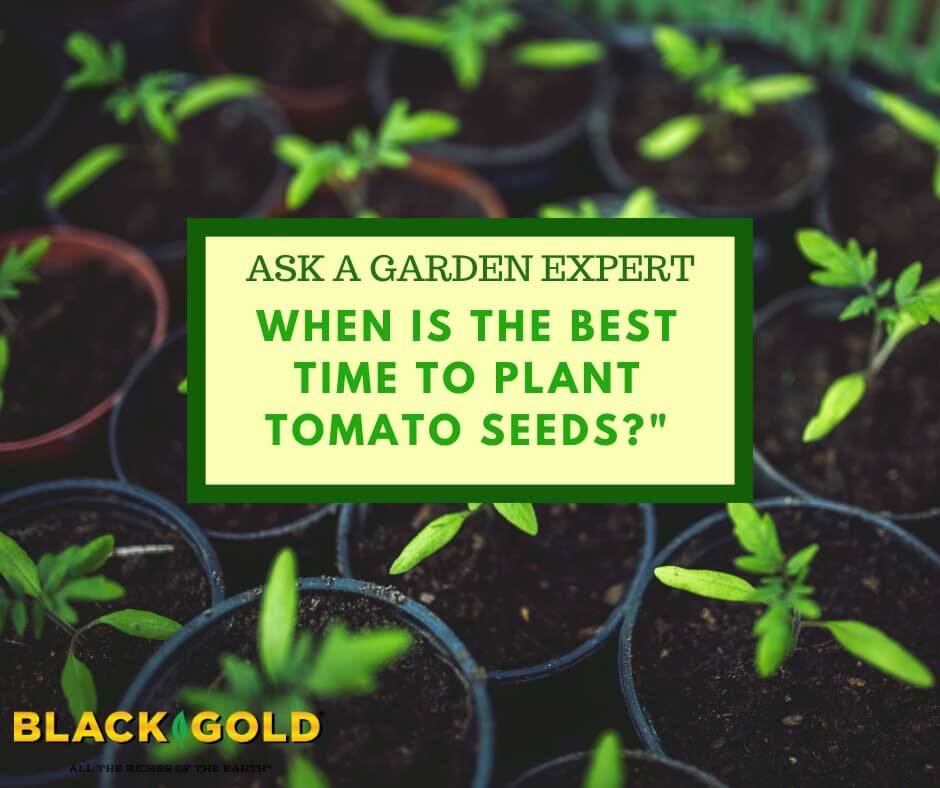
Ah, tomatoes. Those juicy, sun-ripened orbs of deliciousness that we all crave. But before you're biting into that perfect BLT, there's a crucial first step: starting your tomato seeds! Get it right, and you'll be rewarded with a bountiful harvest. Get it wrong, and well, let's just say your summer salads might be a little… lacking. So, when is the best time to start those precious tomato seeds? Let's dive in!
Determining Your Ideal Tomato Seed Starting Time
Figuring out the perfect time to start your tomato seeds isn't a one-size-fits-all kind of deal. It hinges on a few key factors, the most important being your local climate and your region’s last expected frost date. The goal is to have healthy, robust tomato seedlings ready to transplant outdoorsafterall danger of frost has passed. Jumping the gun can lead to stunted growth or even death of your delicate young plants. On the other hand, starting too late means you'll be playing catch-up all season long, potentially sacrificing valuable ripening time. To truly determine the best time to start your tomato seeds, you'll need to consider your specific growing zone.
Understanding Your Last Frost Date
Your last frost date is your best friend when it comes to planning your tomato seed starting schedule. This is the average date when you can expect the last freezing temperatures of spring. Knowing this date allows you to work backward to determine when to sow your seeds indoors. You can find your estimated last frost date by searching online for your specific zip code along with "last frost date." Consult your local extension office or experienced gardeners in your area for the most accurate information, as microclimates can play a significant role. Remember, these dates are just estimates, and Mother Nature always has the last word! It's generally safer to err on the side of caution and wait a week or twoafterthe predicted last frost date to transplant your tomato seedlings.
Consider this example: If your last expected frost date is May 15th, and you know it takes about 6-8 weeks to grow healthy tomato seedlings indoors, you would want to start your seeds indoors around late March or early April. This gives them plenty of time to develop strong root systems and adapt to indoor conditions before being moved outside.
The 6-8 Week Rule: A General Guideline For When To Start Tomato Seeds
A widely accepted rule of thumb is to start your tomato seeds indoors approximately 6 to 8 weeks before your last expected frost date. This timeframe allows your seedlings to grow to a manageable size for transplanting without becoming too root-bound or leggy (tall and spindly) while waiting for warmer weather. However, this is just a guideline. The exact number of weeks depends on several factors, including the variety of tomato you're growing and the growing conditions you can provide indoors. Some heirloom varieties, for example, may take longer to mature than hybrid varieties. If you have a particularly warm and sunny spot for your seedlings, they may grow faster than if they're kept in a cooler, darker location. Be prepared to adjust your schedule based on your observations of your seedlings' growth.
Here's a quick table summarizing the general timeline:
| Scenario | Start Seeds Indoors | Transplant Outdoors (After Last Frost) |
|---|---|---|
| ---------------------------------------- | ----------------------- | --------------------------------------- |
| Last Frost Date: April 30th | Mid-March | Mid-May |
| Last Frost Date: May 15th | Late March/Early April | Late May/Early June |
| Last Frost Date: June 1st | Mid-April | Mid-June |
Factors That Influence The Best Time To Start Tomato Seeds
While the 6-8 week rule is a helpful starting point, several other factors can influence when you should ideally begin your tomato seed starting journey. Taking these into account will help you fine-tune your schedule and maximize your chances of a successful tomato harvest.
Tomato Variety
Different tomato varieties have different maturity rates. Early-maturing varieties, like 'Early Girl', need less time to reach harvest than late-maturing varieties, such as 'Brandywine'. Therefore, you might start seeds for early-maturing tomatoes closer to your last frost date than seeds for late-maturing ones. Check the seed packet or plant tag for the "days to maturity" information. This number indicates how many days it will take from transplanting the seedling outdoors to harvesting the first ripe tomatoes. Use this information to help determine when to start your seeds. For example, if a tomato variety takes 80 days to mature and your growing season is relatively short, you'll want to start those seeds earlier to give them a head start.
Indoor Growing Conditions
The quality of your indoor growing environment plays a significant role in the speed and health of your tomato seedlings' growth. Adequate light, consistent temperature, and proper watering are essential. If you have a dedicated grow room with grow lights, a heat mat, and precise temperature control, your seedlings will likely grow faster than if you're relying on a sunny windowsill and inconsistent watering. In the latter scenario, you may need to start your seeds a week or two earlier to compensate for the slower growth rate. Ensure your seedlings have at least 6-8 hours of direct light or 14-16 hours of artificial light per day. Maintain a consistent temperature of around 70-75°F (21-24°C) for optimal germination and growth. Avoid overwatering, which can lead to root rot. Let the soil surface dry slightly between waterings.
Hardening Off Process
Before transplanting your tomato seedlings outdoors, you need to "harden them off." This is a gradual process of acclimating them to outdoor conditions, such as sunlight, wind, and temperature fluctuations. Hardening off typically takes about a week. This process strengthens the plant stems and leaves. During the hardening off process, start by placing the seedlings in a sheltered spot outdoors for just an hour or two each day, gradually increasing the amount of time they spend outside. Protect them from strong winds and direct sunlight during the initial stages. By the end of the week, they should be able to tolerate full sun and wind for several hours each day. Remember to bring them back inside if the temperatures drop unexpectedly.
Step-by-Step Guide: Starting Tomato Seeds at the Right Time
Now that you understand the factors that influence the best time to start your tomato seeds, let's walk through a step-by-step guide to ensure you get off to a great start.
- Determine Your Last Frost Date: Use online resources, local extension offices, or experienced gardeners to find the average last frost date for your area.
- Choose Your Tomato Varieties: Select the tomato varieties you want to grow, considering their maturity rates and your local climate.
- Calculate Your Seed Starting Date: Subtract 6-8 weeks from your last frost date to determine when to start your seeds indoors. Adjust this date based on the factors mentioned above.
- Gather Your Supplies: You'll need:
- Tomato seeds
- Seed starting trays or pots
- Seed starting mix
- Watering can or spray bottle
- Heat mat (optional)
- Grow lights (optional)
- Sow Your Seeds: Fill your seed starting trays or pots with seed starting mix. Moisten the mix thoroughly. Sow the seeds about ¼ inch deep, following the instructions on the seed packet. Gently water the seeds and place the trays or pots in a warm location.
- Provide Optimal Growing Conditions: Maintain a consistent temperature of 70-75°F (21-24°C) and provide adequate light. Use a heat mat to speed up germination, and grow lights to ensure strong, healthy growth.
- Water Regularly: Keep the seed starting mix consistently moist, but not waterlogged. Water from the bottom to avoid damping off, a fungal disease that can kill young seedlings.
- Transplant Seedlings: Once the seedlings have developed their first set of true leaves (the leaves that appear after the initial seed leaves), transplant them into larger pots.
- Harden Off: Gradually acclimate your seedlings to outdoor conditions before transplanting them into your garden.
Common Mistakes to Avoid When Starting Tomato Seeds
Even with careful planning, mistakes can happen. Here are some common pitfalls to avoid when starting your tomato seeds:
- Starting Seeds Too Early: This can lead to leggy, root-bound seedlings that struggle to thrive when transplanted outdoors.
- Starting Seeds Too Late: This can result in a delayed harvest and smaller yields.
- Using the Wrong Soil: Garden soil is too heavy for starting seeds. Use a light, well-draining seed starting mix.
- Overwatering: Overwatering can lead to root rot and damping off.
- Underwatering: Underwatering can cause seedlings to dry out and die.
- Insufficient Light: Seedlings need adequate light to grow strong and healthy. Use grow lights if necessary.
- Skipping the Hardening Off Process: Transplanting seedlings directly from indoors to outdoors can shock them and stunt their growth.
Conclusion: The Rewarding Journey of Starting Tomato Seeds
Determining when is the best time to start tomato seeds requires a bit of planning and attention to detail, but the reward of homegrown tomatoes is well worth the effort. By understanding your local climate, choosing the right varieties, providing optimal growing conditions, and avoiding common mistakes, you can increase your chances of a bountiful harvest. So, grab those seeds, prepare your seed starting mix, and get ready to embark on the satisfying journey of growing your own delicious tomatoes! Happy gardening!