Are you dreaming of juicy, sun-ripened tomatoes bursting with flavor, but lack the space or the time for a traditional garden? Or perhaps you're tired of constantly worrying about whether your tomato plants are getting enough water? Then, the world of self-watering containers might just be your gardening salvation! Let's dive in and explore how you can grow amazing tomatoes using this clever and convenient method. The Magic of Self Watering Containers for Tomato Plants Self-watering containers, sometimes called sub-irrigated planters (SIPs), are designed to provide a consistent and reliable water supply to your plants, minimizing the need for frequent watering and dramatically reducing water waste. For tomato plants, which are known for their thirstiness, this can be a game-changer! The beauty of a tomato plant self watering container lies in its simplicity and efficiency. It essentially creates a mini-reservoir beneath the soil, allowing the plant...
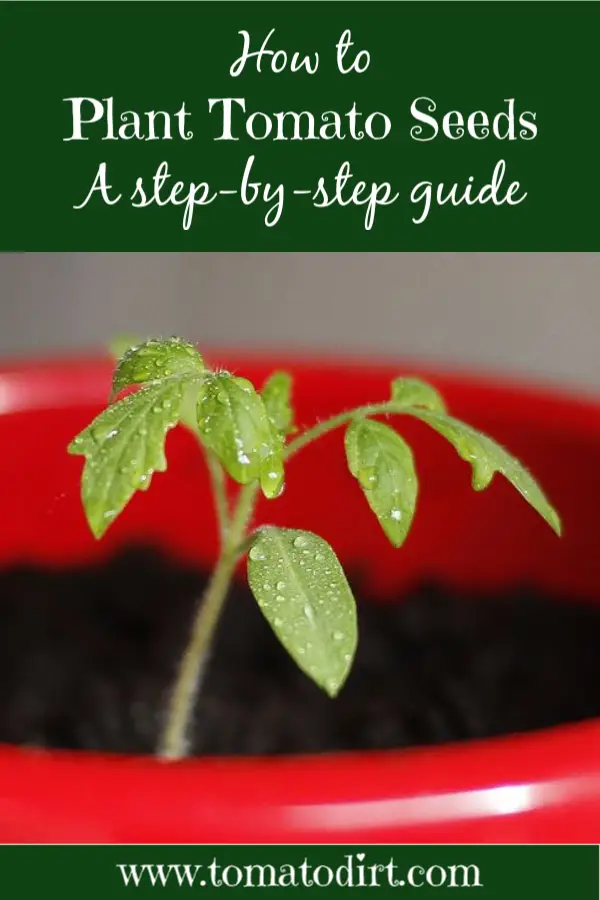
There's nothing quite like biting into a juicy, sun-ripened tomato straight from your own garden. The flavor is unmatched, and the satisfaction of growing your own food is incredibly rewarding. But the journey to that perfect tomato begins with a tiny seed, and the question often arises: Can I plant tomato seeds and how do I make sure they thrive?
Getting Started with Tomato Seeds
Growing tomatoes from seeds opens up a world of possibilities. You aren't limited to the varieties available at your local garden center; you can choose from countless heirloom and hybrid options, each with unique flavors, colors, and growth habits. But before you start scattering seeds, there are a few key factors to consider.
When to Plant Tomato Seeds
The timing of planting your tomato seeds is crucial for success. Tomatoes are warm-season plants and are sensitive to frost. In most regions, you'll need to start your seeds indoors 6-8 weeks before the last expected frost. This gives the seedlings enough time to develop a strong root system before being transplanted outdoors.
To determine the last frost date for your area, consult your local weather service or agricultural extension office. Once you know this date, you can count backwards 6-8 weeks to figure out when to plant your seeds. For instance, if your last frost date is typically around May 15th, you should start your seeds indoors sometime between late March and early April.
There are also some areas, like Southern California and Florida, where growing season is almost year-round. The best time for growing season in these areas will be between February and April. Then for fall crops, between August and October.
Where to Plant Tomato Seeds: Indoors vs. Outdoors
Starting your tomato seeds indoors gives you more control over the growing environment. You can provide consistent warmth, light, and moisture, which are essential for successful germination and early growth. Direct sowing tomato seeds outdoors is possible in areas with long growing seasons and warm soil temperatures, but it's generally less reliable.
Starting Tomato Seeds Indoors: A Step-by-Step Guide
Here's how to start your tomato seeds indoors:
- Choose a seed-starting mix: Use a sterile, well-draining seed-starting mix. Regular potting soil can be too heavy and may harbor disease.
- Select your containers: You can use seed trays, peat pots, or even recycled containers like yogurt cups. Make sure they have drainage holes. Speaking of seed trays, for a fantastic germination rate, consider usingSeed Starter Trays Self-Watering. This kit comes with a humidity dome and includes 5-pack 60-cell plant seedling trays which are reusable germination trays for indoor gardening seeds growing starting. This is an awesome way to ensure that your plants flourish right from the start! Check it out here: https://amzn.to/3RMLITT.
- Sow the seeds: Plant the seeds about ¼ inch deep in the seed-starting mix. Gently water the mix after planting.
- Provide warmth: Tomato seeds germinate best in warm temperatures, around 70-80°F (21-27°C). Use a heat mat or place the containers in a warm location.
- Provide light: Once the seedlings emerge, they need plenty of light to prevent them from becoming leggy. Place them under fluorescent grow lights or in a sunny window.
- Water carefully: Keep the seed-starting mix moist but not soggy. Water from the bottom to avoid damping-off, a fungal disease that can kill young seedlings.
- Harden off the seedlings: Before transplanting the seedlings outdoors, you need to gradually acclimate them to outdoor conditions. This process is called hardening off. Start by placing the seedlings outdoors for a few hours each day, gradually increasing the amount of time they spend outside.
Direct Sowing Tomato Seeds Outdoors: When and How
If you live in an area with a long growing season and warm soil temperatures, you can try direct sowing tomato seeds outdoors. However, this method is not recommended for beginners, as it requires careful timing and attention to detail. Here's what you need to know:
- Wait until the soil has warmed up to at least 60°F (16°C). Use a soil thermometer to check the temperature.
- Choose a sunny location with well-draining soil. Amend the soil with compost or other organic matter to improve its fertility and drainage.
- Sow the seeds about ¼ inch deep and space them according to the variety's mature size.
- Keep the soil consistently moist until the seeds germinate.
- Protect the seedlings from pests and diseases.
Direct sowing is a gamble because you lose some control over the environment. It's essential that there's no chance of late frosts or sudden temperature dips.
Choosing the Right Tomato Variety
The variety of tomato you choose to plant will depend on your personal preferences and growing conditions. There are two main types of tomatoes:
- Determinate tomatoes: These tomatoes grow to a certain size and then stop producing fruit. They are ideal for container gardening and areas with short growing seasons.
- Indeterminate tomatoes: These tomatoes continue to grow and produce fruit throughout the growing season. They require staking or caging to support their growth.
Within each type, there are countless varieties to choose from, each with its own unique characteristics. Some popular varieties include 'Beefsteak,' 'Roma,' 'Cherry,' and 'Heirloom.' Research different tomato varieties and choose ones that are well-suited to your climate and growing conditions. A local nursery or extension office can also give good recommendations.
Caring for Your Tomato Seedlings
Once your tomato seedlings have emerged, they need proper care to thrive. Here are some key tips:
- Water regularly: Keep the soil consistently moist but not soggy. Water early in the morning to allow the foliage to dry before nightfall.
- Fertilize regularly: Feed your tomato seedlings with a balanced fertilizer every 2-3 weeks.
- Provide support: As the plants grow, they will need staking or caging to support their weight.
- Pinch off suckers: Suckers are small shoots that grow in the crotch between the main stem and the branches. Pinching off these suckers will encourage the plant to focus its energy on producing fruit.
- Watch out for pests and diseases: Tomato plants are susceptible to a variety of pests and diseases. Monitor your plants regularly and take action if you notice any problems.
Troubleshooting Common Problems
Even with the best care, you may encounter some problems when growing tomatoes from seeds. Here are some common issues and how to address them:
- Poor germination: This could be due to old seeds, cold soil, or insufficient moisture. Make sure to use fresh seeds and provide warm, moist conditions.
- Leggy seedlings: This is usually caused by insufficient light. Provide more light or move the seedlings closer to the light source.
- Damping-off: This fungal disease can kill young seedlings. Use a sterile seed-starting mix and avoid overwatering.
- Pests: Common tomato pests include aphids, whiteflies, and tomato hornworms. Use insecticidal soap or other appropriate treatments to control these pests.
- Diseases: Common tomato diseases include early blight, late blight, and blossom end rot. Use disease-resistant varieties and practice good sanitation to prevent these diseases.
Conclusion: Is Planting Tomato Seeds Right for You?
Growing tomatoes from seed requires some effort and attention, but the rewards are well worth it. You'll have access to a wider variety of tomatoes, save money on transplants, and enjoy the satisfaction of growing your own food from start to finish. So, can you plant tomato seeds? Absolutely! With the right knowledge and techniques, you can successfully grow your own delicious tomatoes.