Are you dreaming of juicy, sun-ripened tomatoes bursting with flavor, but lack the space or the time for a traditional garden? Or perhaps you're tired of constantly worrying about whether your tomato plants are getting enough water? Then, the world of self-watering containers might just be your gardening salvation! Let's dive in and explore how you can grow amazing tomatoes using this clever and convenient method. The Magic of Self Watering Containers for Tomato Plants Self-watering containers, sometimes called sub-irrigated planters (SIPs), are designed to provide a consistent and reliable water supply to your plants, minimizing the need for frequent watering and dramatically reducing water waste. For tomato plants, which are known for their thirstiness, this can be a game-changer! The beauty of a tomato plant self watering container lies in its simplicity and efficiency. It essentially creates a mini-reservoir beneath the soil, allowing the plant...
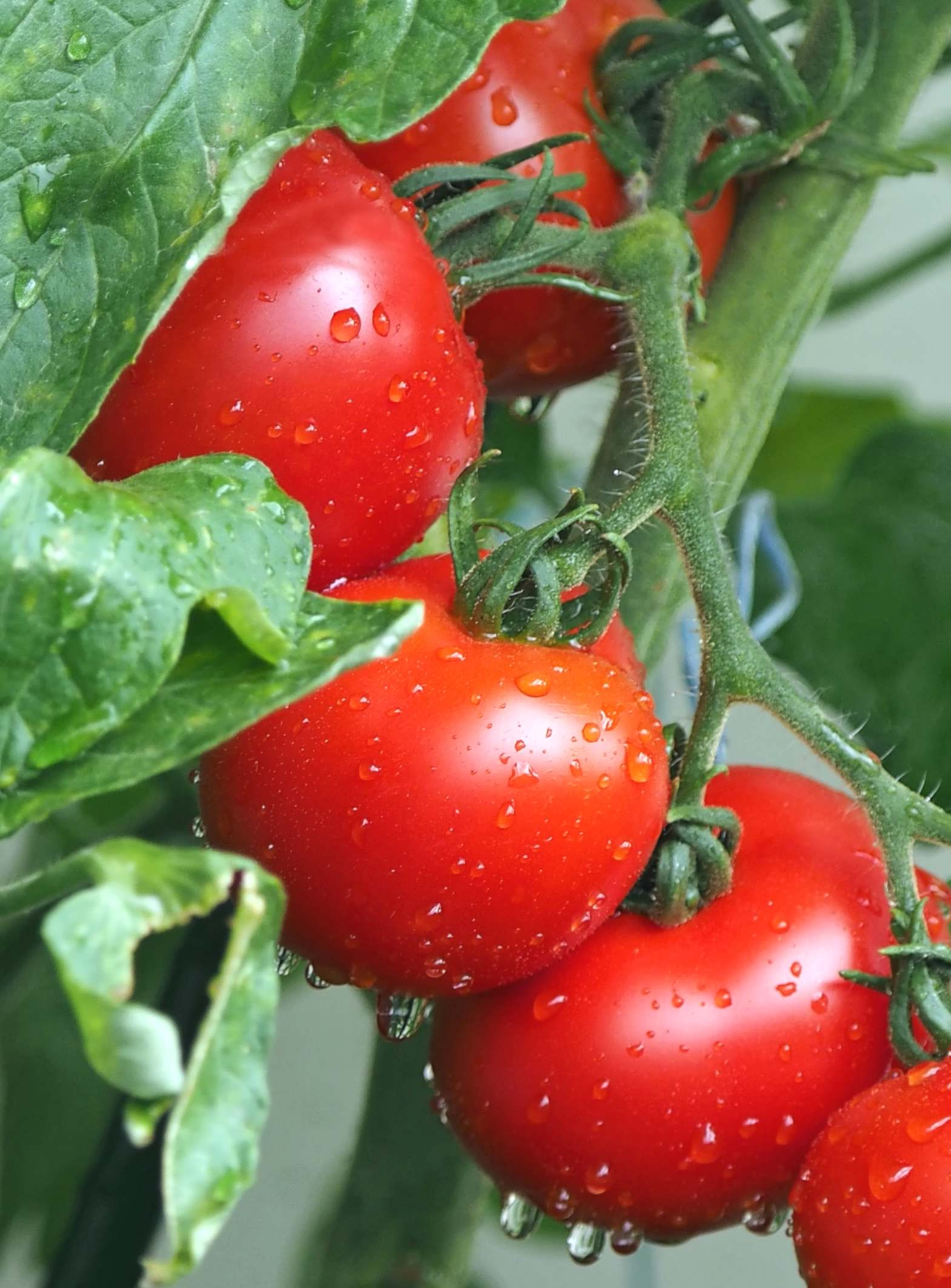
Imagine stepping onto your balcony and plucking a sun-ripened tomato, still warm from the sun, to add to your lunchtime salad. Doesn’t that sound idyllic? Well, it’s more attainable than you think, even if you don’t have a sprawling garden. Growing tomatoes in pots is a fantastic way to enjoy fresh, homegrown produce, and the best part? You can findtomato plants in pots for saleright now, ready to thrive in your space.
Tomato Plants in Pots For Sale:Your Gateway to Homegrown Goodness
Growing tomatoes has never been easier. With the increasing popularity of urban gardening, findingtomato plants in pots for sale has become incredibly convenient. But before you rush out to buy the first one you see, let’s delve into what to look for, how to care for them, and the wonderful benefits of growing your own.
Why Choose Tomato Plants in Pots?
There are numerous reasons why opting for tomato plants in pots is a smart choice, particularly for beginner gardeners or those with limited space.
- Space Efficiency: Perhaps the most obvious benefit is space. Pots allow you to grow tomatoes on balconies, patios, rooftops, or even indoors with adequate lighting.
- Mobility: Need to move your plants to follow the sun or protect them from unexpected frost? With pots, it's a breeze.
- Controlled Environment: You have greater control over the soil composition, watering, and fertilization, leading to healthier plants and better yields.
- Reduced Soilborne Diseases: Growing in pots minimizes the risk of soilborne diseases that can plague in-ground gardens.
- Aesthetic Appeal: Tomato plants, especially when laden with ripe fruit, are beautiful additions to any outdoor space.
What to Look For When Buying Tomato Plants in Pots for Sale
Not alltomato plants in pots for sale are created equal. Here's what to keep in mind when selecting your plants:
Plant Health and Appearance
This is paramount. Look for plants with:
- Sturdy stems: Avoid plants with thin, weak, or leggy stems.
- Healthy, green leaves: Yellowing, browning, or spotted leaves are signs of potential problems.
- No signs of pests or diseases: Check carefully for aphids, whiteflies, or any unusual growths.
- Well-established roots: Gently check the drainage holes at the bottom of the pot. If you see roots poking through, it's a good sign that the plant is well-rooted.
Variety Selection: Matching Tomatoes to Your Needs
Choosing the right tomato variety is crucial for success. Consider these factors:
- Determinate vs. Indeterminate:
- Determinate*tomato plants grow to a fixed size and produce their fruit all at once. They are generally more compact and suitable for smaller pots. Examples include Roma and Celebrity.
- Indeterminatetomato plants continue to grow and produce fruit throughout the growing season. They require staking or caging and can get quite large. Examples include Big Boy, Beefsteak, and Cherry tomatoes.
- Fruit Size and Type:Do you want juicy slicing tomatoes, small cherry tomatoes for snacking, or paste tomatoes for sauces?
- Disease Resistance: Look for varieties labeled with disease resistance codes (e.g., V, F, N, T, A) to protect your plants from common tomato diseases like Verticillium wilt, Fusarium wilt, nematodes, Tobacco Mosaic Virus, and Alternaria.
- Days to Maturity: Consider your local growing season. If you have a short summer, choose varieties with a shorter "days to maturity" timeframe.
Here's a table showcasing popular tomato varieties suitable for pots:
| Variety | Type | Fruit Size | Days to Maturity | Notes |
|---|---|---|---|---|
| Roma | Determinate | Medium (paste) | 75-80 | Excellent for sauces and canning. |
| Celebrity | Determinate | Medium (slicing) | 70-75 | Disease resistant and versatile. |
| Patio | Determinate | Small (slicing) | 60-70 | Compact and ideal for small spaces. |
| Cherry Falls | Determinate | Small (cherry) | 55-60 | Trailing habit, great for hanging baskets. |
| Sweet Million | Indeterminate | Small (cherry) | 60-65 | Prolific producer of sweet cherry tomatoes. |
Pot Size and Material
The size of the pot is critical for the plant's development. As a general guideline:
- Determinate varieties: At least 15-gallon pot is ideal.
- Indeterminate varieties: Opt for a 20-gallon pot or larger.
Pot material also matters. Terracotta pots dry out faster than plastic pots, so you'll need to water more frequently. Plastic pots are lightweight and retain moisture well. Fabric pots are a great option for drainage and aeration. If you're looking to get started easily, you might even consider something like anindoor hydroponics system, such as the Ahopegarden Indoor Garden Hydroponics Growing System, to simplify the growing process and get a great harvest. Find the amazing hydroponic herb vegetable growth systemhere:https://amzn.to/3RPpa Sk.
Caring for Your Tomato Plants in Pots
Once you've selected yourtomato plants in pots for sale, proper care is essential for a bountiful harvest.
Sunlight
Tomatoes need at least 6-8 hours of direct sunlight per day. Choose a location that receives plenty of sun.
Watering
Water deeply and regularly, especially during hot weather. Check the soil moisture regularly and water when the top inch feels dry. Avoid overwatering, as this can lead to root rot.
Fertilizing
Tomatoes are heavy feeders and need regular fertilization. Use a balanced fertilizer specifically formulated for tomatoes, following the package instructions. You can also supplement with compost tea or liquid seaweed fertilizer.
Support
Indeterminate tomato varieties need staking or caging to support their growth and prevent the fruit from touching the ground. Use sturdy stakes or cages that can withstand the weight of the mature plants and fruit.
Pruning
Pruning helps improve airflow and reduce the risk of diseases. Remove suckers (the small shoots that grow between the main stem and branches) regularly. For determinate varieties, minimal pruning is needed. For indeterminate varieties, prune regularly to maintain one or two main stems.
Pest and Disease Control
Monitor your plants regularly for pests and diseases. Treat any problems promptly with appropriate organic or chemical controls. Common tomato pests include aphids, whiteflies, tomato hornworms, and spider mites. Common tomato diseases include early blight, late blight, and blossom end rot.
Troubleshooting Common Issues with Tomato Plants in Pots
Even with the best care, you might encounter some challenges. Here are a few common issues and how to address them:
- Blossom End Rot: This is caused by calcium deficiency, often due to inconsistent watering. Ensure consistent watering and add calcium to the soil.
- Yellowing Leaves: This can be caused by overwatering, underwatering, nutrient deficiencies, or diseases. Check the soil moisture, fertilize regularly, and inspect for pests and diseases.
- Lack of Fruit: This can be caused by insufficient sunlight, poor pollination, or extreme temperatures. Ensure adequate sunlight, hand-pollinate if necessary, and protect plants from extreme heat or cold.
- Cracking Fruit: This is often caused by uneven watering. Maintain consistent watering and harvest fruit as soon as it ripens.
The Rewards of Growing Your Own Tomatoes
While growing tomatoes requires effort, the rewards are immense. There's nothing quite like the taste of a homegrown tomato, bursting with flavor and sweetness. Plus, you'll have the satisfaction of knowing you grew it yourself, using sustainable practices and without harmful chemicals. Sourcingtomato plants in pots for sale is just the first step towards enjoying a truly rewarding gardening experience.
So, what are you waiting for? Find your perfecttomato plants in pots for sale today and start enjoying the taste of summer, right from your own backyard (or balcony!).