Are you dreaming of juicy, sun-ripened tomatoes bursting with flavor, but lack the space or the time for a traditional garden? Or perhaps you're tired of constantly worrying about whether your tomato plants are getting enough water? Then, the world of self-watering containers might just be your gardening salvation! Let's dive in and explore how you can grow amazing tomatoes using this clever and convenient method. The Magic of Self Watering Containers for Tomato Plants Self-watering containers, sometimes called sub-irrigated planters (SIPs), are designed to provide a consistent and reliable water supply to your plants, minimizing the need for frequent watering and dramatically reducing water waste. For tomato plants, which are known for their thirstiness, this can be a game-changer! The beauty of a tomato plant self watering container lies in its simplicity and efficiency. It essentially creates a mini-reservoir beneath the soil, allowing the plant...
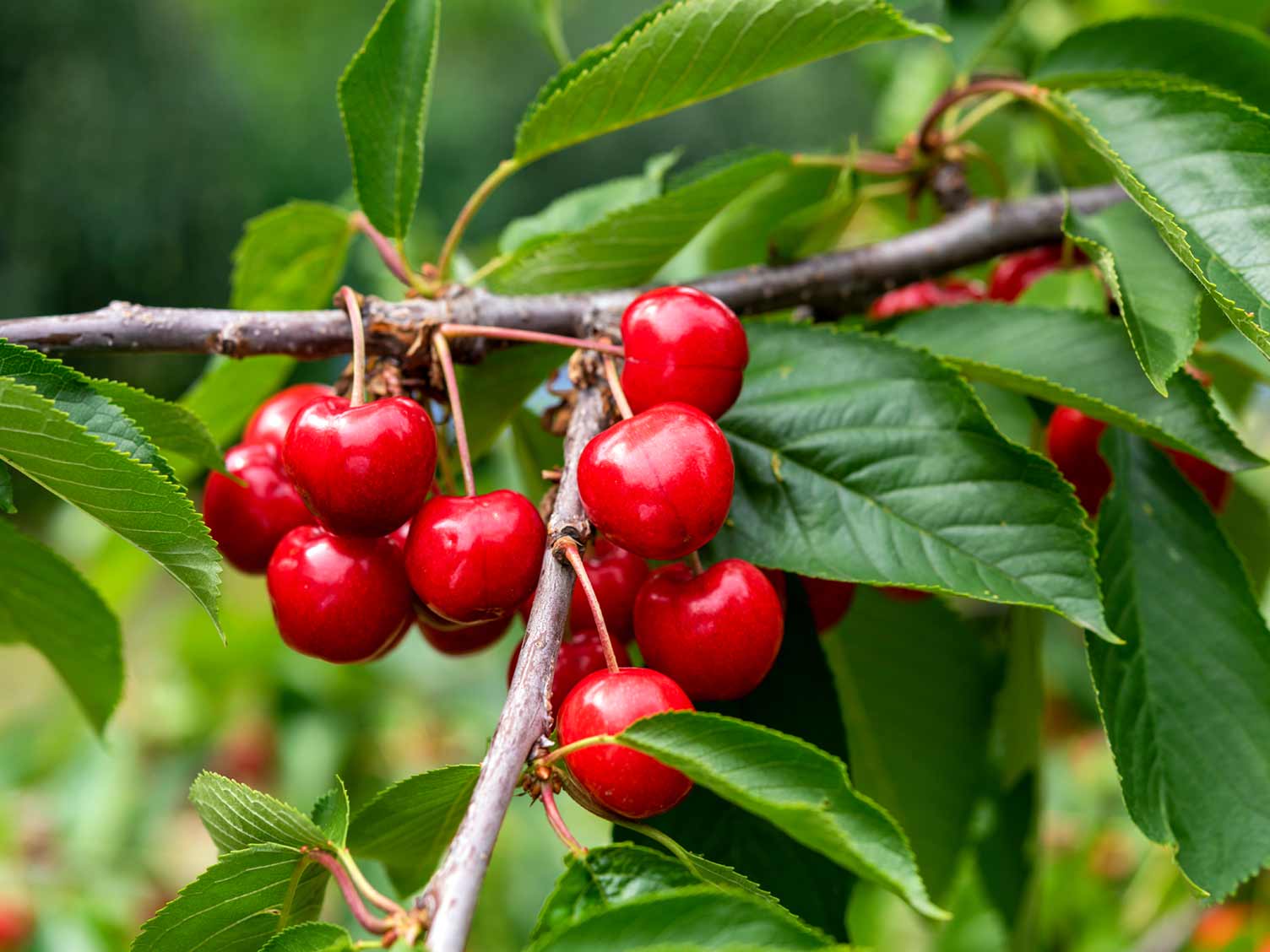
Imagine the delightful pop of a sweet, sun-ripened cherry tomato exploding in your mouth, even in the dead of winter. Sounds like a dream, right? Well, it's a dream you can make a reality! Growing cherry tomatoes indoors is easier than you might think, and it's a fantastic way to enjoy fresh, flavorful produce year-round. Let's dive into the wonderful world of indoor cherry tomato gardening!
Why Grow Cherry Tomatoes Indoors?
There are so many compelling reasons to consider bringing your cherry tomato cultivation indoors. Beyond the sheer joy of harvesting your own homegrown snacks, an indoor cherry tomato garden offers practical advantages that extend far beyond the summer months. Here's a breakdown of why you should embrace this rewarding horticultural pursuit:
Year-Round Harvest
This is perhaps the most enticing benefit. Forget relying on grocery store tomatoes that lack that vibrant, garden-fresh taste. By growing cherry tomatoes indoors, you can enjoy a continuous supply of these little bursts of flavor, regardless of the weather outside. You can consistently grow cherry tomatoes indoor and eliminate dependence on seasonal availability and enjoy the taste of fresh tomatoes throughout the year.
Control Over Growing Conditions
Indoor gardening puts you in the driver's seat. You have complete control over factors like temperature, humidity, light, and nutrients, creating the ideal environment for your cherry tomato plants to thrive. This is particularly crucial in regions with harsh climates or unpredictable weather patterns. This control allows you to cultivate healthier, more productive plants, minimizing the risk of pests and diseases that are often prevalent outdoors. Moreover, by carefully managing the light spectrum, you can optimize fruit production and sweetness. You can monitor the growing condition and ensure it is appropriate for cherry tomatoes indoor.
Space Efficiency
Don't have a sprawling backyard? No problem! Cherry tomatoes are relatively compact plants, especially when grown in containers. This makes them perfect for apartment dwellers, condo owners, or anyone with limited outdoor space. You can utilize vertical gardening techniques, hanging baskets, or compact hydroponic systems to maximize your yield without sacrificing valuable square footage. Even a sunny windowsill or a small corner of your living room can become a thriving cherry tomato garden. You can design your garden to fit in a small space to accommodate your cherry tomatoes indoor.
Organic and Pesticide-Free
When you grow your own cherry tomatoes, you know exactly what's going into them. You can avoid the use of harmful pesticides, herbicides, and other chemicals often found in commercially grown produce. This allows you to enjoy truly organic, healthy tomatoes that are free from potentially harmful residues. You also have the freedom to choose organic fertilizers and soil amendments, ensuring that your plants receive the best possible nutrition without compromising your health or the environment. You can rest assured the cherry tomatoes indoor that you grow are free of pesticides and harmful chemicals.
Therapeutic and Educational Benefits
Gardening, in general, is known to have therapeutic benefits, reducing stress, improving mood, and promoting a sense of well-being. Nurturing cherry tomato plants from seed to harvest can be incredibly rewarding and provides a tangible connection to nature. It's also a fantastic educational opportunity for children (and adults!), teaching them about plant life cycles, the importance of healthy eating, and the satisfaction of growing their own food. You can see the cherry tomatoes indoor grow and experience the process.
Choosing the Right Cherry Tomato Variety for Indoor Growing
Not all cherry tomato varieties are created equal when it comes to indoor gardening. Certain varieties are better suited for container growing and indoor environments than others. When selecting your seeds or seedlings, consider these factors:
Determinate vs. Indeterminate
This is a crucial distinction.Determinate varieties grow to a fixed size, produce all their fruit at once, and then stop growing. They are generally more compact and require less pruning, making them a good choice for beginners and those with limited space.Indeterminate varieties, on the other hand, continue to grow and produce fruit throughout the growing season. They require staking or caging for support and regular pruning to manage their growth. For indoor growing, determinate varieties are often preferred, but compact indeterminate varieties can also be successful with proper training.
Size and Growth Habit
Consider the mature size of the plant and its growth habit. Bushy or dwarf varieties are generally better suited for containers than sprawling, vining types. Look for varieties specifically labeled as "patio" or "container" tomatoes. These are typically bred to be more compact and manageable indoors.
Disease Resistance
Choose varieties that are resistant to common tomato diseases, such as Fusarium wilt, Verticillium wilt, and Tomato Mosaic Virus. This will reduce the risk of problems and make your indoor gardening experience much smoother.
Popular Indoor Cherry Tomato Varieties
Here are some popular cherry tomato varieties that are well-suited for indoor growing:
- Tiny Tim: A dwarf determinate variety that produces small, sweet cherry tomatoes.
- Patio Choice Yellow: A compact determinate variety with yellow cherry tomatoes.
- Tumbling Tom Red: A trailing variety perfect for hanging baskets, producing a prolific yield of red cherry tomatoes.
- Red Robin: An ultra-compact determinate variety that grows only about a foot tall, making it ideal for small spaces.
- Black Cherry: An indeterminate variety that produces dark, almost black cherry tomatoes with a rich, complex flavor. This one requires more space and pruning.
Setting Up Your Indoor Cherry Tomato Garden
Creating the right environment is key to success when growing cherry tomatoes indoors. Here's what you'll need to get started:
Choosing the Right Container
Select a container that is at least 12 inches in diameter and 12 inches deep. This will provide enough space for the roots to grow and develop. Ensure that the container has drainage holes to prevent waterlogging. Terracotta pots are a good choice, as they allow for good air circulation, but plastic pots are also suitable and retain moisture better. The size of the pot for the cherry tomatoes indoor is important.
Selecting the Right Soil
Use a high-quality potting mix that is well-draining and rich in organic matter. Avoid using garden soil, as it can be too heavy and compact for container growing. A mix of peat moss, perlite, and vermiculite is a good option. You can also amend the soil with compost or aged manure to provide extra nutrients. Make sure the soil for your cherry tomatoes indoor has nutrients.
Providing Adequate Light
Cherry tomatoes need at least 6-8 hours of direct sunlight per day to thrive. If you don't have a sunny windowsill, you'll need to supplement with artificial lighting. LED grow lights are an excellent choice, as they are energy-efficient and provide the full spectrum of light that plants need. Position the lights about 6-12 inches above the plants and adjust as they grow. The most important thing for cherry tomatoes indoor is the light.
Maintaining Temperature and Humidity
Cherry tomatoes prefer temperatures between 65-80°F (18-27°C). Avoid placing your plants near drafts or heating vents, as this can cause temperature fluctuations. Maintain a humidity level of around 40-60%. You can increase humidity by placing a tray of water near the plants or using a humidifier. Pay attention to the temperature and humidity for your cherry tomatoes indoor.
Watering and Fertilizing
Water your cherry tomato plants regularly, keeping the soil consistently moist but not waterlogged. Water deeply whenever the top inch of soil feels dry to the touch. Fertilize your plants every 2-3 weeks with a balanced liquid fertilizer. Follow the instructions on the fertilizer package carefully, as over-fertilizing can damage your plants. The balance between watering and fertilizing is important for cherry tomatoes indoor.
Caring for Your Indoor Cherry Tomato Plants
Once your cherry tomato plants are established, ongoing care is essential for maximizing your yield and ensuring healthy growth.
Pruning and Training
For indeterminate varieties, regular pruning is necessary to remove suckers (the shoots that grow between the main stem and the branches). This encourages the plant to focus its energy on fruit production. Provide support for your plants using stakes, cages, or trellises. As the plants grow, tie the stems to the support structure to prevent them from falling over. For determinate varieties, pruning is less critical, but you may still want to remove any dead or yellowing leaves.
Pollination
Indoor cherry tomato plants may need assistance with pollination, as there are no bees or other pollinators to do the job. You can hand-pollinate your plants by gently shaking the flower stems or using a small paintbrush to transfer pollen from one flower to another. You can also use a small fan to circulate air around the plants, which can help to distribute pollen. You can ensure the fruit production of your cherry tomatoes indoor by helping it with pollination.
Pest and Disease Control
Monitor your plants regularly for signs of pests or diseases. Common pests that can affect cherry tomatoes include aphids, whiteflies, and spider mites. You can control these pests with insecticidal soap or neem oil. Diseases such as blight and powdery mildew can also be a problem. Prevent these diseases by providing good air circulation and avoiding overwatering. If you spot any signs of disease, remove the affected leaves or plants immediately. It is important to prevent pests and diseases for your cherry tomatoes indoor.
Harvesting
Cherry tomatoes are typically ready to harvest about 60-80 days after planting. The fruits should be fully colored and slightly soft to the touch. Gently twist the tomatoes from the vine, being careful not to damage the plant. Harvest your tomatoes regularly to encourage continued fruit production. You can harvest your home-grown cherry tomatoes indoor regularly.
Growing cherry tomatoes indoors is a rewarding and enjoyable experience that can provide you with a year-round supply of fresh, flavorful produce. With a little planning and care, you can transform your home into a thriving indoor garden. Good luck, and happy gardening!
Speaking of making indoor gardening easier, you might want to check out a system like the Ahopegarden Indoor Garden Hydroponics Growing System. With 10 pods, a germination kit, aeroponic technology, and an LED grow light, this hydroponic planter provides an optimal environment for your indoor herbs and vegetables, including, of course, your beloved cherry tomatoes! Get your own indoor herb and vegetable growth lamp at https://amzn.to/3RPpa Sk.