Are you dreaming of juicy, sun-ripened tomatoes bursting with flavor, but lack the space or the time for a traditional garden? Or perhaps you're tired of constantly worrying about whether your tomato plants are getting enough water? Then, the world of self-watering containers might just be your gardening salvation! Let's dive in and explore how you can grow amazing tomatoes using this clever and convenient method. The Magic of Self Watering Containers for Tomato Plants Self-watering containers, sometimes called sub-irrigated planters (SIPs), are designed to provide a consistent and reliable water supply to your plants, minimizing the need for frequent watering and dramatically reducing water waste. For tomato plants, which are known for their thirstiness, this can be a game-changer! The beauty of a tomato plant self watering container lies in its simplicity and efficiency. It essentially creates a mini-reservoir beneath the soil, allowing the plant...
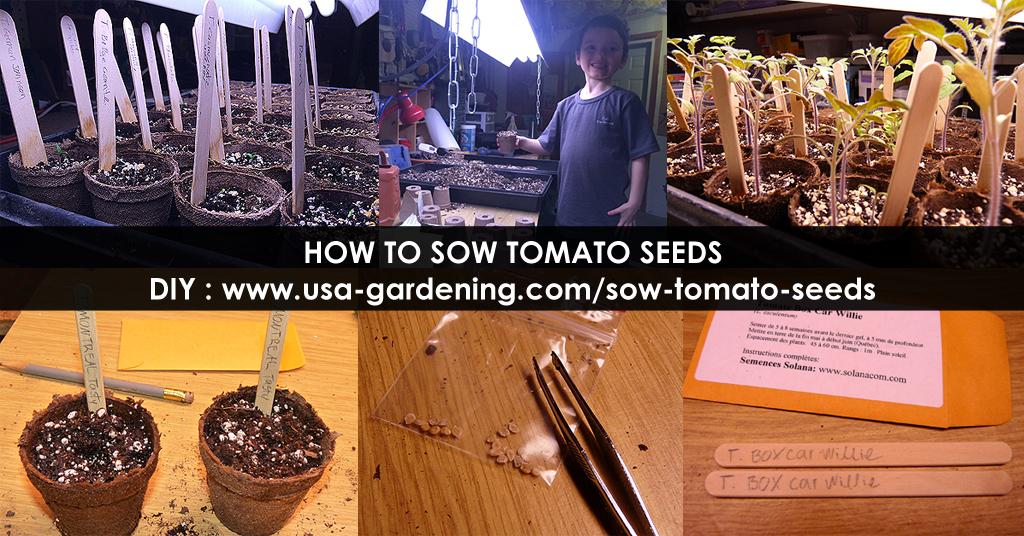
Dreaming of vine-ripened tomatoes bursting with flavor? The secret to a successful tomato harvest often starts long before you see those first green fruits appear. It all begins with understanding the right time to sow your tomato seeds, especially if you plan on planting them directly outdoors. Get the timing wrong, and you could be facing stunted growth, delayed fruiting, or even total crop failure. Let's get the timing right!
When is the Right Time to Sow Tomato Seeds Outdoors?
Determining the perfect timewhen to sow tomato seeds outdoors is crucial for a bountiful harvest. Unlike some vegetables that thrive in cooler temperatures, tomatoes are warmth-loving plants. They demand consistent warmth, both in the soil and in the air, to germinate properly and grow strong. Sowing too early, when the ground is still cold and frost is a risk, can spell disaster for your young seedlings.
The most important factor to consider is the last expected frost date in your area. This date marks the average last day you can expect freezing temperatures. You can typically find this information from your local agricultural extension office, weather websites, or even by asking experienced gardeners in your community.As a general rule, wait until at least two weeks after the last expected frost date to sow your tomato seeds directly into the ground.
Here's why this timing is so critical:
- Soil Temperature: Tomato seeds germinate best when the soil temperature is consistently above 60°F (15°C). Cold soil inhibits germination and can lead to rotting seeds.
- Air Temperature: Even if the soil is warm enough, a sudden cold snap can damage or kill young tomato seedlings. Waiting until after the last frost reduces this risk.
- Sunlight: Young tomato plants need plenty of sunlight to thrive. Sowing too early, when days are shorter and the sun's rays are weaker, can result in leggy, weak plants.
Factors Influencing the Ideal Time to Sow Tomato Seeds Outdoors
While the last frost date is a primary guide, other factors can influence your decision onthe best time to sow tomato seeds outdoors:
- Your Local Climate: Microclimates can exist even within the same region. For example, a garden sheltered from the wind may warm up faster than an exposed area.
- Tomato Variety: Some tomato varieties are more cold-tolerant than others. Heirlooms tend to be more susceptible to cold than modern hybrids. Check the seed packet for specific recommendations.
- Soil Type: Dark soils tend to warm up faster than light-colored soils. Well-draining soils also warm up faster than heavy, compacted soils.
- Weather Patterns: Keep an eye on the long-range weather forecast. If an unseasonable cold spell is predicted, it's best to delay sowing.
How to Determine Soil Temperature for Sowing Tomato Seeds
A simple soil thermometer is an invaluable tool for determining when your soil is warm enough tosow tomato seeds outdoors. Here's how to use it:
- Insert the thermometer into the soil at a depth of about 2-3 inches (5-7 cm).
- Take readings at different times of the day, especially in the morning and afternoon.
- Record the readings for several days to get an average soil temperature.
- If the soil temperature consistently remains above 60°F (15°C), it's generally safe to sow your tomato seeds.
Alternatives to Direct Sowing: Starting Tomato Seeds Indoors
Direct sowing of tomato seeds can be riskier than starting them indoors. Starting your tomato seeds indoors gives you more control over the environment, protecting them from cold temperatures and pests. This method is particularly beneficial if you live in an area with a short growing season. Then, after the danger of frost has passed, you can carefully transplant the seedlings outdoors. This approach leads to earlier harvests and healthier plants.
When starting tomato seeds indoors, aim to sow them about 6-8 weeks before your last expected frost date. This gives them enough time to develop into strong, healthy seedlings before transplanting them outdoors. Using a quality seed-starting mix and providing adequate light are essential for success. Consider using a dedicated grow light to ensure your seedlings receive enough light, especially if you don't have a sunny windowsill. Also, ensure proper watering techniques to avoid "damping off" or overwatering. For instance, you can try a hydroponics growing system like Ahopegarden Indoor Garden Hydroponics Growing System, an excellent option for those looking to get a head start. This 10-pod hydroponics planter features an aeroponic system with LED grow lights, perfect for starting herbs and vegetables like tomatoes. You can find it on Amazon at: Ahopegarden Indoor Garden Hydroponics Growing System.
Direct Sowing Tomato Seeds Outdoors: A Step-by-Step Guide
If you decide tosow your tomato seeds outdoors directly, follow these steps to increase your chances of success:
- Choose a sunny location: Tomatoes need at least 6-8 hours of sunlight per day.
- Prepare the soil: Amend the soil with compost or well-rotted manure to improve drainage and fertility.
- Sow the seeds: Plant the seeds about ¼ inch (0.6 cm) deep and 1-2 inches (2.5-5 cm) apart.
- Water gently: Keep the soil consistently moist, but not waterlogged.
- Thin the seedlings: Once the seedlings emerge and have a few true leaves, thin them to the strongest plant every 18-24 inches (45-60 cm).
- Protect from pests: Keep an eye out for pests like slugs and snails and take appropriate measures to control them.
Troubleshooting Common Problems When Sowing Tomato Seeds Outdoors
Even with careful planning, challenges can arisewhen sowing tomato seeds outdoors. Here are some common issues and how to address them:
- Poor Germination: If your tomato seeds aren't germinating, it could be due to cold soil, overly wet soil, or old seeds. Ensure the soil temperature is adequate, avoid overwatering, and use fresh seeds.
- Seedling Death: Seedlings can die due to damping-off disease, which is caused by a fungal infection. To prevent damping-off, use a sterile seed-starting mix, avoid overwatering, and provide good air circulation.
- Pest Damage: Slugs, snails, and other pests can damage young tomato seedlings. Use organic pest control methods, such as diatomaceous earth or beer traps, to protect your plants.
Enjoying Your Homegrown Tomatoes
Ultimately, decidingwhen to sow your tomato seeds outdoors depends on your specific location, climate, and tomato variety. By carefully considering these factors and following the tips outlined in this guide, you can increase your chances of a successful tomato harvest. From delicious summer salads to homemade sauces, the taste of homegrown tomatoes is a reward well worth the effort. Happy gardening!