Are you dreaming of juicy, sun-ripened tomatoes bursting with flavor, but lack the space or the time for a traditional garden? Or perhaps you're tired of constantly worrying about whether your tomato plants are getting enough water? Then, the world of self-watering containers might just be your gardening salvation! Let's dive in and explore how you can grow amazing tomatoes using this clever and convenient method. The Magic of Self Watering Containers for Tomato Plants Self-watering containers, sometimes called sub-irrigated planters (SIPs), are designed to provide a consistent and reliable water supply to your plants, minimizing the need for frequent watering and dramatically reducing water waste. For tomato plants, which are known for their thirstiness, this can be a game-changer! The beauty of a tomato plant self watering container lies in its simplicity and efficiency. It essentially creates a mini-reservoir beneath the soil, allowing the plant...
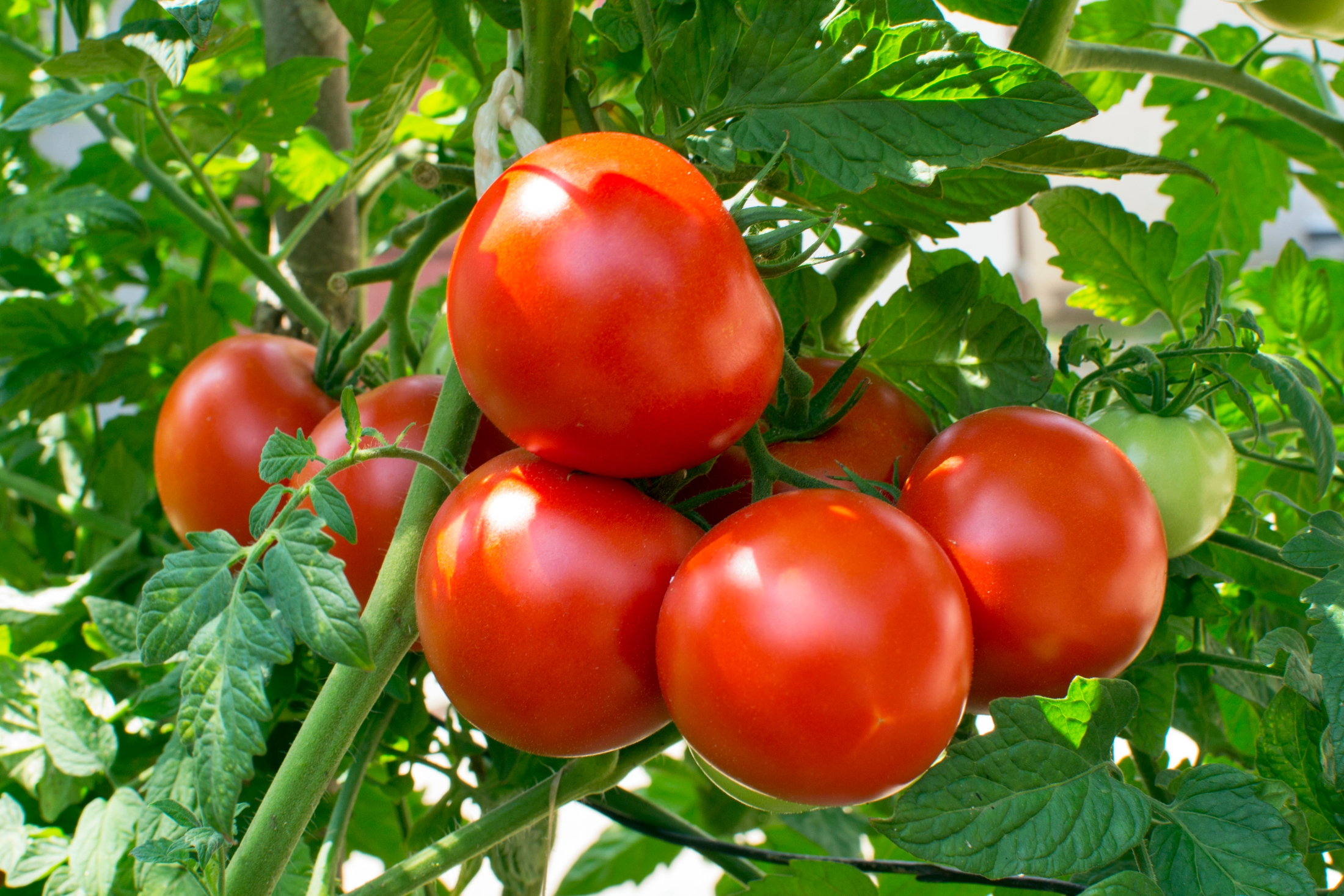
There's nothing quite like biting into a sun-warmed, juicy tomato you've grown yourself. The vibrant color, the incredible flavor – it's a taste of summer that simply can't be beat. But achieving that homegrown tomato bliss often feels like a daunting task, especially if you're short on space or gardening expertise. That's where tomato grow pots come in, and luckily, there are plenty of great options fortomato grow pots for sale right now!
Choosing the Right Tomato Grow Pots
Selecting the perfect tomato grow pots is more than just grabbing the first container you see. It's about considering the needs of your tomato plants, your available space, and your gardening style. Tomato plants are relatively heavy feeders and thirsty plants, requiring lots of resources and space to grow. This means selecting the correct size and shape of your tomato plant will be an important decision to make to ensure that your tomato plants yield the best harvest. Let's dive into the key factors that will help you make an informed decision, leading you to a bountiful harvest of delicious tomatoes.
Size Matters: Selecting the Ideal Tomato Grow Pot Size
One of the most crucial considerations is the size of the grow pot. Tomatoes, especially indeterminate varieties that continue to grow and produce fruit throughout the season, need ample space for their root systems to develop. Underestimating the size requirement can lead to stunted growth, reduced yields, and overall plant stress. For determinant varieties, which are smaller and more compact, a 10-15 gallon pot might suffice. Indeterminate varieties, however, thrive in larger containers, typically requiring at least a 20-gallon pot. Consider the following guidelines:
- Determinate Tomatoes: 10-15 gallon pots
- Indeterminate Tomatoes: 20+ gallon pots
Why is size so important? A larger pot provides more soil volume, which translates to more nutrients and water available to the plant. It also offers better insulation, protecting the roots from extreme temperature fluctuations. Think of it like this: a small pot is like a cramped apartment, while a larger pot is like a spacious home where the roots can stretch out and thrive. If you're looking fortomato growing pots available for purchase, ensure that you have correctly measured the size and type of tomato that you wish to grow.
Material World:Exploring Different Types of Tomato Grow Pots
Tomato grow pots come in a variety of materials, each with its own set of advantages and disadvantages. The most common materials include plastic, terracotta, fabric, and wood. Each of these materials will impact heat retention, water usage, and even the overall growth of your tomatoes.
Consider the following table for an overview:
| Material | Pros | Cons |
|---|---|---|
| Plastic | Lightweight, durable, inexpensive, retains moisture well. | Can overheat in direct sunlight, less breathable than other materials. |
| Terracotta | Porous, allows for good drainage and aeration, aesthetically pleasing. | Heavy, can dry out quickly, more expensive than plastic. |
| Fabric (Grow Bags) | Excellent drainage and aeration, lightweight, promotes air pruning of roots. | Dries out quickly, may require more frequent watering, can be less durable. |
| Wood | Natural look, relatively durable, can be custom built to size. | Can rot over time, may leach chemicals if not properly treated. |
Plastic pots are a budget-friendly and practical choice, but they can get very hot in direct sunlight, potentially harming the roots. Terracotta pots offer excellent drainage and aeration, but they can dry out quickly and are more prone to cracking. Fabric grow bags are a popular option for their breathability and air pruning benefits, but they require more frequent watering. Wood pots offer a natural and aesthetically pleasing option. Ultimately, the best material for you depends on your specific climate, watering habits, and aesthetic preferences. When consideringtomato grow pots for sale, remember to consider what material will be best for your needs.
Drainage is Key:Preventing Waterlogged Roots
Proper drainage is absolutely essential for healthy tomato plants. Tomatoes are susceptible to root rot if their roots are constantly sitting in water. Ensure that your grow pots have adequate drainage holes at the bottom to allow excess water to escape. If you're using a pot without drainage holes, you can drill your own.
You can improve drainage further by adding a layer of gravel or pebbles to the bottom of the pot before adding the soil. This will help to prevent the drainage holes from becoming clogged with soil. Good drainage is critical and will result in a happy, healthy plant and plentiful fruit!
Choosing the Right Soil for Your Tomato Grow Pots
The soil you use in your tomato grow pots is just as important as the pot itself. Avoid using regular garden soil, as it can be too heavy and compact, hindering drainage and root growth. Instead, opt for a high-quality potting mix specifically formulated for containers. Look for a mix that is well-draining, lightweight, and rich in organic matter. Consider adding compost or other organic amendments to further improve the soil's fertility and water-retention capacity.
Sunlight and Location: Optimizing Growing Conditions
Tomatoes are sun-loving plants and require at least 6-8 hours of direct sunlight per day to thrive. Choose a location for your tomato grow pots that receives ample sunlight. If you're growing tomatoes indoors, you may need to supplement with grow lights. Also, consider the location for access to watering and protecting your plants from wind. It is a lot more difficult to harvest your tomato plants and maintain their health when they are tucked away in a place that you can barely reach!
Tips for Growing Tomatoes in Pots Successfully
Growing tomatoes in pots can be incredibly rewarding, but it also requires a bit of extra care and attention. Here are a few tips to help you achieve success:
- Water regularly: Tomatoes need consistent moisture, especially during hot weather. Water deeply whenever the top inch of soil feels dry.
- Fertilize frequently: Tomatoes are heavy feeders and benefit from regular fertilization. Use a balanced fertilizer specifically formulated for tomatoes.
- Provide support: Indeterminate tomato varieties will need support as they grow. Use stakes, cages, or trellises to keep the plants upright and prevent the fruit from touching the ground.
- Prune regularly: Prune suckers (the small shoots that grow between the main stem and the branches) to encourage fruit production.
- Monitor for pests and diseases: Keep an eye out for common tomato pests and diseases, such as aphids, whiteflies, and early blight. Take action promptly to prevent infestations or infections from spreading.
By following these tips, you can create a thriving tomato garden right on your patio or balcony, regardless of your space limitations. Remember to check your local nurseries and online retailers for the best deals ontomato growing pots for sale.
Speaking of growing tomatoes and other plants indoors, have you considered a hydroponic system? For those looking to grow herbs and vegetables indoors, a hydroponic system like theAhopegarden Indoor Garden Hydroponics Growing System is an excellent option. With its 10-pod capacity, LED grow light, and aeroponic design, this hydroponic planter makes it easy to harvest lettuce, herbs, and even tomatoes right on your countertop! Find it here: https://amzn.to/3RPpa Sk