Are you dreaming of juicy, sun-ripened tomatoes bursting with flavor, but lack the space or the time for a traditional garden? Or perhaps you're tired of constantly worrying about whether your tomato plants are getting enough water? Then, the world of self-watering containers might just be your gardening salvation! Let's dive in and explore how you can grow amazing tomatoes using this clever and convenient method. The Magic of Self Watering Containers for Tomato Plants Self-watering containers, sometimes called sub-irrigated planters (SIPs), are designed to provide a consistent and reliable water supply to your plants, minimizing the need for frequent watering and dramatically reducing water waste. For tomato plants, which are known for their thirstiness, this can be a game-changer! The beauty of a tomato plant self watering container lies in its simplicity and efficiency. It essentially creates a mini-reservoir beneath the soil, allowing the plant...
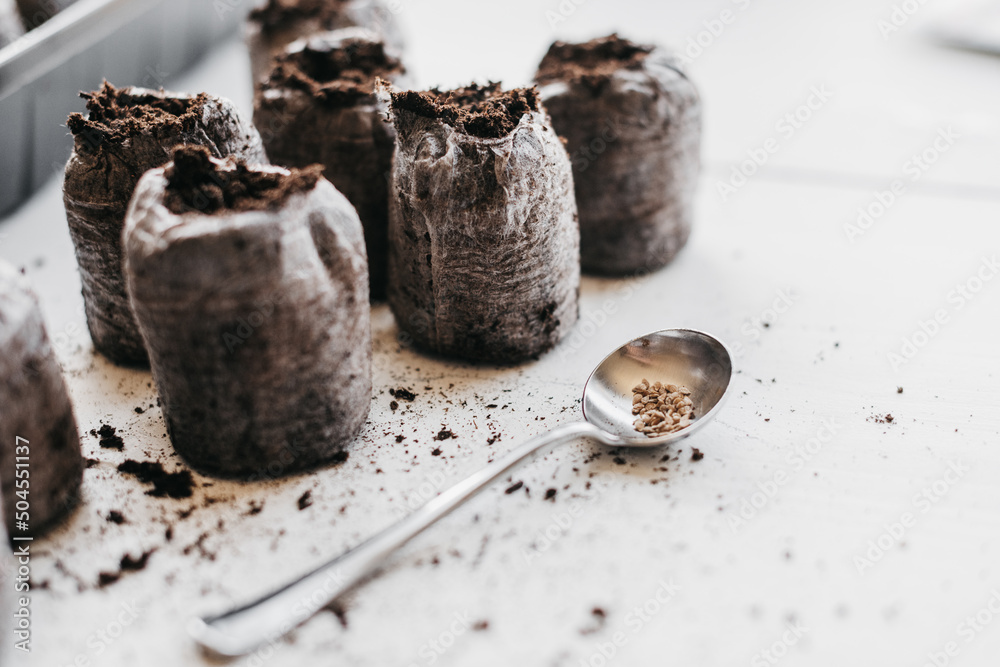
Picture this: It's a cold, blustery day outside, but inside your home, vibrant green tomato seedlings are thriving under a grow light. The promise of fresh, homegrown tomatoes in the middle of summer feels within reach, even before the last frost has passed. Starting tomato plants indoors is a fantastic way to get a head start on the growing season and enjoy delicious, juicy tomatoes earlier than your neighbors!
Why Start Tomato Plants Inside?
Startingtomato plants inside offers several significant advantages, making it a popular choice for gardeners in regions with short growing seasons or those simply eager to harvest their own tomatoes as soon as possible. It's a way to control the environment and give your plants the best possible start. Here are some key reasons to consider this method:
Extending the Growing Season
One of the primary benefits of startingtomato plants indoors is the ability to extend the growing season. By starting seeds indoors 6-8 weeks before the last expected frost, you give your plants a head start. This means they'll be larger and more mature when they're transplanted outdoors, resulting in earlier fruit production. For gardeners in cooler climates, this can be the difference between a decent harvest and a bumper crop.
Controlling the Environment
When you starttomato plants indoors, you have complete control over their environment. You can regulate temperature, humidity, and light exposure, providing the ideal conditions for germination and early growth. This level of control is difficult to achieve outdoors, where plants are susceptible to weather fluctuations, pests, and diseases. For example, maintaining a consistent temperature between 70-75°F (21-24°C) during germination is crucial for success, and this is much easier to do indoors.
Stronger and Healthier Plants
Startingtomato plants inside allows you to nurture them from the very beginning, ensuring they develop strong root systems and healthy foliage. This leads to more resilient plants that are better able to withstand the stresses of transplanting and the challenges of outdoor growing conditions. You can carefully monitor their growth, providing them with the necessary nutrients and addressing any issues early on.
Saving Money
While there's an initial investment in supplies like seed starting trays, soil, and grow lights, starting your own tomato plants from seed can ultimately save you money compared to buying transplants from a nursery. Seed packets are relatively inexpensive, and you can grow a large number of plants from a single packet. Plus, you have a wider selection of tomato varieties to choose from when starting from seed.
When to Start Your Tomato Seeds Inside
Timing is crucial when starting*tomato seeds indoors. You'll want to start them about 6-8 weeks before the average last frost date in your area. This allows the seedlings enough time to develop into healthy plants without becoming too large and leggy before they can be transplanted outdoors. To determine the best time to start your seeds, find out the average last frost date for your region and count back 6-8 weeks. A simple online search for "average last frost date [your location]" should provide you with the information you need.
Supplies You'll Need to Start Tomato Plants Indoors
To successfully starttomato plants inside, you'll need to gather a few essential supplies. Having everything on hand before you begin will make the process much smoother and more enjoyable. Here's a list of the basics:
- Tomato Seeds: Choose varieties that are well-suited to your climate and personal preferences. Consider factors like disease resistance, fruit size, and ripening time.
- Seed Starting Trays or Containers: These can be plastic trays with individual cells, peat pots, or even repurposed containers like yogurt cups. Make sure they have drainage holes.
- Seed Starting Mix: Use a lightweight, sterile seed starting mix specifically formulated for seedlings. Avoid using garden soil, as it can be too heavy and may contain pathogens.
- Grow Lights: Tomato seedlings need plenty of light to grow strong and healthy. A fluorescent or LED grow light is essential, especially if you don't have a sunny windowsill.
- Heat Mat (Optional): A heat mat can help speed up germination by providing consistent bottom heat.
- Watering Can or Spray Bottle: Use a gentle watering can or spray bottle to keep the soil moist but not waterlogged.
- Labels: Label each tray or container with the tomato variety and planting date to keep track of your seedlings.
The Step-by-Step Guide to Starting Tomato Plants Indoors
Now that you have your supplies ready, let's walk through the process of startingtomato plants indoors step by step:
- Prepare Your Seed Starting Trays or Containers: Fill each cell or container with seed starting mix, leaving about ½ inch of space at the top.
- Sow the Seeds: Make a small indentation in the soil (about ¼ inch deep) in each cell or container. Place 2-3 tomato seeds in each indentation. This ensures at least one seed will germinate.
- Cover the Seeds: Gently cover the seeds with seed starting mix and lightly water the soil.
- Provide Warmth and Moisture: Place the trays or containers on a heat mat (if using) and cover them with a plastic dome or plastic wrap to create a humid environment.
- Monitor Germination: Keep the soil consistently moist but not waterlogged. Check daily for germination, which typically takes 5-10 days.
- Provide Light: Once the seedlings emerge, remove the plastic dome or plastic wrap and place the trays or containers under grow lights. Position the lights a few inches above the seedlings and keep them on for 14-16 hours per day.
- Thin the Seedlings: Once the seedlings have their first true leaves (the second set of leaves), thin them to one plant per cell or container by snipping off the weaker seedlings at the soil line.
- Water Regularly: Water the seedlings regularly, allowing the soil to dry out slightly between waterings.
- Fertilize: Once the seedlings have their second set of true leaves, begin fertilizing them with a diluted liquid fertilizer specifically formulated for seedlings.
- Harden Off: About a week before transplanting the seedlings outdoors, gradually acclimate them to outdoor conditions by exposing them to increasing amounts of sunlight and wind each day. This process is called "hardening off."
Troubleshooting Common Problems When Starting Tomatoes Indoors
Even with the best intentions, you may encounter some common problems when startingtomato plants indoors. Here are some tips for troubleshooting these issues:
Leggy Seedlings
Leggy seedlings are tall and spindly with weak stems. This is usually caused by insufficient light. Make sure your grow lights are close enough to the seedlings and that they are turned on for enough hours each day. You can also gently brush your hand over the seedlings several times a day to encourage them to develop stronger stems.
Damping Off
Damping off is a fungal disease that causes seedlings to collapse and die. It's often caused by overwatering and poor air circulation. Make sure your seed starting mix is well-draining and avoid overwatering. Provide good air circulation by using a fan or opening a window.
Slow Germination
Slow germination can be caused by cold temperatures or dry soil. Use a heat mat to provide consistent bottom heat and make sure the soil is consistently moist. If the seeds are old, they may also have a lower germination rate.
Yellowing Leaves
Yellowing leaves can be a sign of nutrient deficiency. Begin fertilizing your seedlings with a diluted liquid fertilizer once they have their second set of true leaves.
Transplanting Your Tomato Seedlings Outdoors
Once the danger of frost has passed and your tomato seedlings have been properly hardened off, it's time to transplant them outdoors. Choose a sunny location with well-drained soil. Dig a hole slightly larger than the root ball of the seedling and gently remove the seedling from its container. Place the seedling in the hole and backfill with soil. Water thoroughly and add a layer of mulch to help retain moisture and suppress weeds. Consider using tomato cages or stakes to support the plants as they grow. For a successful harvest, provide the right growing environment for the tomato seedlings that you have nurtured indoors.
For those looking for an even easier way to nurture your tomato seedlings indoors, the Ahopegarden Indoor Garden Hydroponics Growing System, a complete 10-pod plant germination kit with an aeroponic system, LED grow light, and everything you need to start your garden on your countertop is a great alternative. With this hydroponic planter, you can grow a variety of herbs and vegetables, including lettuce. You can find more about this indoor garden at: Ahopegarden Indoor Garden.