Are you dreaming of juicy, sun-ripened tomatoes bursting with flavor, but lack the space or the time for a traditional garden? Or perhaps you're tired of constantly worrying about whether your tomato plants are getting enough water? Then, the world of self-watering containers might just be your gardening salvation! Let's dive in and explore how you can grow amazing tomatoes using this clever and convenient method. The Magic of Self Watering Containers for Tomato Plants Self-watering containers, sometimes called sub-irrigated planters (SIPs), are designed to provide a consistent and reliable water supply to your plants, minimizing the need for frequent watering and dramatically reducing water waste. For tomato plants, which are known for their thirstiness, this can be a game-changer! The beauty of a tomato plant self watering container lies in its simplicity and efficiency. It essentially creates a mini-reservoir beneath the soil, allowing the plant...
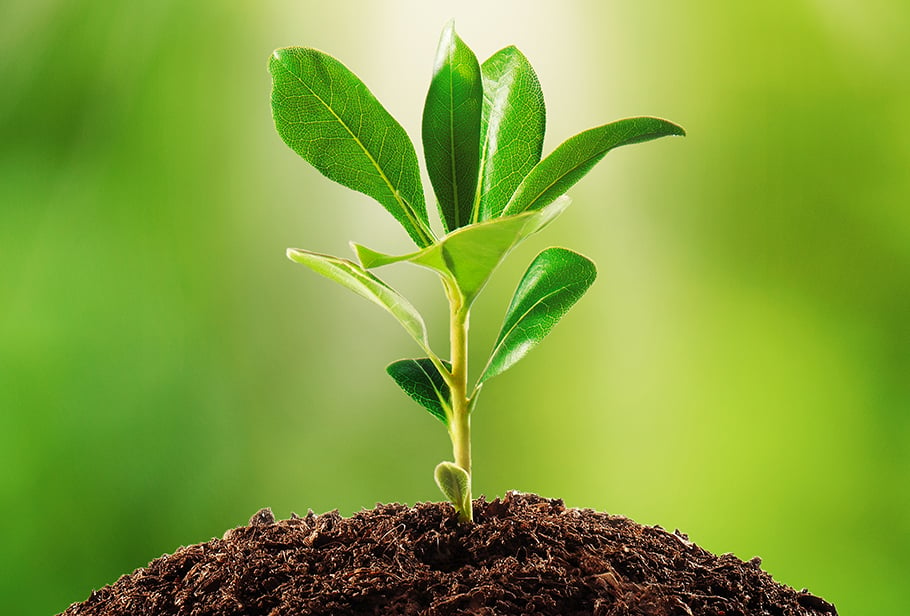
There’s nothing quite like the taste of a sun-ripened, homegrown tomato. The vibrant color, the juicy sweetness, and the satisfaction of knowing you nurtured it from a tiny seed – it’s a gardener's dream! And the best part? You don't need acres of land to achieve this dream. Starting your tomato plants from seeds in pots is a simple and rewarding way to enjoy fresh tomatoes, even if you only have a small balcony or patio.
Starting Tomato Seeds Indoors in Pots: A Comprehensive Guide
Growing tomatoes from seed is a relatively easy and enjoyable process. By starting your tomato seeds indoors, you gain a significant head start on the growing season, allowing you to harvest delicious tomatoes weeks before you could if you directly sowed seeds outdoors. This method also protects your seedlings from harsh weather conditions and pests during their vulnerable early stages. The key is understanding the basic steps and providing your seedlings with the right environment to thrive.
Choosing the Right Tomato Varieties for Pot Growing
Not all tomato varieties are created equal, especially when it comes to container gardening. Some tomato plants grow into massive vines that require extensive support and space, while others are more compact and suitable for pots. When selecting tomato seeds, consider these factors:
- Determinate vs. Indeterminate: Determinate tomato plants grow to a specific size and produce all their fruit within a short period, making them ideal for canning and preserving. Indeterminate tomato plants, on the other hand, continue to grow and produce fruit throughout the season, offering a longer harvest. For pots, determinate varieties like Roma, Celebrity, and Patio are often preferred. However, with proper staking and pruning, you can grow indeterminate varieties in larger containers.
- Size and Growth Habit: Look for tomato varieties that are labeled as "bush," "dwarf," or compact.These varieties are bred specifically for container growing and will be less likely to outgrow their pots. Some popular choices include Tiny Tim, Bush Early Girl, and Tumbling Tom.
- Taste and Use: Consider how you plan to use your tomatoes. Do you want slicing tomatoes for sandwiches and salads? Or cherry tomatoes for snacking? Perhaps you need paste tomatoes for making sauces? Choose varieties that align with your culinary preferences.
Materials Needed to Start Tomato Seeds in Pots
Before you begin, gather all the necessary materials. Having everything on hand will streamline the process and ensure a smooth start to your tomato-growing adventure. Here’s a comprehensive list:
- Tomato Seeds: Purchase high-quality tomato seeds from a reputable supplier. Consider buying organic or heirloom varieties for unique flavors and characteristics.
- Seed Starting Trays or Small Pots: You can use seed starting trays with individual cells, small plastic pots (2-3 inches in diameter), or even recycled containers like yogurt cups with drainage holes.
- Seed Starting Mix: Use a sterile, lightweight seed starting mix that is specifically formulated for germinating seeds. Avoid using garden soil, as it can be too heavy and may contain pathogens.
- Watering Can or Spray Bottle: Use a gentle watering can or spray bottle to moisten the soil without disturbing the seeds.
- Heat Mat (Optional): A heat mat can help speed up germination, especially in cooler environments.
- Grow Lights: Once the seedlings emerge, they will need adequate light to prevent them from becoming leggy. Grow lights are ideal, but a sunny windowsill can also work if it provides at least 6-8 hours of direct sunlight per day.
- Labels and Marker: Label each pot or tray with the tomato variety and the date of planting to keep track of your progress.
If you're looking for an easier way to get started with indoor gardening, consider the Ahopegarden Indoor Garden Hydroponics Growing System. This 10-pod plant germination kit, a type of aeroponic herb vegetable growth lamp, provides an easy countertop solution with LED grow lights for hydroponic planting. It's a great option for quickly growing lettuce and other greens, and you can check it out here: https://amzn.to/3RPpa Sk. The aeroponic herb vegetable growth system can be used for tomatoes, but you will need to transplant the tomato plant once it grows bigger.
The Step-by-Step Planting Process
Now that you have your materials, it's time to get planting! Follow these simple steps to sow your tomato seeds in pots:
- Prepare the Pots: Fill your seed starting trays or pots with seed starting mix, leaving about half an inch of space at the top. Gently tap the pots to settle the mix.
- Sow the Seeds: Make a small indentation (about ¼ inch deep) in the center of each pot or cell. Place 2-3 tomato seeds in each indentation. This increases the chances of at least one seed germinating.
- Cover the Seeds: Gently cover the seeds with seed starting mix and lightly pat it down.
- Water Thoroughly: Water the pots thoroughly using a gentle watering can or spray bottle. The soil should be moist but not waterlogged.
- Provide Warmth: Place the pots on a heat mat (if using) or in a warm location. The ideal soil temperature for tomato seed germination is between 75-85°F (24-29°C).
- Cover with a Humidity Dome (Optional): Covering the pots with a humidity dome or plastic wrap can help retain moisture and speed up germination. Remove the dome or plastic wrap once the seedlings emerge.
Caring for Tomato Seedlings After Germination
Once your tomato seedlings emerge (usually within 5-10 days), they will require specific care to ensure healthy growth. Here’s what you need to do:
- Provide Adequate Light: Place the seedlings under grow lights or in a sunny windowsill that receives at least 6-8 hours of direct sunlight per day. If using grow lights, position them a few inches above the seedlings and adjust the height as they grow. Lack of sufficient light will lead to leggy, weak seedlings.
- Water Regularly: Water the seedlings when the top inch of soil feels dry to the touch. Avoid overwatering, as this can lead to root rot. Water in the morning to allow the foliage to dry before nightfall, reducing the risk of fungal diseases.
- Thin Seedlings: Once the seedlings have developed their first true leaves (the leaves that appear after the initial seed leaves), thin them to one seedling per pot or cell. Choose the strongest, healthiest seedling and snip off the others at the soil line with scissors.
- Fertilize Sparingly: Start fertilizing the seedlings with a diluted liquid fertilizer (such as a balanced 10-10-10 formula) about two weeks after they emerge. Follow the instructions on the fertilizer label for dilution rates. Over-fertilizing can burn the delicate roots of the seedlings.
- Harden Off Seedlings: Before transplanting your tomato seedlings outdoors, you need to harden them off. This process gradually acclimates them to outdoor conditions, preventing transplant shock. Start by placing the seedlings outdoors in a sheltered location for a few hours each day, gradually increasing the amount of time they spend outside over a period of 1-2 weeks. Protect them from direct sunlight and strong winds during this time.
Transplanting Tomato Seedlings into Larger Pots
Once your tomato seedlings have grown to a size where they are a few inches tall and have a strong root system, it’s time to transplant them into larger pots. This will provide them with more space to grow and develop. Here’s how to do it:
- Choose the Right Pots: Select pots that are at least 5 gallons in size for determinate varieties and 10 gallons or larger for indeterminate varieties. Make sure the pots have drainage holes to prevent waterlogging.
- Prepare the Potting Mix: Use a high-quality potting mix that is specifically formulated for containers. Avoid using garden soil, as it can be too heavy and may not drain well.
- Transplant Carefully: Gently remove the tomato seedlings from their small pots or trays. Be careful not to damage the roots. If the roots are tightly bound, gently loosen them before transplanting.
- Plant Deep: Plant the tomato seedlings deeper than they were in their original pots, burying the stem up to the first set of leaves. This encourages the formation of new roots along the buried stem, resulting in a stronger, healthier plant.
- Water Thoroughly: Water the transplanted seedlings thoroughly and add more potting mix if needed to fill the pot.
- Provide Support: If you are growing indeterminate varieties, provide support for the plants by staking them with tomato cages or individual stakes.
Troubleshooting Common Problems When Planting Tomato Seeds in Pots
Even with the best planning, problems can sometimes arise when growing tomato seedlings. Here are some common issues and how to address them:
- Leggy Seedlings: This is usually caused by insufficient light. Provide more light by moving the seedlings to a sunnier location or using grow lights.
- Damping Off: This fungal disease can cause seedlings to collapse and die. Prevent damping off by using a sterile seed starting mix, avoiding overwatering, and providing good ventilation.
- Slow Germination: Inadequate warmth can slow down germination. Use a heat mat or place the pots in a warmer location.
- Yellowing Leaves: This can be caused by nutrient deficiencies. Fertilize the seedlings with a diluted liquid fertilizer.
- Pests: Keep an eye out for pests like aphids and whiteflies. Treat infestations with insecticidal soap or neem oil.
Enjoying Your Homegrown Tomatoes
With a little patience and care, you can successfully grow delicious tomatoes from seed in pots. By following these tips, you'll be well on your way to enjoying fresh, homegrown tomatoes all season long. Remember, gardening is a learning process, so don't be discouraged if you encounter challenges along the way. Experiment with different varieties, techniques, and fertilizers to find what works best for you and your growing environment. Happy gardening!