Are you dreaming of juicy, sun-ripened tomatoes bursting with flavor, but lack the space or the time for a traditional garden? Or perhaps you're tired of constantly worrying about whether your tomato plants are getting enough water? Then, the world of self-watering containers might just be your gardening salvation! Let's dive in and explore how you can grow amazing tomatoes using this clever and convenient method. The Magic of Self Watering Containers for Tomato Plants Self-watering containers, sometimes called sub-irrigated planters (SIPs), are designed to provide a consistent and reliable water supply to your plants, minimizing the need for frequent watering and dramatically reducing water waste. For tomato plants, which are known for their thirstiness, this can be a game-changer! The beauty of a tomato plant self watering container lies in its simplicity and efficiency. It essentially creates a mini-reservoir beneath the soil, allowing the plant...
So, you're dreaming of vine-ripened tomatoes bursting with flavor, grown right on your patio or balcony? Fantastic! But before you rush out and buy a seedling, let's talk about something crucial for tomato-growing success: the ideal pot size for tomato plants. Choosing the right size pot is key to ensuring your plants have enough room to develop strong roots, access the nutrients they need, and ultimately, reward you with a bountiful harvest. Get this wrong, and you might end up with stunted plants and disappointing yields. So, let's dig in!
Understanding the Importance of the Right Pot Size for Tomatoes
Choosing the correct container size is vital for growing healthy and productive tomato plants. The pot acts as the plant's home, and if it's too small, the roots will become cramped, hindering their ability to absorb water and nutrients. Conversely, while a massive pot might seem like a great idea, it can lead to other issues like waterlogged soil and root rot, especially if drainage isn't optimal. Think of it like Goldilocks – you need a pot that's "just right" to provide the best environment for your tomato plant to thrive.
How Pot Size Affects Tomato Plant Growth
Pot size has a cascading effect on various aspects of tomato plant growth. Here's a breakdown:
- Root Development: Roots need space to spread out and anchor the plant. A constricted root system results in a weaker plant that's more susceptible to disease and nutrient deficiencies.
- Nutrient Uptake: Tomato plants are heavy feeders, meaning they require a lot of nutrients. A larger pot provides a greater volume of soil, which can hold more nutrients and release them to the plant over time.
- Water Management: Soil in small pots dries out much faster than in larger pots, requiring more frequent watering. Inconsistent watering can lead to blossom end rot, a common tomato problem. Larger pots retain moisture for longer, but good drainage is still crucial.
- Overall Plant Size and Yield: Ultimately, the pot size will influence the overall size of your tomato plant and the amount of fruit it produces. A well-nourished plant with a healthy root system will be more productive.
Getting the pot size right provides your plant with optimal access to water and nutrients, encouraging vigorous growth and bountiful harvests. It's an investment that pays off in delicious, homegrown tomatoes!
Determining the Ideal Pot Size for Tomato Plants
So, what's the magic number? Well, it depends on the type of tomato you're growing. Different tomato varieties have different growth habits and root systems. Understanding these differences is crucial for selecting the appropriate container size.
Pot Size for Determinate Tomato Varieties
Determinate tomato varieties, also known as bush tomatoes, are characterized by their compact growth habit and tendency to ripen all their fruit at roughly the same time. They typically grow to a specific height and then stop. For determinate tomatoes, a minimum of a10-gallon pot is generally recommended. However, a15-gallon pot will provide even more room for root development and lead to better yields.
Consider these popular determinate varieties and their approximate mature sizes:
- Roma: Typically grows 3-4 feet tall.
- Celebrity: Reaches 3-4 feet in height.
- Bush Early Girl: Stays relatively compact at around 2-3 feet.
These varieties can thrive in a 10-15 gallon container.
Pot Size for Indeterminate Tomato Varieties
Indeterminate tomato varieties, on the other hand, are vining types that continue to grow and produce fruit throughout the growing season. They can reach impressive heights, often requiring staking or caging. For indeterminate tomatoes, aminimum of a 20-gallon pot is highly recommended. Larger pots, such as25-gallon or even larger, will provide ample space for the extensive root systems these plants develop.
Examples of indeterminate varieties include:
- Beefsteak: Known for its large fruit, often reaching 6 feet or more.
- Brandywine: Another large-fruited variety that can grow quite tall.
- Cherry Tomatoes (most varieties): Tend to be vigorous growers and benefit from larger pots.
Dwarf Tomato Varieties and Their Pot Size Needs
Dwarf tomato varieties are specifically bred to be compact, making them ideal for container gardening in smaller spaces. They offer a fantastic solution for gardeners with limited space without sacrificing tomato flavor. While the ideal pot size for larger varieties can be daunting, dwarf tomatoes offer an approachable solution. For dwarf tomatoes, a5-gallon pot can often be sufficient, although an8-10 gallon pot will provide even better results.
Before we continue discussing the topic of ideal pot sizes for tomato plants, I would love to introduce you to an amazing indoor gardening solution. If you're looking for a way to enjoy fresh herbs and vegetables year-round, even without a large outdoor space, check out the Ahopegarden Indoor Garden Hydroponics Growing System. This indoor garden provides 10 pods for planting and uses aeroponic technology along with an LED grow light to ensure your plants thrive. The countertop design is perfect for any kitchen, and it's an ideal way to harvest fresh lettuce and other greens indoors. Learn more about this hydroponic planter here: Ahopegarden Indoor Garden Hydroponics Growing System.
Choosing the Right Container Material and Drainage
Beyond size, the material of your container and its drainage capabilities are crucial factors to consider. The container material can affect soil temperature and moisture retention, while proper drainage is essential to prevent root rot.
Container Material Options
There's a wide variety of materials available for tomato plant containers. Here are some popular options:
- Plastic Pots: Affordable and lightweight, plastic pots are a common choice. However, they can heat up quickly in direct sunlight, potentially damaging roots. Dark-colored plastic pots absorb even more heat.
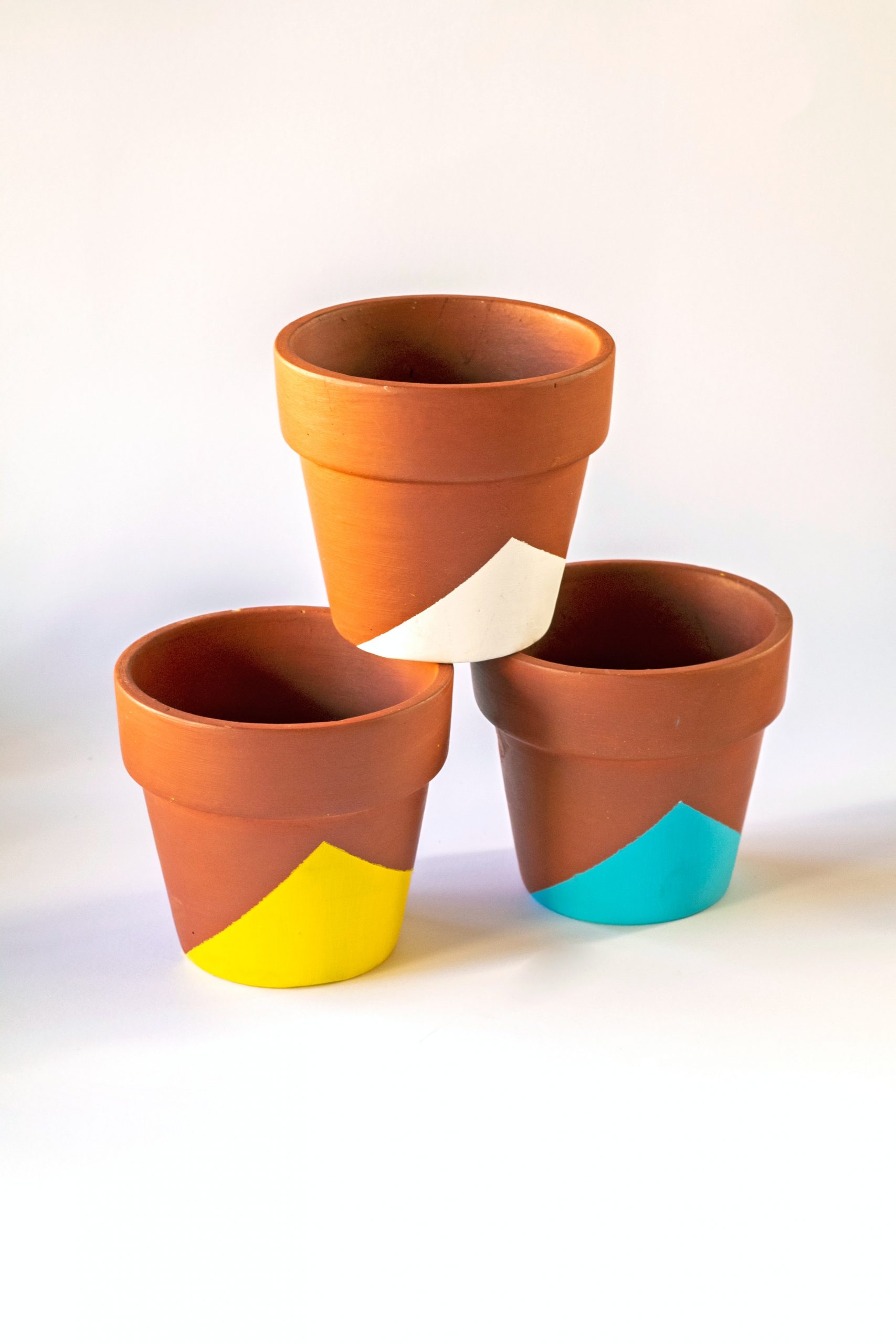
- Terracotta Pots: Terracotta pots are porous, allowing for better airflow and drainage. This can be beneficial in humid climates, but they also tend to dry out faster than plastic pots. They are also heavier and more fragile than plastic.
- Fabric Pots: Fabric pots (also known as grow bags) are becoming increasingly popular. They offer excellent drainage and aeration, preventing root circling. They are also lightweight and easy to store.
- Wooden Containers: Wooden containers offer a natural look and good insulation. However, they can rot over time if not properly treated.
Ensuring Proper Drainage
Regardless of the container material you choose, proper drainage is essential. Make sure your pot has drainage holes at the bottom to allow excess water to escape. You can also add a layer of gravel or broken pottery at the bottom of the pot to improve drainage. Avoid using saucers that trap water, as this can lead to root rot. Elevating the pot slightly on bricks or pot feet can also improve drainage.
Here is a quick rundown:
- Always ensure the pots have adequate drainage holes.
- Use well-draining potting mix.
- Avoid overwatering.
- Consider adding a drainage layer.
Potting Mix Matters: Selecting the Right Soil for Tomato Plants
Even with the perfect pot size, using the wrong soil can sabotage your tomato-growing efforts. Tomato plants need a well-draining, nutrient-rich potting mix specifically formulated for containers. Garden soil is generally too heavy and compacts easily, hindering root growth. Consider the composition of the soil you are using, the ingredients matter a lot and can make a huge difference in the fruit.
Key Characteristics of a Good Potting Mix
Look for a potting mix that:
- Is lightweight and airy, allowing for good drainage and aeration.
- Contains a blend of ingredients like peat moss, perlite, vermiculite, and compost.
- Has a slightly acidic p H (around 6.0-6.8).
- May contain slow-release fertilizer to provide a steady supply of nutrients.
You can also amend your potting mix with additional compost or other organic matter to boost its nutrient content. Avoid using potting soil that contains weed seeds or harmful chemicals.
DIY Potting Mix Recipe (Example)
If you're feeling adventurous, you can create your own potting mix. Here's a simple recipe:
- 1 part peat moss or coco coir
- 1 part perlite
- 1 part vermiculite
- 1/2 part compost
Mix these ingredients thoroughly and add a slow-release fertilizer according to the package directions.
Repotting Tomato Seedlings and Mature Plants
Sometimes, you might need to repot your tomato plants as they grow. Repotting is the process of transferring a plant from a smaller container to a larger one. This can be necessary if your plant outgrows its initial pot or if the soil becomes depleted of nutrients.
When to Repot
Signs that your tomato plant needs repotting include:
- Roots circling the bottom of the pot.
- Stunted growth.
- Yellowing leaves.
- Frequent wilting, even after watering.
How to Repot
To repot a tomato plant:
- Choose a new pot that is at least 2-4 inches larger in diameter than the original pot.
- Gently loosen the soil around the edges of the original pot.
- Carefully remove the plant from the pot, trying not to damage the roots.
- Gently loosen any circling roots.
- Place a layer of fresh potting mix in the bottom of the new pot.
- Center the plant in the new pot and fill in around the roots with more potting mix.
- Water thoroughly.
After repotting, keep the plant in a shaded area for a few days to allow it to recover.
Troubleshooting Common Pot Size Problems
Even with careful planning, you might encounter some problems related to pot size. Here are some common issues and how to address them:
Overwatering in Large Pots
If you're using a large pot, it's crucial to avoid overwatering. The soil in a large pot stays moist for longer, so allow the top inch or two of soil to dry out before watering again. Use a moisture meter to check the soil moisture level.
Underwatering in Small Pots
Small pots dry out quickly, especially in hot weather. Check the soil moisture frequently and water thoroughly when needed. Consider using a self-watering container to help maintain consistent moisture levels.
Nutrient Deficiencies
If your tomato plant is showing signs of nutrient deficiencies, such as yellowing leaves or stunted growth, it may need additional fertilizer. Use a balanced fertilizer specifically formulated for tomatoes, following the package directions. You can also amend the soil with compost or other organic matter to boost its nutrient content.
Root Bound Plants
If you suspect that your tomato plant is root-bound, gently remove it from the pot and inspect the roots. If the roots are tightly circling the bottom of the pot, gently loosen them before repotting into a larger container. You can also prune away some of the circling roots to encourage new growth.
Conclusion: Achieving Tomato-Growing Success with the Right Pot Size
Choosing the ideal pot size for your tomato plants is a fundamental step toward achieving a bountiful harvest. By understanding the different needs of determinate, indeterminate, and dwarf varieties, selecting the right container material, ensuring proper drainage, and using a high-quality potting mix, you'll set your tomato plants up for success. Remember to monitor your plants closely and address any problems that arise promptly. With a little care and attention, you'll be enjoying delicious, homegrown tomatoes in no time!