Are you dreaming of juicy, sun-ripened tomatoes bursting with flavor, but lack the space or the time for a traditional garden? Or perhaps you're tired of constantly worrying about whether your tomato plants are getting enough water? Then, the world of self-watering containers might just be your gardening salvation! Let's dive in and explore how you can grow amazing tomatoes using this clever and convenient method. The Magic of Self Watering Containers for Tomato Plants Self-watering containers, sometimes called sub-irrigated planters (SIPs), are designed to provide a consistent and reliable water supply to your plants, minimizing the need for frequent watering and dramatically reducing water waste. For tomato plants, which are known for their thirstiness, this can be a game-changer! The beauty of a tomato plant self watering container lies in its simplicity and efficiency. It essentially creates a mini-reservoir beneath the soil, allowing the plant...
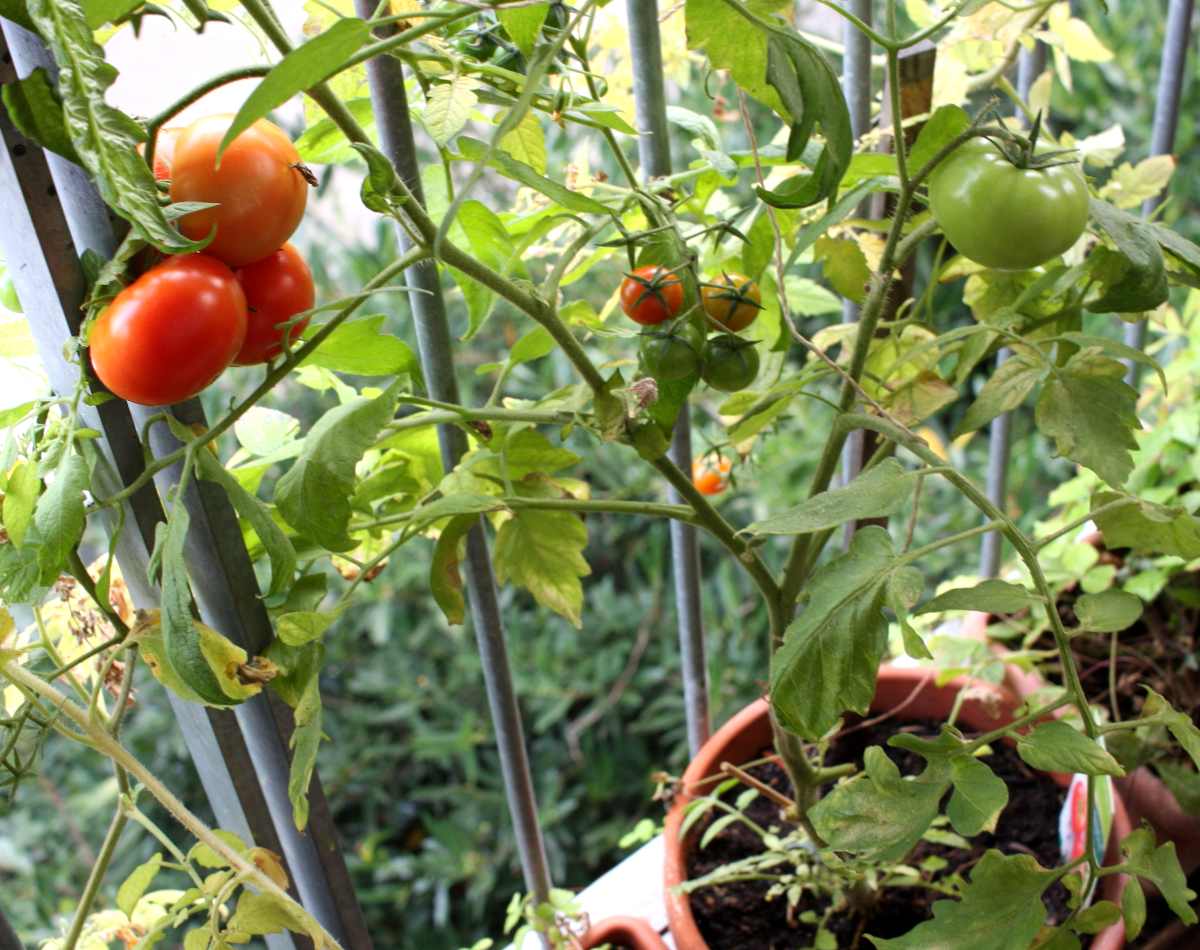
Picture this: sun-ripened tomatoes, bursting with flavor, plucked fresh from your own patio. Sounds dreamy, right? You don't need acres of land to enjoy homegrown tomatoes. Container gardening is a fantastic way to bring the taste of summer right to your doorstep, even if you only have a small balcony or porch. But with so many tomato varieties available, how do you choose thebest tomato plant to grow in a pot? Let's dive into the world of container-friendly tomatoes and discover the perfect picks for your potted paradise!
Choosing the Best Tomato Plant for Container Gardening
The secret to successful container tomato gardening lies in selecting the right variety. Not all tomato plants are created equal. Some are sprawling giants, while others are compact and well-suited for pots. When searching for thebest tomato plant to grow in a pot, you need to consider growth habit, size, and fruit type. There are two main categories to focus on:determinate and indeterminate varieties.
Determinate vs. Indeterminate Tomato Plants
Understanding the difference between determinate and indeterminate tomato plants is crucial for successful container gardening. These terms describe the plant's growth habit and fruiting pattern.
Determinate Tomatoes: The Bush Beans of the Tomato World
Determinate tomato plants, sometimes called "bush" tomatoes, are characterized by their compact, bushy growth. They grow to a predetermined size (usually 2-4 feet tall) and then stop, producing all their fruit at once, usually over a period of 2-3 weeks. This makes them ideal for canning or making sauces. Determinate varieties also require less staking than indeterminate varieties. When selecting thebest tomato plants for pots, a determinate variety can be a good option if you prefer one large harvest. Here's a quick summary of determinate tomatoes:
- Growth Habit: Compact and bushy
- Size: Typically 2-4 feet tall
- Fruiting: Concentrated harvest over a short period
- Staking: Requires less staking
- Best For: Canning, sauces, smaller spaces
Indeterminate Tomatoes: The Climbers and Keepers
Indeterminate tomato plants, also known as "vining" tomatoes, are the opposite of determinate varieties. They continue to grow and produce fruit throughout the growing season until frost kills them. These plants can reach impressive heights (6-10 feet or even more) and require significant staking or caging to support their growth. While they may require more maintenance, indeterminate tomatoes offer a continuous supply of fresh tomatoes throughout the summer. A great option for thebest tomato plant to grow in containers if you want a long harvest window. Here's a summary of indeterminate tomatoes:
- Growth Habit: Vining and sprawling
- Size: Can reach 6-10 feet or more
- Fruiting: Continuous harvest throughout the season
- Staking: Requires significant staking or caging
- Best For: Continuous harvest, larger spaces (or careful pruning)
Top Tomato Varieties for Pots
Now that you understand the difference between determinate and indeterminate tomato plants, let's explore some specific varieties that thrive in containers. These recommendations are based on factors such as size, disease resistance, and overall productivity in a potted environment. Selecting thebest tomato plants for pots depends on your growing conditions and preferences.
Popular Determinate Tomato Varieties for Pots
- Roma: A classic plum tomato perfect for sauces and canning. Roma plants are relatively compact and productive.
- Celebrity: A widely adaptable variety that produces medium-sized, flavorful tomatoes. Celebrity is known for its disease resistance.
- Patio: As the name suggests, Patio tomatoes are specifically bred for containers. They are compact and produce a good yield of small to medium-sized tomatoes.
- Bush Early Girl: An early-maturing variety that produces medium-sized tomatoes. Bush Early Girl is a good choice for gardeners in cooler climates.
Popular Indeterminate Tomato Varieties for Pots
- Cherry Tomatoes (e.g., Sweet Million, Sungold): Cherry tomatoes are generally well-suited for containers. They are productive and produce a continuous supply of bite-sized fruits. Sungold is known for its exceptional sweetness.
- Tumbler: A trailing tomato variety that is perfect for hanging baskets or containers where the vines can cascade over the sides.
- Black Cherry: A delicious heirloom variety with a complex, slightly smoky flavor. Black Cherry tomatoes are relatively easy to grow in containers.
- Better Bush: A more compact indeterminate variety that is well-suited for containers. It produces large, flavorful tomatoes.
Container Size and Soil Considerations
Even with thebest tomato plant to grow in a pot, the size of your container and the quality of your soil are essential for success. A too-small container will restrict root growth, leading to stunted plants and reduced yields. Poor soil will lack the nutrients and drainage necessary for healthy tomato growth. Therefore, it is essential that you purchase the right type of soil.
Choosing the Right Container Size
As a general rule, determinate tomato plants need a container that is at least 15 gallons in size, while indeterminate varieties require at least 20-25 gallons. The larger the container, the more room the roots have to grow, and the more water and nutrients the plant can access. If you are growing a large indeterminate variety, consider using a 30-gallon container or even a half-barrel. The following outlines container sizes for growing tomatoes
- Determinate Tomato:15+ Gallon Container
- Indeterminate Tomato: 20-25+ Gallon Container
- Large Indeterminate Tomato: 30 Gallon or Larger Container
Selecting the Right Soil Mix
Use a high-quality potting mix specifically formulated for containers. Avoid using garden soil, as it can compact in containers and impede drainage. Look for a potting mix that is lightweight, well-draining, and contains a slow-release fertilizer. You can also amend your potting mix with compost or other organic matter to improve its fertility. A good potting mix will provide the roots with aeration, moisture retention, and the nutrients they need to thrive. The soil is a crucial component to growing thebest tomato plant in a pot.
Tips for Growing Tomatoes in Pots
Once you've chosen the right variety and container, follow these tips to ensure a bountiful harvest of homegrown tomatoes:
- Sunlight: Tomatoes need at least 6-8 hours of direct sunlight per day. Place your containers in a sunny location.
- Watering: Water regularly, especially during hot, dry weather. Container plants dry out quickly, so check the soil moisture frequently. Water deeply, until water drains out of the bottom of the container.
- Fertilizing: Fertilize your tomato plants regularly with a balanced fertilizer. Follow the instructions on the fertilizer package.
- Staking/Caging: Provide support for your tomato plants with stakes or cages, especially for indeterminate varieties. This will prevent the plants from toppling over and keep the fruit off the ground.
- Pruning: Prune your tomato plants to improve air circulation and encourage fruit production. Remove suckers (the shoots that grow between the main stem and the branches) on indeterminate varieties.
- Pest and Disease Control: Monitor your tomato plants for pests and diseases. Take action promptly to prevent problems from spreading. Use organic pest control methods whenever possible.
Growing your own tomatoes in containers can be incredibly rewarding. With a little planning and care, you can enjoy the taste of homegrown tomatoes all summer long. The reward is well worth the effort of growing thebest tomato plant to grow in a container.
If you're looking to get a head start on your gardening journey, consider the Ahopegarden Indoor Garden Hydroponics Growing System, which offers a convenient way to germinate seeds and nurture young plants indoors. This 10-pod plant germination kit comes with an aeroponic system, a herb vegetable growth lamp, and an LED grow light – a great way to kickstart your tomato-growing season, even before the weather fully cooperates! Check it out here:https://amzn.to/3RPpa Sk.