Are you dreaming of juicy, sun-ripened tomatoes bursting with flavor, but lack the space or the time for a traditional garden? Or perhaps you're tired of constantly worrying about whether your tomato plants are getting enough water? Then, the world of self-watering containers might just be your gardening salvation! Let's dive in and explore how you can grow amazing tomatoes using this clever and convenient method. The Magic of Self Watering Containers for Tomato Plants Self-watering containers, sometimes called sub-irrigated planters (SIPs), are designed to provide a consistent and reliable water supply to your plants, minimizing the need for frequent watering and dramatically reducing water waste. For tomato plants, which are known for their thirstiness, this can be a game-changer! The beauty of a tomato plant self watering container lies in its simplicity and efficiency. It essentially creates a mini-reservoir beneath the soil, allowing the plant...
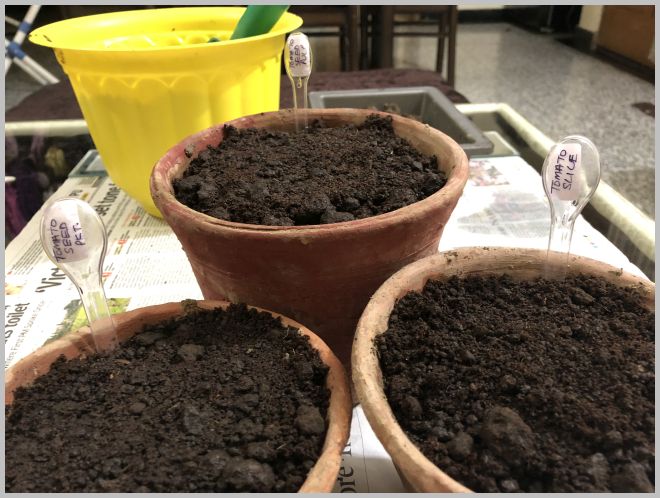
The promise of juicy, sun-ripened tomatoes bursting with flavor is enough to get any gardener excited. But that delicious reward hinges on one crucial decision: starting your tomato seeds at the right time. Jump the gun, and you risk leggy, weak seedlings struggling to survive a late frost. Wait too long, and your harvest might be a sad, late-season afterthought. So, how do you navigate this timing puzzle? Let's dive in and unlock the secrets to successful tomato seed starting.
When to Begin: Figuring Out How Early to Start Tomato Seeds
The million-dollar question! Determining how early to start tomato seeds isn't a one-size-fits-all answer. It depends on your local climate, the specific tomato variety you're growing, and whether you plan to transplant your seedlings directly into the garden or use a greenhouse or other protected environment. However, there's a general rule of thumb that most gardeners follow:
Generally, you should start your tomato seeds indoors approximately 6-8 weeks before your last expected frost date. This timeframe gives the seedlings enough time to develop into strong, healthy plants ready for transplanting while avoiding the risks associated with cold weather.
Understanding Your Last Frost Date
Knowing your last average frost date is the cornerstone of figuring out when to start tomato seeds. This date signifies the approximate time when the risk of a damaging frost has passed in your area. It's not a guarantee, of course (Mother Nature loves to throw curveballs!), but it's the best guideline we have.
Here's how to find your last frost date:
- Local Weather Websites: Most weather websites and apps will provide average last frost dates for your specific zip code.
- Agricultural Extension Offices: Your local agricultural extension office is a treasure trove of gardening information. They can provide precise frost date information and other region-specific advice.
- Experienced Local Gardeners: Chat with seasoned gardeners in your neighborhood. They'll have firsthand knowledge of local weather patterns and can offer valuable insights.
Once you've determined your last frost date, simply count back 6-8 weeks. This is your target window for starting your tomato seeds indoors. For example, if your last frost date is typically May 15th, you'd aim to start your seeds sometime between late March and early April.
Factors Affecting How Early You Should Start Tomato Seeds
While the 6-8 week guideline is a good starting point, several factors can influence whether you need to adjust your timeline. Understanding these nuances can help you fine-tune your seed-starting schedule for optimal results.
Tomato Variety
Different tomato varieties have different maturity rates. Early-maturing varieties, like 'Early Girl' or 'Glacier', require a shorter growing season and therefore don't need to be started as early. Conversely, late-maturing varieties, such as 'Brandywine' or 'San Marzano', need a longer head start to produce a good harvest before the end of the season. Check the seed packet for the "days to maturity" information and adjust your starting date accordingly. If a variety takes 80-90 days to mature, starting them earlier is crucial, especially in regions with shorter growing seasons.
Growing Conditions
If you plan to use a greenhouse, cold frame, or other protected environment to harden off your seedlings, you might be able to transplant them outdoors a bit earlier than the typical last frost date. This allows you to start your seeds a week or two earlier. However, be sure to monitor the weather closely and provide adequate protection from frost if necessary. Similarly, if you're using row covers or other season extension techniques in your garden, you may be able to transplant a little earlier, allowing you to start your seeds sooner. However, it’s always better to err on the side of caution.
Indoor Growing Environment
The conditions under which you start your seeds indoors significantly impact their growth rate. If you have a dedicated grow room with supplemental lighting and temperature control, you can potentially start your seeds a bit earlier. However, if you're relying on natural light and ambient room temperature, the seedlings might grow more slowly, and you might need to start them closer to the 6-week mark. Adequate light is crucial to prevent leggy seedlings. Aim for 14-16 hours of light per day, either from a sunny window (supplemented with artificial light if necessary) or a dedicated grow light. A consistent temperature of 70-75°F (21-24°C) is ideal for germination and early growth.
What Happens if You Start Tomato Seeds Too Early?
Starting tomato seeds too early can lead to several problems. Overgrown seedlings can become leggy, root-bound, and stressed. They might also be more susceptible to pests and diseases. Transplanting large, stressed seedlings can be more difficult, and they might take longer to establish in the garden. In the worst-case scenario, they may not survive the transplant at all. Ideally, you want your seedlings to be stocky, healthy, and about 6-8 inches tall when you transplant them.
What Happens if You Start Tomato Seeds Too Late?
Starting tomato seeds too late means you'll have less time to harvest. This can be especially problematic in regions with short growing seasons. You may end up with smaller, less flavorful tomatoes, or you might not get any tomatoes at all before the first frost. Even with early-maturing varieties, starting late can significantly reduce your yield. While it's possible to purchase tomato transplants from a nursery if you miss your seed-starting window, starting your own seeds gives you more control over the varieties you grow and the health of your plants.
The Goldilocks Zone: Finding the Sweet Spot
The key to successful tomato seed starting is finding the "Goldilocks zone" – not too early, not too late, but just right. By carefully considering your local climate, the tomato variety you're growing, and your indoor growing conditions, you can determine the optimal time to start your seeds and ensure a bountiful harvest of delicious tomatoes.
Step-by-Step Guide to Starting Tomato Seeds
Once you've determined when to start your tomato seeds, it's time to get planting! Here's a step-by-step guide to help you get started:
- Gather Your Supplies: You'll need tomato seeds, seed-starting trays or containers, seed-starting mix, a spray bottle, a heat mat (optional), and a grow light (optional).
- Sow the Seeds: Fill your seed-starting containers with seed-starting mix. Moisten the mix thoroughly with a spray bottle. Sow the seeds about ¼ inch deep and gently cover them with soil.
- Provide Warmth and Moisture: Place the seed-starting containers on a heat mat (if using) and cover them with a humidity dome or plastic wrap to retain moisture. Keep the soil consistently moist but not waterlogged.
- Provide Light: Once the seeds germinate, remove the humidity dome and place the seedlings under a grow light or in a sunny window. Rotate the containers regularly to ensure even growth.
- Thin the Seedlings: Once the seedlings have developed their first true leaves (the second set of leaves), thin them to one plant per container.
- Harden Off the Seedlings: About a week before transplanting, gradually acclimate the seedlings to outdoor conditions by exposing them to increasing amounts of sunlight and fresh air each day.
- Transplant to the Garden: Once the risk of frost has passed, transplant the seedlings to the garden, spacing them according to the variety's mature size.
Starting tomato seeds can be a rewarding experience, allowing you to grow your own delicious tomatoes from scratch. By understanding the factors that influence the best time to start your seeds, you can increase your chances of a successful harvest and enjoy the taste of homegrown tomatoes all season long.
If you're looking for a convenient way to get your seeds started indoors, consider a system like the Ahopegarden Indoor Garden Hydroponics Growing System: 10 Pods Plant Germination Kit. This aeroponic herb and vegetable growth lamp countertop with LED grow light makes a fantastic hydroponic planter and grower to harvest lettuce and start your seedlings off right! You can find it here: https://amzn.to/3RPpa Sk. With its controlled environment, you can ensure optimal germination and seedling development, giving your tomatoes the best possible start.