Are you dreaming of juicy, sun-ripened tomatoes bursting with flavor, but lack the space or the time for a traditional garden? Or perhaps you're tired of constantly worrying about whether your tomato plants are getting enough water? Then, the world of self-watering containers might just be your gardening salvation! Let's dive in and explore how you can grow amazing tomatoes using this clever and convenient method. The Magic of Self Watering Containers for Tomato Plants Self-watering containers, sometimes called sub-irrigated planters (SIPs), are designed to provide a consistent and reliable water supply to your plants, minimizing the need for frequent watering and dramatically reducing water waste. For tomato plants, which are known for their thirstiness, this can be a game-changer! The beauty of a tomato plant self watering container lies in its simplicity and efficiency. It essentially creates a mini-reservoir beneath the soil, allowing the plant...
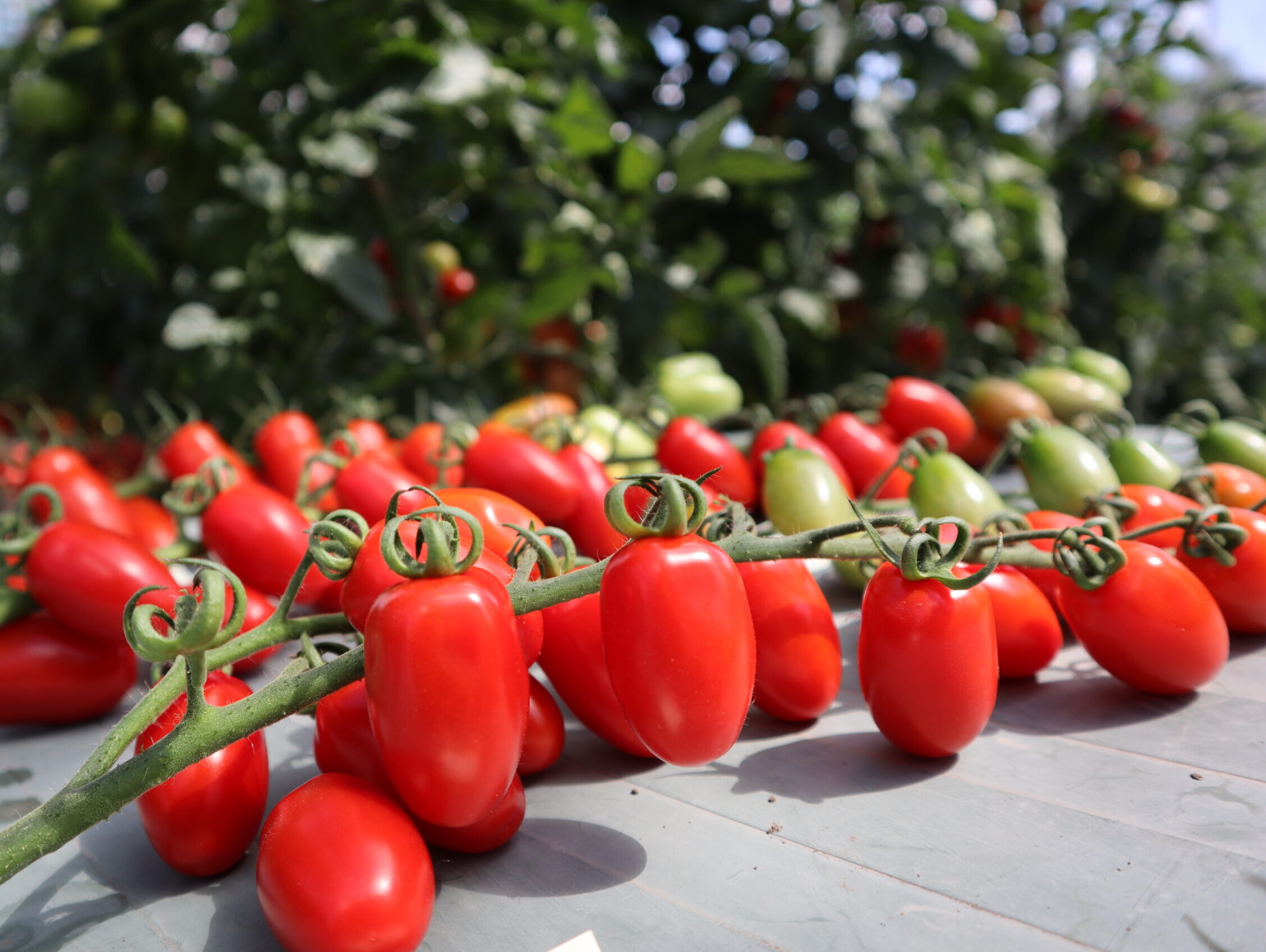
There's nothing quite like biting into a juicy, sun-ripened tomato fresh from your own garden. And if you're looking for a tomato that's both flavorful and manageable, heirloom determinate tomatoes might just be your perfect match. Let's dive into the world of these fantastic garden staples!
Heirloom Determinate Tomatoes: A Comprehensive Guide
Heirloom determinate tomatoes offer a unique combination of flavor, history, and convenience that's hard to beat. They bring the best of both worlds to your garden, giving you the robust taste of heirloom varieties with a more compact and predictable growth habit. This makes them ideal for gardeners with limited space or those who prefer a more organized growing experience.
What are Heirloom Tomatoes?
First things first, let's define what we mean by heirloom.The term "heirloom" in the context of tomatoes generally refers to varieties that have been passed down through generations, typically for at least 50 years. They are open-pollinated, meaning that seeds saved from these tomatoes will produce plants that are true to type, generation after generation. Heirloom tomatoes are known for their diverse flavors, shapes, sizes, and colors, which often surpass those of modern hybrids. Think about the deeply rich flavor of a Brandywine, the sweet tang of a Cherokee Purple, or the unique shape of a Costoluto Genovese. These are all hallmarks of heirloom tomatoes.
Heirloom tomatoes often have fascinating backstories, connecting us to gardening traditions of the past. Each variety carries a piece of agricultural history, offering a glimpse into the preferences and practices of gardeners who came before us. This rich history adds a special dimension to growing heirloom tomatoes, turning it into more than just a gardening activity; it becomes a preservation effort.
Understanding Determinate Tomato Plants
Now, let's talk about determinate.Determinate tomato plants, unlike their indeterminate counterparts, grow to a certain size and then stop. They produce most of their fruit within a relatively short period, usually over a few weeks. This characteristic makes them ideal for canning, sauce-making, or anyone who wants a concentrated harvest. Determinate plants are also more compact, generally reaching a height of 3-4 feet, making them well-suited for container gardening or smaller garden plots.
Determinate tomatoes are often referred to as "bush" tomatoes because of their compact and bushy growth habit. They require less staking or pruning compared to indeterminate varieties. This makes them a low-maintenance option for gardeners who want a bountiful harvest without the constant upkeep. Think of Roma tomatoes, often used for sauces, as a classic example of a determinate variety.
Key Differences: Determinate vs. Indeterminate Tomatoes
To further clarify the distinction, here’s a quick comparison:
- Determinate:
- Bush-type growth habit
- Reach a set size
- Produce most of their fruit at once
- Ideal for canning and sauce
- Less staking and pruning required
- Indeterminate:
- Vine-type growth habit
- Continue to grow and produce fruit throughout the season
- Require more staking and pruning
- Offer a continuous harvest
Benefits of Growing Heirloom Determinate Tomatoes
So, what are the advantages of combining these two characteristics? Heirloom determinate tomatoes offer a winning combination of flavor, history, and convenience. Here's a look at the key benefits:
- Exceptional Flavor: Enjoy the diverse and rich flavors of heirloom tomatoes.
- Compact Size: Manageable size makes them ideal for smaller gardens or containers.
- Concentrated Harvest: Perfect for canning, sauce-making, or preserving.
- Historical Significance: Connect with gardening traditions of the past.
- Manageable Growth: Less staking and pruning required.
By choosing heirloom determinate tomatoes, you get the best of both worlds: the unique flavors and stories of heirloom varieties with the convenience and manageability of determinate plants. This combination makes them an excellent choice for both novice and experienced gardeners.
Popular Heirloom Determinate Tomato Varieties
Ready to explore some specific varieties? Here are a few popular heirloom determinate tomatoes to get you started:
- Roma: A classic for sauce-making, known for its meaty texture and rich flavor.
- San Marzano: Another excellent sauce tomato, with a slightly sweeter taste than Roma.
- Amish Paste: Large, oblong fruit with a dense texture, perfect for canning.
- Glacier: An early-maturing variety, ideal for cooler climates.
- Heinz 1439: This older strain is a good choice for short seasons and is known for producing large crops.
These are just a few examples, and there are many other heirloom determinate varieties to discover. Explore seed catalogs and online resources to find varieties that appeal to your taste and growing conditions.
Tips for Growing Heirloom Determinate Tomatoes
To ensure a successful harvest, follow these tips for growing heirloom determinate tomatoes:
- Start Seeds Indoors: Start seeds indoors 6-8 weeks before the last expected frost.
- Choose a Sunny Location: Plant in a location that receives at least 6-8 hours of sunlight per day.
- Prepare the Soil: Amend the soil with compost or other organic matter.
- Water Regularly: Water deeply and consistently, especially during fruit development.
- Fertilize: Use a balanced fertilizer or a fertilizer specifically formulated for tomatoes.
- Provide Support: Although determinate tomatoes are more compact, they may still benefit from staking or caging to support the fruit.
- Monitor for Pests and Diseases: Keep an eye out for common tomato pests and diseases, and take action as needed.
Remember that proper soil preparation, consistent watering, and adequate sunlight are essential for healthy tomato plants. By following these tips, you can maximize your chances of a bountiful and flavorful harvest.
Troubleshooting Common Problems
Even with the best care, you might encounter some challenges. Here's how to troubleshoot common problems:
- Blossom End Rot: Caused by calcium deficiency. Ensure consistent watering and consider adding calcium to the soil.
- Early Blight: A fungal disease that causes dark spots on leaves. Remove affected leaves and apply a fungicide if necessary.
- Tomato Hornworms: Large green caterpillars that can defoliate plants. Handpick them off or use an insecticide.
Being proactive and addressing problems early can prevent them from escalating and impacting your harvest. Regular inspection of your plants is key to identifying and addressing issues promptly.
Harvesting and Storing Your Tomatoes
Knowing when and how to harvest and store your tomatoes is crucial for enjoying their full flavor and preserving their quality.
Harvest tomatoes when they are fully colored and slightly soft to the touch. Gently twist or cut the fruit from the vine, leaving a small piece of stem attached. Handle the tomatoes carefully to avoid bruising.
Store tomatoes at room temperature, away from direct sunlight. Avoid refrigerating them unless they are overripe, as refrigeration can diminish their flavor and texture. For longer storage, you can can, freeze, or dry your tomatoes.
Enjoying Your Heirloom Determinate Tomato Harvest
The possibilities are endless when it comes to enjoying your heirloom determinate tomato harvest. Here are a few ideas:
- Fresh Salads: Slice and enjoy fresh in salads or sandwiches.
- Sauces and Salsas: Use them to make homemade tomato sauce or salsa.
- Canning and Preserving: Preserve your harvest for enjoyment throughout the year.
- Grilled or Roasted: Grill or roast them for a delicious side dish.
- Tomato Soup: Make a comforting bowl of tomato soup.
Experiment with different recipes and techniques to discover your favorite ways to savor the flavors of your homegrown tomatoes. Nothing beats the satisfaction of creating a delicious meal using ingredients you've grown yourself.
From Garden to Table: A Taste of History
Growing heirloom determinate tomatoes is more than just gardening; it's an experience that connects you to the past, celebrates the diversity of flavors, and provides you with fresh, delicious produce. Whether you're a seasoned gardener or just starting out, these tomatoes offer a rewarding and flavorful addition to any garden.
If you're looking to get a head start on your gardening journey, consider the Ahopegarden Indoor Garden Hydroponics Growing System. This 10-pod plant germination kit allows you to effortlessly cultivate herbs and vegetables indoors, complete with an LED grow light for optimal growth. It's a fantastic way to harvest lettuce and other greens all year round! You can find it here: Ahopegarden Indoor Garden Hydroponics Growing System. This indoor garden planter is perfect to start your seedlings before the weather gets warm.