Are you dreaming of juicy, sun-ripened tomatoes bursting with flavor, but lack the space or the time for a traditional garden? Or perhaps you're tired of constantly worrying about whether your tomato plants are getting enough water? Then, the world of self-watering containers might just be your gardening salvation! Let's dive in and explore how you can grow amazing tomatoes using this clever and convenient method. The Magic of Self Watering Containers for Tomato Plants Self-watering containers, sometimes called sub-irrigated planters (SIPs), are designed to provide a consistent and reliable water supply to your plants, minimizing the need for frequent watering and dramatically reducing water waste. For tomato plants, which are known for their thirstiness, this can be a game-changer! The beauty of a tomato plant self watering container lies in its simplicity and efficiency. It essentially creates a mini-reservoir beneath the soil, allowing the plant...
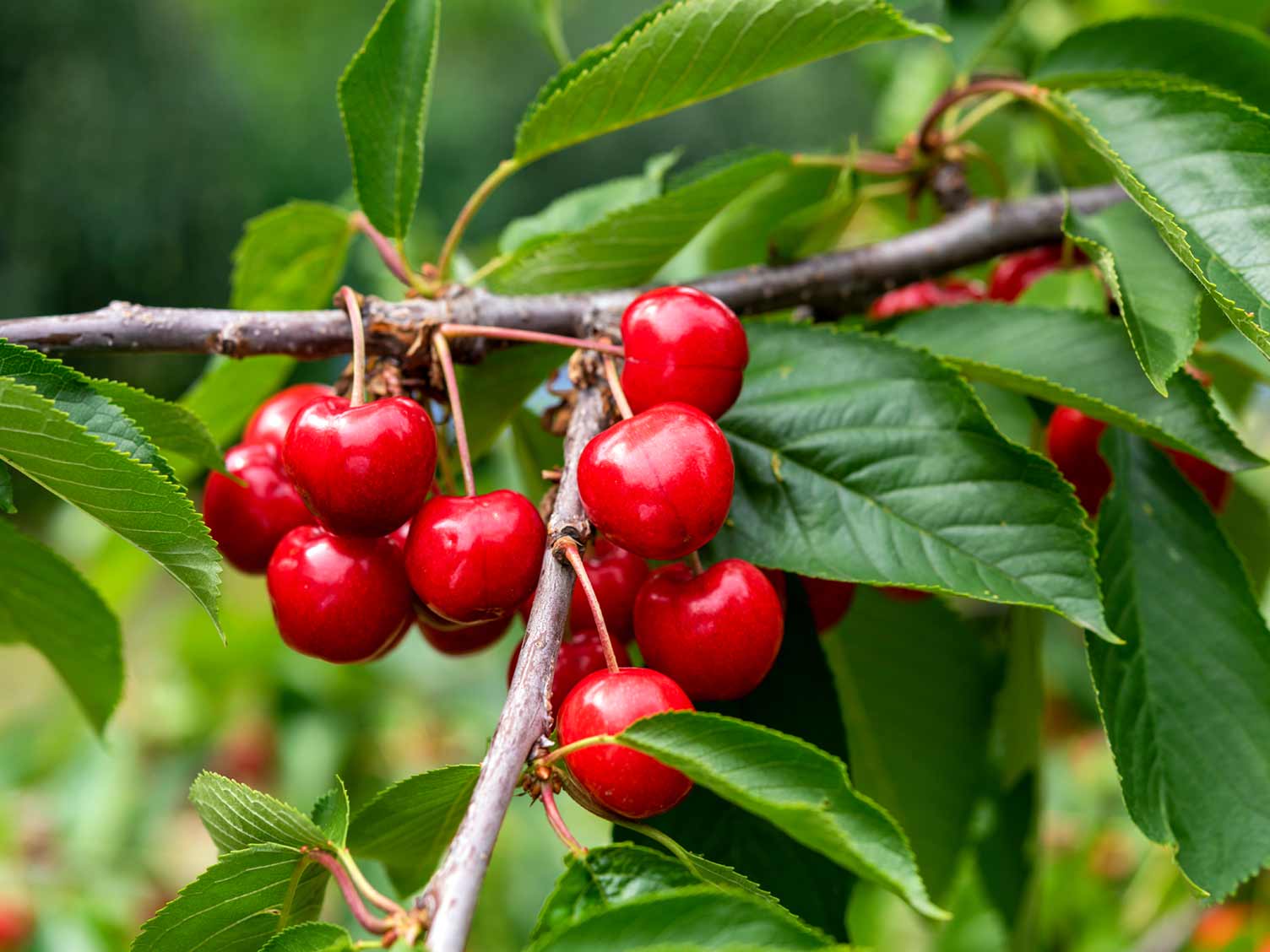
Imagine plucking juicy, sun-ripened cherry tomatoes right from your patio, balcony, or even your kitchen counter. It sounds like a dream, right? Well, it doesn't have to be! Growing your own cherry tomato plants in pots is easier than you think and incredibly rewarding. Let's dive into the wonderful world of container gardening and discover how to cultivate these little bursts of flavor.
Why Grow Cherry Tomato Plants in Pots?
There are so many compelling reasons to consider growing cherry tomatoes in pots, especially if you're limited on space or just starting out with gardening. The flexibility and ease of management are major draws. Here's a breakdown:
- Space Saving: Perfect for apartments, balconies, patios, and small gardens. No need for a large in-ground garden.
- Portability: You can easily move your tomato plants to chase the sun or protect them from harsh weather. Imagine a sudden cold snap – simply bring your pots indoors!
- Controlled Environment: Container gardening allows you to have complete control over the soil composition, watering, and fertilization, leading to healthier plants and bigger yields.
- Reduced Pests and Diseases: Pots elevate your plants, making them less susceptible to soil-borne pests and diseases. Plus, it's easier to spot and address any issues early on.
- Aesthetically Pleasing: Cherry tomato plants are beautiful! Their vibrant green foliage and cheerful red (or yellow, or orange!) fruits add a touch of charm to any space.
Choosing the Right Cherry Tomato Variety for Pots
Not all cherry tomato varieties are created equal when it comes to container gardening. Some are naturally more compact and suited for pot life than others. Here are a few excellent choices:
- Tiny Tim: This is a super dwarf variety, perfect for even the smallest spaces. It produces small, but flavorful, red cherry tomatoes.
- Tumbling Tom: Bred specifically for hanging baskets, Tumbling Tom produces cascades of sweet cherry tomatoes.
- Patio Choice Yellow: A compact bush variety that yields lots of bright yellow cherry tomatoes.
- Sweet Million: A popular and reliable variety that produces abundant clusters of sweet, crack-resistant red cherry tomatoes. It might need a larger pot and some support.
- Sungold: Famous for its exceptional sweetness and vibrant orange color, Sungold is a favorite among tomato lovers, but can get quite large even in a pot, so ensure sufficient space and support.
When selecting your variety, consider your taste preferences, the available space, and the level of care you're willing to provide. Read the seed packet descriptions carefully to understand the plant's mature size and growing requirements. For example, an indeterminate variety will continuously grow and produce fruit, requiring staking or caging. Determinate varieties, on the other hand, grow to a certain size and then produce all their fruit at once, making them generally more compact and easier to manage in pots.
Essential Supplies for Growing Cherry Tomato Plants in Containers
To give your cherry tomato plants the best possible start, you'll need to gather a few key supplies:
- Pot: Choose a pot that's at least 12 inches in diameter and depth. Larger pots (15-20 inches) are even better, especially for larger cherry tomato varieties. Make sure the pot has drainage holes!
- Potting Mix: Use a high-quality potting mix, not garden soil. Potting mix is lighter and provides better drainage, which is crucial for container plants. Avoid mixes that are too heavy with peat moss, as they can retain too much water.
- Tomato Cage or Stake: Most cherry tomato varieties will need some support to prevent them from sprawling or breaking under the weight of the fruit. A tomato cage or sturdy stake will do the trick.
- Fertilizer: A balanced, slow-release fertilizer will provide your tomato plants with the nutrients they need to thrive. You can also supplement with liquid fertilizer throughout the growing season.
- Watering Can or Hose: Regular watering is essential, especially during hot weather.
- Seeds or Seedlings: You can start your cherry tomato plants from seed or purchase seedlings from a local nursery. Starting from seed gives you more control over the variety, but seedlings offer a head start.
Planting Your Cherry Tomato Plant in a Pot: A Step-by-Step Guide
Now that you've gathered your supplies, it's time to get planting! Here's a step-by-step guide to planting your cherry tomato plant in a pot:
- Choose the Right Time: Wait until the danger of frost has passed before planting your cherry tomato plants. The ideal planting time is usually in late spring or early summer.
- Prepare the Pot: Fill the pot with potting mix, leaving a few inches of space at the top.
- Plant the Seedling or Seed: If you're planting a seedling, gently remove it from its container and loosen the roots. Dig a hole in the potting mix that's large enough to accommodate the root ball. If you're planting from seed, follow the instructions on the seed packet.
- Bury Deep: Tomato plants can develop roots along their stems, so bury the seedling deep, leaving only the top few sets of leaves exposed.
- Add Support: Insert the tomato cage or stake into the pot, making sure it's securely anchored in the soil.
- Water Thoroughly: Water the plant deeply, until water drains out of the drainage holes.
Pro Tip: Consider adding some mycorrhizae to the planting hole. Mycorrhizae are beneficial fungi that form a symbiotic relationship with plant roots, helping them absorb nutrients and water more efficiently. You can find mycorrhizae products at most garden centers.
Caring for Your Cherry Tomato Plants in Pots
Once your cherry tomato plant is established, proper care is crucial for ensuring a bountiful harvest. Here's what you need to know:
- Watering: Water deeply and regularly, especially during hot, dry weather. Check the soil moisture regularly by sticking your finger into the top inch of soil. If it feels dry, it's time to water. Avoid overwatering, as this can lead to root rot.
- Fertilizing: Feed your tomato plants with a balanced fertilizer every 2-3 weeks. You can also use a liquid fertilizer, diluted according to the package instructions.
- Sunlight: Cherry tomato plants need at least 6-8 hours of sunlight per day. Place your pots in a sunny location. If you don't have enough natural light, you can supplement with grow lights. The Ahopegarden Indoor Garden Hydroponics Growing System, a 10-pod plant germination kit with an aeroponic herb and vegetable growth lamp, provides countertop LED grow lights, a great option to ensure your tomatoes get enough light! You can find it here: https://amzn.to/3RPpa Sk.
- Pruning: Prune your cherry tomato plants regularly to remove suckers (the small shoots that grow between the main stem and the branches). Pruning encourages air circulation and prevents the plant from becoming too crowded, which can reduce fruit production.
- Pest and Disease Control: Keep an eye out for common tomato pests, such as aphids, whiteflies, and tomato hornworms. Treat infestations promptly with insecticidal soap or other organic pest control methods. Watch for signs of diseases, such as early blight and blossom end rot. Ensure good air circulation and avoid overhead watering to prevent fungal diseases. Consider using a copper fungicide spray if necessary.
Harvesting Your Cherry Tomatoes
Harvesting is the most rewarding part of growing cherry tomatoes! Here's how to know when your tomatoes are ripe:
- Color: The tomatoes should be fully colored and slightly soft to the touch. The exact color will depend on the variety you're growing (red, yellow, orange, etc.).
- Firmness: Gently squeeze the tomato. It should give slightly, but not be mushy.
- Ease of Removal: The tomato should detach easily from the vine with a gentle tug.
Harvest your cherry tomatoes regularly to encourage continued production. The more you pick, the more they'll grow! Store your harvested tomatoes at room temperature for the best flavor. Enjoy them fresh in salads, snacks, or cooked in your favorite recipes. Homegrown cherry tomatoes taste infinitely better than store-bought!
Troubleshooting Common Problems
Even with the best care, you might encounter some challenges while growing cherry tomato plants in pots. Here are a few common problems and how to address them:
- Blossom End Rot: This is caused by a calcium deficiency and results in a dark, leathery spot on the bottom of the tomato. Ensure consistent watering and add calcium to the soil.
- Early Blight: This is a fungal disease that causes brown spots on the leaves. Remove affected leaves and apply a copper fungicide.
- Aphids: These small, sap-sucking insects can weaken your plants. Spray them with insecticidal soap.
- Lack of Fruit: This can be caused by insufficient sunlight, lack of pollination, or nutrient deficiencies. Ensure your plants get enough sunlight, hand-pollinate the flowers if necessary, and fertilize regularly.
Growing cherry tomato plants in pots is a rewarding and enjoyable experience. With a little knowledge and effort, you can harvest delicious, homegrown tomatoes right from your own backyard (or balcony!). So, get started today and enjoy the taste of summer!