Are you dreaming of juicy, sun-ripened tomatoes bursting with flavor, but lack the space or the time for a traditional garden? Or perhaps you're tired of constantly worrying about whether your tomato plants are getting enough water? Then, the world of self-watering containers might just be your gardening salvation! Let's dive in and explore how you can grow amazing tomatoes using this clever and convenient method. The Magic of Self Watering Containers for Tomato Plants Self-watering containers, sometimes called sub-irrigated planters (SIPs), are designed to provide a consistent and reliable water supply to your plants, minimizing the need for frequent watering and dramatically reducing water waste. For tomato plants, which are known for their thirstiness, this can be a game-changer! The beauty of a tomato plant self watering container lies in its simplicity and efficiency. It essentially creates a mini-reservoir beneath the soil, allowing the plant...
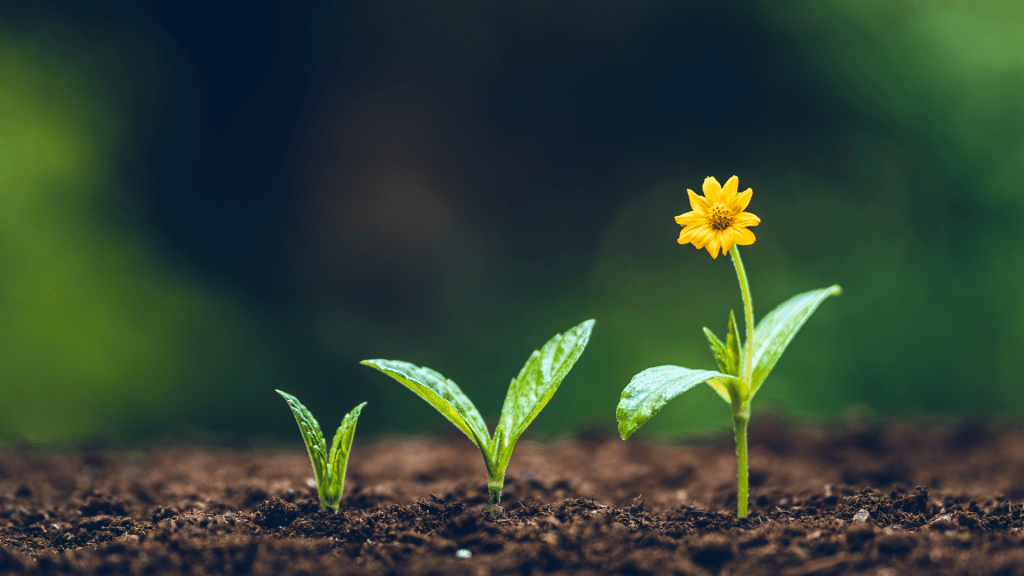
Picture this: It's a blustery winter day, snow is falling outside, but you're biting into a juicy, sun-ripened tomato that you grew yourself, right in your cozy kitchen. Sounds impossible? Not at all! Growing tomatoes indoors is totally achievable, even for complete beginners. This guide will walk you through everything you need to know to bring that delicious dream to life, transforming your home into a mini-tomato farm, regardless of the season. So, grab your gardening gloves (metaphorically, for now!) and let's get started!
Why Grow Tomatoes Indoors? A Beginner's Guide
There are tons of reasons why growing tomatoes indoors is a fantastic idea, especially for those of us who aren't blessed with year-round warm weather. Let's delve into some of the key benefits:
Extending the Growing Season for Indoor Tomatoes
One of the biggest advantages is that you completely bypass the limitations of your local climate. Forget about frost dates and short summers! By growing indoors, you control the environment, allowing you to cultivate tomatoes year-round. Imagine fresh, flavorful tomatoes gracing your salads and sandwiches even in the dead of winter. This is a game-changer for tomato lovers!
Control Over the Growing Environment
Indoor tomato growing gives you ultimate control over factors that can wreak havoc on outdoor gardens. You can regulate temperature, humidity, light, and even pest control. No more battling unpredictable weather patterns, pesky bugs, or soil-borne diseases that can decimate your tomato crop. Essentially, you create the perfect microclimate for your tomato plants to thrive.
Convenience and Accessibility of Indoor Tomato Growing
For those with limited space or mobility, indoor gardening offers a convenient and accessible way to enjoy fresh produce. You don't need a sprawling backyard; a sunny windowsill, a spare room, or even a corner of your apartment can be transformed into a thriving tomato garden. It's also a therapeutic and rewarding hobby, providing a connection to nature regardless of your living situation. Furthermore, imagine the sheer convenience of harvesting fresh tomatoes right from your kitchen – no trips to the grocery store required!
Choosing the Right Tomato Varieties for Indoor Growing
Not all tomato varieties are created equal, especially when it comes to indoor cultivation. Selecting the right type of tomato is crucial for success. You need to consider factors like size, growth habit, and time to maturity.
Dwarf and Determinate Tomato Varieties
These are generally the best choice for indoor growing.Dwarf varieties are compact and bushy, reaching only a few feet in height, making them ideal for smaller spaces.Determinate varieties grow to a specific size and then stop, producing all their fruit at once. This makes them well-suited for container gardening and indoor environments. Some popular choices include:
- Tiny Tim: A truly miniature tomato, producing small, cherry-sized fruits.
- Micro Tom: Even smaller than Tiny Tim, perfect for growing in very small pots.
- Roma: A popular paste tomato that grows well in containers.
- Patio Tomato: Bred specifically for container gardening, producing medium-sized fruits.
Avoiding Indeterminate Varieties for Indoor Tomato Growing
Indeterminate varieties, on the other hand, continue to grow and produce fruit throughout the season. They can become quite large and require extensive staking or trellising, making them less suitable for indoor growing, unless you have a very large indoor space and are prepared to provide significant support. While youcangrow them indoors, it will be much more difficult than growing the determinate or dwarf variations.
Considering Fruit Size and Time to Maturity
Larger tomato varieties, such as beefsteak tomatoes, require more resources (light, nutrients, space) and may take longer to mature, making them less efficient for indoor growing. Opting for smaller fruit sizes, like cherry or grape tomatoes, will generally lead to a more productive and manageable indoor garden. Also, consider the time to maturity. Choose varieties that mature relatively quickly (60-70 days) to maximize your harvests within a reasonable timeframe. Keep in mind, even if the seed packet says it's a 60-day tomato, it can often take longer when grown indoors, due to less sunlight.
Setting Up Your Indoor Tomato Garden
Now that you've chosen your tomato varieties, it's time to create the ideal environment for them to flourish. This involves selecting the right containers, providing adequate lighting, and ensuring proper temperature and humidity.
Choosing the Right Containers and Soil
For dwarf and determinate tomato varieties, choose containers that are at least5 gallons in size. Larger containers (10 gallons or more) are even better, as they provide more room for root growth and help retain moisture. Make sure the containers have drainage holes to prevent waterlogging. As for soil, avoid using garden soil, which can be too heavy and compact for container gardening. Instead, opt for a high-qualitypotting mix that is lightweight, well-draining, and contains essential nutrients. You can also amend the potting mix with compost or other organic matter to improve its fertility.
Providing Adequate Lighting for Indoor Tomatoes
Tomatoes need a lot of light to thrive, typically6-8 hours of direct sunlight per day. If you don't have a south-facing window that provides sufficient sunlight, you'll need to supplement with grow lights. LED grow lights*are the most energy-efficient and long-lasting option. Look for lights that provide a full spectrum of light, including both blue and red wavelengths, which are essential for plant growth. Position the lights close to the plants (within a few inches) and adjust the height as the plants grow. You may also consider using a timer to automatically turn the lights on and off, ensuring consistent light exposure.
Maintaining Optimal Temperature and Humidity Levels
Tomatoes prefer daytime temperatures between70-80°F (21-27°C) and nighttime temperatures between60-70°F (16-21°C). Avoid exposing your plants to drafts or extreme temperature fluctuations. Humidity levels should be moderate, around 40-60%. You can increase humidity by placing a tray of water near the plants or using a humidifier. Proper ventilation is also important to prevent fungal diseases. A small fan can help circulate the air around your plants.
Consider exploring hydroponic systems for indoor tomato growing. TheAhopegarden Indoor Garden Hydroponics Growing System, a 10-pod plant germination kit with aeroponic herb and vegetable growth capabilities, provides a countertop solution with an LED grow light, making hydroponic planter growing easier than ever. You can find it here:https://amzn.to/3RPpa Sk.
Caring for Your Indoor Tomato Plants
Once your indoor tomato garden is set up, it's time to focus on providing the care your plants need to thrive. This includes watering, fertilizing, pruning, and pollinating.
Watering and Fertilizing Indoor Tomatoes
Water your tomato plants regularly, keeping the soil consistently moist but not waterlogged. Allow the top inch of soil to dry out between waterings. The frequency of watering will depend on factors like temperature, humidity, and the size of the container. Check the soil moisture regularly by sticking your finger into the soil. Fertilize your plants every 2-3 weeks with a balanced fertilizer that is specifically formulated for tomatoes. Look for a fertilizer that contains nitrogen, phosphorus, and potassium (NPK) in a ratio of 10-10-10 or similar. Follow the instructions on the fertilizer label carefully.
Pruning and Staking Indoor Tomato Plants
Pruning is important for maintaining the shape and health of your tomato plants. Remove any suckers (small shoots that grow between the main stem and the branches) to encourage the plant to focus its energy on producing fruit. Staking or trellising is necessary for determinate tomato varieties to support the weight of the fruit. Use stakes, cages, or trellises to keep the plants upright and prevent the fruit from touching the soil. As for indeterminate, it is important to consider whether or not to even grow it indoors in the first place, but if you choose to grow it, then plan on using a large trellis.
Pollinating Indoor Tomatoes
Unlike outdoor tomatoes, which are pollinated by bees and other insects, indoor tomatoes need to be hand-pollinated. This can be done by gently shaking the plants or using a small paintbrush to transfer pollen from one flower to another. You can also use a small fan to circulate the air around the plants, which can help to distribute the pollen. Hand-pollinating should be done daily, especially when the plants are flowering.
Troubleshooting Common Indoor Tomato Growing Problems
Even with the best care, you may encounter some challenges when growing tomatoes indoors. Here are some common problems and how to address them:
Pest and Disease Control for Indoor Tomatoes
Indoor tomato plants are less susceptible to pests and diseases than outdoor plants, but they can still be affected. Common pests include aphids, whiteflies, and spider mites. Control these pests by spraying the plants with insecticidal soap or neem oil. Fungal diseases, such as powdery mildew and blight, can be prevented by ensuring good air circulation and avoiding overwatering. If a disease does occur, remove the affected leaves and treat the plant with a fungicide.
Addressing Blossom End Rot and Nutrient Deficiencies
Blossom end rotis a common problem that causes the bottom of the tomato to turn black and rot. This is caused by a calcium deficiency, which can be due to inconsistent watering or a lack of calcium in the soil. Ensure consistent watering and add calcium to the soil by adding crushed eggshells or bone meal. Nutrient deficienciescan manifest as yellowing leaves, stunted growth, or poor fruit production. Correct nutrient deficiencies by fertilizing the plants with a balanced fertilizer.
Optimizing Light and Air Circulation
If your tomato plants are not getting enough light, they will become leggy and produce few fruits. Ensure that your plants are receiving at least 6-8 hours of direct sunlight or supplemental light per day. If you are using grow lights, adjust the height of the lights as the plants grow. Poor air circulation can lead to fungal diseases. Ensure good air circulation by providing adequate spacing between plants and using a small fan to circulate the air.
Harvesting and Enjoying Your Homegrown Tomatoes
The most rewarding part of growing tomatoes indoors is harvesting and enjoying your homegrown fruit. Tomatoes are ready to harvest when they are fully colored and slightly soft to the touch. Gently twist the tomato off the vine. Enjoy your homegrown tomatoes in salads, sandwiches, sauces, or simply eat them fresh off the vine. You've earned it!
Growing tomatoes indoors is a rewarding and enjoyable experience. With a little planning and care, you can enjoy fresh, flavorful tomatoes year-round, regardless of the season. So, what are you waiting for? Start planning your indoor tomato garden today!