Are you dreaming of juicy, sun-ripened tomatoes bursting with flavor, but lack the space or the time for a traditional garden? Or perhaps you're tired of constantly worrying about whether your tomato plants are getting enough water? Then, the world of self-watering containers might just be your gardening salvation! Let's dive in and explore how you can grow amazing tomatoes using this clever and convenient method. The Magic of Self Watering Containers for Tomato Plants Self-watering containers, sometimes called sub-irrigated planters (SIPs), are designed to provide a consistent and reliable water supply to your plants, minimizing the need for frequent watering and dramatically reducing water waste. For tomato plants, which are known for their thirstiness, this can be a game-changer! The beauty of a tomato plant self watering container lies in its simplicity and efficiency. It essentially creates a mini-reservoir beneath the soil, allowing the plant...
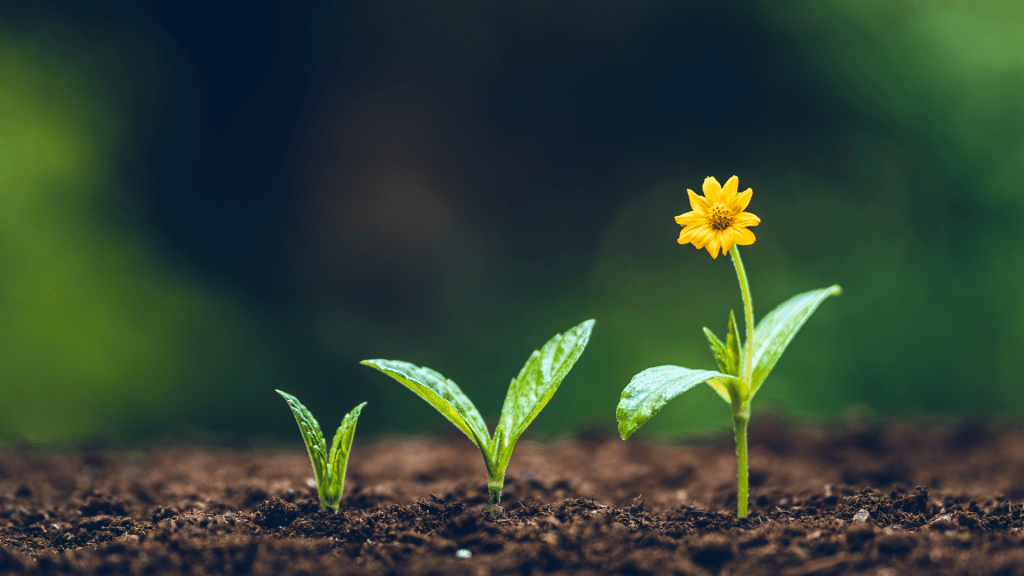
Imagine plucking sweet, juicy cherry tomatoes right from your own indoor garden, even when the snow is falling outside! It's more attainable than you might think. Growing cherry tomatoes indoors in pots is a rewarding project that brings a touch of summer to your home year-round. Ready to learn how?
Growing Cherry Tomatoes in Pots Indoors: A Complete Guide
Growing cherry tomatoes indoors in pots allows you to enjoy fresh, homegrown tomatoes regardless of the season or your outdoor space. This comprehensive guide will walk you through every step of the process, from choosing the right variety to harvesting your delicious bounty.
Choosing the Right Cherry Tomato Variety for Indoor Growing
Not all cherry tomato varieties are created equal when it comes to indoor growing. Some thrive in containers and adapt well to the controlled environment, while others may struggle. Compact or determinate varieties are generally better suited for pots indoors, as they tend to stay smaller and require less support. Indeterminate varieties, on the other hand, continue to grow and produce fruit throughout the season but often need more space and staking.
Recommended Cherry Tomato Varieties for Indoor Containers:
- Tiny Tim: A dwarf variety that produces small, sweet tomatoes. Perfect for small pots and limited space.
- Tumbling Tom Red: This cascading variety is ideal for hanging baskets and will spill over the edges with ripe tomatoes.
- Red Robin: Another compact dwarf variety that's known for its early yields.
- Balcony Cherry: As the name suggests, this variety is well-suited for container gardening and produces abundant clusters of sweet tomatoes.
When selecting your seeds or seedlings, always consider the plant's mature size and growth habit. Read the seed packet or plant label carefully to ensure it's a good fit for your indoor setup. Also, look for varieties labeled "disease-resistant" to minimize potential problems.
Essential Equipment for Growing Cherry Tomatoes Indoors
Success in growing cherry tomatoes indoors in pots hinges on providing the right conditions. This means having the right equipment to mimic the natural environment as closely as possible.
What You'll Need:
- Pots: Choose pots that are at least 12 inches in diameter and depth. Fabric pots are excellent as they allow for good drainage and air circulation to the roots.
- Potting Mix: Use a high-quality, well-draining potting mix specifically formulated for containers. Avoid using garden soil, as it can compact and hinder drainage.
- Grow Lights: Indoor tomatoes need ample light to thrive. LED grow lights are energy-efficient and provide the full spectrum of light necessary for healthy growth and fruit production.
- Fertilizer: A balanced fertilizer specifically formulated for tomatoes will provide the necessary nutrients. Look for one with a higher phosphorus content to encourage flowering and fruiting.
- Watering Can or Sprayer: Consistent watering is crucial. A watering can with a long spout or a sprayer will allow you to water the plants evenly without disturbing the soil.
- Support Structure: Depending on the variety, you may need a stake, trellis, or tomato cage to support the plant as it grows and produces fruit.
- Thermometer and Hygrometer: Monitoring temperature and humidity levels is important for creating an optimal growing environment.
Investing in quality equipment from the start will greatly increase your chances of success. Don't skimp on grow lights or potting mix, as these are essential for healthy plant growth.
Planting and Caring for Your Indoor Cherry Tomato Plants
Once you have your equipment ready, it's time to plant your cherry tomato seeds or seedlings. Proper planting and ongoing care are crucial for maximizing your yield and preventing problems.
Planting Instructions:
- Fill your pot with potting mix, leaving a few inches of space at the top.
- If starting from seeds, sow them according to the seed packet instructions. Generally, this involves planting them about ¼ inch deep.
- If transplanting seedlings, gently remove them from their original containers and loosen the roots slightly.
- Place the seedling in the pot, ensuring that the top of the root ball is level with the soil surface.
- Backfill the pot with potting mix and gently firm the soil around the plant.
- Water thoroughly after planting.
Ongoing Care Tips:
- Light: Provide at least 14-16 hours of light per day using your grow lights. Position the lights close enough to the plants to provide adequate intensity.
- Watering: Water regularly, allowing the soil to dry slightly between waterings. Avoid overwatering, as this can lead to root rot.
- Fertilizing: Fertilize every 2-3 weeks with a tomato-specific fertilizer, following the instructions on the label.
- Pollination: Since there are no bees or wind indoors, you'll need to hand-pollinate your plants. Use a small brush or your finger to gently transfer pollen from one flower to another. You can also gently shake the plant to release pollen.
- Pruning: Prune suckers (the small shoots that grow between the main stem and branches) to encourage fruit production.
- Temperature and Humidity: Maintain a temperature between 65-75°F (18-24°C) and a humidity level of 40-60%.
Consistent care and attention are key to growing healthy and productive cherry tomato plants indoors. Monitor your plants regularly for signs of pests or diseases and address them promptly.
Troubleshooting Common Problems When Growing Cherry Tomatoes Indoors
Even with the best care, you may encounter some challenges when growing cherry tomatoes indoors. Here are some common problems and how to address them:
- Yellowing Leaves: This can be caused by overwatering, underwatering, nutrient deficiencies, or pests. Check the soil moisture level and adjust your watering accordingly. Fertilize the plant if necessary and inspect for pests.
- Blossom Drop: This occurs when the flowers fall off before setting fruit. It can be caused by temperature extremes, insufficient light, or lack of pollination. Ensure adequate light and maintain a consistent temperature. Hand-pollinate the flowers regularly.
- Pests: Common indoor pests include aphids, whiteflies, and spider mites. Use insecticidal soap or neem oil to control these pests.
- Diseases: Fungal diseases like powdery mildew can occur in humid conditions. Ensure good air circulation and avoid overwatering. Use a fungicide if necessary.
Early detection and prompt action are crucial for preventing problems from escalating. Regularly inspect your plants for signs of trouble and take corrective measures as needed. Remember to research any issues you encounter and use safe and effective treatments.
Harvesting Your Indoor Cherry Tomatoes
The moment you've been waiting for! Harvesting your own homegrown cherry tomatoes is the ultimate reward for your hard work. Knowing when to harvest is crucial to enjoying the best flavor and texture.
When to Harvest:
- Cherry tomatoes are typically ready to harvest when they are fully colored and slightly soft to the touch.
- The color should be uniform and vibrant, indicating that the tomato is fully ripe.
- Gently twist the tomato from the vine, leaving a small piece of the stem attached.
Harvest your tomatoes regularly to encourage continued production. Store them at room temperature for the best flavor. Enjoy your fresh, homegrown cherry tomatoes in salads, snacks, or your favorite recipes!
If you are looking for a more automated solution for indoor gardening, consider a hydroponic system. A setup like the Ahopegarden Indoor Garden Hydroponics Growing System, a 10 Pods Plant Germination Kit offers an aeroponic herb and vegetable growth lamp, allowing you to conveniently grow lettuce and other herbs indoors with an LED grow light. You can find this convenient hydroponic planter grower on Amazon here: https://amzn.to/3RPpa Sk.