Are you dreaming of juicy, sun-ripened tomatoes bursting with flavor, but lack the space or the time for a traditional garden? Or perhaps you're tired of constantly worrying about whether your tomato plants are getting enough water? Then, the world of self-watering containers might just be your gardening salvation! Let's dive in and explore how you can grow amazing tomatoes using this clever and convenient method. The Magic of Self Watering Containers for Tomato Plants Self-watering containers, sometimes called sub-irrigated planters (SIPs), are designed to provide a consistent and reliable water supply to your plants, minimizing the need for frequent watering and dramatically reducing water waste. For tomato plants, which are known for their thirstiness, this can be a game-changer! The beauty of a tomato plant self watering container lies in its simplicity and efficiency. It essentially creates a mini-reservoir beneath the soil, allowing the plant...
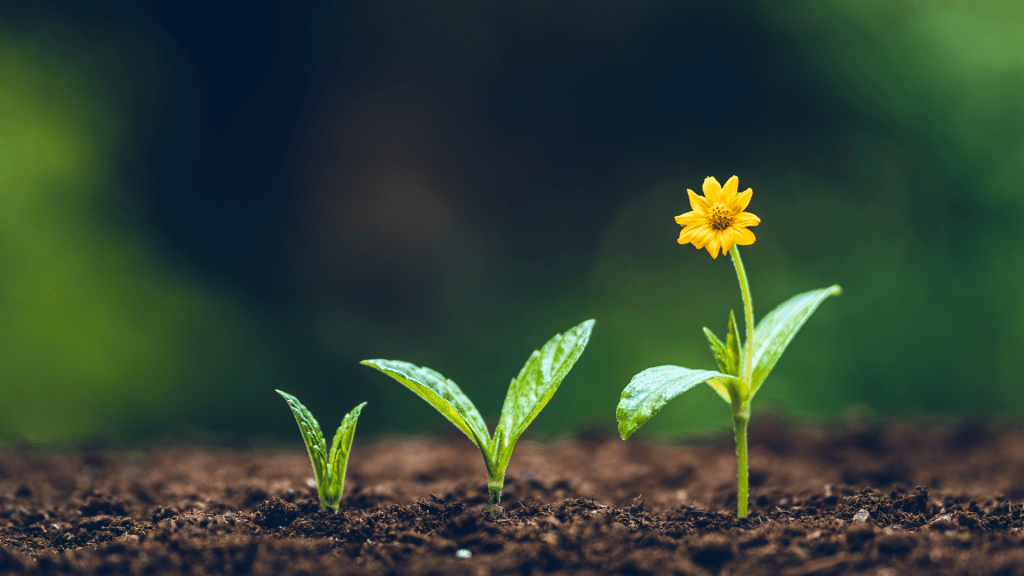
Imagine biting into a juicy, sun-ripened beefsteak tomato in the dead of winter. Sounds impossible, right? Well, not anymore! With a little planning and the right techniques, you can grow these giants indoors and enjoy that summer flavor all year round. Let's dive into how you can cultivate your own beefsteak tomato bounty inside your home.
Why Grow Beefsteak Tomatoes Indoors?
There are several compelling reasons to consider growing beefsteak tomatoes indoors. Perhaps you live in a region with a short growing season, or maybe you simply want to enjoy fresh, homegrown tomatoes regardless of the weather outside. Here's a breakdown of the benefits:
- Extended Growing Season: Enjoy fresh tomatoes year-round, bypassing the limitations of your local climate.
- Pest and Disease Control: Indoor environments offer better control over pests and diseases that can plague outdoor tomato plants. You'll have fewer worries about tomato hornworms, blight, or other common garden problems.
- Convenience: Growing indoors allows you to easily monitor and care for your plants, regardless of your schedule or the weather.
- Fresh, Flavorful Tomatoes: Experience the unparalleled taste of vine-ripened beefsteak tomatoes, knowing exactly where they came from.
Plus, it’s a fun and rewarding hobby! Watching your plants grow and produce delicious fruit is a truly satisfying experience.
Choosing the Right Beefsteak Tomato Variety for Indoor Growing
Not all beefsteak tomato varieties are created equal, especially when it comes to indoor growing. Some are better suited for container gardening and indoor environments than others. Consider these factors when selecting your seeds:
- Size: Opt for more compact beefsteak varieties. While you still want that impressive size, a smaller plant will be easier to manage indoors. Consider varieties like 'Celebrity,' 'Early Girl' (though technically not a true beefsteak, it offers a good size and early harvest), or specifically bred dwarf beefsteak varieties if you can find them.
- Disease Resistance: Choose varieties with good disease resistance to minimize potential problems in your controlled indoor environment. Look for labels indicating resistance to common tomato diseases like Verticillium wilt (V), Fusarium wilt (F), and Tomato Mosaic Virus (TMV).
- Days to Maturity: Pay attention to the "days to maturity" listed on the seed packet. Shorter maturity times mean you'll be harvesting your tomatoes sooner. Varieties with 70-80 days to maturity are a good starting point.
- Indeterminate vs. Determinate: Beefsteak tomatoes are generallyindeterminate, meaning they continue to grow and produce fruit throughout the season. While this is desirable for continuous harvesting, it also means they require more support and pruning. Be prepared to provide sturdy stakes or cages. Some determinate (bush) varieties exist, but they might not offer the true beefsteak size you're looking for.
It's also a good idea to read reviews from other gardeners who have grown beefsteak tomatoes indoors to get a better understanding of which varieties perform well.
Setting Up Your Indoor Beefsteak Tomato Growing Environment
Creating the right environment is crucial for successfully growing beefsteak tomatoes indoors. These plants need plenty of light, warmth, and proper ventilation. Here's what you'll need to consider:
Light
Beefsteak tomatoes require at least 6-8 hours of direct sunlight per day. Unfortunately, most indoor locations don't provide enough natural light, especially during the winter months. This is where grow lights come in. Here's what you need to know about grow lights:
- Types of Grow Lights:
- LED Grow Lights: These are the most energy-efficient option and produce very little heat. They are available in a variety of spectrums designed for different stages of plant growth.
- Fluorescent Grow Lights (T5 or T8): These are a more affordable option, but they are less efficient than LEDs and produce more heat.
- High-Intensity Discharge (HID) Lights (Metal Halide or High-Pressure Sodium): These are very powerful lights that are often used for large-scale indoor growing operations. They are not typically recommended for home use due to their high heat output and energy consumption.
- Light Spectrum: For tomatoes, you'll want a full-spectrum light that provides both blue and red wavelengths. Blue light is important for vegetative growth, while red light is essential for flowering and fruiting.
- Light Intensity: The distance between your grow lights and your plants will affect the light intensity. As a general rule, keep the lights about 6-12 inches above the top of the plants. Adjust the height as the plants grow.
A good timer is also essential for automating your grow lights. Set the timer to provide 14-16 hours of light per day during the vegetative stage and 12-14 hours of light per day during the flowering and fruiting stage.
Temperature
Beefsteak tomatoes thrive in warm temperatures. The ideal temperature range is 70-80°F (21-27°C) during the day and 60-70°F (15-21°C) at night. Avoid exposing your plants to temperatures below 55°F (13°C), as this can stunt their growth.
Use a thermometer to monitor the temperature in your growing area. If the temperature is too low, you may need to add a space heater. If the temperature is too high, you can improve ventilation by opening a window or using a fan.
Ventilation
Good ventilation is essential for preventing diseases and pests. Stagnant air can create a breeding ground for mold and mildew. Use a fan to circulate the air around your plants. This will also help to strengthen the stems and branches.
Humidity
The ideal humidity level for tomato plants is 40-60%. If the humidity is too low, the leaves can dry out and become brittle. If the humidity is too high, it can increase the risk of fungal diseases. You can use a humidifier or dehumidifier to adjust the humidity level in your growing area.
Planting and Caring for Your Indoor Beefsteak Tomatoes
Once you have your growing environment set up, it's time to plant your beefsteak tomatoes. Here's a step-by-step guide:
Starting from Seed
Starting from seed gives you more control over the varieties you grow. It also allows you to get a head start on the growing season.
- Start Seeds Indoors: Start your tomato seeds 6-8 weeks before you want to transplant them into their final containers.
- Use a Seed Starting Mix: Use a sterile seed starting mix to prevent damping-off disease.
- Sow Seeds: Sow the seeds about ¼ inch deep in small pots or seed trays.
- Keep the Soil Moist: Keep the soil moist but not soggy.
- Provide Warmth: Place the seed trays on a heat mat to speed up germination.
- Provide Light: Once the seedlings emerge, provide them with plenty of light. Place them under grow lights or in a sunny window.
- Transplant Seedlings: Once the seedlings have developed their first true leaves, transplant them into larger pots.
Choosing the Right Container
Beefsteak tomatoes need a large container to accommodate their extensive root system. A 5-gallon container is the minimum size recommended, but a 10-gallon container is even better. Make sure the container has drainage holes to prevent waterlogging.
Soil
Use a well-draining potting mix that is rich in organic matter. Avoid using garden soil, as it can compact in containers and doesn't provide adequate drainage. You can amend your potting mix with compost or other organic materials to improve its fertility.
Watering
Water your beefsteak tomatoes regularly, especially during hot weather. Water deeply whenever the top inch of soil feels dry to the touch. Avoid overwatering, as this can lead to root rot. Use a watering can or hose to water the plants at the base, avoiding wetting the foliage.
Fertilizing
Beefsteak tomatoes are heavy feeders, so they need regular fertilization. Use a balanced fertilizer that is specifically formulated for tomatoes. Follow the instructions on the fertilizer label. Fertilize every 2-3 weeks during the growing season.
Pruning
Pruning is essential for maximizing fruit production and preventing diseases. Remove suckers (the shoots that grow between the main stem and the branches) to encourage the plant to focus its energy on producing fruit. Also, remove any yellowing or diseased leaves.
Pollination
Tomatoes are self-pollinating, but indoor plants may need a little help. Gently shake the plants or use a small brush to transfer pollen from one flower to another. You can also use a fan to circulate the air around the plants, which will help to distribute the pollen.
Supporting the Plants
Beefsteak tomatoes produce heavy fruit, so they need support to prevent the stems from breaking. Use stakes, cages, or trellises to support the plants as they grow. Tie the stems to the support structure with soft twine or plant ties.
Dealing with Pests and Diseases
While indoor growing reduces the risk of pests and diseases, it's still important to be vigilant. Here are some common problems and how to deal with them:
- Aphids: These small insects can suck the sap from the leaves. Wash them off with a strong stream of water or use insecticidal soap.
- Whiteflies: These tiny white insects can also suck the sap from the leaves. Use yellow sticky traps to catch them or spray them with insecticidal soap.
- Spider Mites: These tiny mites can cause yellowing and stippling of the leaves. Increase humidity and spray the plants with insecticidal soap or horticultural oil.
- Fungal Diseases: These can be prevented by providing good ventilation and avoiding overwatering. If you see signs of fungal disease, remove the affected leaves and spray the plants with a fungicide.
Harvesting Your Beefsteak Tomatoes
Beefsteak tomatoes are typically ready to harvest when they are fully colored and slightly soft to the touch. Gently twist the tomato from the vine. Store the tomatoes at room temperature for best flavor. Don't refrigerate them, as this can make them mealy.
With a little effort, you can enjoy the taste of homegrown beefsteak tomatoes all year round. Growing these flavorful giants indoors is a rewarding experience that will add a touch of summer to your home, no matter the season.
Alternative Ways to Grow Beefsteak Tomatoes Indoors
If you're looking for a simplified way to grow beefsteak tomatoes or other greens indoors, consider exploring hydroponic systems. For example, theAhopegarden Indoor Garden Hydroponics Growing System, a system to germinate your seeds in a soilless environment, can be really helpful. This 10 Pod Plant Germination Kit Aeroponic Herb Vegetable Growth Lamp Countertop with LED Grow Lightprovides a convenient way to grow herbs, vegetables, and even start your tomato seeds without soil. With its built-in LED grow light, you can provide the perfect amount of light for your plants, ensuring healthy growth and bountiful harvests. Check it out here:https://amzn.to/3RPpa Sk.