Are you dreaming of juicy, sun-ripened tomatoes bursting with flavor, but lack the space or the time for a traditional garden? Or perhaps you're tired of constantly worrying about whether your tomato plants are getting enough water? Then, the world of self-watering containers might just be your gardening salvation! Let's dive in and explore how you can grow amazing tomatoes using this clever and convenient method. The Magic of Self Watering Containers for Tomato Plants Self-watering containers, sometimes called sub-irrigated planters (SIPs), are designed to provide a consistent and reliable water supply to your plants, minimizing the need for frequent watering and dramatically reducing water waste. For tomato plants, which are known for their thirstiness, this can be a game-changer! The beauty of a tomato plant self watering container lies in its simplicity and efficiency. It essentially creates a mini-reservoir beneath the soil, allowing the plant...
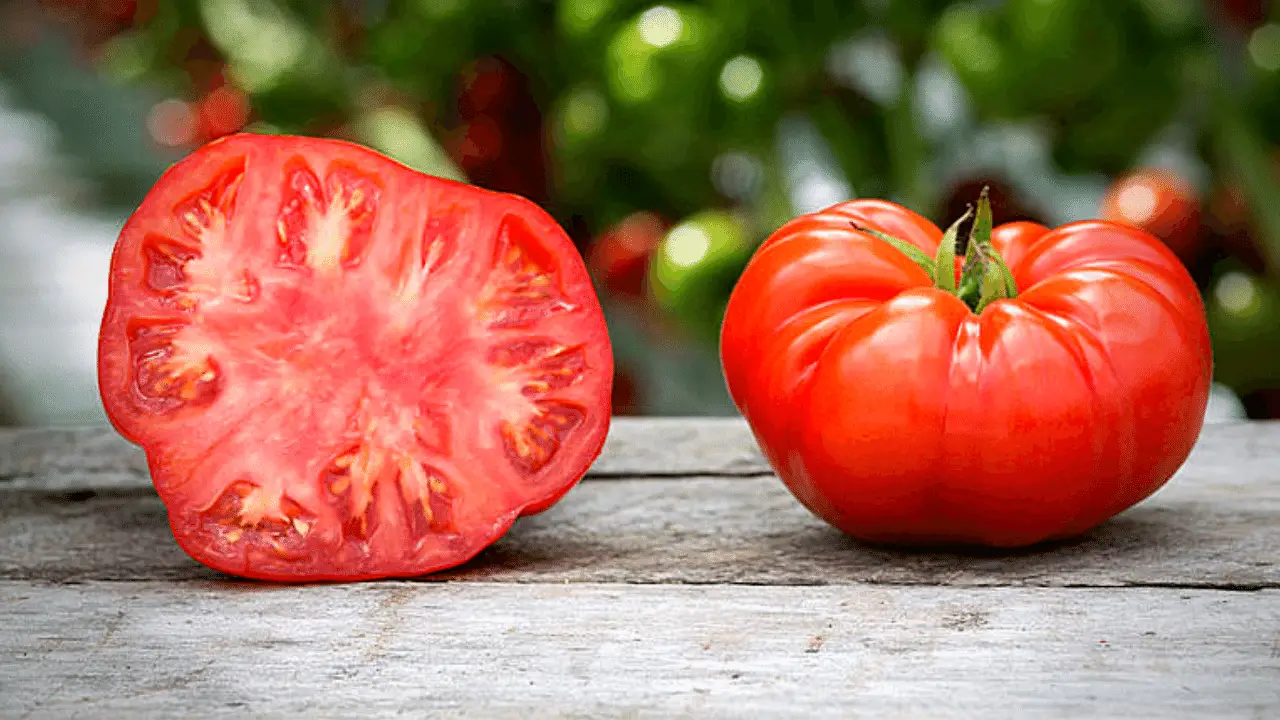
Dreaming of juicy, sun-ripened beefsteak tomatoes bursting with flavor, but you're short on garden space? Don't despair! You absolutely CAN grow these giants in pots. It takes a little know-how, but the reward of homegrown, oversized tomatoes is well worth the effort. Let's dive into the world of container gardening and learn how to cultivate prize-winning beefsteak tomatoes right on your patio or balcony.
Growing Beefsteak Tomatoes in Pots: A Comprehensive Guide
Choosing the Right Beefsteak Tomato Variety for Pots
Not all beefsteak tomatoes are created equal, especially when it comes to container gardening. Some varieties are simply too large and vigorous for pots, while others are more compact and better suited for confined spaces. Whenselecting your beefsteak tomato, consider these factors:
- Plant Size: Look for determinate or semi-determinate varieties. Determinate tomatoes grow to a specific size and then stop, making them more manageable in pots. Indeterminate varieties, on the other hand, keep growing and vining throughout the season, requiring significant support and space. Examples of determinate beefsteak varieties suitable for pots include 'Celebrity' and 'Better Bush'.
- Fruit Size: While you want that classic beefsteak size, extremely large varieties may require more resources than a pot can provide. Consider varieties that produce slightly smaller, but still substantial, tomatoes.
- Disease Resistance: Choosing a variety with good disease resistance will save you a lot of headaches, especially in the potentially humid environment of a container garden. Look for varieties labeled with resistance to common tomato diseases like Verticillium wilt (V), Fusarium wilt (F), and Tomato mosaic virus (To MV).
Here are a few popular beefsteak tomato varieties known to perform well in containers:
'Celebrity': A reliable and disease-resistant determinate variety. 'Big Beef':An indeterminate hybrid that produces large, flavorful tomatoes, but requires strong staking. 'Brandywine':This heirloom favorite produces large, juicy tomatoes with excellent flavor, but can be more susceptible to diseases, so it needs special care and attention. 'Mortgage Lifter':Another heirloom, known for its huge fruit and rich taste. Needs strong support. 'Super Beefsteak':A prolific producer of very large tomatoes.
Ultimately, the best variety for you will depend on your personal preferences and the specific growing conditions in your area. Don't be afraid to experiment and try a few different varieties to see what works best!
Selecting the Perfect Pot for Your Beefsteak Tomatoes
The size of the pot is crucial for successfullygrowing beefsteak tomatoes in pots. These plants have extensive root systems and require ample space to develop. A pot that is too small will restrict root growth, leading to stunted plants and reduced fruit production.
Here's what to look for in a pot:
- Size: Aim for a pot that is at least20-25 gallons in size. This provides enough room for the roots to spread and access nutrients. Larger is generally better, but consider the weight and manageability of a very large pot, especially when it's filled with soil and a mature tomato plant.
- Material: Plastic, terracotta, and fabric pots are all viable options.
- Plastic pots*are lightweight, inexpensive, and retain moisture well. However, they can heat up quickly in direct sunlight.
- Terracotta pots*are porous, allowing for better airflow and drainage. They are also heavier and more prone to cracking in freezing temperatures.
- Fabric potsare breathable and promote air pruning, which encourages a healthier root system. They also drain well, preventing overwatering.
- Drainage: Ensure the pot has adequate drainage holes to prevent waterlogging, which can lead to root rot. If the pot doesn't have enough holes, you can drill additional ones.
Before planting, wash your container to prevent any potential disease that was previously in the container. A clean container ensures a healthy beginning for the tomato plant. Proper pot size and material choice are essential for fostering robust growth and abundant fruit production for your beefsteak tomatoes.
The Ideal Soil Mix for Container-Grown Beefsteak Tomatoes
The soil you use in your pot is just as important as the pot itself. Garden soil is generally too heavy and dense for containers, as it compacts easily and doesn't drain well. Instead, opt for a high-quality potting mix that is specifically formulated for container gardening. Also, consider looking at thesoil mix for beefsteak tomatoes, to make sure it has the right nutrition.
Here's what to look for in a potting mix:
- Lightweight and Well-Draining: The mix should be light and airy to allow for good drainage and aeration. This helps prevent root rot and allows the roots to access oxygen.
- Nutrient-Rich: Choose a mix that contains a good balance of nutrients, including nitrogen, phosphorus, and potassium. You can also amend the mix with compost or other organic matter to boost its fertility.
- Slightly Acidic p H: Tomatoes prefer a slightly acidic soil p H of around 6.0-6.8. You can test the p H of your potting mix using a soil testing kit and amend it if necessary.
You can also create your own potting mix by combining equal parts of the following:
Peat moss or coconut coir: These provide good water retention and aeration. Perlite or vermiculite: These improve drainage and aeration. Compost:This adds nutrients and improves soil structure.
Avoid using garden soil in your containers, as it can harbor pests and diseases and doesn't drain well. Start with a good quality potting mix and amend it with compost to create the ideal growing medium for your beefsteak tomatoes.
Planting Your Beefsteak Tomato Seedling
Once you have your pot and soil ready, it's time to plant your beefsteak tomato seedling. Choose a healthy seedling that is about 6-8 inches tall and has a strong stem and vibrant green leaves. Beforeplanting your beefsteak tomato seedling, you should harden it off by exposing it to the outdoor elements for a few hours a day over the course of a week. This will help it acclimate to the new environment and prevent transplant shock.
Here's how to plant your seedling:
- Fill the pot with potting mix, leaving a few inches of space at the top.
- Dig a hole in the center of the pot that is large enough to accommodate the root ball of the seedling.
- Gently remove the seedling from its container and loosen the roots slightly.
- Place the seedling in the hole, making sure the top of the root ball is level with the soil surface.
- Backfill the hole with potting mix and gently firm the soil around the seedling.
- Water the seedling thoroughly.
One trick that many gardeners use is to bury the stem of the tomato plant up to the first set of leaves. This encourages the plant to develop more roots along the buried stem, resulting in a stronger and more productive plant. After planting, provide support for your tomato plant with a sturdy stake or tomato cage.
Providing Adequate Sunlight and Watering
Beefsteak tomatoes need at least 6-8 hours of direct sunlight per day to thrive. Choose a location for your pot that receives plenty of sunlight. If you live in a hot climate, provide some afternoon shade to prevent the plants from scorching. Regular watering is also essential, especially during hot weather. Water deeply whenever the top inch of soil feels dry to the touch.
Here are some watering tips:
Water early in the morning to allow the foliage to dry before nightfall, which can help prevent fungal diseases. Water at the base of the plant, avoiding wetting the leaves. Use a watering can or a soaker hoseto deliver water slowly and evenly. Avoid overwatering, as this can lead to root rot. Mulch around the base of the plant with straw or other organic matter to help retain moisture.
During the hottest parts of summer, you may need to water your beefsteak tomatoes twice a day. Check the soil moisture regularly and adjust your watering schedule accordingly. Lack of sufficient sunlight, combined with inconsistent or insufficient watering, often is the primary reason why a tomato plant doesn't develop to its full potential.
Fertilizing Your Container-Grown Beefsteak Tomatoes
Beefsteak tomatoes are heavy feeders and require regular fertilization to produce abundant fruit. Start fertilizing your plants about two weeks after planting, using a balanced fertilizer that is specifically formulated for tomatoes. Look for a fertilizer with an N-P-K ratio of around 5-10-5 or 10-10-10. Thishelps beefsteak tomatoes grow well in pots.
Here are some fertilization tips:
Follow the instructions on the fertilizer label carefully. Over-fertilizing can damage your plants. Fertilize every 2-3 weeks throughout the growing season. Use a liquid fertilizer that can be easily absorbed by the roots. Supplement with organic fertilizers, such as compost tea or fish emulsion.
Avoid using fertilizers that are high in nitrogen, as this can promote leafy growth at the expense of fruit production. Also, be careful not to get fertilizer on the leaves of the plant, as this can cause burning. Regularly feeding your beefsteak tomatoes will ensure they have the nutrients they need to produce large, flavorful fruit.
Providing Support:Staking or Caging Your Beefsteak Tomatoes
Beefsteak tomatoes are known for their large, heavy fruit, so providing adequate support is essential to prevent the branches from breaking. You can use either stakes or cages to support your plants. Stakes are a good option for determinate varieties, while cages are better suited for indeterminate varieties that tend to sprawl. Proper support will also help keep the fruit off the ground, reducing the risk of rot and pest damage.
Here's how to stake or cage your beefsteak tomatoes:
Staking: Drive a sturdy stake into the ground near the plant, making sure it is deep enough to provide adequate support. As the plant grows, tie the stem to the stake with soft twine or plant ties. Caging: Place a tomato cage around the plant when it is young. Make sure the cage is tall enough to accommodate the mature plant. As the plant grows, guide the branches through the openings in the cage.
Choose a support system that is strong enough to handle the weight of the fruit. You may need to reinforce your stakes or cages as the plants grow and the fruit develops. Regular support is critical for maintaining the health and productivity of your beefsteak tomatoes.
Pest and Disease Management for Potted Beefsteak Tomatoes
Even in containers, beefsteak tomatoes can be susceptible to pests and diseases. Common pests include aphids, whiteflies, tomato hornworms, and spider mites. Common diseases include early blight, late blight, and Fusarium wilt. Regular monitoring and preventative measures can help minimize these problems.
Here are some pest and disease management tips:
Inspect your plants regularly for signs of pests or diseases. Remove any infected leaves or fruit immediately. Use organic pest control methods, such as insecticidal soap or neem oil. Provide good air circulationto prevent fungal diseases. Water at the base of the plantto avoid wetting the foliage. Choose disease-resistant varietieswhenever possible. Rotate your cropseach year to prevent the buildup of soilborne diseases.
If you do need to use chemical pesticides or fungicides, be sure to follow the instructions on the label carefully. Always prioritize organic and natural methods whenever possible to protect the environment and your health. A little vigilance and proactive management can go a long way in keeping your beefsteak tomatoes healthy and productive.
Harvesting Your Homegrown Beefsteak Tomatoes
The moment you've been waiting for! Harvesting your homegrown beefsteak tomatoes is the ultimate reward for your hard work. Tomatoes are typically ready to harvest when they are fully colored, slightly soft to the touch, and easily detach from the vine. The exact color will depend on the variety you are growing.
Here are some harvesting tips:
Harvest tomatoes in the morning, when they are at their peak flavor. Gently twist or cut the tomatofrom the vine, leaving a small piece of stem attached. Avoid squeezing the tomatowhen harvesting. Store tomatoes at room temperaturefor the best flavor. Do not refrigerate tomatoes, as this can affect their texture and taste.
Overripe tomatoes will be very soft and may have blemishes. Underripe tomatoes will be firm and green. If you need to ripen green tomatoes, you can place them in a paper bag with a banana or apple. The ethylene gas produced by these fruits will help to speed up the ripening process.
Growing beefsteak tomatoes in pots is a rewarding experience that allows you to enjoy fresh, flavorful tomatoes even if you don't have a traditional garden. By following these tips, you can successfully cultivate these giants in containers and savor the taste of homegrown goodness. Happy gardening!
If you're looking for a convenient way to start your tomato seedlings indoors, consider using the Ahopegarden Indoor Garden Hydroponics Growing System. This 10-pod plant germination kit includes an aeroponic system with a LED grow light, making it easy to grow herbs and vegetables right on your countertop. It's like having a hydroponic lettuce harvest right in your kitchen. You can find it here: Ahopegarden Indoor Garden Hydroponics Growing System.