Are you dreaming of juicy, sun-ripened tomatoes bursting with flavor, but lack the space or the time for a traditional garden? Or perhaps you're tired of constantly worrying about whether your tomato plants are getting enough water? Then, the world of self-watering containers might just be your gardening salvation! Let's dive in and explore how you can grow amazing tomatoes using this clever and convenient method. The Magic of Self Watering Containers for Tomato Plants Self-watering containers, sometimes called sub-irrigated planters (SIPs), are designed to provide a consistent and reliable water supply to your plants, minimizing the need for frequent watering and dramatically reducing water waste. For tomato plants, which are known for their thirstiness, this can be a game-changer! The beauty of a tomato plant self watering container lies in its simplicity and efficiency. It essentially creates a mini-reservoir beneath the soil, allowing the plant...
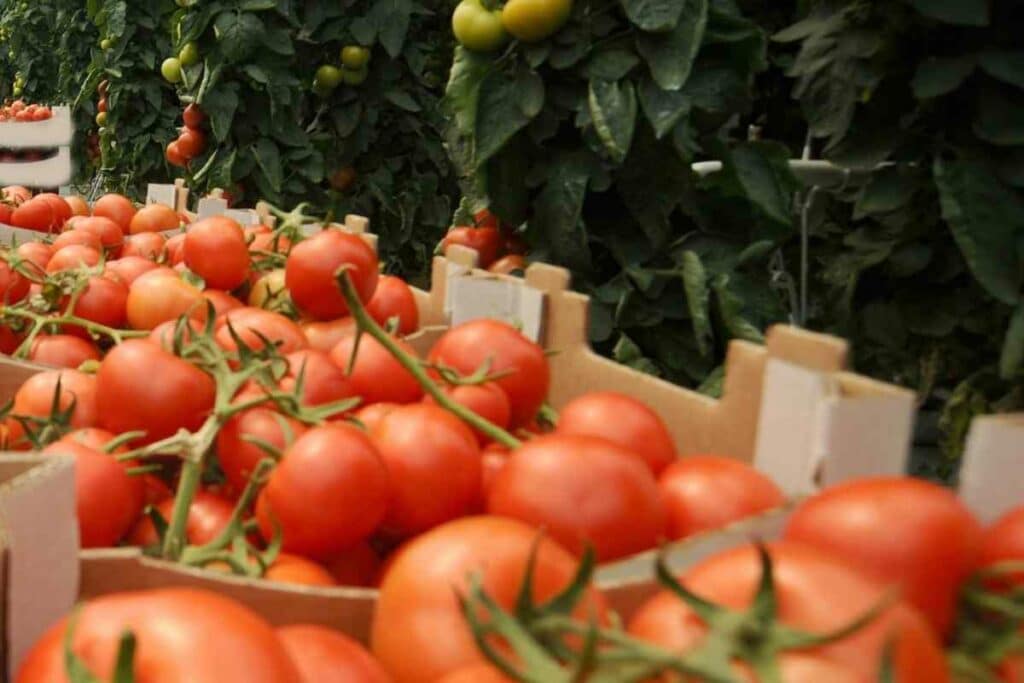
There's nothing quite like the taste of a sun-ripened tomato, bursting with flavor and sweetness. Imagine being able to enjoy that deliciousness year-round, right from your own kitchen! With an Aero Garden, that dream can become a reality. But growing tomatoes indoors isn't always a walk in the park. So, let's dive into some essential Aero Garden tomato tips to help you cultivate a thriving, bountiful harvest.
Aero Garden Tomato Tips: Your Guide to Indoor Tomato Success
Choosing the Right Tomato Variety for Your Aero Garden
Not all tomato varieties are created equal, especially when it comes to indoor gardening. Smaller, determinate varieties are generally better suited for Aero Gardens. Determinate tomatoes grow to a certain size and then stop, producing all their fruit at once. This is in contrast to indeterminate varieties, which continue to grow and produce fruit throughout the season, often becoming quite large and unwieldy for an Aero Garden.
Best Tomato Varieties for Aero Gardens:
- Tiny Tim: A dwarf variety that produces small, cherry-sized tomatoes.
- Roma: Compact and productive, ideal for sauces and canning.
- Patio: A good all-around choice that produces medium-sized tomatoes.
- Red Robin: Another dwarf variety that is easy to grow and produces delicious cherry tomatoes.
When choosing your tomato seeds or pods, carefully read the descriptions to determine if they are determinate and of a suitable size for your Aero Garden. Avoid larger, indeterminate varieties like Beefsteak, as they will quickly outgrow your system and require extensive pruning and support. You might find that the Ahopegarden Indoor Garden Hydroponics Growing System, a 10-pod plant germination kit with an LED grow light (available on Amazon at https://amzn.to/3RPpa Sk), is also an excellent choice for starting your tomato seedlings before transplanting them into your larger Aero Garden. This kind of hydroponic indoor garden planter can assist with the initial germination phase.
Setting Up Your Aero Garden for Tomatoes
Proper setup is crucial for successful tomato growth in your Aero Garden. Here's what you need to consider:
Lighting:
Tomatoes are sun-loving plants and require ample light to thrive. The Aero Garden's built-in LED grow lights are typically sufficient, but you may need to supplement with additional lighting if your plants aren't getting enough. Look for signs of insufficient light, such as leggy growth (long, thin stems with few leaves) or pale leaves.
Nutrients:
Tomatoes are heavy feeders, meaning they require a significant amount of nutrients, especially during fruiting. Use a high-quality nutrient solution specifically formulated for tomatoes. Follow the instructions on the nutrient solution carefully and adjust the dosage as needed based on your plants' growth. Consider using a nutrient solution that is higher in phosphorus and potassium to promote flowering and fruit development.
Water Level:
Maintain the water level in your Aero Garden reservoir at the recommended level. Check the water level regularly and add water and nutrients as needed. Ensure you only use distilled or purified water to avoid mineral build-up.
Air Circulation:
Good air circulation is essential to prevent fungal diseases and promote healthy growth. Ensure your Aero Garden is located in a well-ventilated area. You can also use a small fan to circulate air around your plants.
Pollinating Your Aero Garden Tomatoes
One of the biggest challenges of growing tomatoes indoors is pollination. Outdoors, wind and insects naturally pollinate tomato flowers. Indoors, you need to take on this role yourself.
Hand Pollination Techniques:
- Shaking: Gently shake the tomato plants several times a week to release pollen.
- Electric Toothbrush: Use an electric toothbrush to vibrate the flowers, releasing pollen. Simply hold the brush against the base of the flower stem for a few seconds.
- Cotton Swab or Paintbrush: Use a cotton swab or small paintbrush to collect pollen from the stamen (the male part of the flower) and transfer it to the pistil (the female part of the flower).
Pollinate your tomato flowers when they are open and the pollen is dry. This is typically in the mid-morning. Repeat the pollination process every few days to ensure all flowers are pollinated.
Pruning and Supporting Your Aero Garden Tomato Plants
Pruning and supporting your tomato plants is essential to maintain their shape, promote air circulation, and support the weight of the developing fruit.
Pruning:
Remove suckers, which are small shoots that grow between the main stem and the branches. Suckers can drain energy from the plant and reduce fruit production. Prune away any yellowing or dead leaves to prevent the spread of disease.
Supporting:
As your tomato plants grow taller and produce fruit, they will need support to prevent them from toppling over. You can use stakes, cages, or trellises to support your plants. Attach the plants to the support structure using soft plant ties.
Troubleshooting Common Aero Garden Tomato Problems
Even with the best care, you may encounter some common problems when growing tomatoes in your Aero Garden. Here are some tips for troubleshooting:
Blossom End Rot:
Blossom end rot is a common problem that causes the bottom of the tomato fruit to develop a dark, leathery spot. This is usually caused by a calcium deficiency. To prevent blossom end rot, ensure your nutrient solution contains adequate calcium and maintain consistent watering.
Leaf Curling:
Leaf curling can be caused by several factors, including overwatering, underwatering, nutrient deficiencies, or pests. Adjust your watering schedule as needed and ensure your plants are receiving adequate nutrients. Inspect your plants for pests and treat them accordingly.
Yellowing Leaves:
Yellowing leaves can be a sign of nutrient deficiencies, overwatering, or underwatering. Check the nutrient levels in your Aero Garden and adjust your watering schedule as needed. Also, ensure you don't have waterlogged roots.
Pests:
Aphids, spider mites, and whiteflies are common pests that can infest tomato plants. Inspect your plants regularly for pests and treat them accordingly. You can use insecticidal soap or neem oil to control pests.
Harvesting and Enjoying Your Aero Garden Tomatoes
The most rewarding part of growing tomatoes in your Aero Garden is harvesting the fruits of your labor. Tomatoes are typically ready to harvest when they are fully colored and slightly soft to the touch. Gently twist or cut the tomato from the plant.
Here's a Table for Common Tomato Problems and Solutions:
| Problem | Possible Cause(s) | Solution(s) |
|---|---|---|
| -------------------- | ---------------------------------------------------- | ------------------------------------------------------------------------------ |
| Blossom End Rot | Calcium Deficiency, inconsistent watering | Add calcium supplement, maintain consistent watering schedule |
| Leaf Curling | Over/Underwatering, nutrient deficiencies, pests | Adjust watering, check nutrient levels, inspect for and treat pests |
| Yellowing Leaves | Nutrient deficiencies, over/underwatering | Check nutrient levels, adjust watering schedule |
| Pests (Aphids, etc.) | Infestation | Insecticidal soap, neem oil, introduce beneficial insects (if possible) |
Enjoy your homegrown tomatoes fresh off the vine, in salads, sandwiches, sauces, or any of your favorite recipes! Growing tomatoes in your Aero Garden can be a fun and rewarding experience. With a little care and attention, you can enjoy delicious, homegrown tomatoes year-round.