Are you dreaming of juicy, sun-ripened tomatoes bursting with flavor, but lack the space or the time for a traditional garden? Or perhaps you're tired of constantly worrying about whether your tomato plants are getting enough water? Then, the world of self-watering containers might just be your gardening salvation! Let's dive in and explore how you can grow amazing tomatoes using this clever and convenient method. The Magic of Self Watering Containers for Tomato Plants Self-watering containers, sometimes called sub-irrigated planters (SIPs), are designed to provide a consistent and reliable water supply to your plants, minimizing the need for frequent watering and dramatically reducing water waste. For tomato plants, which are known for their thirstiness, this can be a game-changer! The beauty of a tomato plant self watering container lies in its simplicity and efficiency. It essentially creates a mini-reservoir beneath the soil, allowing the plant...
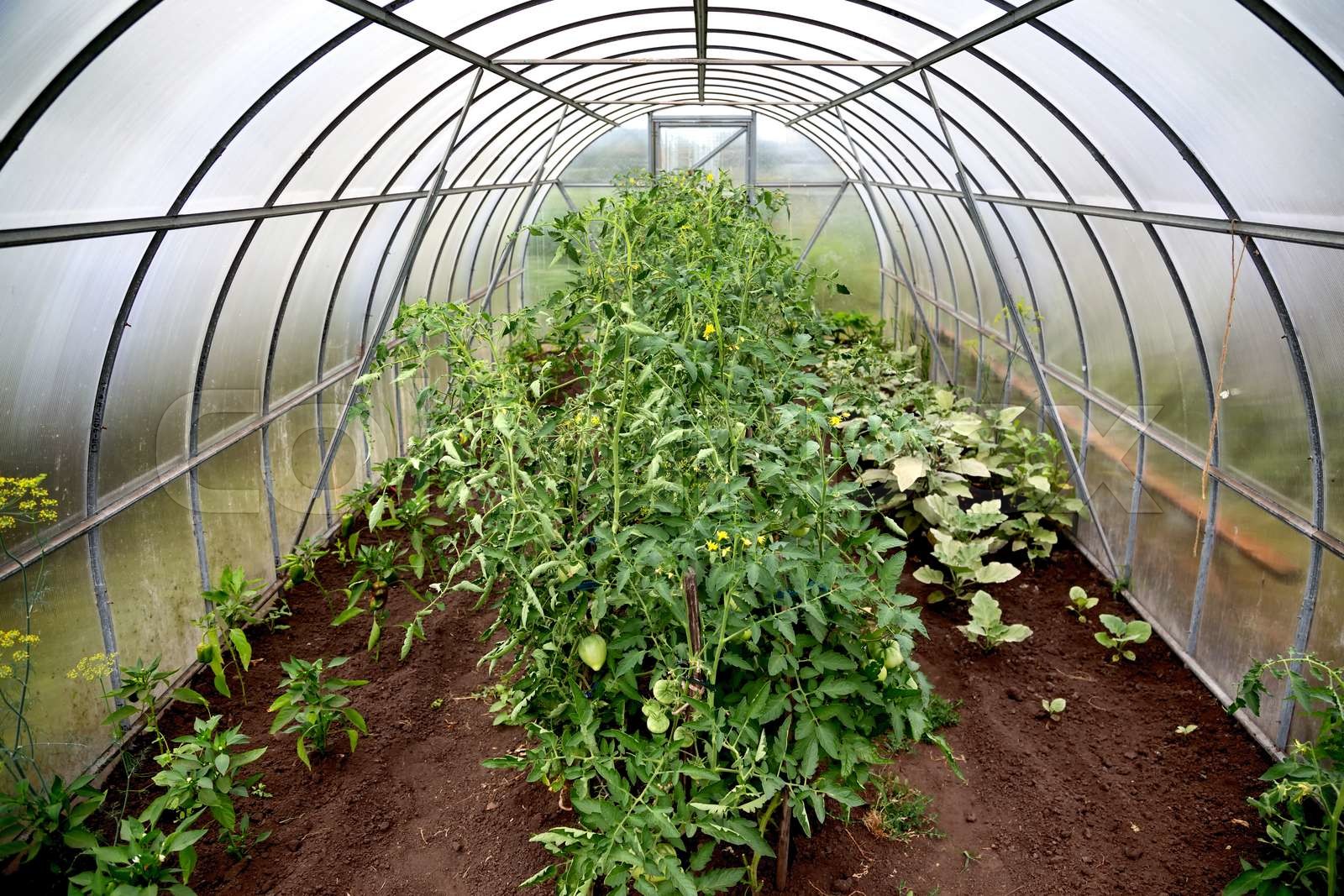
Imagine biting into a perfectly ripe, sun-warmed tomato in the middle of winter. Sounds impossible, right? Not if you have a greenhouse! Growing your own tomatoes in a controlled environment opens up a world of possibilities, allowing you to enjoy fresh, flavorful tomatoes year-round, regardless of the outside weather. But how do you get started and what are the secrets to success? Let's dive in!
Why Grow Tomato Plants in a Greenhouse?
There are so many compelling reasons to cultivatetomato plants in a greenhouse. Primarily, it extends the growing season. In most climates, outdoor tomato growing is limited to a few months. A greenhouse, however, provides a protected environment, shielding your precious plants from frost, extreme temperatures, and harsh weather conditions. This extended season translates into more harvests and a longer supply of delicious tomatoes. Beyond the extended season, greenhouses offer increased control over key factors influencing tomato growth. This includes temperature, humidity, light, and ventilation.
Here’s a quick breakdown of the advantages:
- Extended Growing Season: Enjoy tomatoes for more months of the year.
- Protection from the Elements: Shield plants from frost, wind, rain, and pests.
- Controlled Environment: Optimize temperature, humidity, and light for ideal growth.
- Higher Yields: Controlled conditions often lead to larger and more abundant harvests.
- Improved Quality: Reduced risk of disease and pests results in healthier, better-tasting tomatoes.
Choosing the Right Tomato Variety for Greenhouse Growing
Not all tomato varieties are created equal when it comes to greenhouse cultivation. Some thrive in the controlled environment, while others struggle. Determinate varieties, which grow to a specific size and produce all their fruit at once, can be suitable for smaller greenhouses. However, indeterminate varieties, which continue to grow and produce fruit throughout the season, are generally favored for greenhouse production as they offer a longer harvest period. These types will require more support structures, so keep that in mind!
Here are a few popular indeterminate tomato varieties that perform well in greenhouses:
- 'Early Girl': A classic choice, known for its early maturity and reliable production.
- 'Sweet Million': Produces clusters of small, incredibly sweet cherry tomatoes.
- 'Big Beef': A large, beefsteak-type tomato with excellent flavor and disease resistance.
- 'Brandywine': An heirloom variety celebrated for its rich, complex flavor and large fruit.
- 'Roma': A paste tomato perfect for making sauces and canning, also a good option if you want more fruit all at once.
When selecting your tomato variety, consider factors like fruit size, flavor, disease resistance, and growth habit. Check descriptions before you buy seeds or seedlings and see if any are marked as good for greenhouse environments!
Setting Up Your Greenhouse for Tomato Plants
Proper greenhouse setup is crucial for successfultomato plant cultivation. This involves several key considerations, including location, ventilation, temperature control, and lighting.
Location
Choose a location that receives ample sunlight, ideally at least six to eight hours per day. Orient the greenhouse to maximize sunlight exposure, especially during the shorter days of winter. Also, try to find a flat, level spot with good drainage.
Ventilation
Adequate ventilation is essential to prevent overheating and maintain optimal humidity levels. Install vents at both the top and bottom of the greenhouse to promote airflow. Consider using automated vent openers that adjust based on temperature. Without proper airflow, fungal disease can thrive!
Temperature Control
Tomatoes thrive in temperatures between 70°F and 85°F (21°C and 29°C) during the day and 60°F and 68°F (16°C and 20°C) at night. Use heaters to maintain consistent temperatures during colder months. During warmer months, shade cloth or whitewashing can help prevent overheating. There are also automated systems that can manage this for you!
Lighting
While natural sunlight is ideal, supplemental lighting may be necessary, especially during the winter months. LED grow lights are energy-efficient and provide the spectrum of light needed for optimal tomato growth. Speaking of which, if you’re looking for a smaller-scale solution to get your seedlings started indoors or want to grow herbs and vegetables year-round on your countertop, take a look at the Ahopegarden Indoor Garden Hydroponics Growing System. With its 10-pod capacity, this aeroponic herb vegetable growth lamp is a great option for germinating seeds or growing lettuce and other greens. You can find it here:https://amzn.to/3RPpa Sk
Creating the proper growing environment in your greenhouse is a huge step in achieving success with your tomato plants.
Planting and Caring for Tomato Plants in the Greenhouse
Once your greenhouse is ready, it's time to plant your tomato plants. Proper planting techniques and ongoing care are vital for healthy growth and abundant yields.
Starting Seeds or Buying Transplants
You can start tomato seeds indoors about six to eight weeks before the last expected frost or purchase transplants from a local nursery. If starting from seed, use a seed-starting mix and provide ample light. Harden off transplants before moving them to the greenhouse to acclimate them to the new environment.
Planting Techniques
Plant tomato plants in well-draining soil enriched with compost or other organic matter. Space plants according to the variety's growth habit, typically 24 to 36 inches apart. Dig a hole deep enough to bury the stem up to the first set of leaves. This encourages root development along the buried stem, resulting in a stronger, healthier plant.
Watering and Fertilizing
Water tomato plants deeply and regularly, especially during hot weather. Avoid overhead watering, which can promote fungal diseases. Use a soaker hose or drip irrigation to deliver water directly to the roots. Fertilize plants every two to three weeks with a balanced fertilizer or a tomato-specific fertilizer.
Pruning and Support
Prune tomato plants regularly to remove suckers (the shoots that grow between the main stem and branches). This encourages airflow and directs energy towards fruit production. Provide support for the plants using stakes, cages, or trellises. Indeterminate varieties, in particular, need strong support to handle the weight of the fruit.
Pollination
While tomatoes are self-pollinating, greenhouse environments can sometimes hinder pollination. Gently shake the plants or use a small brush to transfer pollen between flowers. You can also introduce pollinators like bees or hoverflies into the greenhouse.
Growingtomato plants in a greenhouse requires consistent care and attention, but the rewards of fresh, homegrown tomatoes are well worth the effort. With the proper planting, watering, pruning, and pollination techniques, you'll be enjoying an abundance of fresh tomatoes in no time!
Common Pests and Diseases in Greenhouse Tomatoes
Even in a controlled environment,greenhouse tomato plants are susceptible to certain pests and diseases. Early detection and prompt action are crucial to prevent widespread problems.
Common Pests
- Aphids: Small, sap-sucking insects that can weaken plants.
- Whiteflies: Tiny, winged insects that feed on plant sap.
- Spider Mites: Microscopic pests that create webs and cause leaf discoloration.
- Tomato Hornworms: Large, green caterpillars that can quickly defoliate plants.
Common Diseases
- Early Blight: A fungal disease that causes dark spots on leaves.
- Late Blight: A devastating fungal disease that can rapidly kill plants.
- Fusarium Wilt: A soilborne fungal disease that causes wilting and yellowing.
- Blossom End Rot: A physiological disorder caused by calcium deficiency, resulting in blackened bottoms of tomatoes.
Prevention and Control
- Maintain Good Hygiene: Keep the greenhouse clean and free of debris.
- Provide Good Ventilation: Promote airflow to reduce humidity levels.
- Inspect Plants Regularly: Check for signs of pests and diseases early on.
- Use Organic Pest Control Methods: Introduce beneficial insects or use insecticidal soap or neem oil.
- Choose Disease-Resistant Varieties: Select tomato varieties with resistance to common diseases.
- Ensure Proper Calcium Levels: Add calcium to the soil or use a calcium-based foliar spray to prevent blossom end rot.
By implementing preventive measures and addressing problems promptly, you can minimize the impact of pests and diseases on yourgreenhouse tomato plants and ensure a healthy, productive crop.
Growing tomatoes in a greenhouse is a rewarding experience that allows you to enjoy fresh, homegrown tomatoes year-round. With careful planning, proper setup, and diligent care, you can create the ideal environment for your tomato plants to thrive. So, get started today and experience the joy of harvesting your own delicious, greenhouse-grown tomatoes!