Are you dreaming of juicy, sun-ripened tomatoes bursting with flavor, but lack the space or the time for a traditional garden? Or perhaps you're tired of constantly worrying about whether your tomato plants are getting enough water? Then, the world of self-watering containers might just be your gardening salvation! Let's dive in and explore how you can grow amazing tomatoes using this clever and convenient method. The Magic of Self Watering Containers for Tomato Plants Self-watering containers, sometimes called sub-irrigated planters (SIPs), are designed to provide a consistent and reliable water supply to your plants, minimizing the need for frequent watering and dramatically reducing water waste. For tomato plants, which are known for their thirstiness, this can be a game-changer! The beauty of a tomato plant self watering container lies in its simplicity and efficiency. It essentially creates a mini-reservoir beneath the soil, allowing the plant...
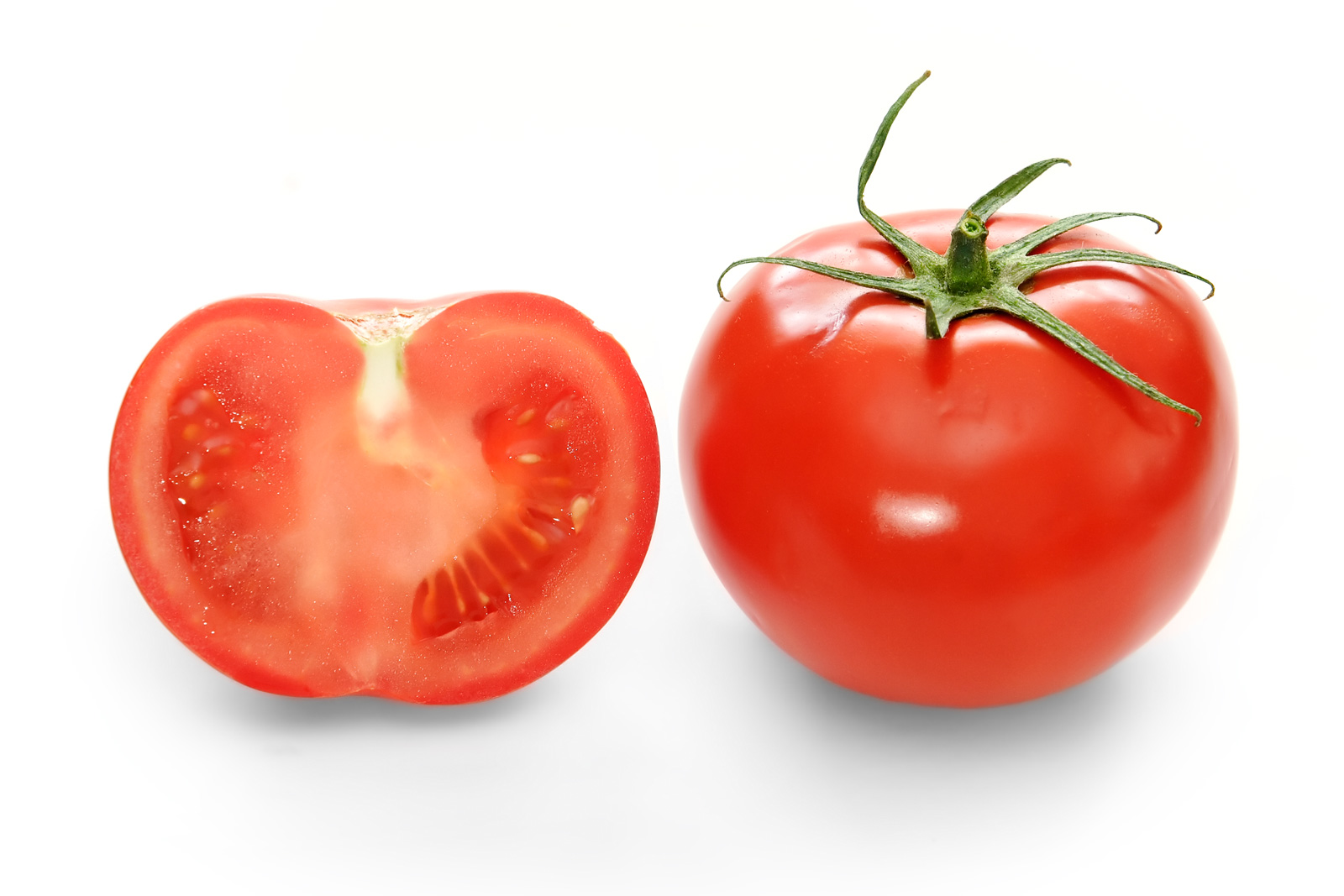
There's nothing quite like biting into a sun-warmed, juicy tomato you've grown yourself. And the beauty is, you don't need a sprawling garden to experience that joy! Growing tomatoes in pots is a fantastic way to bring the taste of summer to your balcony, patio, or even a sunny windowsill. But, just like any plant, tomatoes need the right care, andwatering tomatoes in pots correctly is absolutely crucial for a bountiful harvest. Let's dive into the secrets of keeping your potted tomatoes happy and hydrated!
Tomato In Pots Watering: The Ultimate Guide
Understanding the Watering Needs of Potted Tomatoes
Tomatoes are thirsty plants, especially when grown in the confines of a pot. Why? Because pots dry out much faster than garden soil. Several factors influence how often you'll need to water. The size of your pot, the weather conditions, and the variety of tomato you're growing all play a role. For example, larger tomato varieties such as beefsteaks will need more water than smaller cherry tomato types.
Here's a breakdown of why consistent watering is so important fortomato plant watering in pots:
- Nutrient Uptake: Water is the vehicle that transports nutrients from the soil to the plant. Without adequate water, your tomatoes can't absorb the essential elements they need to thrive.
- Fruit Development: Tomatoes are mostly water! Consistent watering is crucial for plump, juicy fruits. Irregular watering can lead to blossom-end rot, a common problem where the bottom of the tomato turns black and leathery.
- Overall Plant Health: Water stress weakens plants, making them more susceptible to pests and diseases. A well-hydrated tomato plant is a happy, healthy, and productive plant.
Factors Affecting Tomato Watering Frequency
Pot Size Matters
The size of your pot directly impacts how quickly the soil dries out. Smaller pots retain less moisture and will need more frequent watering. A good rule of thumb is to use a pot that's at least 10-15 gallons in size for a single determinate (bush) tomato plant and even larger for indeterminate (vining) varieties. Bigger is generally better when it comes topot watering for tomatoes.
Weather Conditions Play a Role
Hot, sunny, and windy weather will increase the rate of evaporation, meaning you'll need to water more often. During heatwaves, you might even need to water your potted tomatoes twice a day. Conversely, during cooler, cloudy days, you can reduce the frequency. Always check the soil moisture before watering.
Tomato Variety Considerations
As mentioned earlier, larger tomato varieties have greater water requirements. Cherry tomatoes are generally more drought-tolerant than beefsteaks. Research the specific needs of your tomato variety to tailor yourtomato watering schedule.
Soil Type Impact
The type of potting mix you use also influences watering frequency. A well-draining mix is essential for preventing root rot, but it also means the soil will dry out faster. A good potting mix will retain some moisture while allowing excess water to drain away. Avoid using garden soil in pots, as it tends to compact and doesn't drain well.
How to Water Tomatoes in Pots Correctly
The Finger Test
The best way to determine if your tomatoes need water is to use the finger test. Stick your finger about an inch or two into the soil. If the soil feels dry to the touch, it's time to water. If it feels moist, hold off for another day or two. This is a much more reliable method than simply watering on a set schedule.
Water Deeply and Infrequently
When you do water, water deeply until the water runs out of the drainage holes at the bottom of the pot. This ensures that the entire root system is thoroughly moistened. Avoid frequent, shallow watering, as this can encourage shallow root growth, making the plant more susceptible to drought stress.Deep watering for tomato plants is the key.
Water at the Base of the Plant
Avoid watering the foliage of your tomato plants, especially in the evening. Wet leaves can create a breeding ground for fungal diseases. Water at the base of the plant, directing the water towards the soil.
Best Time to Water
The best time to water your tomatoes is in the morning. This gives the plants plenty of time to dry off before nightfall, reducing the risk of fungal diseases. Plus, morning watering helps the plants stay hydrated during the hottest part of the day.
Consider Self-Watering Options
If you find it difficult to keep up with the watering demands of your potted tomatoes, consider using self-watering pots or watering systems. These can help to maintain consistent soil moisture, especially during hot weather or when you're away from home.
Speaking of making gardening easier, you might be interested in the Ahopegarden Indoor Garden Hydroponics Growing System, which is a 10 Pods Plant Germination Kit Aeroponic Herb Vegetable Growth Lamp Countertop with LED Grow Light. It's essentially a hydroponic planter grower for those who want to harvest lettuce and other greens with ease. You can find it here: https://amzn.to/3RPpa Sk. Some gardeners refer to it as an automated hydroponics unit, and it is great for smaller plants!
Troubleshooting Common Watering Problems
Blossom-End Rot
Blossom-end rot is a common problem caused by calcium deficiency, which is often linked to inconsistent watering. When the soil dries out and then is suddenly flooded, the plant can't absorb calcium properly. To prevent blossom-end rot, maintain consistent soil moisture and add calcium to the soil if needed.
Overwatering
Overwatering can lead to root rot, which can kill your tomato plants. Symptoms of overwatering include yellowing leaves, wilting, and a foul smell from the soil. To prevent overwatering, ensure your pots have good drainage and only water when the soil is dry to the touch.
Underwatering
Underwatering can cause wilting, stunted growth, and reduced fruit production. To prevent underwatering, check the soil moisture regularly and water deeply when needed. Mulching the soil surface can help to retain moisture.
Tools to Help with Watering Tomatoes in Pots
- Moisture Meter: A soil moisture meter can provide an accurate reading of the moisture level in the soil, helping you to avoid overwatering or underwatering.
- Watering Can with a Rose Head: A watering can with a rose head provides a gentle, even spray of water, preventing soil erosion and protecting the foliage.
- Self-Watering Pots: Self-watering pots have a reservoir that provides a constant supply of water to the roots, reducing the need for frequent watering.
- Timer-Based Irrigation System: This can automate thewatering tomato plants on a schedule.
Beyond Watering: Other Important Tomato Care Tips
While proper watering is essential, it's not the only thing your potted tomatoes need to thrive. Here are a few other important care tips:
- Sunlight: Tomatoes need at least 6-8 hours of sunlight per day.
- Fertilizing: Feed your tomatoes regularly with a balanced fertilizer, especially during fruit production.
- Staking or Caging: Provide support for your tomato plants to prevent them from sprawling and breaking.
- Pruning: Prune suckers (the shoots that grow between the main stem and branches) to improve air circulation and encourage fruit production (for indeterminate varieties).
- Pest and Disease Control: Monitor your plants regularly for pests and diseases, and take action promptly if you spot any problems.
Conclusion
Growing tomatoes in pots is a rewarding experience that can bring a taste of summer to your doorstep. By understanding the watering needs of your plants and following these tips, you'll be well on your way to a bountiful harvest of delicious, homegrown tomatoes. Remember the key is consistent and deep*watering for potted tomato plants! Happy gardening!