Are you dreaming of juicy, sun-ripened tomatoes bursting with flavor, but lack the space or the time for a traditional garden? Or perhaps you're tired of constantly worrying about whether your tomato plants are getting enough water? Then, the world of self-watering containers might just be your gardening salvation! Let's dive in and explore how you can grow amazing tomatoes using this clever and convenient method. The Magic of Self Watering Containers for Tomato Plants Self-watering containers, sometimes called sub-irrigated planters (SIPs), are designed to provide a consistent and reliable water supply to your plants, minimizing the need for frequent watering and dramatically reducing water waste. For tomato plants, which are known for their thirstiness, this can be a game-changer! The beauty of a tomato plant self watering container lies in its simplicity and efficiency. It essentially creates a mini-reservoir beneath the soil, allowing the plant...
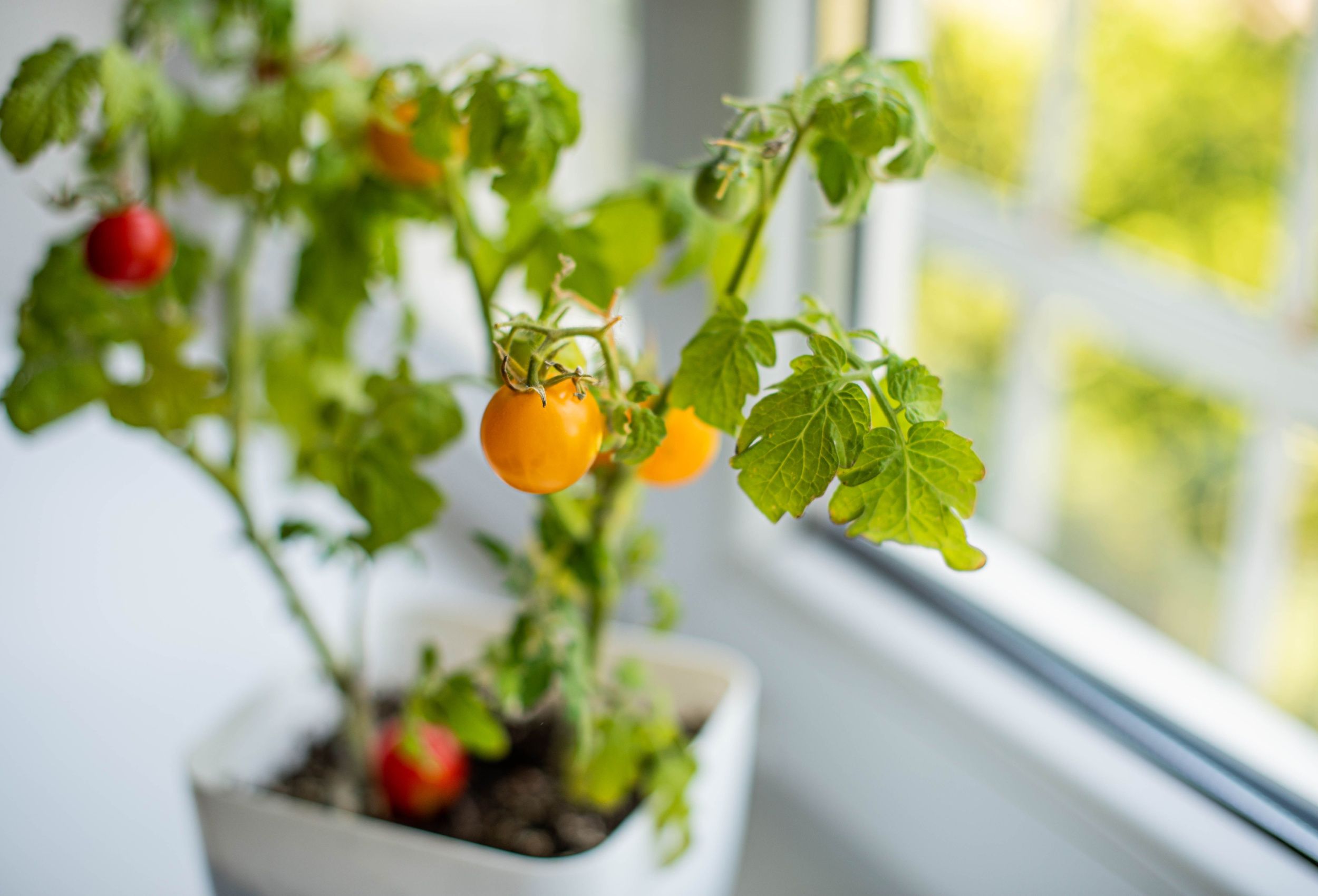
There's nothing quite like the taste of a sun-ripened tomato, bursting with flavor, especially when you've grown it yourself! But what if you don't have a sprawling garden? Don't worry! Growing tomatoes in pots is totally achievable, even for beginner gardeners. With the right tips and a little bit of love, you can enjoy a bountiful harvest of homegrown tomatoes from your patio, balcony, or even a sunny windowsill.
The Joys of Container Tomato Gardening
Growing tomatoes in containers, or pots, has become incredibly popular, and for good reason! It's a fantastic way to enjoy fresh, homegrown produce, even if you're short on space. Container gardening opens up a world of possibilities, allowing you to grow a variety of tomato types, from juicy beefsteaks to sweet cherry tomatoes, right at your doorstep. It's also a great option for people with limited mobility or those who want to avoid the back-breaking work of traditional gardening. The convenience and portability of pots make it easy to move your plants to the sunniest spots and protect them from harsh weather conditions.
Choosing the Right Tomato Varieties for Pots
Not all tomatoes are created equal when it comes to container gardening. Some varieties thrive in pots, while others require the vastness of a traditional garden. When selecting your tomato plants, it's important to consider their growth habit. There are two main types of tomatoes: determinate and indeterminate.
Determinate vs. Indeterminate Tomatoes
Determinate tomatoes are bush-type plants that grow to a certain size (usually 3-4 feet) and then stop. They produce most of their fruit all at once, making them ideal for canning or making sauce. Popular determinate varieties for containers include Roma, Celebrity, and Patio.
Indeterminate tomatoes, on the other hand, are vining plants that continue to grow and produce fruit throughout the entire growing season. They can reach impressive heights and require staking or caging for support. Indeterminate varieties suited for containers include cherry tomatoes like Sweet 100, grape tomatoes, and smaller beefsteak varieties like Early Girl.
Choosing the right tomato variety for your container is crucial for success. Here's a simple table summarizing the key differences:
| Feature | Determinate Tomatoes | Indeterminate Tomatoes |
|---|---|---|
| Growth Habit | Bush-type, compact | Vining, continuous growth |
| Size | Typically 3-4 feet tall | Can grow to 6-8 feet or more |
| Fruiting | Produces most fruit at once | Produces fruit throughout the season |
| Support | May need some support | Requires staking or caging |
| Best for | Canning, sauces, limited space | Continuous harvest, variety of uses |
Popular Tomato Varieties for Container Growing
Beyond determinate and indeterminate, consider disease resistance and days to maturity when selecting your tomato plants. Here are a few highly recommended varieties for growing tomatoes in pots:
- Bush Early Girl: A compact determinate variety that produces medium-sized tomatoes early in the season.
- Patio: A classic determinate variety perfect for small containers, producing abundant red tomatoes.
- Roma: A determinate plum tomato ideal for making sauces and pastes.
- Sweet 100: An indeterminate cherry tomato known for its prolific production of sweet, bite-sized fruits.
- Tumbler: An indeterminate trailing tomato that's perfect for hanging baskets.
- Tiny Tim: An ultra-compact determinate tomato that thrives in even small pots.
Remember to read the seed packet or plant tag to understand the specific requirements of each variety. This will help you provide the best possible care for your tomato plants.
Getting your seeds started off right is very important to the whole process. If you are looking to germinate seeds efficiently, you might want to look atSelf-Watering Seed Starter Trays. This 5-pack of 60-cell plant seedling trays, complete with humidity domes, will help keep your seeds moist and warm, and are reusable for multiple seasons. You can find them here:Seed Starter Trays Self-Watering - Kit with Humidity Dome, 5-Pack 60-Cell Plant Seedling Tray,Reusable Germination Trays for Indoor Gardening Seeds Growing Starting
Selecting the Right Pot for Your Tomatoes
The size of your container is one of the most important factors in successful container tomato gardening. Tomatoes have extensive root systems, and they need ample space to grow and thrive. A pot that is too small will restrict root growth, leading to stunted plants and reduced fruit production.
Pot Size Matters
As a general rule, the minimum pot size for growing tomatoes is10 gallons. However, larger pots are always better, especially for indeterminate varieties. A 15-20 gallon pot will provide plenty of room for the roots to develop and allow the plant to access more nutrients and water. If you're growing determinate varieties, a 10-gallon pot should suffice, but consider using larger pots for indeterminate tomatoes.
Here's a quick guide to pot sizes for different tomato types:
- Determinate Tomatoes: 10-15 gallons
- Indeterminate Tomatoes: 15-25 gallons
- Cherry Tomatoes: 10-15 gallons
Choosing the Right Material
The material of your pot also matters. Terracotta pots are attractive and allow for good drainage, but they can dry out quickly, especially in hot weather. Plastic pots are lightweight and retain moisture better, but they can overheat in direct sunlight. Fabric pots, also known as grow bags, are a great option because they allow for excellent drainage and aeration, preventing root rot. They also help to regulate soil temperature.
No matter what material you choose, make sure the pot has drainage holes to prevent waterlogging. Waterlogged soil can suffocate the roots and lead to plant death.
The Importance of Soil and Watering
Just like the right pot size, the right soil is essential for healthy tomato growth in containers. Tomatoes need well-draining soil that is rich in organic matter. Avoid using garden soil, as it can become compacted in pots and hinder drainage. Instead, opt for a high-quality potting mix specifically formulated for containers.
Choosing the Right Potting Mix
A good potting mix should contain a blend of peat moss, perlite, and vermiculite. Peat moss helps to retain moisture, while perlite and vermiculite improve drainage and aeration. You can also add compost or other organic matter to enrich the soil and provide essential nutrients.
Here's a simple recipe for a DIY potting mix for tomatoes:
- 1 part peat moss
- 1 part perlite
- 1 part vermiculite
- 1/2 part compost
Mix all ingredients thoroughly before planting your tomatoes.
Watering Techniques for Container Tomatoes
Watering is crucial for successful container tomato gardening. Because pots dry out more quickly than garden soil, you'll need to water your tomatoes regularly, especially during hot, dry weather. Check the soil moisture level daily by sticking your finger about an inch into the soil. If it feels dry, it's time to water. Water deeply, until water drains out of the bottom of the pot. Avoid watering the foliage, as this can promote fungal diseases.
Here are some tips for watering container tomatoes:
- Water in the morning to allow the foliage to dry before nightfall.
- Use a watering can or a hose with a gentle spray nozzle to avoid disturbing the soil.
- Water slowly and deeply to ensure that the roots are thoroughly moistened.
- Monitor the soil moisture level regularly, especially during hot weather.
Fertilizing Your Container Tomatoes
Tomatoes are heavy feeders, and they need regular fertilization to produce abundant fruit. Because nutrients leach out of the soil more quickly in containers, it's important to fertilize your tomato plants every 2-3 weeks with a balanced fertilizer. Look for a fertilizer that is specifically formulated for tomatoes, or use a general-purpose fertilizer with an NPK ratio of 10-10-10 or 14-14-14.
Choosing the Right Fertilizer
There are two main types of fertilizers: granular and liquid. Granular fertilizers are slow-release and provide a steady supply of nutrients over time. Liquid fertilizers are fast-acting and are absorbed by the plants more quickly. You can use either type of fertilizer, but liquid fertilizers are often preferred for container gardening because they are easier to apply and control.
Here are some tips for fertilizing container tomatoes:
- Follow the instructions on the fertilizer label carefully.
- Apply fertilizer to the soil around the base of the plant, avoiding contact with the foliage.
- Water the plant thoroughly after fertilizing to help the nutrients reach the roots.
- Don't over-fertilize, as this can burn the roots and damage the plant.
Organic options are always a great choice, too! Consider using compost tea or fish emulsion as natural fertilizers.
Providing Support for Your Tomato Plants
As your tomato plants grow, they will need support to prevent them from falling over. This is especially important for indeterminate varieties, which can grow quite tall and heavy with fruit. Staking or caging your tomato plants will help to keep them upright and prevent the fruit from touching the soil, which can lead to rot.
Staking and Caging Techniques
There are several ways to support tomato plants in containers. Staking is a simple and effective method that involves inserting a sturdy stake into the pot near the base of the plant and tying the stem to the stake with soft twine or plant ties. Caging involves placing a wire cage around the plant to provide support as it grows. Tomato cages can be purchased at most garden centers, or you can make your own from wire mesh.
Here are some tips for supporting container tomatoes:
- Insert the stake or cage into the pot when you plant the tomato seedling to avoid damaging the roots later.
- Tie the stem to the stake loosely to allow for growth.
- Make sure the stake or cage is tall enough to support the mature plant.
- Check the support system regularly and make adjustments as needed.
Growing tomatoes in pots is a rewarding experience. With a little planning and care, you can enjoy a bountiful harvest of delicious, homegrown tomatoes from your patio, balcony, or even a sunny windowsill. Happy gardening!