Are you dreaming of juicy, sun-ripened tomatoes bursting with flavor, but lack the space or the time for a traditional garden? Or perhaps you're tired of constantly worrying about whether your tomato plants are getting enough water? Then, the world of self-watering containers might just be your gardening salvation! Let's dive in and explore how you can grow amazing tomatoes using this clever and convenient method. The Magic of Self Watering Containers for Tomato Plants Self-watering containers, sometimes called sub-irrigated planters (SIPs), are designed to provide a consistent and reliable water supply to your plants, minimizing the need for frequent watering and dramatically reducing water waste. For tomato plants, which are known for their thirstiness, this can be a game-changer! The beauty of a tomato plant self watering container lies in its simplicity and efficiency. It essentially creates a mini-reservoir beneath the soil, allowing the plant...
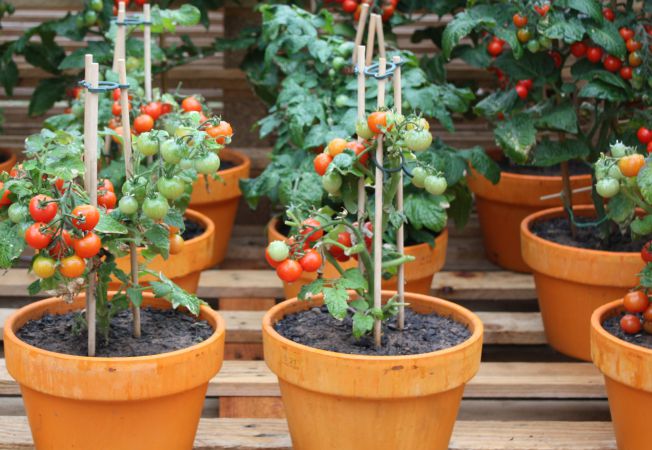
Imagine plucking sun-warmed, bursting-with-flavor cherry tomatoes right from your patio – a taste of summer just steps away. Growing cherry tomatoes in pots is easier than you might think, and with a little know-how, you can enjoy a bountiful harvest even if you don't have a sprawling garden. Let's dive into the secrets of successful container gardening with these delightful little gems.
Selecting the Right Cherry Tomato Variety for Pots
Choosing the right variety is the first crucial step when growing cherry tomatoes in pots. Not all cherry tomatoes are created equal, especially when it comes to container gardening. You want to select a variety that is well-suited for confined spaces and won't outgrow its pot. Consider these factors:
- Determinate vs. Indeterminate: Determinate varieties grow to a fixed size and produce all their fruit at once, making them a good choice for smaller pots. Indeterminate varieties, on the other hand, continue to grow and produce fruit throughout the season, requiring larger pots and more support. Most cherry tomatoes are indeterminate, but there are determinate varieties available.
- Size and Growth Habit: Look for compact or bush-type varieties specifically bred for containers. These will stay smaller and more manageable.
- Disease Resistance: Choose varieties that are resistant to common tomato diseases, such as Fusarium wilt, Verticillium wilt, and tomato mosaic virus. This will reduce the risk of problems and ensure a healthier harvest.
Here are a few popular cherry tomato varieties that thrive in pots:
- 'Tiny Tim': A very compact determinate variety, ideal for small spaces.
- 'Tumbling Tom': A cascading variety perfect for hanging baskets.
- 'Patio Choice Yellow': A compact indeterminate variety with good disease resistance.
- 'Sweet Million': A prolific indeterminate variety that produces clusters of small, sweet tomatoes. Be prepared to stake this one!
Fact: Cherry tomatoes are rich in antioxidants, including lycopene, which has been linked to a reduced risk of certain cancers. Growing your own means you'll have a fresh supply right at your fingertips!
Choosing the Ideal Pot and Soil for Cherry Tomatoes
The right pot and soil are just as important as the tomato variety when it comes to growing cherry tomatoes in containers. Providing adequate space for the roots to develop and ensuring proper drainage are essential for healthy growth and abundant fruit production. Here's what you need to know:
Pot Size and Material
For determinate cherry tomato varieties, a pot that is at least 12 inches in diameter and 12 inches deep should suffice. For indeterminate varieties, opt for a larger pot, at least 18 inches in diameter and 18 inches deep. The larger the pot, the more room the roots have to grow, and the more moisture the soil will retain. As a general rule, bigger is better when it comes to container size for growing cherry tomatoes in pots.
Pot material is also a consideration. Terra cotta pots are porous, allowing for good air circulation, but they can dry out quickly, especially in hot weather. Plastic pots retain moisture better but can overheat in direct sunlight. Fabric pots are a good compromise, providing good drainage and aeration while preventing the roots from circling around the pot. Consider the climate you live in when selecting your pot material. If you live in a hot area, choose a lighter colored pot to reflect the sun. If you live in a cooler area, a dark colored pot might help warm the soil.
Selecting the Right Soil Mix
Forget garden soil! It's too heavy and doesn't drain well in containers. Instead, use a high-quality potting mix specifically formulated for containers. A good potting mix will be lightweight, well-draining, and contain essential nutrients. Look for a mix that includes ingredients like peat moss, perlite, and vermiculite. You can also amend the potting mix with compost to provide additional nutrients and improve drainage.
Tip: Consider adding a slow-release fertilizer to the potting mix at planting time to provide a steady supply of nutrients throughout the growing season. This will help ensure that your cherry tomato plants get the nutrients they need to thrive.
Planting Your Cherry Tomato Seedlings in Pots
Now for the fun part! Planting your cherry tomato seedlings is a simple process, but there are a few key things to keep in mind to ensure success. Whether you started your seedlings indoors or purchased them from a nursery, follow these steps:
- Prepare the Pot: Fill the pot with the potting mix, leaving a few inches of space at the top.
- Remove the Seedling: Gently remove the seedling from its container, being careful not to damage the roots. If the roots are circling around the pot, gently loosen them.
- Plant the Seedling: Dig a hole in the potting mix large enough to accommodate the root ball. Plant the seedling so that the lowest set of leaves is just above the soil line. This encourages more root growth along the buried stem.
- Water Thoroughly: Water the seedling thoroughly after planting, until water drains out of the bottom of the pot. This helps settle the soil and encourages root growth.
- Add Support (if needed): Indeterminate cherry tomato varieties will need support as they grow. Install a stake, trellis, or tomato cage at planting time to provide support for the plant.
Case Study: A study by the University of Florida showed that cherry tomato plants grown in pots with adequate drainage and support produced 30% more fruit than plants grown in poorly drained soil without support.
Caring For Your Potted Cherry Tomato Plants
Once your cherry tomato plants are planted, it's time to provide them with the care they need to thrive. This includes proper watering, fertilizing, and pruning. These are all essential for growing cherry tomatoes in pots successfully.
Watering
Cherry tomato plants need consistent moisture to produce juicy, flavorful fruit. Water deeply and regularly, especially during hot, dry weather. Check the soil moisture by sticking your finger into the soil. If the top inch of soil feels dry, it's time to water. Avoid overwatering, as this can lead to root rot. Water in the morning to allow the foliage to dry before evening, which helps prevent fungal diseases. A good rule of thumb is to water until water drains out of the bottom of the pot. This ensures that the entire root ball is moistened.
Fertilizing
Cherry tomato plants are heavy feeders and need regular fertilization to produce abundant fruit. Use a balanced fertilizer specifically formulated for tomatoes, following the instructions on the label. A fertilizer with a higher phosphorus content (the middle number in the N-P-K ratio) will promote flowering and fruit production. You can also supplement with compost tea or liquid seaweed fertilizer to provide additional nutrients and trace minerals. Fertilize every 2-3 weeks during the growing season.
Pruning
Pruning is important for indeterminate cherry tomato varieties to encourage air circulation and prevent overcrowding. Remove suckers, which are the shoots that grow between the main stem and the branches. This will help the plant focus its energy on fruit production rather than foliage growth. Pinch off any yellowing or diseased leaves to prevent the spread of disease. For determinate varieties, pruning is generally not necessary.
Sunlight
Cherry tomatoes need at least 6-8 hours of direct sunlight per day to thrive. Place your pots in a sunny location, such as a patio, balcony, or deck. If you don't have enough sunlight, consider using grow lights to supplement the natural light. Rotate the pots regularly to ensure that all sides of the plant receive adequate sunlight.
Dealing with Pests and Diseases
Even with the best care, cherry tomato plants can be susceptible to pests and diseases. Regularly inspect your plants for signs of problems and take action promptly to prevent them from spreading. Early detection is key to controlling pests and diseases. Growing cherry tomatoes in pots means you can isolate a plant if it gets a disease.
Common Pests
- Aphids: Small, sap-sucking insects that can cause distorted growth and leaf curl. Control aphids with insecticidal soap or neem oil.
- Whiteflies: Tiny, white, flying insects that feed on plant sap. Control whiteflies with insecticidal soap or sticky traps.
- Tomato Hornworms: Large, green caterpillars that can quickly defoliate a plant. Pick them off by hand or use Bacillus thuringiensis (Bt).
Common Diseases
- Early Blight: A fungal disease that causes dark spots on the lower leaves. Remove affected leaves and apply a copper fungicide.
- Septoria Leaf Spot: A fungal disease that causes small, circular spots on the leaves. Remove affected leaves and apply a copper fungicide.
- Blossom End Rot: A physiological disorder caused by calcium deficiency, resulting in a dark, leathery spot on the bottom of the fruit. Ensure adequate watering and calcium levels in the soil.
Quote: "The glory of gardening: hands in the dirt, head in the sun, heart with nature. To nurture a garden is to feed not just the body, but the soul." - Alfred Austin
Harvesting and Enjoying Your Cherry Tomatoes
The best part of growing cherry tomatoes in pots is, of course, harvesting and enjoying the fruits of your labor! Cherry tomatoes are typically ready to harvest when they are fully colored, slightly soft to the touch, and easily detach from the vine. Harvest regularly to encourage continued fruit production. Cherry tomatoes are delicious eaten fresh off the vine, or they can be used in salads, sauces, and many other dishes. Store harvested cherry tomatoes at room temperature for best flavor. Don't refrigerate them unless they are starting to overripen.
Fact: Cherry tomatoes are a good source of vitamins A and C, as well as potassium and fiber. They are also low in calories and fat. Growing your own cherry tomatoes is a healthy and rewarding experience!
With a little planning and care, you can enjoy a bountiful harvest of delicious cherry tomatoes from your own pots. So, grab some seeds or seedlings, a pot, and some potting mix, and get ready to experience the joy of growing your own food! Happy gardening!