Are you dreaming of juicy, sun-ripened tomatoes bursting with flavor, but lack the space or the time for a traditional garden? Or perhaps you're tired of constantly worrying about whether your tomato plants are getting enough water? Then, the world of self-watering containers might just be your gardening salvation! Let's dive in and explore how you can grow amazing tomatoes using this clever and convenient method. The Magic of Self Watering Containers for Tomato Plants Self-watering containers, sometimes called sub-irrigated planters (SIPs), are designed to provide a consistent and reliable water supply to your plants, minimizing the need for frequent watering and dramatically reducing water waste. For tomato plants, which are known for their thirstiness, this can be a game-changer! The beauty of a tomato plant self watering container lies in its simplicity and efficiency. It essentially creates a mini-reservoir beneath the soil, allowing the plant...
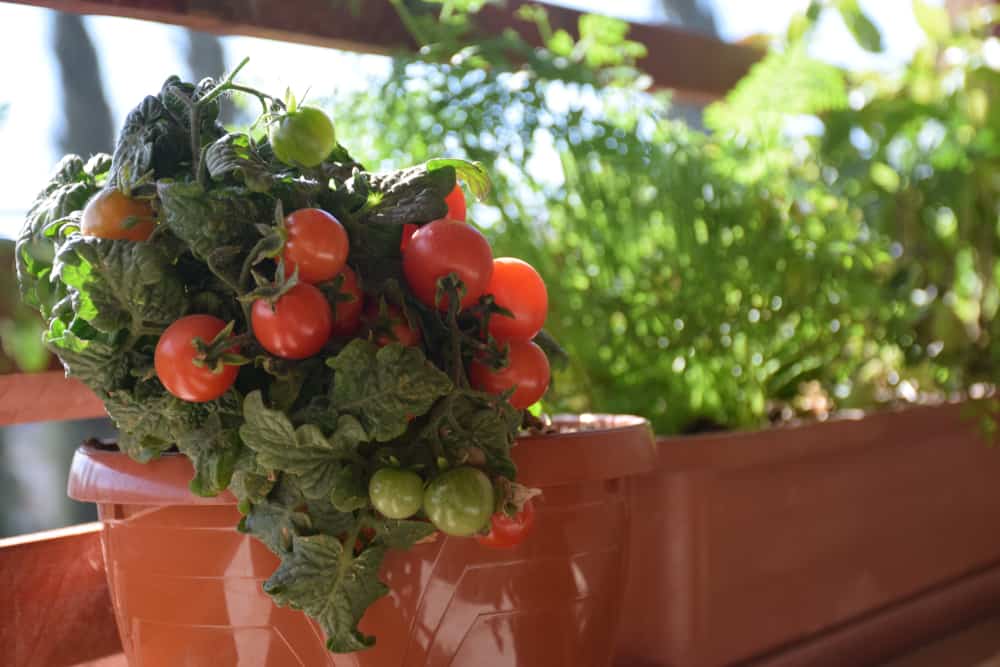
That first bite of a sun-ripened, juicy tomato, still warm from the garden... nothing beats it, right? But what if you don't have a sprawling backyard? Don't worry! You can absolutely grow delicious tomatoes, even if you're working with a small space. Let's dive into how to make your tomato dreams a reality, no matter how tiny your garden might be.
Growing Tomatoes in Limited Space: A Comprehensive Guide
Growing tomatoes in a small space might seem daunting, but with the right techniques and a little planning, you can enjoy a bountiful harvest. The key is to maximize your vertical space, choose the right varieties, and provide optimal care. Let's explore the best strategies for success.
Choosing the Right Tomato Varieties for Small Spaces
Not all tomato plants are created equal! Some varieties are sprawling giants, while others are naturally compact and well-suited for containers or small gardens. Picking the right variety is crucial for successful small space tomato growing.
Determinate vs. Indeterminate Tomatoes
Understanding the difference between determinate and indeterminate tomato varieties is the first step. Determinate tomatoes grow to a fixed size and produce all their fruit at once, making them ideal for canning. They are generally more compact. Indeterminate tomatoes, on the other hand, continue to grow and produce fruit throughout the season. They need support like staking or caging and can get quite large if left unmanaged. For small spaces, determinate varieties are often the easier choice.
Top Tomato Varieties for Containers and Small Gardens
Here are a few excellent tomato varieties that thrive in limited spaces:
- 'Patio' Tomato: As the name suggests, this determinate variety is bred for containers. It produces abundant, medium-sized red tomatoes on a compact plant.
- 'Bush Early Girl': A determinate version of the popular 'Early Girl,' this variety offers the same great taste in a smaller package.
- 'Roma': A classic determinate paste tomato, perfect for making sauces and pastes. These plants stay relatively compact and produce a large yield of oblong tomatoes.
- 'Tiny Tim': An ultra-compact determinate variety, ideal for hanging baskets or very small containers. It produces tiny, sweet cherry tomatoes.
- 'Tumbler': An indeterminate cherry tomato specifically bred for hanging baskets. Its cascading vines produce a steady stream of bite-sized treats.
When choosing your varieties, consider factors like taste preference (cherry, slicer, paste), disease resistance, and days to maturity. Check seed packets or plant labels for information on plant size and growth habit.
Pro Tip: Consider starting your tomatoes from seed indoors! A little investment in a good setup likeSeed Starter Trays Self-Watering, which come in a kit complete with a humidity dome, will allow you to nurture your tomato seedlings through their early stages, giving them a head start before transplanting them to their permanent small-space location. You can find these convenient kits, including a 5-pack of 60-cell plant seedling trays with reusable germination trays for indoor gardening seeds, on Amazon:https://amzn.to/3RMLITT.
Optimizing Your Small Space for Tomato Growing
Even with compact varieties, you'll need to create the right environment for your tomato plants to flourish. That means understanding the essentials of light, soil, and support.
Sunlight Requirements
Tomatoes are sun-loving plants and need at least 6-8 hours of direct sunlight per day to produce abundant fruit. If you don't have a sunny spot, consider using grow lights to supplement natural light. Place your containers in the sunniest location available, whether it's a balcony, patio, or windowsill. Track the sun's movement throughout the day to ensure your plants are getting enough light.
Tip: Rotate your tomato containers every few days to ensure even light exposure on all sides of the plant. This helps prevent them from leaning towards the sun and becoming leggy.
Choosing the Right Container and Soil
Container size is crucial. A good rule of thumb is to use a container that is at least 12 inches in diameter and 12 inches deep for determinate varieties, and 18 inches in diameter and 18 inches deep for indeterminate varieties (even if they are dwarf). Use a high-quality potting mix that is well-draining and rich in nutrients. Avoid using garden soil in containers, as it can become compacted and prevent proper drainage. Amend the potting mix with compost or other organic matter to improve fertility and water retention. Consider using fabric pots, which allow for better aeration and drainage, preventing root rot.
Example: A study by the University of Florida found that tomatoes grown in fabric pots had significantly higher yields compared to those grown in plastic pots.
Staking and Support
While determinate tomatoes are generally more compact, they may still benefit from some support, especially when loaded with fruit. Indeterminate tomatoes absolutely require staking, caging, or trellising to prevent them from sprawling and becoming susceptible to disease. Use sturdy stakes made of wood, bamboo, or metal. Cages provide all-around support and are a good option for bushier varieties. Trellises are ideal for growing tomatoes vertically, maximizing space. Tie the tomato stems loosely to the support structure with soft twine or plant ties.
Fact: Vertical gardening techniques, like trellising, can increase yields by up to 30% in small spaces.
Caring for Your Tomatoes in a Small Garden
Once you've chosen your varieties, set up your space, and planted your tomatoes, it's time to focus on ongoing care. Proper watering, fertilization, and pest control are essential for a successful harvest.
Watering Techniques
Tomatoes need consistent watering, especially during hot weather. Water deeply and regularly, aiming to keep the soil consistently moist but not waterlogged. Check the soil moisture by sticking your finger a couple of inches into the soil. If it feels dry, it's time to water. Avoid overhead watering, which can lead to fungal diseases. Water at the base of the plant, ideally in the morning. Consider using a self-watering system or adding mulch to help retain moisture.
Fertilizing Your Tomatoes
Tomatoes are heavy feeders and need regular fertilization to produce abundant fruit. Use a balanced fertilizer that is specifically formulated for tomatoes. Follow the instructions on the fertilizer label for application rates and frequency. Avoid over-fertilizing, which can lead to leggy growth and reduced fruit production. Consider using organic fertilizers, such as compost tea or fish emulsion, which provide a slow-release source of nutrients. During the fruiting stage, increase the phosphorus and potassium content of the fertilizer to promote fruit development.
Pest and Disease Control
Tomatoes are susceptible to a variety of pests and diseases, so it's important to be vigilant and take preventative measures. Common pests include aphids, whiteflies, and tomato hornworms. Check your plants regularly for signs of infestation and take action promptly. Use insecticidal soap or neem oil to control pests. Common diseases include early blight, late blight, and blossom end rot. Choose disease-resistant varieties whenever possible. Ensure good air circulation around your plants to prevent fungal diseases. Remove any infected leaves or fruit promptly. For blossom end rot, ensure consistent watering and add calcium to the soil.
Quote: "The best fertilizer is the gardener's shadow." – An old gardening proverb, emphasizing the importance of regular observation and care.
Harvesting and Enjoying Your Homegrown Tomatoes
Harvesting tomatoes at the peak of ripeness is one of the most rewarding parts of gardening. Tomatoes are ripe when they are fully colored and slightly soft to the touch. Gently twist the fruit from the vine, leaving a small piece of stem attached. Store your harvested tomatoes at room temperature, away from direct sunlight. Avoid refrigerating them, as this can affect their flavor and texture. Use your homegrown tomatoes in salads, sauces, sandwiches, and countless other dishes. The taste of a fresh, homegrown tomato is unmatched!
Growing tomatoes in a small space is entirely possible and incredibly rewarding. By choosing the right varieties, optimizing your space, and providing proper care, you can enjoy a bountiful harvest of delicious, homegrown tomatoes, no matter how limited your garden may be. So get out there and start growing!