Are you dreaming of juicy, sun-ripened tomatoes bursting with flavor, but lack the space or the time for a traditional garden? Or perhaps you're tired of constantly worrying about whether your tomato plants are getting enough water? Then, the world of self-watering containers might just be your gardening salvation! Let's dive in and explore how you can grow amazing tomatoes using this clever and convenient method. The Magic of Self Watering Containers for Tomato Plants Self-watering containers, sometimes called sub-irrigated planters (SIPs), are designed to provide a consistent and reliable water supply to your plants, minimizing the need for frequent watering and dramatically reducing water waste. For tomato plants, which are known for their thirstiness, this can be a game-changer! The beauty of a tomato plant self watering container lies in its simplicity and efficiency. It essentially creates a mini-reservoir beneath the soil, allowing the plant...
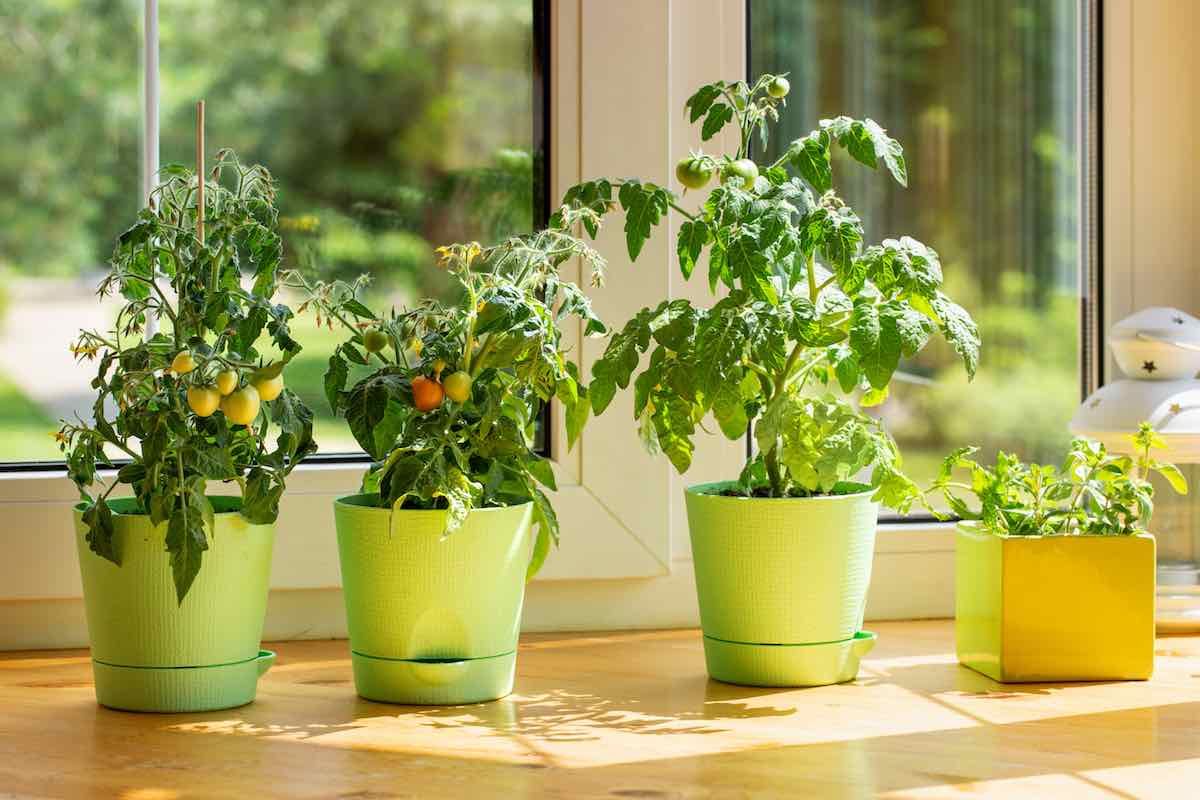
Imagine plucking a sun-ripened, juicy tomato right from your own plant, even when it's snowing outside. It sounds like a dream, doesn't it? But guess what? It's totally achievable! With a little know-how and a bit of effort, you can enjoy fresh, homegrown tomatoes year-round by growing them indoors. Let's dive into the world of indoor tomato gardening!
Why Grow Tomatoes Indoors?
So, why bother growing tomatoes inside? There are actually quite a few compelling reasons. One major advantage isseasonality. You're not limited by the weather outside. You can enjoy fresh tomatoes even in the dead of winter, extending your growing season significantly. No more sad, flavorless grocery store tomatoes! Another benefit is pest control. Growing indoors gives you more control over pests and diseases, reducing the need for harsh chemicals. You're essentially creating a more controlled environment where you can quickly spot and address any potential problems. Finally, it can be a veryrewarding and therapeutic hobby. Nurturing a plant from seed to fruit is incredibly satisfying, and the taste of homegrown tomatoes is simply unbeatable. Beyond taste, having live plants indoors can improve your air quality, reduce stress levels, and add a touch of natural beauty to your home. It's a win-win!
Choosing the Right Tomato Variety for Indoor Growing
Not all tomato varieties are created equal, especially when it comes to indoor growing. Some varieties are simply better suited for the confined spaces and controlled conditions of indoor environments. Here's what to look for:
Determinate vs. Indeterminate Varieties
This is a crucial distinction.Determinate varieties are bush-type plants that grow to a certain size and then produce all their fruit at once. They're generally more compact and easier to manage indoors. Think of varieties like Roma, Celebrity, and Patio. They typically reach a manageable size of 2-4 feet.Indeterminate varieties, on the other hand, are vining plants that continue to grow and produce fruit throughout the season. They require staking or caging and can quickly become unwieldy indoors. While youcangrow indeterminate varieties indoors, it requires more space and effort. Examples include Beefsteak, Brandywine, and most cherry tomato varieties. You’ll need significant vertical space for indeterminate tomatoes to thrive when you grow tomato indoor. Consider these differences carefully when making your selection.
Ideal Tomato Varieties to Grow Tomato Indoor
For beginners, sticking to smaller, determinate varieties is generally recommended. Here are a few popular choices that do well indoors:
- Tiny Tim: A miniature tomato plant that produces small, cherry-sized tomatoes. Perfect for small spaces.
- Roma: A classic paste tomato ideal for sauces and canning. Relatively compact and easy to grow.
- Patio: As the name suggests, this variety is well-suited for containers and patios. It produces medium-sized tomatoes.
- Tumbling Tom: A cascading cherry tomato variety that's perfect for hanging baskets.
When choosing your variety, consider factors like size, taste preference, and disease resistance. Read reviews and research different varieties to find the best fit for your needs and growing conditions.
Setting Up Your Indoor Tomato Garden
Once you've chosen your tomato variety, it's time to set up your indoor garden. This involves providing the right lighting, potting mix, and containers.
Lighting: The Key to Success
Tomatoes need plenty of light to thrive, typically 6-8 hours of direct sunlight per day. However, unless you have a south-facing window with unobstructed sunlight, you'll likely need to supplement with artificial lighting. Here’s a breakdown:
- LED Grow Lights: These are the most energy-efficient and generate less heat than other types of grow lights. They're a great choice for indoor tomato growing. Look for full-spectrum LED grow lights that provide the entire range of light needed for plant growth.
- Fluorescent Grow Lights: These are a more affordable option, but they're less energy-efficient than LEDs. T5 fluorescent grow lights are a good choice for starting seedlings and growing smaller tomato plants.
- High-Pressure Sodium (HPS) Lights: These are very powerful lights that are typically used for larger-scale indoor growing operations. They generate a lot of heat, so they're not ideal for small indoor gardens.
Position your grow lights 6-12 inches above your tomato plants and adjust them as the plants grow. Use a timer to ensure that your plants receive the proper amount of light each day. It is important to give the correct amount of light when trying to grow tomato indoor.
Choosing the Right Potting Mix and Containers
Tomatoes need well-draining potting mix that's rich in nutrients. Avoid using garden soil, as it can compact and suffocate the roots. A good potting mix will contain a blend of peat moss, perlite, and vermiculite. Here are some potting mix considerations:
- p H Level: Aim for a p H level between 6.0 and
6.8.
- Drainage: Essential to prevent root rot.
- Nutrient Content: A mix pre-fertilized with slow-release nutrients is beneficial.
As for containers, choose pots that are large enough to accommodate the mature size of your tomato plants. For determinate varieties, a 5-gallon pot is generally sufficient. Indeterminate varieties may require even larger pots, up to 10 gallons or more. Make sure the pots have drainage holes to prevent waterlogging. Fabric pots are a good option, as they allow for better air circulation and drainage. A 5-gallon fabric pot offers a good balance between size and manageability.
Caring for Your Indoor Tomato Plants
Once your tomato plants are set up, it's important to provide them with proper care. This includes watering, fertilizing, and pruning.
Watering and Fertilizing
Water your tomato plants regularly, keeping the soil consistently moist but not waterlogged. Check the soil moisture level by sticking your finger into the soil. If the top inch feels dry, it's time to water. Avoid watering the foliage, as this can promote fungal diseases. Water at the base of the plant. Use a balanced liquid fertilizer every 2-3 weeks to provide your tomato plants with the nutrients they need to grow and produce fruit. Look for a fertilizer that's specifically formulated for tomatoes. Always follow the instructions on the fertilizer label. It's better to under-fertilize than to over-fertilize, as too much fertilizer can burn the roots.
Pollinating Your Indoor Tomatoes
Unlike outdoor tomatoes, which are pollinated by bees and other insects, indoor tomatoes require manual pollination. This is because there's no wind or insects to transfer pollen from the male parts of the flower to the female parts. Here are a few methods you can use:
- Shaking the Plants: Gently shake the tomato plants a few times a week to release pollen.
- Using a Small Brush: Use a small, soft brush to collect pollen from the male parts of the flower and transfer it to the female parts.
- Using a Toothbrush or Electric Toothbrush: This is a more efficient method that involves vibrating the flower to release pollen. Gently touch the back of the flower with the vibrating toothbrush for a few seconds.
Pollination is most successful when the humidity is low and the temperature is warm. The best time to pollinate is in the morning, when the pollen is dry and easily released. You'll know that pollination has been successful when the base of the flower begins to swell. After the flowers have been pollinated, you can expect to see small tomatoes forming within a week or two.
Pruning and Supporting Your Indoor Tomato Plants
Pruning is essential for maintaining the health and productivity of your indoor tomato plants. Here's what you need to know:
- Suckers: Remove suckers, which are the small shoots that grow in the crotch between the main stem and the branches. Removing suckers helps to improve air circulation and allows the plant to focus its energy on producing fruit.
- Lower Leaves: Remove any yellowing or diseased leaves to prevent the spread of disease.
- Crowded Foliage: Thin out the foliage to improve air circulation and light penetration.
Supporting your tomato plants is also important, especially for indeterminate varieties. Use stakes, cages, or trellises to support the plants and prevent them from collapsing under the weight of the fruit. Tie the plants to the supports with soft twine or plant ties. Securely support the tomato plants as you grow tomato indoor. This prevents the stem from breaking and keeps the tomatoes from sitting on the soil, which prevents rot and disease.
Troubleshooting Common Problems
Even with the best care, you may encounter some problems when growing tomatoes indoors. Here are a few common issues and how to address them:
- Pests: Common pests include aphids, spider mites, and whiteflies. Treat infestations with insecticidal soap or neem oil.
- Diseases: Common diseases include blossom end rot, early blight, and late blight. Prevent diseases by providing good air circulation, avoiding overwatering, and using disease-resistant varieties.
- Blossom Drop: This is when the flowers fall off before setting fruit. It's often caused by temperature stress, poor pollination, or nutrient deficiencies. Ensure proper lighting and pollination, and provide balanced fertilization.
Regularly inspect your plants for signs of pests or diseases and take action quickly to prevent problems from spreading. With careful monitoring and prompt treatment, you can keep your indoor tomato plants healthy and productive.
Harvesting and Enjoying Your Homegrown Tomatoes
The moment you've been waiting for! Harvesting your own homegrown tomatoes is one of the most rewarding aspects of indoor gardening. Here's how to know when your tomatoes are ripe:
- Color: The tomatoes should be fully colored and have a slightly glossy appearance.
- Texture: The tomatoes should be firm but slightly soft to the touch.
- Smell: The tomatoes should have a strong, sweet tomato aroma.
Gently twist the tomatoes off the vine, being careful not to damage the plant. Store your homegrown tomatoes at room temperature for the best flavor. Enjoy them fresh in salads, sandwiches, sauces, or simply eat them as a snack. The taste of a homegrown tomato is simply unbeatable! By following these tips, you can successfully grow tomato indoor and enjoy fresh, delicious tomatoes year-round. Happy gardening!