Are you dreaming of juicy, sun-ripened tomatoes bursting with flavor, but lack the space or the time for a traditional garden? Or perhaps you're tired of constantly worrying about whether your tomato plants are getting enough water? Then, the world of self-watering containers might just be your gardening salvation! Let's dive in and explore how you can grow amazing tomatoes using this clever and convenient method. The Magic of Self Watering Containers for Tomato Plants Self-watering containers, sometimes called sub-irrigated planters (SIPs), are designed to provide a consistent and reliable water supply to your plants, minimizing the need for frequent watering and dramatically reducing water waste. For tomato plants, which are known for their thirstiness, this can be a game-changer! The beauty of a tomato plant self watering container lies in its simplicity and efficiency. It essentially creates a mini-reservoir beneath the soil, allowing the plant...
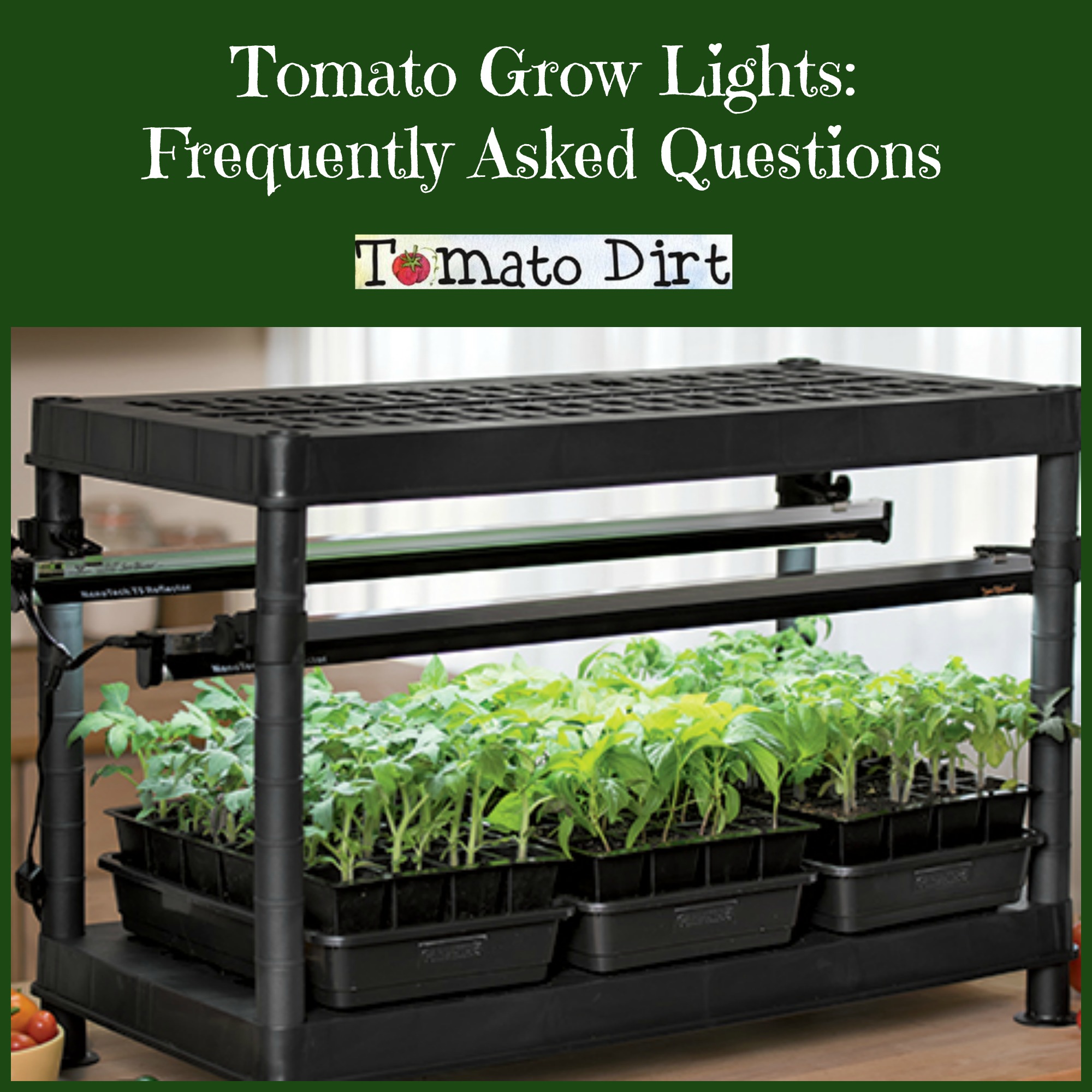
Ah, the sweet anticipation of homegrown tomatoes! But starting those precious little seedlings indoors can feel like a gamble. Are they getting enough light? Are they stretching and getting leggy? Fear not, fellow gardeners! With the strategic use of grow lights, you can give your tomato seedlings the perfect start, ensuring a bountiful harvest later in the season. Let's dive into everything you need to know about nurturing your future tomatoes with the power of artificial sunshine.
The Importance of Grow Lights for Tomato Seedlings
Tomato seedlings are light-hungry little things. They need a significant amount of light – typically 14-16 hours per day – to develop strong stems, healthy leaves, and a robust root system. Insufficient light results in etiolation, that undesirable stretching towards a window that makes your seedlings weak and prone to disease. The window simply doesn't cut it on cloudy days, or during the short days of early spring when most of us are starting our seeds indoors. This is where grow lights become your best friend, giving your tomato seedlings the consistent, high-quality light they need, regardless of the weather or time of year.
Consider this: a study by the American Society for Horticultural Science found that tomato seedlings grown under supplemental lighting (similar to grow lights) produced significantly higher yields compared to those grown without. The improved plant structure early in life translates to better fruit production later. Using grow lights for tomato seedlings can be the difference between a few puny tomatoes and a overflowing harvest.
Choosing the Right Grow Light for Your Tomato Seedlings
Navigating the world of grow lights can be a bit overwhelming, but don't worry, it doesn't have to be complicated. Here's a breakdown of the most common types and their suitability for growing tomato seedlings:
Types of Grow Lights:
- Fluorescent Lights (T5 or T8): These are a budget-friendly and energy-efficient option, particularly good for starting seedlings. They produce relatively low heat, allowing you to place the lights close to the plants without burning them. T5 lights are more efficient and brighter than T8s. A "cool white" or "daylight" spectrum is ideal.
- LED Grow Lights: LEDs are becoming increasingly popular due to their energy efficiency, long lifespan, and ability to customize the light spectrum. While initially more expensive than fluorescent lights, they offer significant cost savings over time. Look for LEDs specifically designed for plant growth with a full spectrum light, or lights with a good balance of blue and red light (more on that later).
- High-Intensity Discharge (HID) Lights (Metal Halide or High-Pressure Sodium): These are powerful lights that are typically used for mature plants or larger growing areas. They produce a lot of heat and require ventilation, making them less suitable for small-scale seedling setups.
Light Spectrum Considerations:
Plants use different wavelengths of light for different processes. Blue light promotes vegetative growth (leaf and stem development), while red light is important for flowering and fruiting. For tomato seedlings, a balance of blue and red light is ideal. "Full-spectrum" grow lights aim to provide a wide range of wavelengths to support all stages of plant growth.
Here's a quick guide on color temperatures and their uses:
| Color Temperature (Kelvin) | Color Description | Use for Tomato Seedlings |
|---|---|---|
| 6500K | Cool White/Daylight | Excellent for vegetative growth; promotes strong stems and leaves. |
| 3000K | Warm White | Better for flowering and fruiting stages (less ideal for seedlings). |
| Full Spectrum | Contains a range of colors | Good for all stages of growth when you can't dedicate separate lighting to each stage. |
Wattage and Light Intensity:
Wattage indicates the power consumption of the light, but it doesn't directly translate to light output. Lumens or PAR (Photosynthetic Active Radiation) are better indicators of the amount of light available to the plants. For tomato seedlings, aim for around 2000-3000 lumens per square foot or a PAR value of 100-200 µmol/m²/s. If you're using LEDs, look for lights with adjustable intensity so you can increase the brightness as your seedlings grow.
If you're starting your plants in a small space, theAhopegarden Indoor Garden Hydroponics Growing System is an excellent choice! With its 10-pod capacity, this countertop aeroponic growing system includes an LED grow lamp, perfect for germinating your tomato seeds indoors and getting them off to a great start. Find this efficient tomato seedling starter system with a built-in grow light on Amazon here: https://amzn.to/3RPpa Sk
Setting Up Your Grow Lights for Tomato Seedlings
Proper setup is key to maximizing the benefits of your grow lights. Here's what you need to consider:
Distance from Plants:
The distance between the grow light and your tomato seedlings is crucial. Too far, and the plants won't receive enough light. Too close, and they could get burned. Generally, fluorescent lights can be placed 2-4 inches above the seedlings, while LEDs should be 6-12 inches away. Always monitor your plants closely and adjust the distance as needed.
Signs of light burn include bleached or yellowing leaves that are closest to the light. If you see this, immediately raise the light.
Light Duration:
As mentioned earlier, tomato seedlings need 14-16 hours of light per day. Use a timer to automate the on/off cycle. This ensures consistent light exposure, even if you're away from home.
It's also important to give your seedlings a period of darkness each day (8-10 hours). Plants use this time for important metabolic processes.
Reflectors:
To maximize light efficiency, consider using reflectors. These can be as simple as a sheet of white paper or aluminum foil placed around the seedlings. Reflectors help bounce light back onto the plants, reducing waste and ensuring that all parts of the plant receive adequate illumination.
Ventilation:
While not as crucial with low-heat lights like fluorescents and LEDs, adequate ventilation is still important. Ensure that there's good airflow around your seedlings to prevent fungal diseases. A small fan can help circulate the air.
Troubleshooting Common Problems with Grow Lights and Tomato Seedlings
Even with the best setup, you might encounter some challenges. Here are a few common problems and how to address them:
Leggy Seedlings:
This is the most common problem, and it indicates insufficient light. Lower the grow lights, increase the light duration, or switch to a more powerful light.
Yellowing Leaves:
Yellowing leaves can be caused by several factors, including overwatering, nutrient deficiencies, or light burn. Check the soil moisture and adjust your watering accordingly. If the leaves are closest to the light, raise the light. If the issue persists, consider using a balanced liquid fertilizer diluted to half strength.
Stunted Growth:
Stunted growth can be a sign of nutrient deficiencies or improper p H levels. Test the soil p H and amend if necessary. Ensure that you're using a potting mix specifically formulated for seedlings.
Mold or Fungus:
Mold or fungus growth is often caused by excessive humidity and poor ventilation. Improve airflow by using a fan. Avoid overwatering and consider using a fungicide if necessary.
Hardening Off Your Tomato Seedlings
Once your tomato seedlings have grown strong and healthy under the grow lights, it's time to prepare them for the transition to the outdoor garden. This process is called "hardening off."
Hardening off involves gradually exposing the seedlings to outdoor conditions (sun, wind, and temperature fluctuations) over a period of 1-2 weeks. Start by placing the seedlings in a sheltered location for a few hours each day, gradually increasing the duration and exposure to direct sunlight. Be sure to bring them back indoors if there's a risk of frost. This helps the seedlings acclimate to the harsher outdoor environment and reduces the risk of transplant shock.
By carefully using grow lights for tomato seedlings and properly hardening them off, you'll be well on your way to enjoying a delicious and abundant tomato harvest! Happy growing!