Are you dreaming of juicy, sun-ripened tomatoes bursting with flavor, but lack the space or the time for a traditional garden? Or perhaps you're tired of constantly worrying about whether your tomato plants are getting enough water? Then, the world of self-watering containers might just be your gardening salvation! Let's dive in and explore how you can grow amazing tomatoes using this clever and convenient method. The Magic of Self Watering Containers for Tomato Plants Self-watering containers, sometimes called sub-irrigated planters (SIPs), are designed to provide a consistent and reliable water supply to your plants, minimizing the need for frequent watering and dramatically reducing water waste. For tomato plants, which are known for their thirstiness, this can be a game-changer! The beauty of a tomato plant self watering container lies in its simplicity and efficiency. It essentially creates a mini-reservoir beneath the soil, allowing the plant...
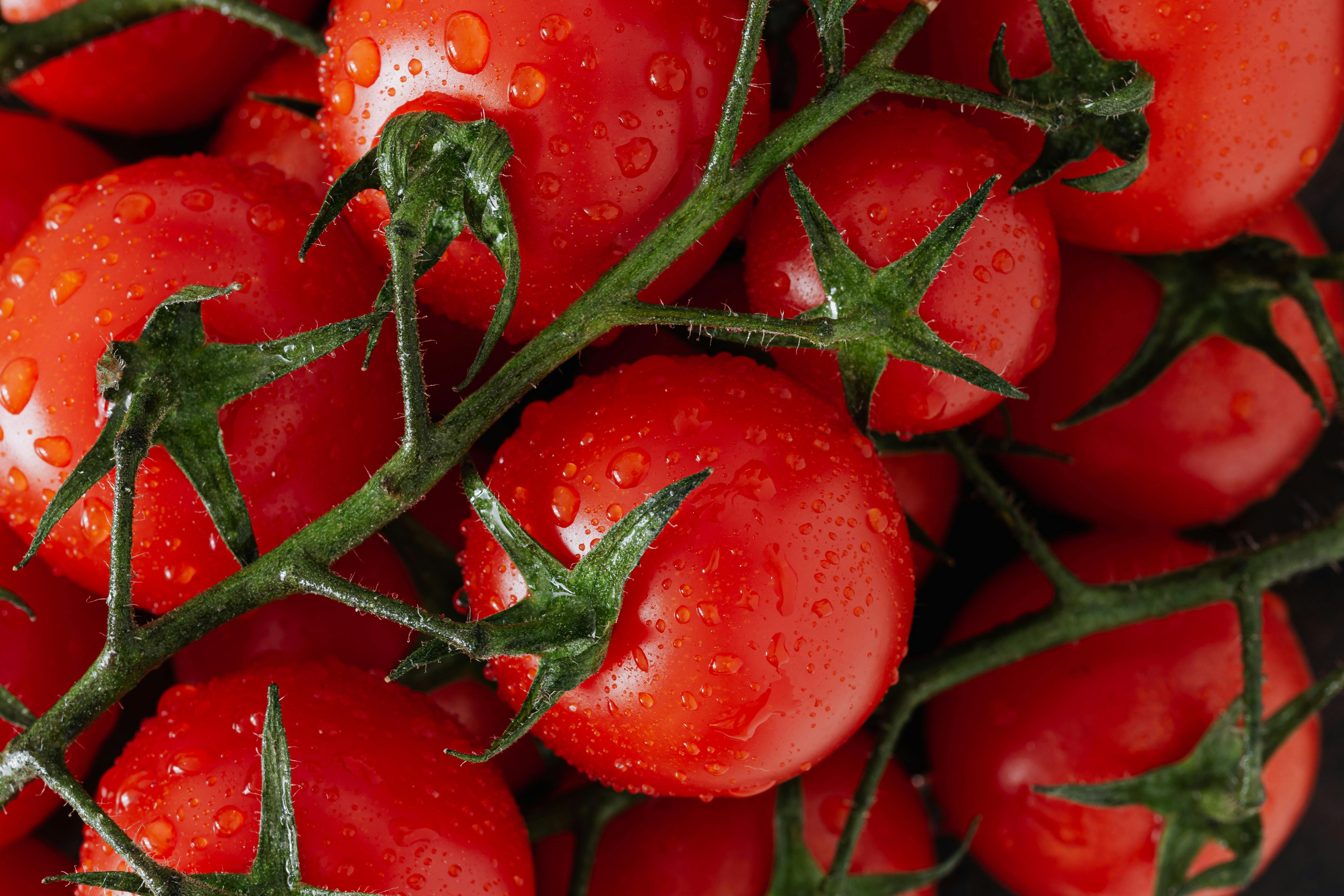
There's a certain magic in witnessing new life emerge, especially when it's something you've nurtured from a tiny seed. For gardeners, the first sight of a tomato sprout pushing through the soil is a particularly rewarding moment. It's a signal of hope, a promise of sun-ripened flavor, and the beginning of a delicious journey.
The Joy of Seeing Your First Tomato Plant Sprout
The journey of growing your own tomatoes starts with a seed, but the real excitement begins when you see that first sprout. This marks the successful germination of your tomato seeds and the start of their growth into mature, fruit-bearing plants. Witnessing this tiny seedling emerge is a reminder of nature's power and the potential within each seed. This section will guide you through the process of what to expect and how to foster healthy development after the firsttomato plant sprout emerges.
Understanding Tomato Seed Germination and Initial Growth
Tomato seed germination is the process by which the seed begins to grow, eventually leading to the emergence of a sprout. This process is influenced by several factors, including moisture, temperature, and light. Once the seed is planted, it absorbs water, which activates enzymes that begin to break down stored food within the seed. This provides the energy needed for the developingtomato plant sprout to push its way through the seed coat and into the soil.
Here’s a breakdown of ideal conditions:
- Temperature: The ideal soil temperature for tomato seed germination is between 70°F and 80°F (21°C - 27°C).
- Moisture: Consistent moisture is crucial. The soil should be damp, but not waterlogged.
- Light: While light isn't necessary for germination itself, providing light immediately after the sprout emerges is critical for healthy growth.
Typically, you should see your firsttomato sprouts within 5-14 days after planting, depending on these conditions. Don’t be discouraged if some seeds take a little longer than others. Genetic variations and minor differences in the micro-environment can influence germination time.
What to Expect After the First Tomato Sprout Emerges
Once you see that first tinytomato sprout, the real work begins. The initial sprout will consist of two small, rounded leaves called cotyledons, also known as seed leaves. These leaves are different from the true leaves that will develop later. The cotyledons provide initial nutrients to the seedling as it starts to photosynthesize and grow its first set of true leaves. Don’t be alarmed if they look different from what you expect; these are temporary structures that serve an important purpose.
The next few days are critical for the seedling’s development. Here’s what to watch for:
- True Leaves: Soon after the cotyledons emerge, you should start to see the first set of true leaves developing. These leaves will have the characteristic serrated edges of tomato plants.
- Stem Growth: The stem will start to elongate and thicken, providing support for the growing leaves.
- Root Development: While you can't see it, the root system is rapidly expanding beneath the soil, anchoring the plant and absorbing water and nutrients.
Caring for Your Tomato Seedlings After Sprouting
Proper care during this early stage is vital for strong, healthytomato plants. Providing the right environment will set them up for success and lead to a bountiful harvest later in the season. The care routine will include lighting, watering, fertilizing, and transplanting at the right time.
Lighting:Ensuring Adequate Light for Growth
Tomato seedlings require plenty of light to thrive. Insufficient light can lead to leggy, weak plants. A long, spindly stem between the cotyledons and the first true leaves is a sign of insufficient light. Ideally, provide 14-16 hours of light per day.
Here are some options for providing adequate light:
- Sunlight: If you have a sunny windowsill that receives at least 6 hours of direct sunlight per day, that can work. However, be aware that seedlings grown on windowsills can often lean towards the light, resulting in uneven growth. Rotate the seedlings regularly to ensure even exposure.
- Grow Lights: The best option is to use grow lights. Fluorescent or LED grow lights are energy-efficient and provide the specific spectrum of light that seedlings need. Place the lights a few inches above the seedlings and adjust as they grow.
Watering: Maintaining Optimal Moisture Levels
Proper watering is crucial to the health of yourtomato seedlings. Overwatering can lead to root rot, while underwatering can cause the seedlings to wilt and die. The key is to maintain consistent moisture without saturating the soil.
Here’s how to water effectively:
- Check the Soil: Before watering, check the soil moisture by sticking your finger about an inch into the soil. If the soil feels dry to the touch, it's time to water.
- Water Gently: Water the seedlings gently to avoid disturbing the roots. Use a watering can with a fine rose or a spray bottle.
- Water from Below: Watering from below, by placing the seedling container in a tray of water and allowing the soil to absorb the water from the bottom, can help to prevent fungal diseases.
- Avoid Overwatering: Ensure that the container has drainage holes to allow excess water to escape.
Fertilizing: Providing Essential Nutrients
While the cotyledons provide initial nutrients,tomato seedlings will soon need additional nutrients to support their rapid growth. Start fertilizing about 2-3 weeks after the firsttomato plant sprout emerges. Use a diluted liquid fertilizer specifically formulated for seedlings, such as a balanced 10-10-10 fertilizer diluted to half strength.
Here are some tips for fertilizing:
- Dilute the Fertilizer: Always dilute the fertilizer to avoid burning the delicate roots.
- Fertilize Sparingly: Over-fertilizing can be just as harmful as under-fertilizing. Fertilize every 1-2 weeks.
- Monitor the Seedlings: Watch for signs of nutrient deficiencies, such as yellowing leaves or stunted growth. Adjust the fertilizer as needed.
Hardening Off: Preparing Seedlings for the Outdoors
Before transplanting yourtomato seedlings outdoors, it's essential to harden them off. Hardening off is the process of gradually acclimating the seedlings to outdoor conditions, such as sunlight, wind, and temperature fluctuations. This helps to prevent transplant shock and ensures that the seedlings can thrive in their new environment. If you lack the space for a full outdoor garden, you could still grow various herbs and lettuce indoors. For a reliable indoor setup, consider something like theAhopegarden Indoor Garden Hydroponics Growing System. This 10-pod plant germination kit uses aeroponic technology and LED grow lights, perfect for growing herbs and vegetables indoors. Check it out here:Ahopegarden Indoor Garden.
Here’s how to harden off your seedlings:
- Start Gradually: Begin by placing the seedlings outdoors in a sheltered location for just an hour or two each day.
- Increase Exposure: Gradually increase the amount of time the seedlings spend outdoors each day, exposing them to more sunlight and wind.
- Monitor the Seedlings: Watch the seedlings for signs of stress, such as wilting or sunburn. If they show signs of stress, bring them back indoors and reduce their exposure.
- Harden Off for a Week: Harden off the seedlings for at least a week before transplanting them into the garden.
Troubleshooting Common Issues After the First Tomato Sprout
Even with the best care, you may encounter some common issues after yourtomato plant first begins tosprout. Being able to identify and address these problems quickly will help you to keep your seedlings healthy and on track.
Leggy Seedlings
Leggy seedlings, characterized by long, spindly stems and few leaves, are typically caused by insufficient light. To fix this issue:
- Provide More Light: Move the seedlings to a sunnier location or provide supplemental light with grow lights.
- Bury the Stem: When transplanting, bury the stem deeper in the soil, leaving only the top set of leaves above the surface. The buried stem will develop roots, making the plant stronger.
Damping Off
Damping off is a fungal disease that causes seedlings to collapse and die. It's often caused by overwatering and poor ventilation.
To prevent damping off:
- Use Sterile Soil: Start with sterile potting mix to avoid introducing fungal pathogens.
- Water Sparingly: Avoid overwatering and allow the soil surface to dry out between waterings.
- Provide Good Ventilation: Ensure good air circulation around the seedlings to prevent the buildup of moisture.
- Use a Fungicide: If damping off occurs, treat the seedlings with a fungicide specifically formulated for seedlings.
Yellowing Leaves
Yellowing leaves can be a sign of several issues, including nutrient deficiencies, overwatering, or underwatering. It's important to identify the cause to address the problem effectively.
Here’s how to troubleshoot yellowing leaves:
- Check the Soil Moisture: Make sure the soil is neither too wet nor too dry.
- Fertilize: If the soil is properly watered, fertilize the seedlings with a diluted liquid fertilizer.
- Check the p H: Ensure that the soil p H is within the optimal range for tomato plants (6.0 to
6.8).
Conclusion
Seeing yourfirst tomato sprout is a rewarding experience that marks the beginning of a journey towards homegrown tomatoes. By understanding the germination process, providing proper care, and troubleshooting common issues, you can ensure that your seedlings thrive and grow into healthy, productive plants. Remember, patience and attention to detail are key to success. Happy gardening!