Are you dreaming of juicy, sun-ripened tomatoes bursting with flavor, but lack the space or the time for a traditional garden? Or perhaps you're tired of constantly worrying about whether your tomato plants are getting enough water? Then, the world of self-watering containers might just be your gardening salvation! Let's dive in and explore how you can grow amazing tomatoes using this clever and convenient method. The Magic of Self Watering Containers for Tomato Plants Self-watering containers, sometimes called sub-irrigated planters (SIPs), are designed to provide a consistent and reliable water supply to your plants, minimizing the need for frequent watering and dramatically reducing water waste. For tomato plants, which are known for their thirstiness, this can be a game-changer! The beauty of a tomato plant self watering container lies in its simplicity and efficiency. It essentially creates a mini-reservoir beneath the soil, allowing the plant...
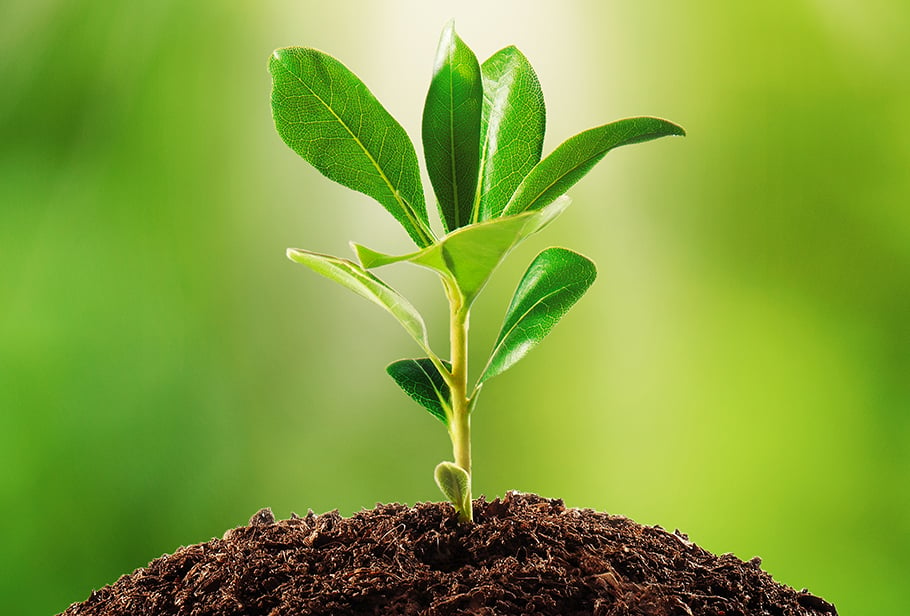
Ah, tomatoes! The juicy, sun-ripened reward for all your gardening efforts. But before you can bite into that perfect homegrown tomato, you need to get them in the ground at the right time. Planting too early can lead to disaster, and planting too late means missing out on the best part of the growing season. So, whenisthe magic moment to transplant your precious tomato seedlings outdoors? Let's dive in and figure it out!
Understanding the Importance of Timing When Planting Tomato Plants
Getting the timing right for planting your tomato plants outdoors is crucial for a successful harvest. Tomatoes are warm-weather plants, meaning they thrive in consistent warmth and struggle in cold temperatures. Planting too early, when the ground is still cold or there's a risk of frost, can stunt their growth, damage their delicate tissues, or even kill them outright. On the other hand, waiting too long to plant means your plants have less time to mature and produce fruit before the end of the growing season.
The ideal time to plant tomato plants out depends on your local climate and the specific weather conditions each year. It's not just about a calendar date; it's about observing the signs that indicate the soil is warm enough and the risk of frost has passed. Understanding these factors will give your tomato plants the best possible start and maximize your chances of a bountiful harvest. Don't just rely on a specific date, it's much better to check local growing guides as well. It's also important to consider the variety of tomato you're planting, as some varieties may be more cold-hardy than others.
Key Factors Determining When To Plant Tomato Seedlings Outside
Several factors play a significant role in determining when to plant your tomato seedlings outside. Paying attention to these factors is key to giving your tomato plants the best possible start.
Last Expected Frost Date
Thelast expected frost date is arguably the most critical factor. This is the average date when the last frost is likely to occur in your area. You can usually find this information from your local agricultural extension office, weather service, or online gardening resources. Planting your tomato plants before this date puts them at risk of being damaged or killed by frost. Frost can severely damage the tender leaves and stems of tomato plants, setting them back significantly or even killing them. A good rule of thumb is to wait at leasttwo weeks after the last expected frost date before transplanting your tomatoes. Even then, keep an eye on the forecast and be prepared to protect your plants if a late frost is predicted.
Soil Temperature
Tomato plants thrive in warm soil. The ideal soil temperature for planting tomatoes is between*60°F (15°C) and 70°F (21°C). You can use a soil thermometer to check the soil temperature before planting. Insert the thermometer into the soil at a depth of about 4-6 inches, and take readings at different locations in your garden. If the soil temperature is consistently below 60°F (15°C), wait a few more days or weeks before planting. You can also warm up the soil by covering it with black plastic mulch a few weeks before planting. This will help to trap heat and raise the soil temperature to a more suitable level.
Consider that soil temperature is going to affect the growth rate of tomato plants a lot. If you plant in soil that is too cold, the plants will sit stagnant and not grow. This will affect how they develop and their fruit-bearing potential. You may lose weeks or months to this problem, and have a much reduced growing season.
Air Temperature
Air temperature is another important consideration. Tomato plants prefer daytime temperatures between70°F (21°C) and 85°F (29°C) and nighttime temperatures above50°F (10°C). Consistent exposure to temperatures below 50°F (10°C) can stunt their growth. While tomato plants can tolerate slightly cooler temperatures for short periods, prolonged exposure can be detrimental. If you experience a sudden cold snap after planting, be prepared to protect your plants with row covers, blankets, or other protective measures. Even if the plants survive, cold temperatures can hinder pollination and fruit set.
Weather Forecast
Always check theweather forecast before planting. Look for a period of stable, warm weather with no risk of frost. Avoid planting right before a cold front or a period of heavy rain. Heavy rain can compact the soil and make it difficult for young roots to establish. A period of stable weather will give your tomato plants the best chance to acclimate to their new environment. Pay attention to both short-term and long-term forecasts. A sudden cold snap after a few days of warm weather can be just as damaging as planting too early in the season. Don't take the long term forecast as gospel, however, as it can change quickly.
A Step-by-Step Guide to Planting Tomato Plants Outdoors
Once you've determined that the conditions are right, it's time to plant your tomato plants. Here's a step-by-step guide to help you get started:
-
Harden off your seedlings: Before transplanting your tomato plants outdoors, you need to harden them off. This process gradually acclimates them to the outdoor environment. Start by placing them outside in a sheltered location for a few hours each day, gradually increasing the amount of time they spend outdoors over a period of one to two weeks. This will help them adjust to the sunlight, wind, and temperature fluctuations.
-
Prepare the soil: Choose a location in your garden that receives at least six hours of sunlight per day. Amend the soil with compost or other organic matter to improve drainage and fertility. Tomato plants prefer well-drained soil that is rich in nutrients. Test your soil p H to ensure it is between 6.0 and
6.8. If the soil is too acidic, add lime to raise the p H. If the soil is too alkaline, add sulfur to lower the p H. Work the soil to a depth of about 12 inches to loosen it and make it easier for the roots to penetrate.
-
Dig the holes: Dig holes that are slightly larger than the root balls of your tomato plants. Space the holes about 2-3 feet apart, depending on the variety of tomato you're planting. For indeterminate varieties, which can grow quite large, allow more space between plants. Consider adding a small amount of fertilizer to each hole. Be careful not to add too much, as this can burn the roots.
-
Plant the seedlings: Gently remove the tomato plants from their containers. If the roots are pot-bound, gently loosen them before planting. Place the plants in the holes, making sure the top of the root ball is level with the surrounding soil. You can bury the stem up to the first set of leaves, as tomatoes will form roots along the buried stem. This will help to create a stronger, more robust plant. Fill the holes with soil, gently patting it down around the plants.
-
Water thoroughly: After planting, water the tomato plants thoroughly. This will help to settle the soil and ensure that the roots have good contact with the soil. Apply a layer of mulch around the plants to help retain moisture and suppress weeds. Mulch can also help to regulate soil temperature. Keep in mind how important it is to water new tomato plants, as they need constant water in their first week.
-
Provide support: Tomato plants, especially indeterminate varieties, need support to prevent them from falling over. Install stakes, cages, or trellises at the time of planting. This will give the plants something to climb on as they grow. Make sure the support is sturdy enough to handle the weight of the mature plant and its fruit. Regularly prune the plants to remove suckers and encourage airflow.
Protecting Your Tomato Plants from Late Frosts
Even after the last expected frost date, there's still a chance of a late frost. It's important to be prepared to protect your tomato plants if a frost is predicted. Here are some methods you can use:
-
Cover the plants: Cover the plants with row covers, blankets, sheets, or even buckets. Make sure the covering extends to the ground to trap heat. Remove the coverings during the day to allow the plants to get sunlight.
-
Water the plants: Watering the plants before a frost can help to protect them. Wet soil retains more heat than dry soil. Make sure to water deeply, saturating the soil around the plants.
-
Use a cold frame: A cold frame is a simple structure that can protect plants from frost. It's essentially a miniature greenhouse that traps heat and provides shelter from the elements.
-
Move container plants indoors: If you're growing your tomato plants in containers, you can simply move them indoors to protect them from frost. Place them in a sunny location, such as a south-facing window.
Alternative Planting Methods
If you are nervous about planting outdoors or live in an apartment, there are other methods that can be used to grow tomatoes and other vegetables. TheAhopegarden Indoor Garden Hydroponics Growing System is a great way to start your plants indoors. This hydroponic germination kit provides the perfect environment for growing herbs, vegetables, and even starting your tomato plants from seed. With its LED grow light, you can ensure your plants get the light they need, even if you don't have a sunny windowsill. It's a fantastic way to get a head start on the growing season, and you can find it here: https://amzn.to/3RPpa Sk.
Troubleshooting Common Problems When Planting Tomato Plants
Even with the best planning, problems can still arise when planting tomato plants. Here are some common issues and how to address them:
-
Transplant shock: Transplant shock is a common problem that occurs when plants are moved from one location to another. Symptoms include wilting, yellowing leaves, and stunted growth. To minimize transplant shock, handle the plants gently, water them thoroughly after planting, and provide shade for a few days.
-
Pests and diseases: Tomato plants are susceptible to a variety of pests and diseases, such as aphids, whiteflies, and tomato blight. Monitor your plants regularly for signs of pests or diseases. Use organic pest control methods, such as insecticidal soap or neem oil, to control pests. Prevent diseases by ensuring good air circulation and avoiding overhead watering.
-
Poor soil: Poor soil can lead to stunted growth and nutrient deficiencies. Amend the soil with compost or other organic matter to improve its fertility and drainage. Test your soil regularly and add fertilizers as needed. Consider a soil test to better understand if your soil is low in specific nutrients like nitrogen, phosphorus, or potassium.
-
Sunscald: Sunscald occurs when tomatoes are exposed to excessive sunlight. Symptoms include white or yellow patches on the fruit. Protect your tomatoes from sunscald by providing shade during the hottest part of the day. You can use shade cloth or simply move the plants to a more shaded location.
Final Thoughts
Determining when to plant tomato plants out is a balancing act, but with a little knowledge and careful observation, you can ensure a successful tomato-growing season. Remember to consider your local climate, soil temperature, air temperature, and weather forecast. By following these guidelines, you'll be well on your way to enjoying a bountiful harvest of delicious, homegrown tomatoes.
Good luck with your planting this year, I hope you have a wonderful harvest season!