Are you dreaming of juicy, sun-ripened tomatoes bursting with flavor, but lack the space or the time for a traditional garden? Or perhaps you're tired of constantly worrying about whether your tomato plants are getting enough water? Then, the world of self-watering containers might just be your gardening salvation! Let's dive in and explore how you can grow amazing tomatoes using this clever and convenient method. The Magic of Self Watering Containers for Tomato Plants Self-watering containers, sometimes called sub-irrigated planters (SIPs), are designed to provide a consistent and reliable water supply to your plants, minimizing the need for frequent watering and dramatically reducing water waste. For tomato plants, which are known for their thirstiness, this can be a game-changer! The beauty of a tomato plant self watering container lies in its simplicity and efficiency. It essentially creates a mini-reservoir beneath the soil, allowing the plant...
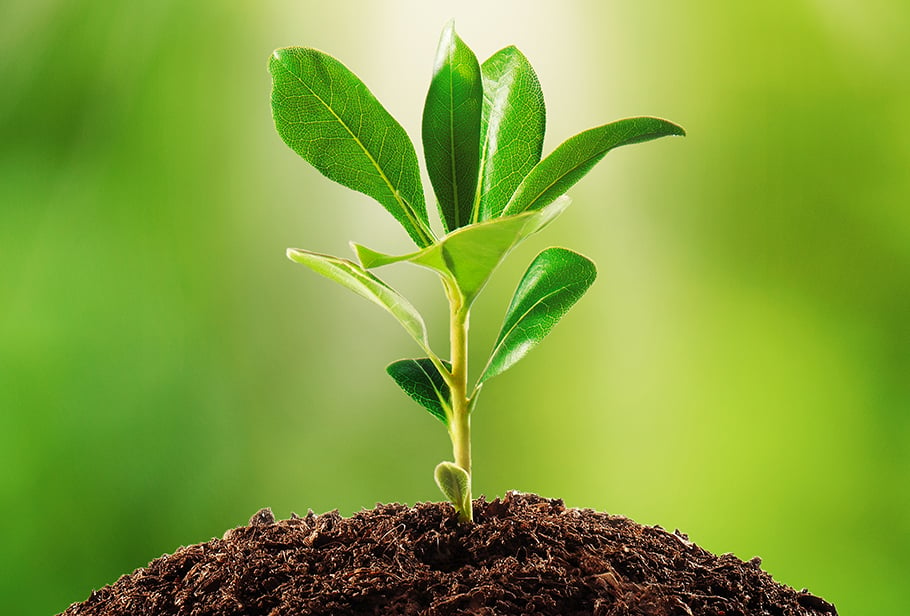
Picture this: It's the dead of winter, snow is piled high outside your window, and yet... you're biting into a juicy, sun-ripened tomato, grown right in your own home. Sounds like a dream, right? Well, it's entirely possible! The secret lies in knowing exactlywhen to plant your tomato seeds indoors. Get the timing right, and you'll be well on your way to enjoying homegrown tomatoes long before the last frost has even thought about leaving.
Why Start Tomato Seeds Indoors?
Starting your tomato seeds indoors provides a huge head start to your growing season, especially in regions with shorter summers. Tomato plants are warm-season crops, meaning they need plenty of sunshine and warm temperatures to thrive and produce fruit. By starting seeds indoors, you're essentially creating a mini-summer environment for them, allowing them to develop a strong root system and a healthy plant structure before they're exposed to the unpredictable conditions outdoors. This early start can translate into earlier and more abundant harvests. It also helps you avoid the risk of late frosts damaging young, vulnerable plants.
Benefits of Indoor Seed Starting
The benefits of starting tomato seeds indoors extend beyond just an earlier harvest. Here's a closer look:
- Longer Growing Season: As mentioned, you're effectively extending the growing season by several weeks, even months, depending on your climate.
- Stronger Plants: Indoor starts tend to be healthier and more robust than direct-sown seedlings. This is because you have more control over the environment – temperature, light, and moisture – leading to optimal growth conditions.
- Increased Yield: Healthier plants with longer growing seasons typically result in a greater yield of tomatoes.
- Variety Selection: Starting seeds indoors allows you to grow varieties of tomatoes that might not be readily available as transplants at your local nurseries. You have a wider selection to choose from and can experiment with different flavors, sizes, and colors.
- Cost-Effective: Starting seeds indoors can save you money compared to buying pre-grown tomato plants, especially if you plan to grow a large number of plants.
Determining the Best Time to Plant Tomato Seeds Indoors
The key to success is understanding your local climate and knowing the average last frost date. This is the date when you can reasonably expect the last freezing temperatures of spring to occur in your area. Knowing your average last frost date is crucial to determiningwhen to plant tomato seeds indoors. Planting too early can result in leggy, weak seedlings that are difficult to transplant, while planting too late can mean missing out on valuable growing time. The goal is to have healthy, sturdy seedlings ready to transplant outdoorsafterthe danger of frost has passed.
Calculating the Ideal Timing
Here's the general rule of thumb: Plant tomato seeds indoors approximately 6-8 weeks before your average last frost date. This timeframe allows the seedlings enough time to germinate, develop several sets of true leaves, and become hardened off (acclimated to outdoor conditions) before being transplanted into the garden.
To determine the specific date, follow these steps:
- Find Your Average Last Frost Date: Consult your local agricultural extension office, weather service, or online resources to find the average last frost date for your area. Search online for "[your city/region] average last frost date."
- Count Backwards: Once you have your average last frost date, count back 6-8 weeks on a calendar. This range will give you the window of time to start your tomato seeds indoors.
For example, if your average last frost date is May 15th, you should aim to start your tomato seeds indoors sometime between March 20th and April 3rd. It's always better to err on the side of planting a little later rather than too early. If you start your seeds too early, you may have to repot them into larger containers to prevent them from becoming root-bound, and you'll need to provide adequate light to prevent them from becoming leggy.
Factors Affecting Planting Time
While the 6-8 week rule is a good starting point, several factors can influence the optimal timing for planting your tomato seeds indoors:
- Tomato Variety: Some tomato varieties mature earlier than others. Early-maturing varieties may only need 5-6 weeks indoors, while late-maturing varieties might benefit from 7-8 weeks. Check the seed packet or online resources for the specific variety's days to maturity.
- Indoor Growing Conditions: The quality of your indoor growing environment can impact the growth rate of your seedlings. If you have a well-lit, warm space with consistent moisture, your seedlings may grow faster than if you have a cooler, darker space.
- Personal Preference: Some gardeners prefer to transplant larger, more established seedlings, while others prefer smaller, younger plants. This is largely a matter of personal preference and experience.
Step-by-Step Guide to Starting Tomato Seeds Indoors
Now that you knowwhen to plant your tomato seeds indoors, let's walk through the process:
1. Gather Your Supplies:
- Tomato seeds (choose your favorite varieties!)
- Seed starting trays or small pots (with drainage holes)
- Seed starting mix (a lightweight, sterile potting mix)
- Watering can or spray bottle
- Heat mat (optional, but helps with germination)
- Grow lights (essential for strong seedling growth)
- Labels and a permanent marker
2. Sow the Seeds:
Moisten the seed starting mix thoroughly. Fill the seed starting trays or pots with the moistened mix. Sow 2-3 tomato seeds per cell or pot, about ¼ inch deep. Gently cover the seeds with the mix and lightly water. Label each tray or pot with the tomato variety and the date of sowing.
3. Provide Warmth and Moisture:
Place the seed starting trays or pots on a heat mat, if using. The ideal soil temperature for tomato seed germination is between 75-85°F (24-29°C). Cover the trays or pots with a clear plastic dome or plastic wrap to create a humid environment. Place the trays or pots in a warm location. Check the moisture level of the soil daily and water as needed to keep it consistently moist, but not soggy. Once the seedlings emerge, remove the plastic dome or wrap.
4. Provide Light:
Once the seedlings emerge (usually within 5-10 days), remove them from the heat mat and place them under grow lights. Position the grow lights a few inches above the seedlings and adjust the height as the seedlings grow. Provide 14-16 hours of light per day. Rotate the trays or pots regularly to ensure even light exposure and prevent the seedlings from leaning towards the light source.
5. Thin the Seedlings:
Once the seedlings have developed their first set of true leaves (the leaves that look like miniature tomato leaves, not the initial seed leaves), thin them to one seedling per cell or pot. Select the strongest, healthiest seedling and carefully snip off the others at soil level. Avoid pulling out the unwanted seedlings, as this can disturb the roots of the remaining seedling.
6. Fertilize the Seedlings:
Once the seedlings have developed their second set of true leaves, start fertilizing them with a diluted liquid fertilizer specifically formulated for seedlings. Follow the instructions on the fertilizer label. Fertilize every 1-2 weeks.
7. Harden Off the Seedlings:
About 1-2 weeks before transplanting the seedlings outdoors, begin hardening them off. This process gradually acclimates the seedlings to outdoor conditions, preventing transplant shock. Start by placing the seedlings outdoors in a sheltered location for a few hours each day, gradually increasing the amount of time they spend outdoors. Protect the seedlings from direct sunlight and strong winds. Bring the seedlings indoors at night. After a week or two, they should be ready to be transplanted into the garden.
Transplanting Tomato Seedlings Outdoors
After all your hard work starting your tomato seeds indoors, transplanting them properly is the final step to ensure a bountiful harvest. Wait until the danger of frost has completely passed before transplanting your tomato seedlings outdoors. Choose a sunny location with well-drained soil. Dig holes slightly larger than the root balls of the seedlings. Gently remove the seedlings from their containers and plant them in the holes. Space the plants according to the recommendations for the specific variety. Water the plants thoroughly after transplanting and add a layer of mulch around the base of the plants to help retain moisture and suppress weeds. Consider using tomato cages or stakes to support the plants as they grow.
If you're short on space or just want to experiment with indoor gardening, consider using theAhopegarden Indoor Garden Hydroponics Growing System, a convenient option for growing herbs, vegetables, and even tomatoes indoors. With its 10 pods, LED grow light, and aeroponic system, thisindoor garden kit creates the ideal environment for plant growth, even without soil. You can find this amazinghydroponic growing system on Amazon through this link: https://amzn.to/3RPpa Sk.
Troubleshooting Common Issues
Starting tomato seeds indoors can sometimes present challenges. Here are a few common issues and how to address them:
- Leggy Seedlings: Leggy seedlings are tall and spindly, with long stems and few leaves. This is usually caused by insufficient light. Provide more light by moving the seedlings closer to the grow lights or using stronger grow lights.
- Damping Off: Damping off is a fungal disease that causes seedlings to rot and collapse at soil level. Prevent damping off by using sterile seed starting mix, providing good air circulation, and avoiding overwatering.
- Slow Germination: If your tomato seeds are not germinating within 10-14 days, the soil temperature may be too low. Use a heat mat to increase the soil temperature. Make sure the soil is moist but not waterlogged.
- Yellowing Leaves: Yellowing leaves can be caused by a variety of factors, including nutrient deficiencies, overwatering, or underwatering. Adjust your watering and fertilization practices accordingly.
Success Tips
These are some tips you can follow for a successful planting:
- Use high-quality seeds from a reputable source.
- Maintain consistent moisture levels in the soil.
- Provide adequate light and warmth.
- Thin the seedlings to one per cell or pot.
- Fertilize regularly with a diluted liquid fertilizer.
- Harden off the seedlings before transplanting outdoors.
- Choose a sunny location with well-drained soil.
- Provide support for the plants as they grow.
Knowingwhen to plant your tomato seeds indoors is the first step to a delicious harvest. By following these guidelines, you can enjoy homegrown tomatoes all season long!