Are you dreaming of juicy, sun-ripened tomatoes bursting with flavor, but lack the space or the time for a traditional garden? Or perhaps you're tired of constantly worrying about whether your tomato plants are getting enough water? Then, the world of self-watering containers might just be your gardening salvation! Let's dive in and explore how you can grow amazing tomatoes using this clever and convenient method. The Magic of Self Watering Containers for Tomato Plants Self-watering containers, sometimes called sub-irrigated planters (SIPs), are designed to provide a consistent and reliable water supply to your plants, minimizing the need for frequent watering and dramatically reducing water waste. For tomato plants, which are known for their thirstiness, this can be a game-changer! The beauty of a tomato plant self watering container lies in its simplicity and efficiency. It essentially creates a mini-reservoir beneath the soil, allowing the plant...
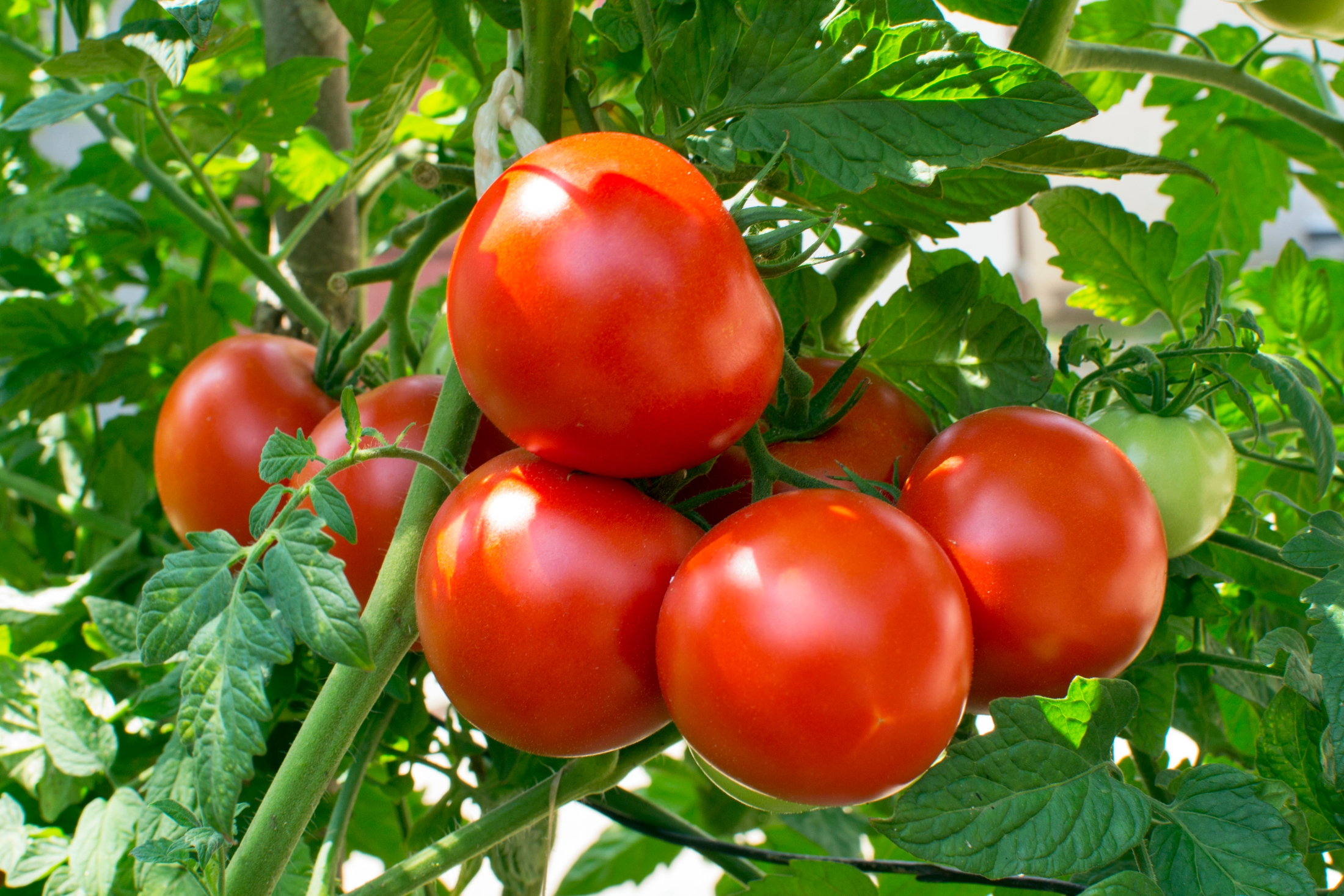
Ever tossed out the water after slicing tomatoes, thinking it's just… water? Think again! That seemingly humble liquid, often called tomato water, is actually a hidden gem that your garden (and your plants!) will absolutely adore. It's a surprisingly potent elixir, packed with nutrients and beneficial properties that can give your green friends a serious boost. Let’s explore how this simple byproduct can be a game-changer for your plant care routine.
What is Tomato Water and Why is it Good for Plants?
Tomato water, in its simplest form, is the liquid that's released when you slice, dice, or otherwise prepare fresh tomatoes. While it might look like plain water, it actually contains a surprising amount of nutrients and compounds that are extremely beneficial for plants. This is because the water leaches out vitamins, minerals, and even some sugars directly from the tomato flesh.
Here's a breakdown of why tomato water is a great addition to your plant care arsenal:
Nutrient Rich: Tomato water contains essential nutrients like potassium, phosphorus, calcium, and magnesium – all vital for healthy plant growth. These nutrients support root development, stem strength, and overall plant vitality. Slightly Acidic p H: Most plants thrive in slightly acidic soil. Tomato water naturally has a slightly acidic p H, which can help improve nutrient availability in the soil, especially for acid-loving plants like blueberries, azaleas, and hydrangeas. Natural Fertilizer: Because of its nutrient content, tomato water acts as a mild, natural fertilizer. Regular use can supplement your regular feeding schedule and promote healthier, more vigorous growth. Reduces Waste: Using tomato water is a fantastic way to reduce food waste. Instead of tossing it down the drain, you're repurposing it to nourish your plants – a win-win! Improves Soil Health:The minerals and organic matter in tomato water can help improve the overall health and structure of your soil, encouraging beneficial microbial activity.
Specific Nutrients in Tomato Water and Their Benefits
Let's delve a little deeper into the specific nutrients you'll find in tomato water and how they benefit your plants:
Potassium (K): This is a crucial nutrient for plant health, playing a vital role in photosynthesis, fruit and flower development, and water regulation within the plant. Potassium deficiency can lead to stunted growth, yellowing leaves, and poor fruit production. Phosphorus (P): Essential for root development, strong stems, and flower and fruit formation. Phosphorus helps plants establish a strong foundation and encourages abundant blooms and harvests. Calcium (Ca): Important for cell wall structure and overall plant strength. Calcium deficiency can lead to blossom-end rot in tomatoes and other fruits, as well as stunted growth and leaf abnormalities. Magnesium (Mg): Plays a key role in chlorophyll production, which is essential for photosynthesis. Magnesium deficiency can cause yellowing between the veins of older leaves. Trace Minerals:Tomato water also contains small amounts of other beneficial trace minerals like iron, zinc, and manganese, which are necessary for various enzymatic processes within the plant.
A simple experiment in your own garden can show the benefits. Try watering one tomato plant with regular water and the other with tomato water, and see how beneficial using tomato water on tomato plants can be. Keep in mind that this will work for a variety of plants as well.
How to Collect and Use Tomato Water for Plants
Collecting and using tomato water is incredibly simple. Here's a step-by-step guide:
1.Collect the Water: Whenever you're slicing or dicing tomatoes, place a bowl or container underneath to catch the liquid. This is the tomato water.
2.Strain the Water (Optional): If you prefer, you can strain the tomato water through a fine-mesh sieve or cheesecloth to remove any small pieces of tomato flesh or seeds. While these bits won't harm your plants, some people prefer a cleaner liquid.
3.Dilute the Water: Tomato water is best used diluted. A general rule of thumb is to mix one part tomato water with one to two parts plain water. This helps prevent over-fertilization or potential imbalances.
4.Water Your Plants: Use the diluted tomato water to water your plants as you normally would. Pour it directly onto the soil, avoiding the leaves to prevent fungal issues.
5.Frequency: You can use tomato water every one to two weeks as a supplement to your regular watering and fertilizing schedule.
Tips and Precautions for Using Tomato Water
While tomato water is generally safe and beneficial, here are a few tips and precautions to keep in mind:
Use Fresh Tomato Water: It's best to use tomato water as soon as possible after collecting it. If you can't use it immediately, store it in the refrigerator for up to a day or two. Avoid Using Heavily Salted Tomatoes: If you heavily salt your tomatoes when preparing them, the resulting water might be too salty for your plants. In this case, it's best to skip using that batch of water. Observe Your Plants: Pay attention to how your plants respond to the tomato water. If you notice any signs of over-fertilization (e.g., burnt leaf tips, excessive growth), reduce the frequency or concentration. Test on a Small Area First: Before using tomato water on all of your plants, test it on a small area first to ensure that they tolerate it well. Don't Use Moldy Tomatoes: If your tomatoes are moldy or rotten, don't use the water. The mold or bacteria could harm your plants. Consider Your Soil: If you have alkaline soil, the slightly acidic tomato water can be especially beneficial. If your soil is already acidic, use caution and monitor your plants closely.
Here's a handy chart for quick reference:
| Aspect | Recommendation |
|---|---|
| ----------------- | ---------------------------------------------------- |
| Collection | Use a clean bowl or container |
| Straining | Optional, for a cleaner liquid |
| Dilution | 1 part tomato water to 1-2 parts plain water |
| Frequency | Every 1-2 weeks |
| Storage | Refrigerate for up to 1-2 days |
| Salting | Avoid using water from heavily salted tomatoes |
| Observation | Monitor plants for any signs of over-fertilization |
What Plants Benefit Most from Tomato Water?
While tomato water can benefit a wide variety of plants, some plants particularly thrive with its use. These include:
Tomatoes: It's a bit meta, but tomato plants love tomato water! The nutrients in the water can help boost their growth, fruit production, and overall health. Peppers: Like tomatoes, peppers are heavy feeders and benefit from the extra nutrients in tomato water. Eggplants: Eggplants also appreciate the nutrient boost, which can lead to larger, more abundant harvests. Acid-Loving Plants: Plants like blueberries, azaleas, hydrangeas, and rhododendrons thrive in acidic soil. Tomato water can help maintain the acidity they need. Flowering Plants:The phosphorus in tomato water can promote abundant blooms in flowering plants like roses, petunias, and geraniums.
However, be mindful when using it on succulents or plants that prefer drier conditions. The extra moisture could lead to root rot. Use it sparingly on these types of plants.
Speaking of growing plants, if you're looking for a convenient way to grow herbs and vegetables indoors, consider theAhopegarden Indoor Garden Hydroponics Growing System:10 Pods Plant Germination Kit Aeroponic Herb Vegetable Growth Lamp Countertop with LED Grow Light - Hydrophonic Planter Grower Harvest Lettuce. This hydroponic system makes it easy to cultivate your favorite greens right on your countertop! Find it on Amazon here: https://amzn.to/3RPpa Sk. Or consider this innovative indoor garden planter for fresh herbs and veggies year-round.
Case Study: Tomato Water for Tomato Plants
A local gardener decided to experiment with using tomato water on a portion of their tomato plants. They divided their tomato patch into two groups: one group received regular watering and fertilization, while the other group received the same treatment plus a weekly application of diluted tomato water. Here are the results:
Tomato Water Group:
Showed visibly stronger stems and leaves.
Produced a higher yield of tomatoes (approximately 20% more).
Experienced fewer instances of blossom-end rot.
Exhibited a slightly earlier harvest time.
Control Group:
Grew at a slower pace.
Produced a lower yield of tomatoes.
Experienced more instances of blossom-end rot.
This real-world example demonstrates the potential benefits of using tomato water as a supplement to your regular plant care routine. While results may vary depending on soil conditions, climate, and plant variety, the study clearly indicates that tomato water can have a positive impact on plant growth and productivity.
Conclusion: Embrace the Power of Tomato Water for Healthy Plants
So, next time you're enjoying a delicious tomato salad or sauce, don't throw away that precious tomato water! This simple byproduct is a hidden treasure that can provide your plants with essential nutrients, improve soil health, and reduce waste. With just a little effort, you can harness the power of tomato water to create a thriving and vibrant garden. Your plants will thank you!