Are you dreaming of juicy, sun-ripened tomatoes bursting with flavor, but lack the space or the time for a traditional garden? Or perhaps you're tired of constantly worrying about whether your tomato plants are getting enough water? Then, the world of self-watering containers might just be your gardening salvation! Let's dive in and explore how you can grow amazing tomatoes using this clever and convenient method. The Magic of Self Watering Containers for Tomato Plants Self-watering containers, sometimes called sub-irrigated planters (SIPs), are designed to provide a consistent and reliable water supply to your plants, minimizing the need for frequent watering and dramatically reducing water waste. For tomato plants, which are known for their thirstiness, this can be a game-changer! The beauty of a tomato plant self watering container lies in its simplicity and efficiency. It essentially creates a mini-reservoir beneath the soil, allowing the plant...
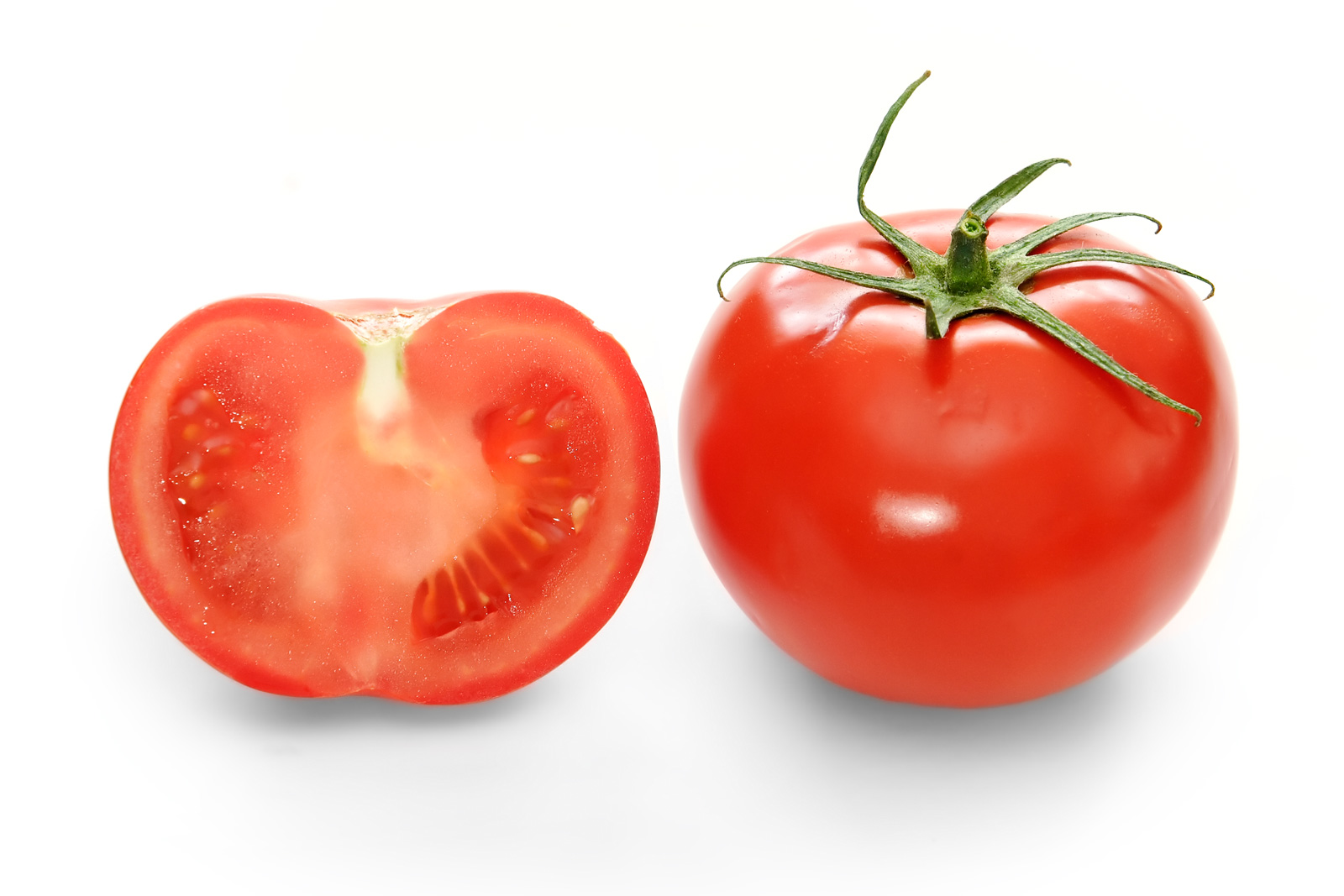
Starting your own tomato plants from seed is incredibly rewarding, but choosing the right soil mix can make or break your success. It's not as simple as grabbing any old bag of potting soil; tomato seeds need a specific environment to thrive. Let's dive into the world oftomato seed soil and discover the secrets to healthy seedlings!
Understanding the Needs of Tomato Seeds
Tomato seeds are tiny powerhouses packed with the potential to become vibrant, fruit-bearing plants. However, they are also incredibly vulnerable in their early stages. The right soil mix is essential for providing the necessary support and nutrients for germination and initial growth. We need to consider several factors to ensure the tomato seeds can germinate successfully and grow into strong seedlings. This includes drainage, nutrients and sterilization.
Why You Can't Just Use Garden Soil for Tomato Seeds
Garden soil, while great for established plants, is generally too dense and heavy for delicate tomato seeds. It often contains weed seeds, pests, and diseases that can harm or kill young seedlings. Furthermore, garden soil tends to compact easily, which can restrict root growth and lead to waterlogging. Here's a breakdown:
- Poor Drainage: Garden soil often retains too much water, leading to root rot.
- Compaction: Dense soil makes it difficult for roots to penetrate and access nutrients.
- Pests and Diseases: Garden soil may harbor harmful organisms that can attack seedlings.
- Weed Seeds: You don't want to compete with weeds before your tomato seedlings even emerge!
The Ideal Soil Mix for Tomato Seeds: A Recipe for Success
The idealtomato seed starting mix is light, airy, well-draining, and sterile. A common and effective recipe involves a blend of:
- Peat Moss (or Coco Coir): These provide excellent water retention and aeration. Peat moss is a classic choice, but coco coir is a more sustainable alternative made from coconut husks.
- Vermiculite: This mineral helps retain moisture and nutrients, and also provides good aeration.
- Perlite: This volcanic glass improves drainage and aeration, preventing the soil from becoming compacted.
A good ratio is typically 1:1:1 of peat moss (or coco coir), vermiculite, and perlite. You can also find pre-made seed starting mixes that contain these ingredients already blended in the correct proportions. These mixes are specifically formulated to provide the ideal environment for germination. Look for labels that explicitly state "seed starting mix" or "germination mix." Consider using a high-qualitysoil mix for tomato seeds to ensure optimal growth.
Sterilizing Your Tomato Seed Soil
Sterilizing your soil mix is crucial to kill any harmful pathogens that could affect your seedlings. While you can purchase sterile mixes, sterilizing your own is a cost-effective option. Here's how:
- Moisten the soil mix: It should be damp but not soggy.
- Place the mix in a heat-safe container, such as a baking dish.
- Cover the container with foil.
- Bake the soil in a preheated oven at 180-200°F (82-93°C) for 30 minutes.
- Let the soil cool completely before using.
Important Note: Be careful not to overheat the soil, as this can release harmful chemicals. Also, the smell can be quite strong, so ensure adequate ventilation.
Nutrient Considerations for Tomato Seed Soil
While tomato seeds contain enough nutrients to get them started, seedlings will eventually need a boost. A seed starting mix is usually very low in nutrients to discourage algae growth, as algae can compete with your small seedlings. Because seed starting mixes are low in nutrients, it is important to provide a weak liquid fertilizer once the seedlings have developed their first set of "true leaves" (the leaves that look like miniature tomato leaves, not the initial seed leaves or cotyledons). A balanced fertilizer diluted to half strength is a good choice. Alternatively, consider using a seed starting mix that contains a slow-release fertilizer.
Here's a general fertilization schedule:
- Before Germination: No fertilizer needed.
- After Germination, Before True Leaves: No fertilizer needed.
- After True Leaves Appear: Begin fertilizing with a diluted liquid fertilizer every 1-2 weeks.
Look for fertilizers specifically formulated for seedlings or transplants. Avoid over-fertilizing, as this can damage young roots. Consider using a high-qualitytomato seed soil mix enriched with essential nutrients to promote vigorous growth.
Troubleshooting Common Tomato Seedling Problems Related to Soil
Even with the bestsoil mix for tomato seeds, problems can sometimes arise. Here are some common issues and how to address them:
- Damping Off: This fungal disease causes seedlings to collapse and die. Prevent it by using sterile soil, providing good air circulation, and avoiding overwatering.
- Leggy Seedlings: This happens when seedlings don't receive enough light and stretch towards the nearest source. Provide supplemental lighting or move seedlings to a sunnier location.
- Yellowing Leaves: This could indicate a nutrient deficiency or overwatering. Adjust your watering schedule and consider fertilizing.
- Slow Growth: This can be caused by poor soil quality, inadequate light, or cold temperatures. Address each factor accordingly.
If you are looking for a way to start your tomato seeds indoors without the hassle of dealing with traditional soil, you might want to consider an aeroponic growing system like theAhopegarden Indoor Garden Hydroponics Growing System: 10 Pods Plant Germination Kit. This herb vegetable growth lampoffers a controlled environment for plant germination, providing the ideal conditions for your tomato seeds to thrive. You can find it here:https://amzn.to/3RPpa Sk.
Conclusion: Setting Your Tomato Seeds Up for Success
Choosing the righttomato seed soil is a crucial first step in growing healthy and productive tomato plants. By understanding the needs of tomato seeds and providing them with a light, airy, well-draining, and sterile environment, you'll dramatically increase your chances of success. Happy gardening!