Are you dreaming of juicy, sun-ripened tomatoes bursting with flavor, but lack the space or the time for a traditional garden? Or perhaps you're tired of constantly worrying about whether your tomato plants are getting enough water? Then, the world of self-watering containers might just be your gardening salvation! Let's dive in and explore how you can grow amazing tomatoes using this clever and convenient method. The Magic of Self Watering Containers for Tomato Plants Self-watering containers, sometimes called sub-irrigated planters (SIPs), are designed to provide a consistent and reliable water supply to your plants, minimizing the need for frequent watering and dramatically reducing water waste. For tomato plants, which are known for their thirstiness, this can be a game-changer! The beauty of a tomato plant self watering container lies in its simplicity and efficiency. It essentially creates a mini-reservoir beneath the soil, allowing the plant...
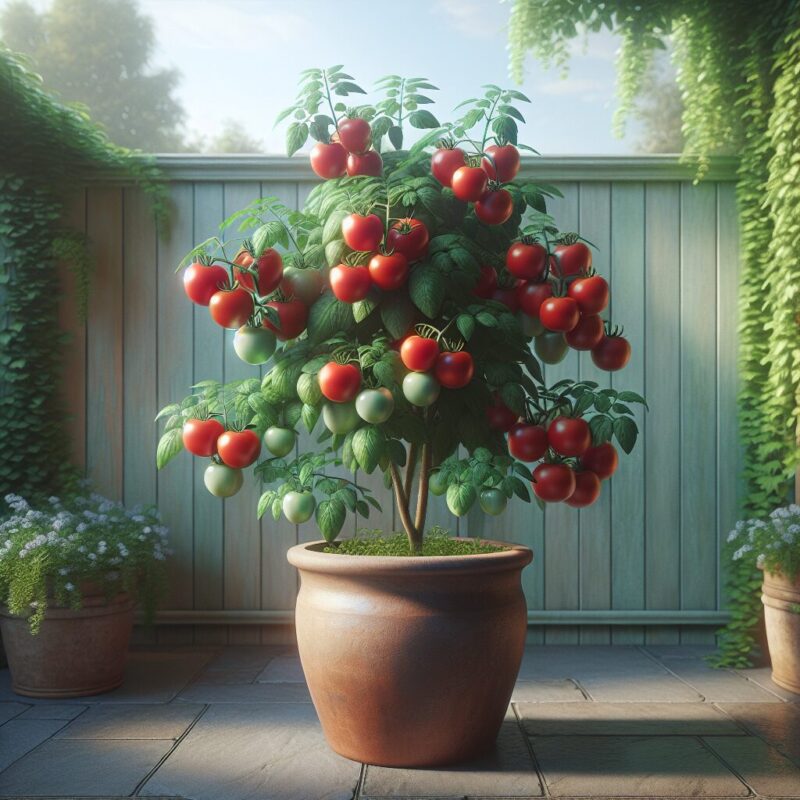
The idea of squeezing more life into less space is something that appeals to most gardeners, especially those working with limited areas. One question that pops up frequently is whether you can successfully plant two tomato plants in a single pot. Well, let's dive into the world of container gardening and explore the possibilities, challenges, and best practices for attempting this ambitious endeavor.
Can You Really Plant Two Tomato Plants in One Container?
The short answer is yes, youcanplant two tomato plants in one pot. However, the more nuanced answer is that it's not always ideal, and success depends heavily on several factors. Planting multiple tomato plants in a single container can work, but it requires careful planning, specific plant choices, and diligent maintenance. You are essentially asking your plants to share resources, and if these are limited, you may end up with stunted growth and a diminished harvest. Let's explore how to increase your odds of success.
Factors Influencing Success of Planting Two Tomato Plants Together
Several factors influence the success of growing two tomato plants in a single pot. Understanding these variables is crucial for making informed decisions and providing the optimal environment for your plants to thrive. Let's break down the key elements:
- Pot Size: This is perhaps the most critical factor. You need alargepot. A general rule of thumb is to provide at least 20 gallons of soil volume for two tomato plants. Anything smaller, and the roots will compete fiercely for space and nutrients.
- Tomato Variety: Some varieties are more suited to container gardening than others. Determinate (bush) tomatoes are generally a better choice than indeterminate (vining) tomatoes. Determinate varieties have a more compact growth habit and reach a predetermined size, whereas indeterminate varieties continue to grow and produce fruit throughout the season, requiring extensive pruning and support. Combining one determinate and one indeterminate could work, but it adds complexity to pruning.
- Soil Quality: Use a high-quality potting mix that is well-draining and nutrient-rich. Avoid garden soil, as it can become compacted in containers and hinder drainage. Amend your potting mix with compost or other organic matter to provide essential nutrients.
- Watering and Fertilizing: Plants sharing a pot will require more frequent watering and fertilization than those grown individually. Monitor the soil moisture levels regularly and water deeply when the top inch or two feels dry. Use a balanced fertilizer specifically formulated for tomatoes, following the instructions carefully.
- Sunlight: Tomato plants need at least 6-8 hours of direct sunlight per day to produce abundant fruit. Ensure that your container receives adequate sunlight, and rotate the pot regularly to promote even growth.
- Pruning and Support: Proper pruning is essential for maintaining airflow and preventing disease, especially when planting two tomato plants together. Remove suckers (the small shoots that grow between the main stem and branches) regularly. Provide sturdy support, such as stakes or cages, to keep the plants upright and prevent them from collapsing under the weight of the fruit.
Choosing the Right Tomato Varieties for Companion Planting in Containers
Selecting the right tomato varieties is paramount to achieving success when planting two tomato plants in one pot. Companion planting principles can be adapted to container gardening, although space is a significant constraint. Here are some considerations:
- Determinate vs. Indeterminate: As mentioned earlier, determinate varieties are generally better suited for container gardening due to their compact growth habit. Popular determinate varieties include Roma, Celebrity, and Patio. If you're set on growing an indeterminate variety, consider a smaller, bushier type like a dwarf indeterminate.
- Growth Habit Compatibility: Consider the growth habits of the varieties you choose. Avoid planting two overly vigorous varieties together, as they will compete fiercely for resources. A good approach is to combine a more compact variety with a slightly taller one, or to plant two varieties with different growth rates.
- Disease Resistance: Opt for disease-resistant varieties to minimize the risk of disease outbreaks, which can quickly spread between plants in close proximity. Look for varieties labeled with resistance to common tomato diseases, such as Verticillium wilt (V), Fusarium wilt (F), and Tomato mosaic virus (To MV).
- Consider these specific pairings:
- Roma & San Marzano: Both are determinate paste tomatoes, ideal for sauces.
- Early Girl & Bush Early Girl: A vining type with a bush type.
Remember to research the specific characteristics of each variety before planting to ensure compatibility and maximize your chances of success.
Step-by-Step Guide to Planting Two Tomato Plants in One Pot
Here's a step-by-step guide to planting two tomato plants in a single pot:
- Choose a large container: Select a pot that is at least 20 gallons in size. Make sure the pot has drainage holes to prevent waterlogging.
- Prepare the potting mix: Fill the pot with a high-quality potting mix, amended with compost or other organic matter.
- Position the plants: Dig two holes in the potting mix, spacing them evenly apart. Gently remove the tomato plants from their nursery pots and place them in the holes. Ensure that the top of the root ball is level with the soil surface.
- Backfill with soil: Fill the holes with potting mix, gently firming the soil around the plants.
- Water thoroughly: Water the plants deeply until water drains from the drainage holes.
- Add support: Install stakes or cages to provide support for the plants as they grow.
- Mulch: Add a layer of organic mulch around the base of the plants to help retain moisture and suppress weeds.
Caring for Two Tomato Plants in One Container
Once your tomato plants are planted, ongoing care is crucial for their health and productivity. Here are some essential care tips:
- Watering: Water deeply and regularly, especially during hot, dry weather. Check the soil moisture levels frequently and water when the top inch or two feels dry. Avoid overwatering, as this can lead to root rot.
- Fertilizing: Feed your tomato plants regularly with a balanced fertilizer specifically formulated for tomatoes. Follow the instructions on the fertilizer label carefully. You can also supplement with organic fertilizers, such as compost tea or fish emulsion.
- Pruning: Prune your tomato plants regularly to remove suckers and maintain airflow. Pruning helps to direct the plant's energy towards fruit production.
- Pest and Disease Control: Monitor your plants regularly for signs of pests or diseases. Take action promptly to address any issues. Common tomato pests include aphids, whiteflies, and tomato hornworms. Common diseases include early blight, late blight, and Septoria leaf spot. Use organic pest control methods whenever possible.
- Sunlight and Rotation: Ensure that your tomato plants receive at least 6-8 hours of direct sunlight per day. Rotate the pot regularly to promote even growth.
- Support: Provide sturdy support to prevent the plants from collapsing under the weight of the fruit. Use stakes, cages, or trellises to keep the plants upright.
Troubleshooting Common Problems When Growing Two Tomato Plants Together
Even with the best care, you may encounter some challenges when growing two tomato plants in one pot. Here are some common problems and how to address them:
- Stunted Growth: If your plants are not growing as vigorously as expected, it could be due to insufficient nutrients, water, or sunlight. Ensure that you are providing adequate resources and adjust your care routine accordingly.
- Yellowing Leaves: Yellowing leaves can be a sign of nutrient deficiencies, overwatering, or disease. Check the soil moisture levels, fertilize appropriately, and inspect the plants for signs of disease.
- Blossom End Rot: Blossom end rot is a common problem in tomatoes, characterized by a dark, leathery spot on the bottom of the fruit. It is caused by a calcium deficiency, which can be exacerbated by inconsistent watering. Ensure that you are watering regularly and evenly, and consider adding calcium to the soil.
- Pest Infestations: Monitor your plants regularly for signs of pests and take action promptly to address any infestations. Use organic pest control methods whenever possible.
- Disease Outbreaks: Disease outbreaks can quickly spread between plants in close proximity. Remove infected leaves or plants promptly to prevent the disease from spreading. Use disease-resistant varieties and practice good sanitation to minimize the risk of disease outbreaks.
Is Planting Two Tomato Plants Together Worth It?
Ultimately, the decision of whether to plant two tomato plants in one pot is a personal one. It offers potential space-saving benefits, but it requires more diligent care and may result in a slightly reduced yield compared to growing each plant in its own container. If you're willing to put in the extra effort and carefully consider the factors discussed above, planting two tomato plants together can be a rewarding and space-efficient way to enjoy fresh, homegrown tomatoes.
If you're short on space and looking for an alternative to traditional gardening, you might want to check out the Ahopegarden Indoor Garden Hydroponics Growing System. This indoor hydroponics garden provides a soilless growing experience, letting you cultivate herbs and vegetables right on your countertop! With the Ahopegarden grow kit, even harvesting lettuce is easy. Learn more here: https://amzn.to/3RPpa Sk.