Are you dreaming of juicy, sun-ripened tomatoes bursting with flavor, but lack the space or the time for a traditional garden? Or perhaps you're tired of constantly worrying about whether your tomato plants are getting enough water? Then, the world of self-watering containers might just be your gardening salvation! Let's dive in and explore how you can grow amazing tomatoes using this clever and convenient method. The Magic of Self Watering Containers for Tomato Plants Self-watering containers, sometimes called sub-irrigated planters (SIPs), are designed to provide a consistent and reliable water supply to your plants, minimizing the need for frequent watering and dramatically reducing water waste. For tomato plants, which are known for their thirstiness, this can be a game-changer! The beauty of a tomato plant self watering container lies in its simplicity and efficiency. It essentially creates a mini-reservoir beneath the soil, allowing the plant...
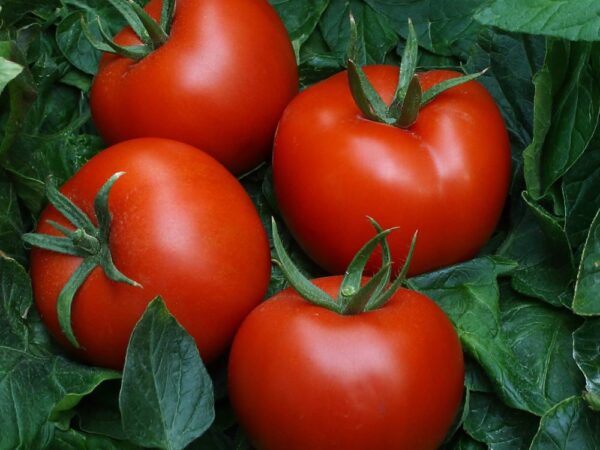
Picture this: a summer garden bursting with juicy, sun-ripened tomatoes, so plentiful you're practically swimming in fresh Caprese salads and homemade pasta sauce. The secret to this tomato abundance? It all starts with choosing the right seeds. Let's dive into the wonderful world of indeterminate tomato seeds and how to find the perfect ones for your garden.
Indeterminate Tomato Seeds: What Makes Them Special?
Indeterminate tomatoes are the marathon runners of the tomato world. Unlike their determinate cousins (also known as bush tomatoes), which grow to a fixed size and produce their fruit all at once, indeterminate tomato plants just keep on growing and producing fruit throughout the entire growing season, until frost hits. This means a potentially much larger yield and a longer harvest window. But this continuous growth habit comes with a few considerations, which we'll explore below.
Benefits of Choosing Indeterminate Tomato Varieties
The biggest draw of indeterminate tomatoes is the seemingly endless supply of delicious fruit. Here are some key advantages:
- Extended Harvest: Enjoy fresh tomatoes for weeks, even months, rather than a single, short burst.
- Higher Yield Potential: Because they continuously produce, indeterminate varieties generally yield significantly more tomatoes per plant.
- Variety of Flavors: Indeterminate tomatoes offer an astonishing range of flavors, sizes, and colors. From the tangy sweetness of a cherry tomato to the robust flavor of a beefsteak, there's an indeterminate tomato for every palate.
- Adaptability: Many indeterminate varieties are well-suited to container gardening with proper support, allowing even those with limited space to enjoy a bountiful tomato harvest.
Understanding Indeterminate Tomato Plant Needs
While the rewards are great, growing indeterminate tomatoes requires a bit more attention than determinate varieties. Here's what you need to keep in mind:
- Staking or Caging: Indeterminate tomato plants are vining plants, they can grow tall and heavy, reaching heights of 6-10 feet (or even more in some cases!). Strong support systems like sturdy stakes, tall tomato cages, or trellises are absolutely essential to prevent stems from breaking under the weight of the fruit and to keep the plants off the ground, reducing the risk of disease.
- Pruning: Regularly pruning suckers (the small shoots that grow in the "armpit" between the main stem and branches) is crucial. Removing suckers encourages the plant to focus its energy on producing fruit rather than foliage, leading to a better harvest. Most gardeners prune to a single or double leader.
- Fertilizing: Indeterminate tomatoes are heavy feeders. Regular fertilization with a balanced tomato fertilizer is necessary to support their continuous growth and fruit production. Use a fertilizer that is specifically formulated for tomatoes and follow the instructions on the label.
- Space: Give these plants plenty of room to grow. Space them at least 2-3 feet apart to allow for good air circulation and to prevent overcrowding.
Where to Find Indeterminate Tomato Seeds For Sale
Finding the right seeds is the first step to a successful tomato harvest. Luckily, indeterminate tomato seeds are widely available. Here's where to look:
Local Garden Centers and Nurseries
Your local garden center is an excellent starting point. They typically carry a selection of popular indeterminate tomato varieties suited to your region's climate. The staff can also provide valuable advice on choosing the right seeds and caring for your plants. Plus, supporting local businesses is always a good thing!
Online Seed Retailers
The internet opens up a world of possibilities when it comes to seed selection. Online retailers often offer a much wider variety of indeterminate tomato seeds than you'll find in local stores. This allows you to explore rare heirlooms, disease-resistant hybrids, and varieties specifically bred for certain climates or growing conditions. When buying online, look for reputable seed companies with good reviews and clear information about seed quality and germination rates.
Here's what to look for when choosing an online seed retailer:
- Seed Quality: Look for phrases like "heirloom tomato seeds", "non-GMO", "organically grown"
- Germination Rates: Check the company's guarantee on seed germination
- Customer Reviews: See what other gardeners have to say about their experience with the company and the seeds.
- Shipping Policies: Make sure the company ships to your location and has reasonable shipping rates.
Seed Exchanges and Swaps
Seed exchanges and swaps are a fantastic way to discover unique and interesting tomato varieties, often at little or no cost. These events bring together gardeners to share seeds, knowledge, and gardening experiences. You might find rare heirloom varieties that aren't available commercially, and you'll get the chance to connect with other tomato enthusiasts.
Saving Your Own Tomato Seeds
For the truly adventurous gardener, saving your own tomato seeds is a rewarding experience. It allows you to preserve your favorite varieties and adapt them to your specific growing conditions over time. However, it's important to note that saving seeds only works reliably with heirloom or open-pollinated varieties. Hybrid tomatoes won't "breed true," meaning the seeds you save won't produce plants identical to the parent plant.
Popular Indeterminate Tomato Varieties to Consider
With so many indeterminate tomato varieties to choose from, it can be overwhelming to know where to start. Here are a few popular and reliable options to consider:
- 'Brandywine': Known for its exceptional flavor and large, beefsteak-type fruits. Requires a long growing season.
- 'Cherokee Purple': An heirloom variety with dusky pink fruits and a rich, complex flavor.
- 'Sungold': A super-sweet golden cherry tomato that's a favorite among gardeners and chefs.
- 'San Marzano': A classic Italian plum tomato, perfect for making sauces and pastes.
- 'Early Girl': A reliable early-season variety that's known for its good flavor and disease resistance.
- 'Black Krim': A unique heirloom with dark, almost black fruits and a slightly salty flavor.
Tips for Successfully Growing Indeterminate Tomatoes
Here are some additional tips to help you achieve a bountiful harvest of indeterminate tomatoes:
- Start Seeds Indoors: Start your tomato seeds indoors 6-8 weeks before the last expected frost. This gives them a head start on the growing season.
- Harden Off Seedlings: Before transplanting your seedlings outdoors, gradually acclimate them to the outdoor conditions over a period of 1-2 weeks. This process, called "hardening off," helps them adjust to the sun, wind, and temperature fluctuations.
- Plant Deeply: When transplanting your tomato seedlings, plant them deeply, burying the stem up to the first set of leaves. This encourages the development of roots along the buried stem, resulting in a stronger and more productive plant.
- Water Consistently: Tomatoes need consistent watering, especially during hot, dry weather. Water deeply and regularly, aiming for about 1-2 inches of water per week.
- Mulch Around Plants: Apply a layer of mulch around your tomato plants to help retain moisture, suppress weeds, and regulate soil temperature. Organic mulches like straw, hay, or shredded leaves are excellent choices.
- Protect from Pests and Diseases: Monitor your tomato plants regularly for signs of pests and diseases. Take action promptly to prevent problems from spreading. Common tomato pests include aphids, tomato hornworms, and whiteflies. Common diseases include early blight, late blight, and blossom end rot.
Getting a Head Start on Growing Your Own Tomatoes
If you're eager to start growing your own herbs and vegetables, even before the outdoor growing season begins, you might consider an indoor hydroponics system. The Ahopegarden Indoor Garden Hydroponics Growing System, a 10-pod plant germination kit with an aeroponic herb and vegetable growth lamp, is a fantastic way to cultivate lettuce and other greens right on your countertop. You can find this indoor gardening kit with LED grow light here: https://amzn.to/3RPpa Sk.
Conclusion
Growing indeterminate tomatoes can be a truly rewarding experience. With a little planning, attention, and the right seeds, you can enjoy a continuous harvest of delicious, homegrown tomatoes all season long. So, get out there, explore the world of indeterminate tomato seeds for sale, and start growing your own slice of tomato paradise!