Are you dreaming of juicy, sun-ripened tomatoes bursting with flavor, but lack the space or the time for a traditional garden? Or perhaps you're tired of constantly worrying about whether your tomato plants are getting enough water? Then, the world of self-watering containers might just be your gardening salvation! Let's dive in and explore how you can grow amazing tomatoes using this clever and convenient method. The Magic of Self Watering Containers for Tomato Plants Self-watering containers, sometimes called sub-irrigated planters (SIPs), are designed to provide a consistent and reliable water supply to your plants, minimizing the need for frequent watering and dramatically reducing water waste. For tomato plants, which are known for their thirstiness, this can be a game-changer! The beauty of a tomato plant self watering container lies in its simplicity and efficiency. It essentially creates a mini-reservoir beneath the soil, allowing the plant...
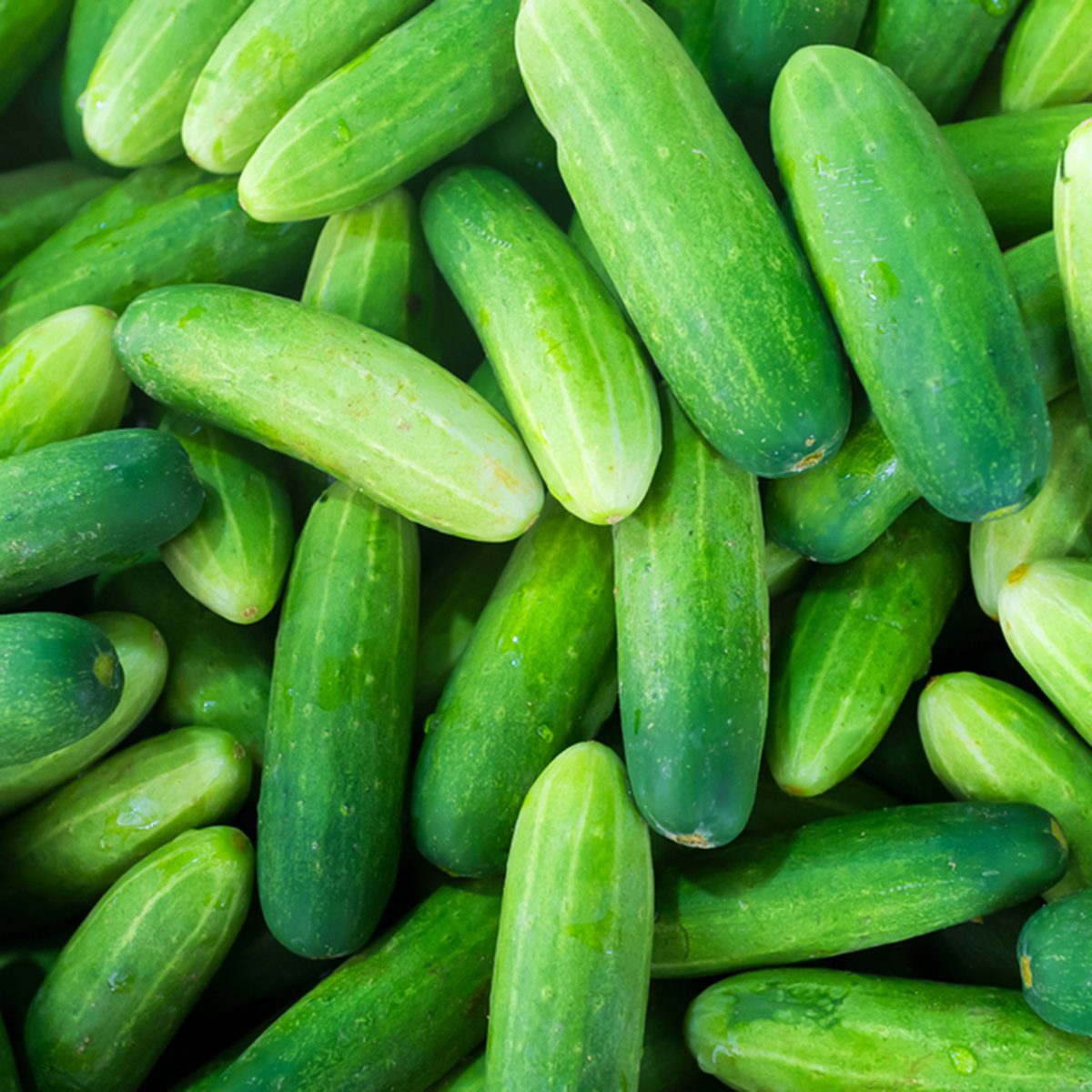
Have you ever watched a cucumber plant sprawl haphazardly across your garden, taking up precious space and potentially succumbing to pests and diseases? Or perhaps you've struggled to find the perfect support system for your climbing cucumbers? If so, you're not alone! Many gardeners face this challenge, but the solution might be simpler than you think: the humble tomato cage.
The Unexpected Synergy: Cucumber Plants and Tomato Cages
While the name might suggest exclusivity to tomatoes, thetomato cage can be a surprisingly effective and versatile support structure for yourcucumber plants. Let's delve into why and how you can successfully use a tomato cage to cultivate thriving cucumbers.
Why Use a Tomato Cage for Your Cucumber Plant?
The benefits of using atomato cage for cucumber support are numerous, ranging from improved air circulation to easier harvesting. Here are some key advantages:
- Space Saving: Cucumbers are natural climbers. Without support, they'll sprawl across the ground, taking up valuable garden real estate. Cages allow them to grow vertically, maximizing your space and potentially doubling or tripling the yield from the same area.
- Improved Air Circulation: Ground-hugging cucumber vines are prone to fungal diseases due to poor air circulation. Elevating the plant off the ground with a cage significantly improves airflow, reducing the risk of diseases like powdery mildew.
- Easier Harvesting: Bending over to pick cucumbers hidden beneath a tangle of vines can be back-breaking work. Cages bring the fruits up to a more accessible height, making harvesting a breeze and preventing cucumbers from rotting on the ground.
- Pest Control: Ground-dwelling pests like slugs and snails find it harder to reach cucumbers when they're elevated on a cage. This can reduce pest damage and the need for pesticides.
- Increased Sunlight Exposure: A caged cucumber plant enjoys better sunlight exposure, leading to more vigorous growth and higher yields.
Consider this: studies have shown that vertically grown vegetables often produce significantly more fruit per square foot than those grown horizontally. For instance, in a controlled experiment, caged cucumber plants yielded up to 40% more cucumbers compared to uncaged plants, with the added benefit of reduced fungal diseases. This is a tangible demonstration of the impact of vertical gardening techniques.
Choosing the Right Tomato Cage for Your Cucumbers
Not all tomato cages are created equal. Selecting the appropriate size and material is crucial for successfulcucumber plant support. Here's what to consider:
Size Matters: Height and Diameter
Cucumbers can grow quite tall, some varieties reaching 6-8 feet in height. Therefore, choose a tomato cage that is tall enough to accommodate the mature size of your chosen cucumber variety. A cage that's too short will force the plant to sprawl over the top, negating the benefits of vertical growth. Look for cages that are at least 4-5 feet tall for most cucumber varieties. The diameter should also be sufficient to allow for adequate airflow and prevent overcrowding of the vines. A diameter of 18-24 inches is generally a good starting point.
Material Considerations: Durability and Longevity
Tomato cages are typically made from metal, plastic, or wood. Metal cages are the most durable and long-lasting, especially those made from galvanized steel or powder-coated metal. Plastic cages are less expensive but may not be as sturdy or long-lasting. Wooden cages can be attractive but are susceptible to rot and may require more maintenance. Consider the weight of a mature cucumber plant laden with fruit. A flimsy cage will buckle under the pressure, defeating its purpose.
Cage Design: Openings and Stability
The design of the cage is also important. Choose a cage with openings large enough for you to easily reach in and harvest the cucumbers. Some cages have adjustable arms or clips that can be used to further support the vines. Stability is paramount. Make sure the cage is sturdy enough to withstand wind and the weight of the plant. You can anchor the cage to the ground using stakes or rebar for added stability.
Setting Up Your Cucumber Plant with a Tomato Cage
Proper setup is essential to ensure yourcucumber plant thrives with itstomato cage support. Here's a step-by-step guide:
- Planting: Plant your cucumber seedlings or seeds directly in the ground near the chosen location for the tomato cage. Consider planting 2-3 seeds per cage, thinning to the strongest seedling once they emerge.
- Installing the Cage: Position the tomato cage around the seedling as soon as possible. Gently guide the emerging vines through the openings of the cage. This encourages them to climb upwards naturally. Make sure the cage is firmly anchored in the soil. Push it down several inches into the ground for stability.
- Training the Vines: As the cucumber plant grows, gently guide the vines through the openings in the cage. You may need to use plant ties or clips to secure them to the cage in some areas. Be careful not to damage the delicate vines.
- Watering and Fertilizing: Water your cucumber plants regularly, especially during hot, dry weather. Fertilize them with a balanced fertilizer every few weeks. A well-nourished plant will produce more fruit and be more resistant to pests and diseases.
- Pruning (Optional): Some gardeners choose to prune their cucumber plants to encourage more fruit production. This involves removing suckers (small shoots that grow from the base of the plant) and unproductive vines. Pruning can improve air circulation and sunlight exposure, leading to healthier and more productive plants.
It's worth noting that the specific needs of your cucumber plant will depend on the variety you're growing. Some varieties are more vigorous climbers than others, and some may require more support than others. Observe your plants carefully and adjust your setup as needed.
Alternative Support Options: Beyond the Tomato Cage
Whileusing a tomato cage for your cucumber is a great solution, it's not the only option. Other viable support systems include:
- Trellises: Trellises offer a larger surface area for the vines to climb and can be particularly useful for growing multiple cucumber plants in a row.
- Arbors: Arbors create a beautiful and functional support system for cucumbers, providing shade and adding an aesthetic touch to your garden.
- Fences: If you have a sturdy fence, you can train your cucumber vines to climb along it.
- DIY Structures: You can create your own support systems using materials like bamboo poles, wooden stakes, and chicken wire.
Ultimately, the best support system for your cucumbers will depend on your individual needs and preferences. Consider the size and shape of your garden, the type of cucumber you're growing, and your budget when making your decision.
Troubleshooting Common Cucumber Cage Issues
Even with the best intentions, you might encounter some challenges when using a tomato cage for your cucumbers. Here are some common issues and how to address them:
- Cage Instability: If the cage is wobbly, anchor it more securely by driving stakes into the ground around the base of the cage and attaching it with twine or wire.
- Vines Slipping: If the vines are constantly slipping down the cage, use plant ties or clips to secure them in place. You can also try wrapping twine around the cage to create a more textured surface for the vines to grip.
- Overcrowding: If the cucumber plant is becoming too dense and overcrowded, prune some of the leaves and vines to improve air circulation and sunlight exposure.
- Fruit Rotting: If cucumbers are rotting on the ground, ensure the vines are properly supported and the fruits are not touching the soil. You can also place a layer of mulch or straw around the base of the plant to prevent soil splash.
Remember that gardening is a learning process. Don't be afraid to experiment and adjust your approach as needed. With a little patience and attention, you can successfully grow healthy and productive cucumber plants using tomato cages or other support systems.
Looking for an alternative way to grow herbs or vegetables, even without a garden? Consider the Ahopegarden Indoor Garden Hydroponics Growing System. This indoor herb garden kit allows you to grow fresh lettuce and other plants right on your countertop! It's an ideal way to have fresh herbs even if you don't have the space for an outdoor garden. You can find it on Amazon here: https://amzn.to/3RPpa Sk