Are you dreaming of juicy, sun-ripened tomatoes bursting with flavor, but lack the space or the time for a traditional garden? Or perhaps you're tired of constantly worrying about whether your tomato plants are getting enough water? Then, the world of self-watering containers might just be your gardening salvation! Let's dive in and explore how you can grow amazing tomatoes using this clever and convenient method. The Magic of Self Watering Containers for Tomato Plants Self-watering containers, sometimes called sub-irrigated planters (SIPs), are designed to provide a consistent and reliable water supply to your plants, minimizing the need for frequent watering and dramatically reducing water waste. For tomato plants, which are known for their thirstiness, this can be a game-changer! The beauty of a tomato plant self watering container lies in its simplicity and efficiency. It essentially creates a mini-reservoir beneath the soil, allowing the plant...
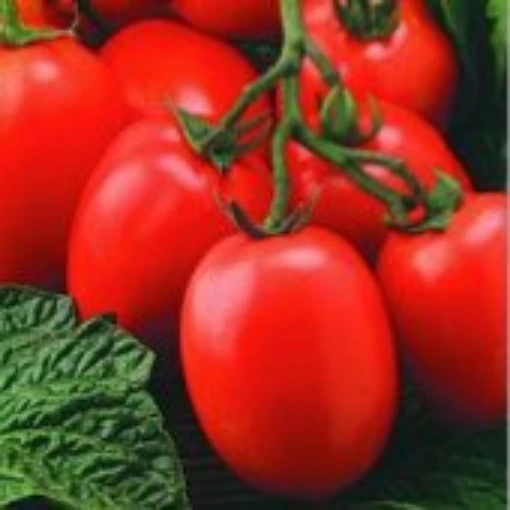
Imagine biting into a sun-ripened tomato, bursting with flavor, that you grew yourself – even if you only have a small balcony or patio! That dream is entirely achievable with the right variety and a little know-how. Today, we're diving deep into the wonderful world of growing Window Box Roma Tomato Seeds, a perfect solution for urban gardeners and anyone looking to enjoy fresh tomatoes in a limited space.
Window Box Roma Tomato Seeds: The Perfect Choice for Small Spaces
Why choose Window Box Roma Tomato Seeds over other varieties? The answer lies in their compact size and prolific nature. Roma tomatoes, in general, are known for their paste-like texture and rich flavor, making them ideal for sauces, canning, and, of course, fresh eating. Window Box Romas take these qualities and package them into a plant that's perfectly suited for container gardening, including window boxes, as the name suggests.
Unlike sprawling indeterminate tomato varieties that require extensive staking and lots of space, Window Box Roma tomatoes are determinate. This means they grow to a certain size (typically around 1-2 feet tall) and then stop, producing a concentrated harvest all at once. This characteristic is a huge advantage when space is at a premium. Their smaller size also means they require less support, making them easier to manage in a window box or small container.
Benefits of Growing Window Box Roma Tomatoes
There are several compelling reasons to choose Window Box Roma Tomato Seeds for your garden:
- Compact Size: Perfect for window boxes, balconies, patios, and small gardens.
- Determinate Growth Habit: No need for extensive staking or pruning.
- High Yield: Despite their small size, these plants produce a surprising amount of fruit.
- Disease Resistance: Roma tomatoes are generally resistant to common tomato diseases.
- Excellent Flavor: The classic Roma taste is perfect for sauces, canning, and fresh eating.
- Easy to Grow: Ideal for beginner gardeners.
Growing your own tomatoes, even on a small scale, provides fresh, flavorful produce and reduces your carbon footprint. It's also incredibly rewarding to watch your plants grow and produce delicious fruits.
Germinating Window Box Roma Tomato Seeds
The first step to a successful harvest is proper germination. You can either direct sow the seeds into your window box or container, or start them indoors for a head start. Starting indoors is generally recommended, especially in colder climates, as it allows you to control the environment and get a jump on the growing season.
Here's a step-by-step guide to germinating your Window Box Roma Tomato Seeds:
- Gather Your Supplies: You'll need seed starting trays or small pots, seed starting mix (a light, well-draining mix), a spray bottle, and a heat mat (optional, but recommended).
- Sow the Seeds: Fill the trays or pots with seed starting mix and moisten it with the spray bottle. Sow the seeds about ¼ inch deep and gently cover them with soil.
- Provide Warmth and Moisture: Place the trays or pots on a heat mat (if using) and cover them with a clear plastic lid or plastic wrap to create a humid environment. Keep the soil consistently moist, but not soggy.
- Wait for Germination: Germination typically takes 7-14 days. Once the seedlings emerge, remove the plastic cover and place them under grow lights or in a sunny window.
One of the keys to successful tomato germination is consistent moisture and warmth. Avoid letting the soil dry out completely, but also avoid overwatering, which can lead to fungal diseases.
Caring for Your Window Box Roma Tomato Plants
Once your seedlings have sprouted and developed a few sets of true leaves, it's time to transplant them into your window box or container. Choosing the right container and providing proper care are crucial for a bountiful harvest.
Choosing the Right Container and Soil
For Window Box Roma Tomato Seeds, select a container that is at least 12 inches deep and wide. This will provide enough space for the roots to grow and support the plant. Make sure the container has drainage holes to prevent waterlogging. When selecting the correct grow set up, there are some great options available! The Ahopegarden Indoor Garden Hydroponics Growing System provides an alternative if you want a pod-based, aeroponic environment. This hydroponic planter is a nice alternative if you are looking for a vegetable growth lamp to germinate herbs, lettuce and more. You can find it here: https://amzn.to/3RPpa Sk.
Use a high-quality potting mix specifically formulated for vegetables. Avoid using garden soil, as it can be too heavy and may contain diseases or pests. A good potting mix will provide adequate drainage and aeration, which are essential for healthy root growth. A good blend of peat moss, perlite, and vermiculite will provide plenty of nutrients.
Sunlight, Watering, and Fertilizing
Window Box Roma tomatoes need at least 6-8 hours of sunlight per day. Place your window box or container in a location that receives plenty of direct sunlight. If you don't have a sunny location, you can supplement with grow lights. It’s important to make sure the plants are getting proper light, because sunlight is a key component to plant growth.
Water your tomato plants regularly, especially during hot weather. Check the soil moisture daily and water when the top inch of soil feels dry. Avoid overwatering, which can lead to root rot. When watering, water at the base of the plant to avoid wetting the leaves, which can increase the risk of fungal diseases. Consider watering deeply and less frequently.
Fertilize your tomato plants every 2-3 weeks with a balanced fertilizer specifically formulated for tomatoes. Follow the instructions on the fertilizer label. You can also supplement with compost tea or other organic fertilizers.
Support and Pruning
While Window Box Roma tomatoes are relatively compact, they may still benefit from some support as they grow and produce fruit. You can use a small tomato cage or stakes to support the plants and prevent them from falling over. Determinate plants require minimum pruning, unlike indeterminate types. Remove any suckers that grow between the main stem and branches, but don’t prune heavily. Removing the bottom leaves will also help with air flow.
Harvesting and Enjoying Your Window Box Roma Tomatoes
Harvest time is the most rewarding part of growing your own tomatoes! Window Box Roma tomatoes are typically ready to harvest about 70-80 days after transplanting. The tomatoes will turn a deep red color and will be slightly soft to the touch when ripe.
Gently twist or cut the tomatoes from the plant, being careful not to damage the vines. Store your harvested tomatoes at room temperature for the best flavor. You can also refrigerate them, but this may affect their texture and flavor.
Enjoy your fresh Window Box Roma tomatoes in salads, sandwiches, sauces, or any other dish that calls for tomatoes. They're also perfect for canning and preserving for later use. The possibilities are endless!
Troubleshooting Common Problems
Even with the best care, you may encounter some problems while growing Window Box Roma tomatoes. Here are some common issues and how to address them:
- Blossom End Rot: This is caused by a calcium deficiency and results in a dark, leathery spot on the bottom of the tomato. Ensure consistent watering and amend the soil with calcium if necessary.
- Fungal Diseases: These can be caused by excessive moisture and poor air circulation. Water at the base of the plant and provide adequate spacing between plants to improve air circulation. You can also use a fungicide if necessary.
- Pests: Common tomato pests include aphids, whiteflies, and tomato hornworms. Inspect your plants regularly and remove any pests by hand or with an insecticidal soap.
By being proactive and addressing any problems early on, you can ensure a healthy and productive tomato harvest.
In Conclusion: A Bountiful Harvest Awaits!
Growing Window Box Roma Tomato Seeds is a rewarding experience that can bring fresh, flavorful tomatoes to your table, even if you have limited space. With a little care and attention, you can enjoy a bountiful harvest of these delicious tomatoes all season long. So, get started today and experience the joy of growing your own food!