Are you dreaming of juicy, sun-ripened tomatoes bursting with flavor, but lack the space or the time for a traditional garden? Or perhaps you're tired of constantly worrying about whether your tomato plants are getting enough water? Then, the world of self-watering containers might just be your gardening salvation! Let's dive in and explore how you can grow amazing tomatoes using this clever and convenient method. The Magic of Self Watering Containers for Tomato Plants Self-watering containers, sometimes called sub-irrigated planters (SIPs), are designed to provide a consistent and reliable water supply to your plants, minimizing the need for frequent watering and dramatically reducing water waste. For tomato plants, which are known for their thirstiness, this can be a game-changer! The beauty of a tomato plant self watering container lies in its simplicity and efficiency. It essentially creates a mini-reservoir beneath the soil, allowing the plant...
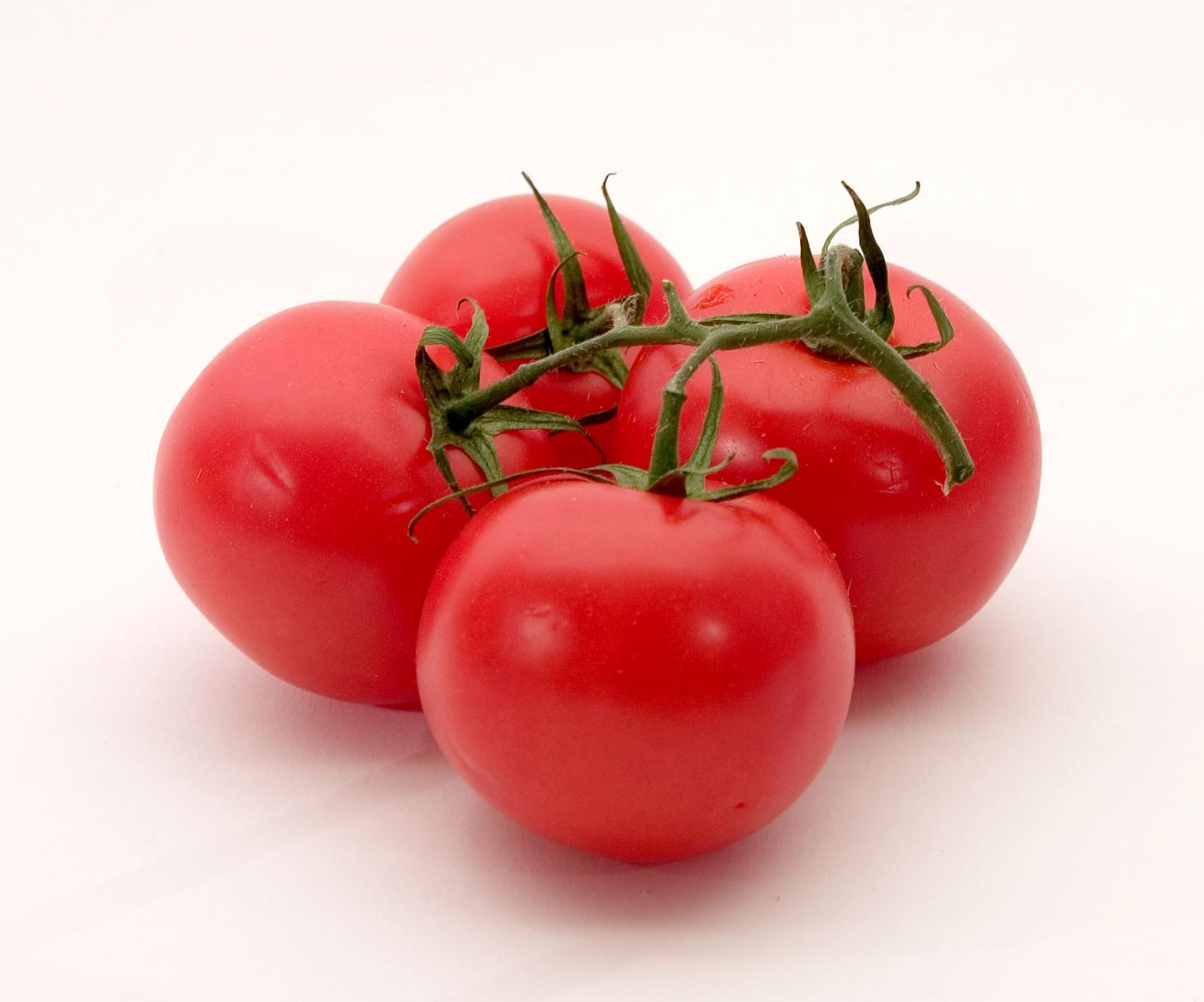
Have you ever dreamed of vine-ripened tomatoes bursting with flavor, plucked straight from your own backyard (or balcony!), but struggled with inconsistent watering? I know I have! The unpredictable nature of summer showers, combined with our busy lives, can make consistent care a real challenge. But what if I told you there's a simple solution that can practically guarantee juicy, delicious tomatoes with minimal effort?
The Magic of Self-Watering Tomato Pots
Let's delve into the world of self-watering tomato pots. These ingenious containers take the guesswork out of watering, providing your tomato plants with a consistent supply of moisture, exactly when they need it. This leads to healthier plants, bigger yields, and of course, tastier tomatoes! But how exactly do they work, and are they really worth the investment?
How Self-Watering Tomato Pots Work Their Magic
The beauty of self-watering tomato pots lies in their simple, yet effective, design. Most consist of two main components: a large reservoir at the bottom and a planting area above, separated by a wicking system. This wicking system, often made of felt strips, fabric, or a porous material, draws water up from the reservoir into the soil. Here’s a closer look at the process:
- Reservoir: This is the heart of the system. It holds a significant amount of water, reducing the frequency of refills.
- Wicking System: This acts like a sponge, drawing water upwards against gravity. The wicking material must be compatible with both water and soil, so it can transfer water effectively.
- Planting Area: This is where your tomato plant resides. The soil is kept consistently moist, but not waterlogged, thanks to the wicking system.
- Overflow Hole (Optional): Some designs include an overflow hole to prevent overwatering, especially during heavy rains.
The self-watering mechanism mimics the natural water table, allowing the plant to absorb only the amount of water it needs, promoting healthy root development. This targeted approach not only conserves water but also minimizes the risk of root rot, a common problem with traditional watering methods. The system makesgrowing tomatoes in self watering pots*a truly rewarding experience.
Benefits of Using Self-Watering Tomato Pots
So, why should you consider switching to self-watering tomato pots? The advantages are numerous and can significantly improve your tomato-growing experience.
Consistent Moisture Levels
This is arguably the biggest benefit. Tomato plants thrive on consistent moisture. Fluctuations in soil moisture can lead to blossom end rot, cracking, and other common tomato problems. Self-watering pots eliminate these issues by providing a stable and reliable water supply. This consistent moisture level promotes strong root growth and maximizes fruit production. The ability to maintain this consistent moisture level is key for*growing tomatoes in self watering containers.
Reduced Watering Frequency
Forget about daily watering! Depending on the size of the reservoir and the weather conditions, you may only need to refill your self-watering tomato pot once a week, or even less frequently. This is a huge time-saver, especially for busy gardeners or those who travel frequently. Spend less time worrying about watering and more time enjoying your harvest!
Water Conservation
Self-watering pots are incredibly water-efficient. The closed system minimizes evaporation, and the plant only absorbs the water it needs. This reduces water waste compared to traditional watering methods, which can often result in runoff and evaporation. Every drop counts, especially in areas with water restrictions. You can contribute to water conservation by usingself watering pots for your tomatoes.
Prevention of Blossom End Rot
Blossom end rot, a common tomato ailment characterized by a dark, leathery spot on the bottom of the fruit, is often caused by calcium deficiency due to inconsistent watering. Self-watering pots help prevent this by ensuring a consistent supply of water, which allows the plant to absorb calcium more effectively. A consistent supply of water for yourtomato self watering planter will help ensure blossom end rot is a thing of the past.
Easy to Use
Despite their ingenious design, self-watering tomato pots are surprisingly easy to use. Simply fill the reservoir with water, plant your tomato seedling, and let the system do its work. No complicated timers or irrigation systems are required. They're perfect for beginners and experienced gardeners alike.
Ideal for Small Spaces
Living in an apartment or have limited outdoor space? Self-watering tomato pots are an excellent solution. They can be placed on balconies, patios, or even indoors with the right lighting. Enjoy fresh, homegrown tomatoes even without a traditional garden.
Choosing the Right Self-Watering Tomato Pot
With so many options available, selecting the right self-watering tomato pot can feel overwhelming. Here are some factors to consider:
Size
The size of the pot is crucial. Tomato plants need ample space for their roots to develop. A general rule of thumb is to choose a pot that is at least 18 inches in diameter and 18 inches deep. Larger pots will provide more room for root growth and hold more water, reducing the frequency of refills. Choose yourtomato self watering pot size based on the mature size of your variety.
Material
Self-watering pots are typically made of plastic, terracotta, or metal. Plastic is lightweight, durable, and affordable. Terracotta is porous, allowing for good aeration of the soil, but can be more fragile. Metal can heat up quickly in direct sunlight, potentially harming the roots. Consider the climate and your personal preferences when choosing a material. Plastic, being the most affordable and accessible, makestomato planters self watering a great start to container gardening.
Reservoir Capacity
The larger the reservoir, the less frequently you'll need to refill it. Consider your schedule and the climate when choosing a reservoir capacity. If you live in a hot, dry area, opt for a pot with a larger reservoir. Having a larger reservoir capacity in yourself watering tomato planter is a great investment.
Wicking System
Different self-watering pots use different wicking systems. Some use felt strips, while others use fabric or a porous material. Ensure the wicking system is durable and effective at drawing water from the reservoir to the soil. Look for wicking systems that are easily replaceable, as they may need to be replaced over time.
Drainage
While self-watering pots are designed to prevent overwatering, it's still important to ensure proper drainage. Look for pots with an overflow hole to prevent the soil from becoming waterlogged during heavy rains. Good drainage will prevent root rot and other moisture-related issues.
Tips for Growing Tomatoes in Self-Watering Pots
Now that you have your self-watering tomato pot, here are some tips to ensure a successful harvest:
- Choose the Right Tomato Variety: Determinate tomato varieties, which grow to a certain size and produce all their fruit at once, are often a good choice for containers. Indeterminate varieties, which continue to grow and produce fruit throughout the season, can also be grown in self-watering pots, but may require more pruning and support.
- Use High-Quality Potting Mix: Avoid using garden soil in containers, as it can become compacted and impede drainage. Instead, use a high-quality potting mix that is light, airy, and well-draining.
- Provide Adequate Sunlight: Tomato plants need at least 6-8 hours of sunlight per day to thrive. Place your self-watering pot in a sunny location.
- Fertilize Regularly: Tomato plants are heavy feeders. Fertilize regularly with a balanced fertilizer, following the instructions on the fertilizer packaging.
- Prune Your Plants: Pruning helps improve air circulation and encourages fruit production. Remove suckers (the small shoots that grow between the main stem and the branches) regularly.
- Provide Support: As your tomato plant grows, it will need support. Use a tomato cage or stake to prevent the plant from falling over.
A little bit of planning and care can go a long way to producing healthy tomatoes in aself watering tomato planter.
Troubleshooting Common Problems
Even with self-watering pots, you may encounter some common tomato-growing problems. Here's how to troubleshoot them:
- Blossom End Rot: Ensure consistent watering and add calcium to the soil. You can add crushed eggshells or bone meal to the potting mix.
- Cracking: Cracking is often caused by fluctuations in soil moisture. Ensure consistent watering with your self-watering pot.
- Pests and Diseases: Monitor your plants regularly for pests and diseases. Use organic pest control methods, such as insecticidal soap or neem oil.
Prevention is always the best medicine when it comes to pests and diseases. Keep your plants healthy and strong by providing them with optimal growing conditions.
Conclusion: Reap the Rewards of Self-Watering Tomato Pots
Self-watering tomato pots are a game-changer for tomato growers of all skill levels. They simplify watering, conserve water, and promote healthy plant growth, resulting in abundant harvests of delicious tomatoes. With a little planning and care, you can enjoy fresh, homegrown tomatoes all season long, no matter where you live. So, ditch the watering can and embrace the convenience and efficiency of self-watering tomato pots!
If you're eager to explore other ways to grow your own food indoors, consider the Ahopegarden Indoor Garden Hydroponics Growing System! This 10-pod plant germination kit utilizes aeroponics and LED grow lights to effortlessly cultivate herbs and vegetables right on your countertop. It's a fantastic option for anyone interested in hydroponic planter grower harvest lettuce. You can find it here: https://amzn.to/3RPpa Sk. Imagine fresh lettuce, herbs, and more, growing conveniently indoors!